






Antique Japanese Porcelain Tray
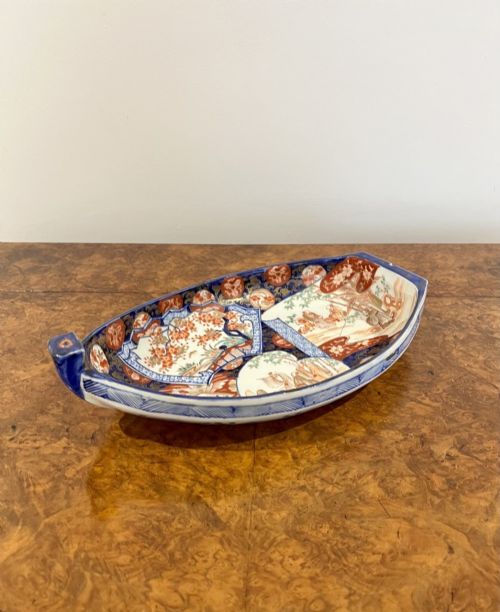
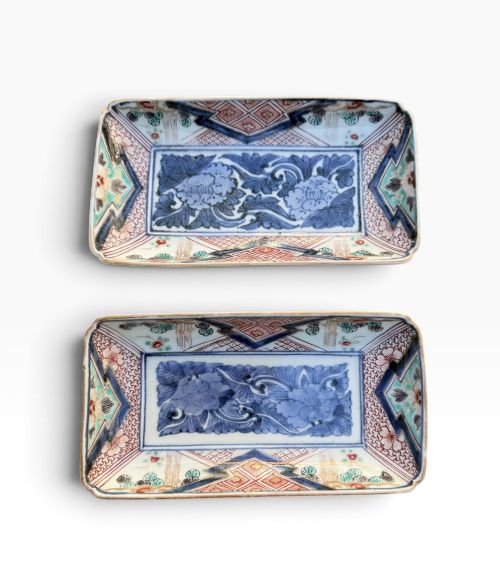
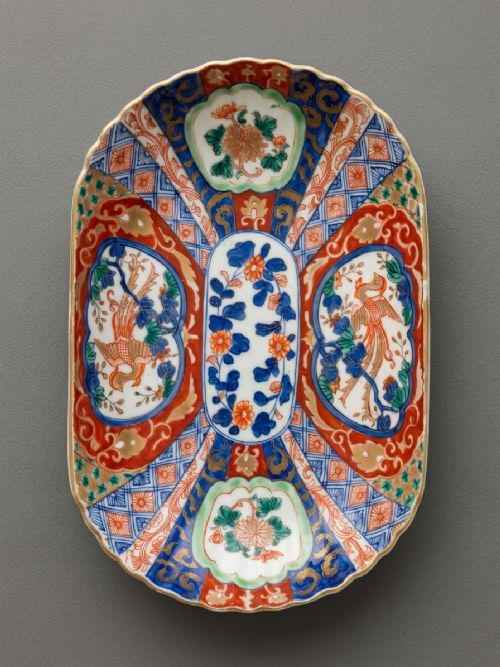
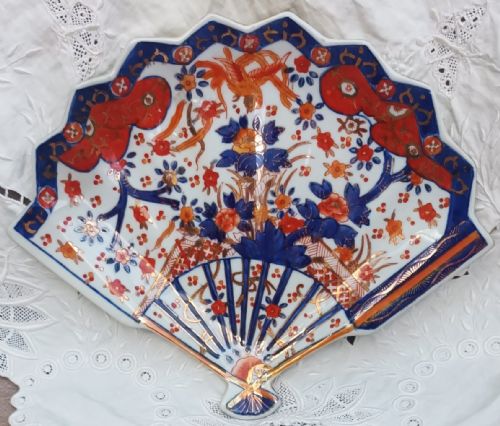
These antique japanese porcelain tray pieces are striking plates and dishes shaped like fans, boats, and shells that bring vibrant decorative presence to a table.
Antique Japanese Porcelain Tray
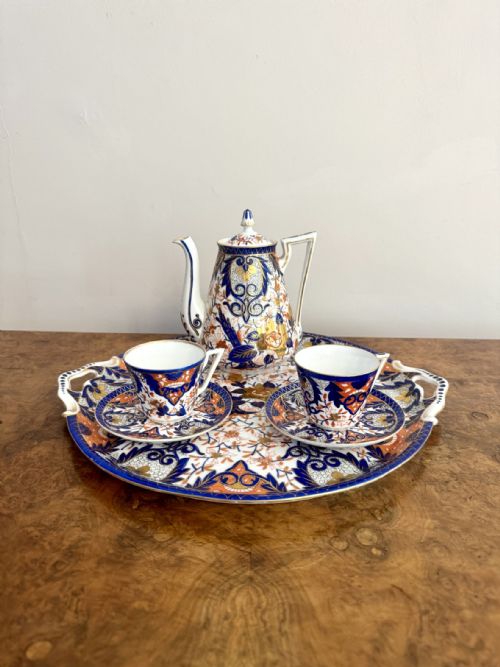
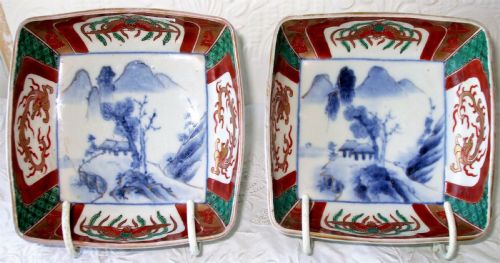
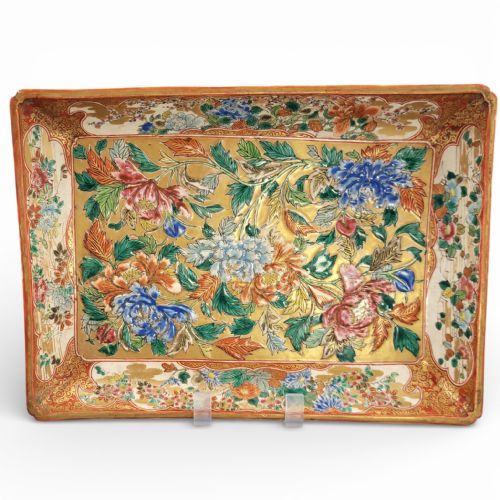
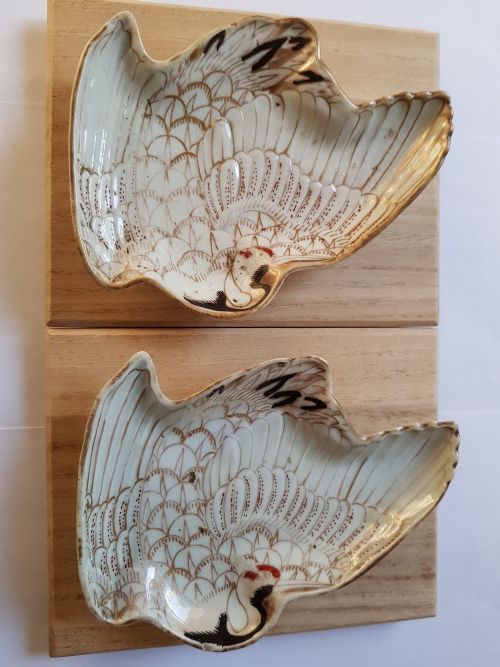
You meet various expressions of Imari decoration alongside Kutani platters and English interpretations of the Imari style. The pieces range from seventeenth-century Genroku period wares to moulded crane-shaped dishes decorated in iron red, black, and gold.
How they were made
Potters shaped porcelain bodies into intricate geometric and natural forms such as shells, fans, and shallow lobes. They applied glazes and pigments including iron red enamel and gold leaf before firing.
Some pieces feature moulding in shallow relief to create texture beneath the glaze. Artisans also utilised detailed hand-painting techniques to achieve the characteristic blue, red, and gilded motifs.
Antique Japanese Porcelain Tray Retail Price Guide 2026
Typical asking prices for japanese porcelain tray among the pieces listed under this phrase on Sellingantiques today, from the lower quarter to the upper quarter. They describe what is for sale here now, not the wider market.
Listings span the seventeenth to the twentieth century, combining Japanese Edo and Meiji period ceramics with nineteenth-century English bone china.
What varies in quality
The precision of the moulding and the crispness of the painted detail dictate the standard of each piece. Superior examples display carefully controlled enamel work and well-defined gilding that remains vibrant across the surface.
Unusual structural forms such as fan shapes or moulded crane designs require greater technical skill from the potter. Pieces with balanced compositions and well-preserved surface decoration stand apart from simpler production.
Royal Crown Derby
The Antique Japanese Porcelain Tray Glossary
- Imari
- A style of Japanese porcelain featuring a palette of underglaze blue, iron red, and gold, named after the port from which the wares were shipped. This aesthetic influenced both Japanese production and later European imitations.
- Meiji Period
- The era in Japanese history spanning from eighteen sixty-eight to nineteen twelve, known for opening trade and producing intricate decorative arts. Pieces from this time often exhibit elaborate hand-painted surface detail.
- Edo Period
- The period of Japanese history lasting from sixteen hundred and three to eighteen sixty-seven, associated with traditional craftsmanship and distinct regional styles. Early dishes from this time display characteristic blue and white or iron red motifs.
- Kutani
- A style of Japanese coloured porcelain known for bold palettes, frequently incorporating gold leaf and peony or figurative motifs. Shoza style Kutani represents a specific development within this tradition.
- Bone China
- A type of porcelain incorporating bone ash, utilised in some nineteenth-century English interpretations of traditional Japanese patterns. This material allows for thin, refined serving dishes.
Antique Japanese Porcelain Tray: Frequently Asked Questions
How do I identify an Edo period dish?
Edo period pieces date between sixteen hundred and three and eighteen sixty-seven, showing traditional potting techniques and early Imari palettes. They often feature hand-painted iron red and blue decoration on heavy porcelain bodies.
Examination of the foot ring and glaze pooling provides further clues to their seventeenth or eighteenth-century origin.
What is the difference between Imari and Kutani?
Imari porcelain relies primarily on underglaze blue combined with iron red enamel and gold highlights, usually arranged in geometric or floral layouts. Kutani wares tend to employ a broader, more dominant gold and coloured enamel palette.
Both styles originated in Japan but utilise distinct visual vocabularies.
How were these shaped trays used?
These decorative dishes and trays served as display pieces or serving vessels for food during formal meals and tea ceremonies. Their unusual fan, boat, and shell forms made them decorative focal points on tables.
Collectors today continue to display them on walls, cabinets, or sideboards.
How do I care for antique porcelain trays?
Display these porcelain trays away from direct sunlight and areas subject to sudden temperature shifts to protect the enamel and gold leaf. Dust them gently with a soft, dry cloth rather than using liquid cleaners.
Avoid placing them in dishwashers or using abrasive materials on the glazed surfaces.