


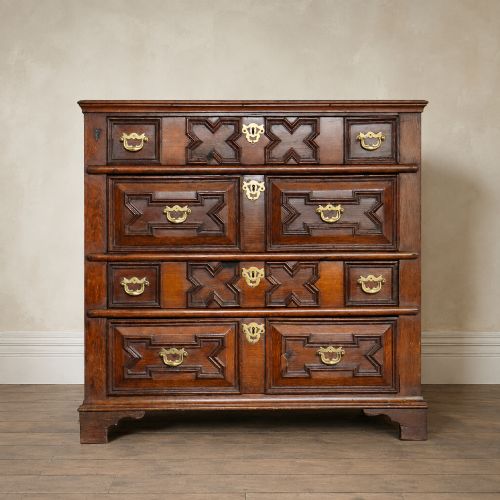
Antique Jacobean Furniture
These heavy, timber-framed pieces known as antique jacobean furniture anchor a room with centuries of history and robust joinery.
Antique Jacobean Furniture
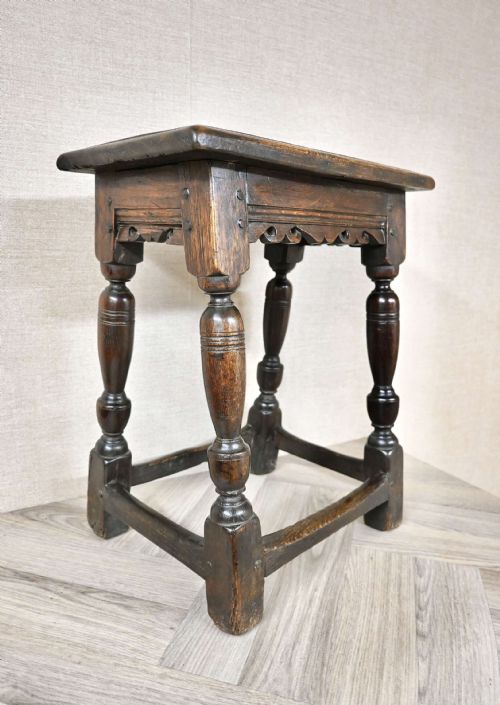
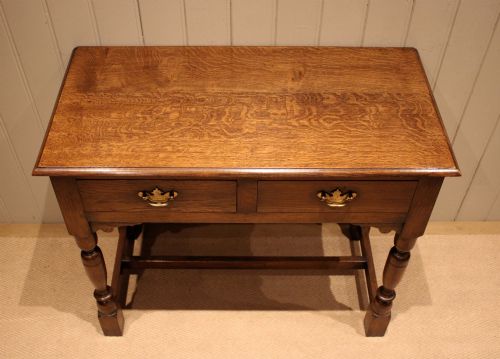
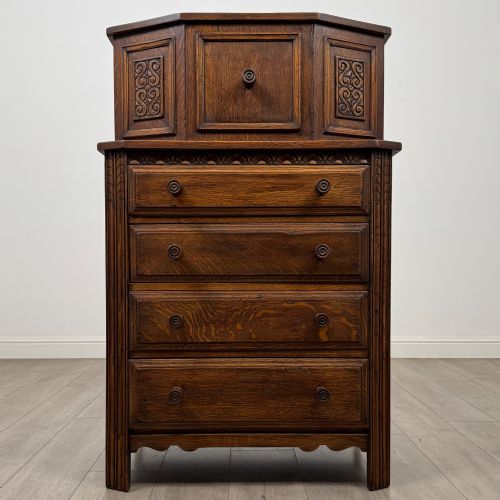
When searching for antique jacobean furniture, buyers encounter robust wooden items spanning from the seventeenth century through to later revival periods. The selection on this page ranges from authentic seventeenth-century chests of drawers and joint stools to early twentieth-century Edwardian side tables and sideboards.
How they were made
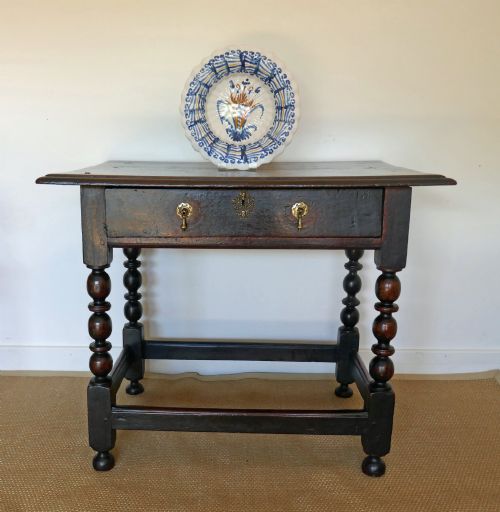
Construction relies heavily on solid oak, often paired with elm, yew wood, and brass or iron hardware. Joiners utilised traditional methods like joint framing and panelled construction to build heavy tables, chests, and seating.
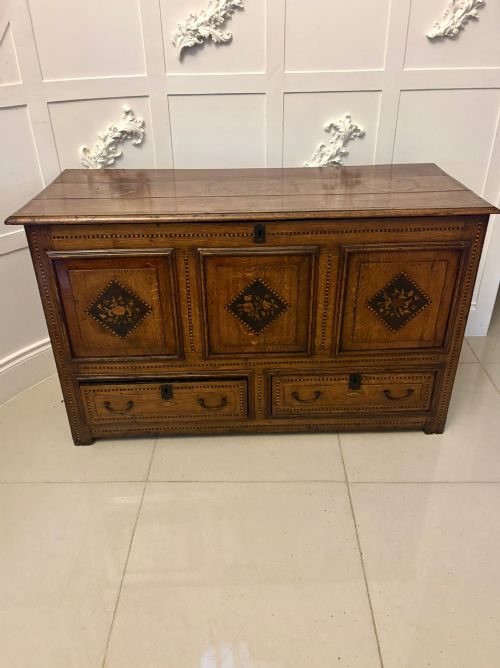
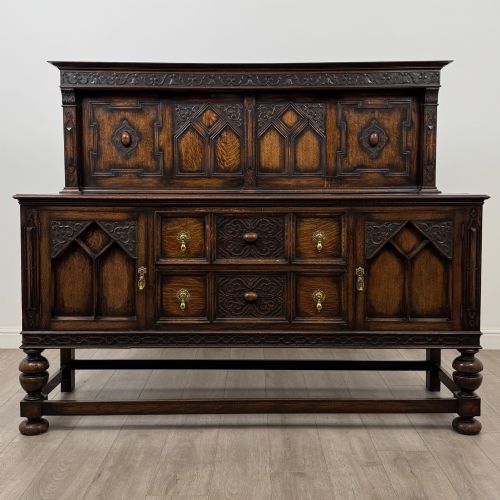
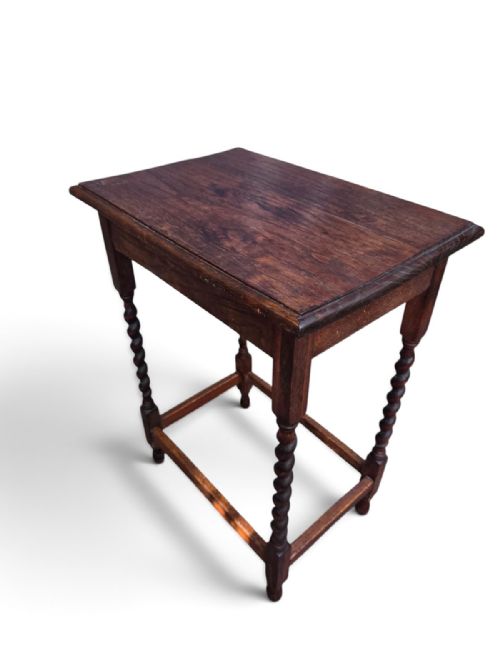
Decoration includes carved panelling, geometric moulding, and occasional marquetry inlay. Many revival pieces from the Edwardian era emulate these seventeenth-century joinery techniques using light or golden solid oak.
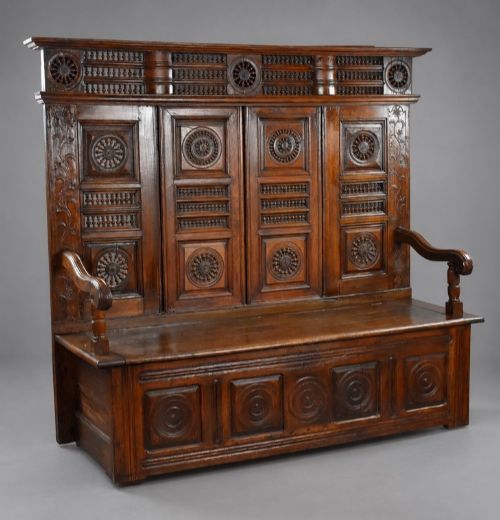
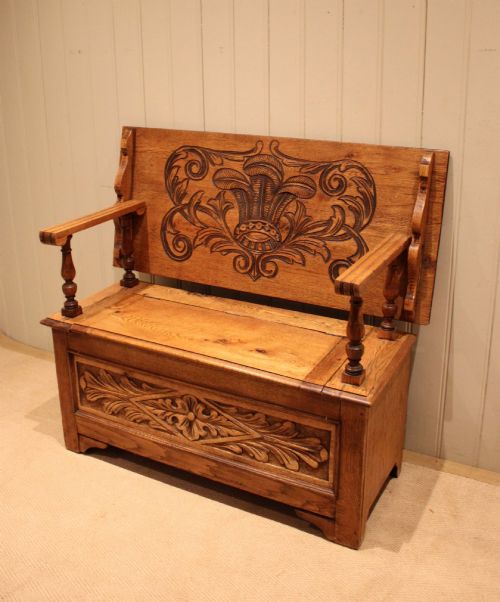
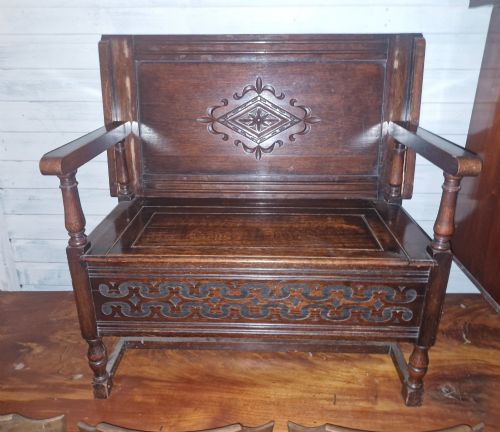
Monks benches convert from seating into impromptu tables simply by folding the back over the arms.
What varies in quality
Quality rests upon the integrity of the timber and the depth of the original joinery. Seventeenth-century examples with untouched surfaces and single-plank tops demonstrate superior craftsmanship compared to later interpretations.
The crispness of hand-carved details and the retention of original brass or iron fittings distinguish exceptional pieces. Proportion and structural balance also dictate value, particularly among heavy chests of drawers and refectory tables.
The Antique Jacobean Furniture Glossary
- Joint Stool
- A sturdy wooden stool constructed with mortise and tenon joints rather than turned legs. These items served as seating or small tables in early households.
- Mule Chest
- A chest featuring a drawer or drawers beneath the main storage compartment. They bridge the design gap between simple coffers and modern chests of drawers.
- Wainscot Armchair
- A heavy wooden chair made primarily of oak, featuring panelled backs and solid armrests. They represent status and solid domestic comfort in seventeenth-century interiors.
- Refectory Table
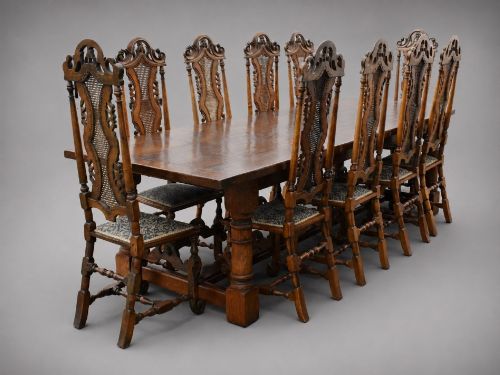
- A long dining table designed for communal dining. Surviving examples often feature substantial oak tops supported by sturdy stretcher bases.
Antique Jacobean Furniture: Frequently Asked Questions
How do I identify seventeenth-century oak furniture?
Authentic seventeenth-century pieces display hand-cut joinery, pegged joints, and heavy solid oak construction without modern metal screws. Surface patination develops naturally over centuries of handling and polishing.
Revival pieces from the Edwardian period or the 1920s often imitate these forms, but the timber preparation, tool marks, and overall weight differ upon close inspection.
What is the difference between original and revival pieces?
Original pieces date from the 1600s and carry the wear, tool signatures, and structural shifts of true age. Revival items, frequently made during the Edwardian era or around 1920, borrow the heavy mouldings and dark oak finishes of the earlier style.
Both categories offer robust utility, but original seventeenth-century items hold greater historical weight for collectors.
How should I care for antique oak furniture?
Maintain solid oak pieces by applying occasional beeswax to nourish the timber and prevent drying. Keep them away from direct heat sources and sudden humidity changes to protect historic joints.
Gentle dusting with a dry cloth preserves the natural patina developed over hundreds of years of use.
Where were these pieces used originally?
These items populated substantial English homes, halls, and dining rooms for daily domestic life. Chests stored linens and valuables, while joint stools and refectory tables accommodated communal meals.
Today, buyers place these sturdy tables and cupboards in modern dining spaces and hallways to provide functional storage and historic character.