


Antique Italian Painted Table
An antique italian painted table brings decorative colour and regional craftsmanship into a room.
Antique Italian Painted Table
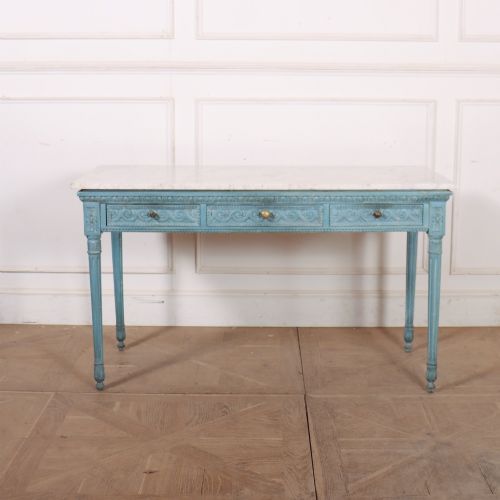
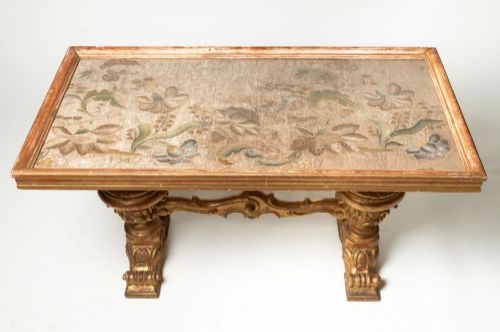
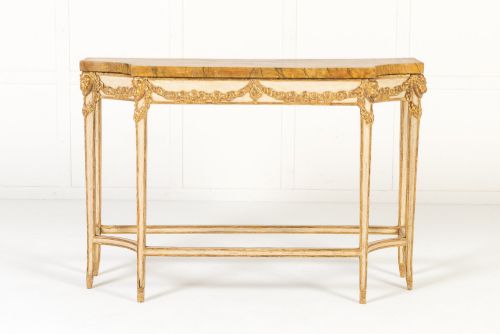
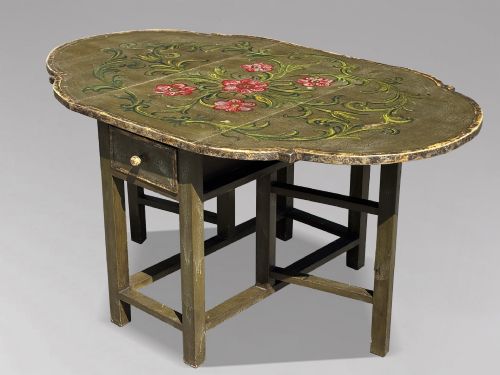
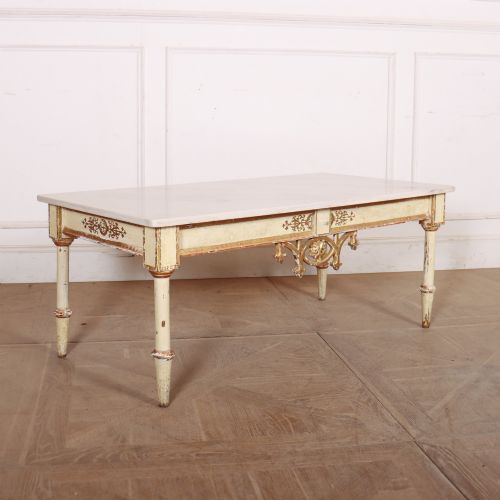
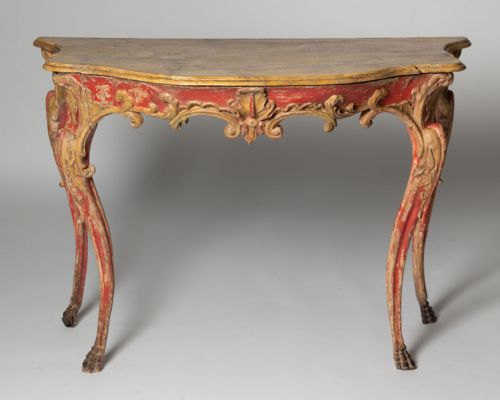
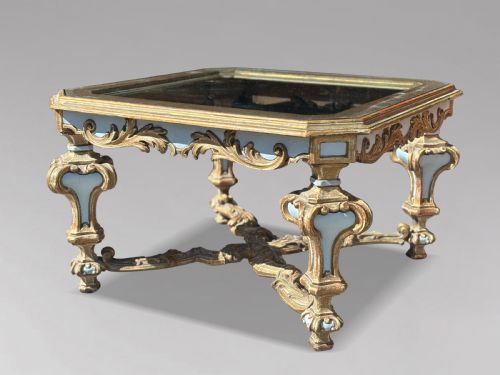
An antique italian painted table spans console tables, side tables, coffee tables, and occasional tables originating from the eighteenth and nineteenth centuries. These pieces display painted wood finishes, gesso, and parcel gilt detailing shaped by styles such as Italian Neoclassical, Venetian Rococo, and Italian Baroque. Console tables and drop-leaf tables dominate the selection, often featuring serpentine fronts or carved wooden structures.
Makers and regional workshops from periods including the nineteenth century and the early twentieth century produced these surfaces for domestic interiors. Buyers encounter polychrome schemes, cream painted surfaces, and faux porphyry finishes alongside carved wooden supports and marble tops. Each piece reflects the decorative priorities of its specific Italian region, from Florentine workshops to Venetian interiors.
How they were made
Craftsmen shaped these tables from solid wood before applying layers of gesso to create smooth surfaces for decorative painting. Artisans built up polychrome and monochrome paint schemes, frequently incorporating gold leaf and giltwood highlights to accentuate carved details like dolphins or neoclassical motifs.
Surfaces often received protective lacquer or specialised finishes such as faux porphyry to imitate costlier stones. Marble inserts were fitted directly into wooden frames for console and side tables, combining stone with painted timber structures.
Periods represented span the eighteenth century through the 1930s, encompassing Italian Neoclassical, Baroque, and Rococo Revivals.
What varies in quality
The integrity of the original paint layer separates standard examples from superior survivals. Tables retaining their authentic polychrome, gilt, or faux finishes without heavy modern repainting hold greater visual coherence and historical value.
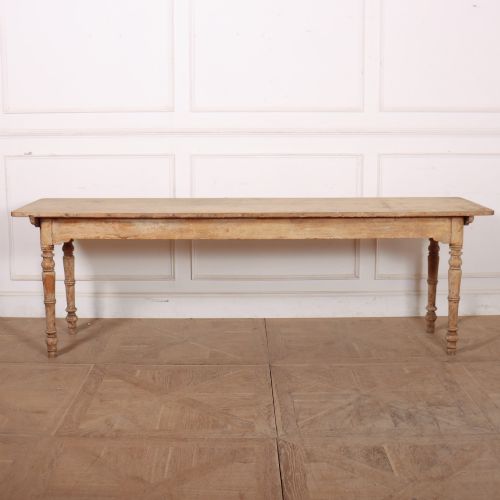
Carving depth and the crispness of gesso work also define the tier of a piece. Finer tables exhibit deeply carved wooden elements and precise application of gold leaf, whereas lesser pieces display simpler turned supports and softer surface detailing.
Richard Ginori·Pauly et Cie
The Antique Italian Painted Table Glossary
- Gesso
- A plaster mixture applied to wood surfaces to prepare them for painting and gilding. This compound allowed artisans to carve intricate relief details before adding colour.
- Parcel Gilt
- A decoration method where only specific portions of a wooden object receive gold leaf or gilt. This technique highlights carved mouldings and architectural motifs against a painted background.
- Faux Porphyry
- A paint finish designed to imitate the deep purple-red igneous rock used in classical architecture. Artisans applied specialised brushwork to achieve this stone effect on wooden furniture.
- Serpentine
- A furniture front or table edge curved in a convex-concave-convex shape. This flowing line characterises many rococo and neoclassical pieces.
- Polychrome
- Multicoloured decoration utilising various pigments across a single painted surface. Italian artisans employed this approach to create vibrant floral or architectural designs.
Antique Italian Painted Table: Frequently Asked Questions
Where were these tables used?
These tables served primarily in grand reception rooms, hallways, and drawing rooms across Italian palazzos and townhouses. Console tables sat against walls beneath mirrors, while smaller occasional and side tables stood beside seating.
Drop-leaf and coffee tables functioned as adaptable surfaces for daily domestic use. Their decorative painted finishes suited formal entertaining spaces as well as private chambers.
How do I identify a neoclassical style?
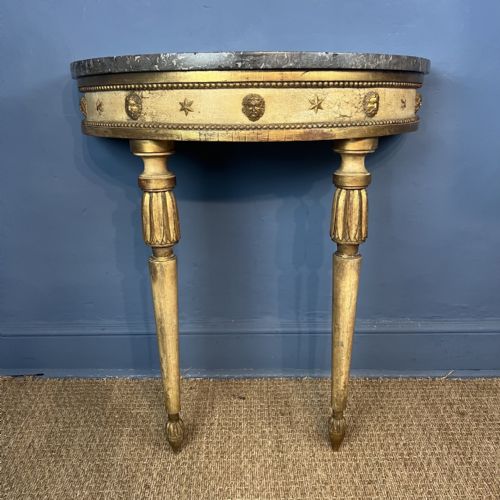
Neoclassical pieces display restrained symmetry, straight tapered legs, and classical architectural motifs such as urns, swags, and fluting. The ornamentation draws inspiration from ancient Greek and Roman design.
Unlike the curved asymmetrical forms of rococo, neoclassical tables emphasise straight lines and balanced proportions. Painted finishes on these pieces frequently feature muted tones or faux marble effects.
Are marble tops original?
Marble tops on eighteenth and nineteenth-century console tables were typically fitted during initial production to provide durable, cool surfaces. Italian workshops frequently paired carved painted bases with inset marble or faux porphyry slabs.
Inspecting the underside reveals how the stone rests within the wooden frame. Original marble shows matching age patination and weathering consistent with the painted base.
How do I clean painted surfaces?
Painted and gilded wooden surfaces require gentle dusting with a dry, soft cloth to prevent abrasion. Avoid all liquid cleaners, polishes, and chemical solvents that can lift fragile historic paint layers.
Professional conservators should handle any stubborn grime or flaking gesso. Keeping tables away from direct sunlight and moisture protects the original pigments from fading.