




Antique Italian Accent Chairs
These antique italian accent chairs bring centuries of continental carving and rich walnut into a room.
Antique Italian Accent Chairs
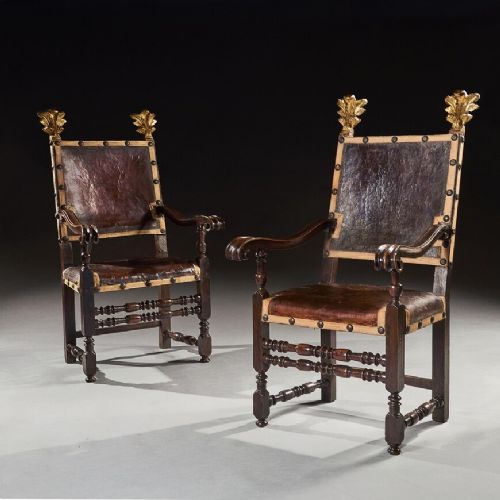
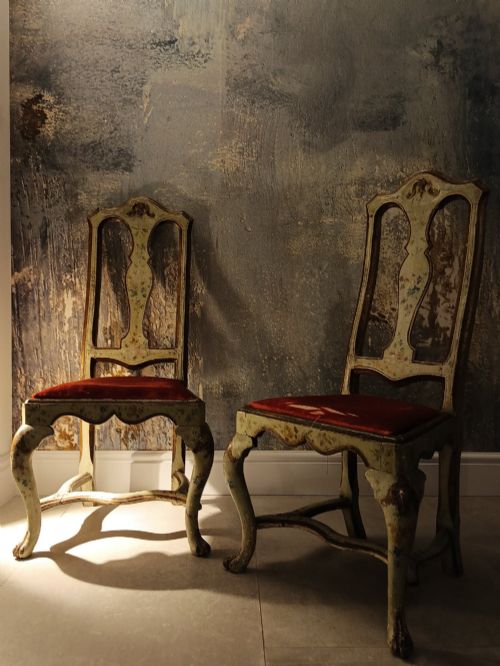
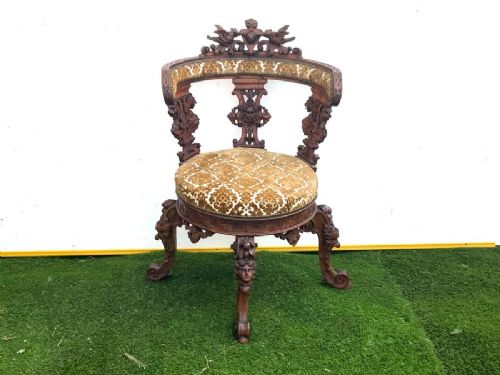
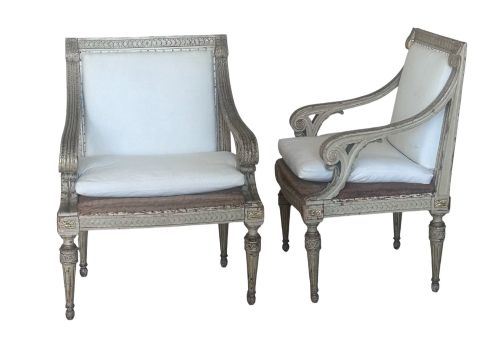
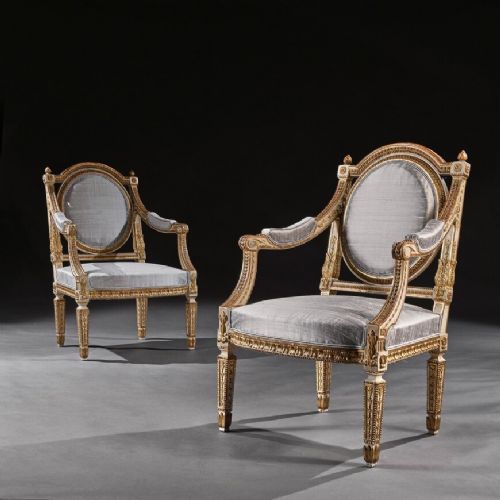
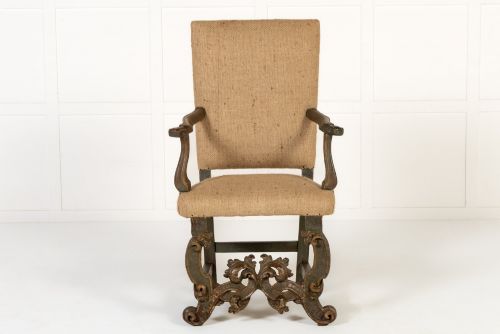
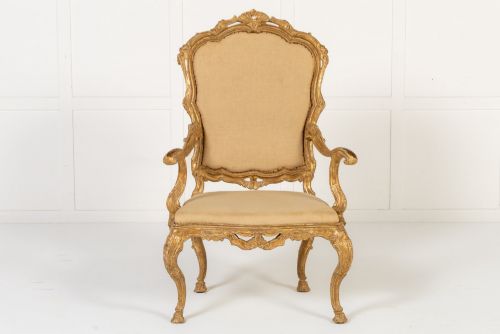
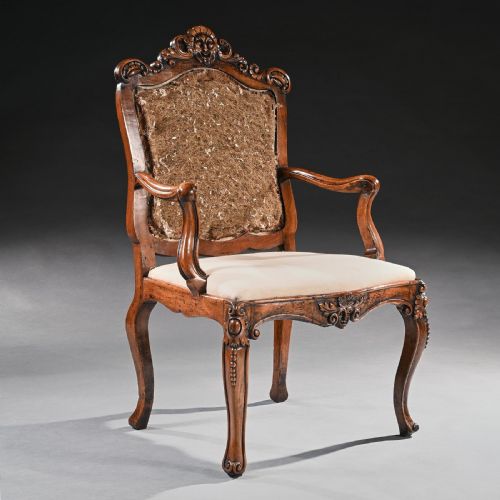
When buyers search for antique italian accent chairs, they encounter a range of seating forms spanning several centuries from the seventeenth to the early twentieth. The selection includes armchairs, side chairs, hall chairs, sgabello chairs, and X-framed stools originating from regions such as Piedmont and Venice.
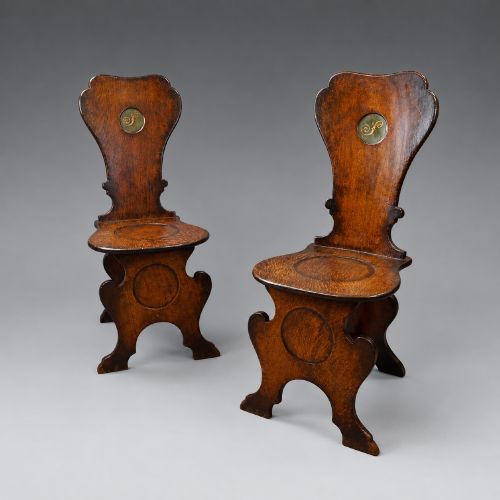
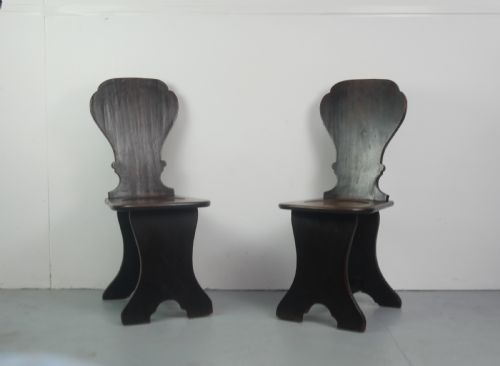
Hall chairs and sgabello forms in oak, lime wood, and walnut represent another common encounter on this page, offering rigid wooden seats and upright backs. Buyers also find specialised seating such as gondola chairs, corner chairs, and Savonarola chairs.
Materials and construction methods
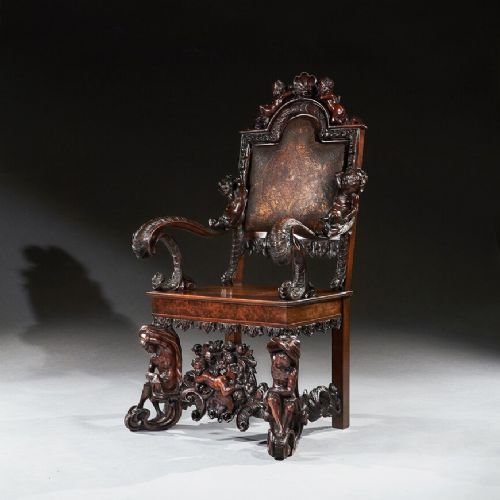
Makers utilised solid timbers primarily consisting of walnut, oak, mahogany, and lime wood for the structural frames of these chairs. Joinery techniques supported heavy carving, turning, and figural work executed by hand.
Surface ornamentation involved gesso, gold leaf, silver gilt, paint, and bone inlay applied to wood bases. Upholstered variants incorporated textiles, leather, and velvet secured to the frames.
Several chairs feature intricate bone inlay alongside solid brass and lime wood.
Distinctions in craftsmanship
The depth and ambition of the carving separate standard workshop pieces from exhibition quality examples. Elaborate figural elements, undercut foliage, and balanced proportions reflect the skill of the original carver.
The preservation of original surface treatments, including historical gilding, paint layers, and patinated walnut, determines the integrity of the piece. Integrated structural joinery and genuine period materials sustain the historical character.
Andrea Brustolon·White, Allom & Co·Henry Thomas Peters
The Antique Italian Accent Chairs Glossary
- Sgabello
- A type of wooden hall chair with a high back and a base formed by solid trestle supports rather than conventional legs. This form dates back to the Renaissance and appeared in later revival periods.
- Savonarola
- An X-framed folding armchair constructed from multiple curved wooden slats intersecting to form a barrel-shaped seat. It bears the name of the famous Florentine friar.
- Gondola chair
- An upholstered seat with a curved, enclosing backrest resembling the silhouette of a Venetian boat. These chairs typically date to the eighteenth century.
- Barocchetto
- An Italian term describing the lighter, more playful Rococo style that developed during the eighteenth century. Pieces from this movement display asymmetric curves and carved shell motifs.
Antique Italian Accent Chairs: Frequently Asked Questions
What is a sgabello chair?
A sgabello is a historic wooden chair featuring a high, flat back and trestle-like supports instead of traditional legs. They were designed to sit flat against palace walls in hallways.
These chairs often display carved decoration on the central wooden splat and supports, reflecting Renaissance styles that were later revived in the nineteenth century.
How do I identify a Baroque armchair?
Baroque armchairs from Italy typically feature heavy walnut frames, bold scrolling arms, and robust turned stretchers. The carving emphasises rich, dynamic movement with acanthus leaves and high relief.
Many examples include parcel-gilt details or leather upholstery secured with large decorative brass tacks, reflecting seventeenth-century reception rooms.
Where were gondola chairs used?
Gondola chairs originated in Venice during the eighteenth century, taking their curved back shape from local watercraft. They served as elegant seating in receiving rooms and parlours.
The sweeping wooden frame half-encloses the sitter, offering a compact footprint compared to standard winged armchairs.
What defines Piedmontese seating?
Piedmontese chairs hail from the northwestern region of Italy and often incorporate carved mahogany or walnut. Nineteenth-century salon chairs from this area demonstrate refined cabinetmaking influences.
Makers in this region combined neoclassical restraint with fluid carved details, sometimes working for prominent clients or exhibition standards.