


Dark Timber Accent Chair
A dark timber accent chair offers robust construction and rich grain, bringing character and functional seating to any interior.
Dark Timber Accent Chair
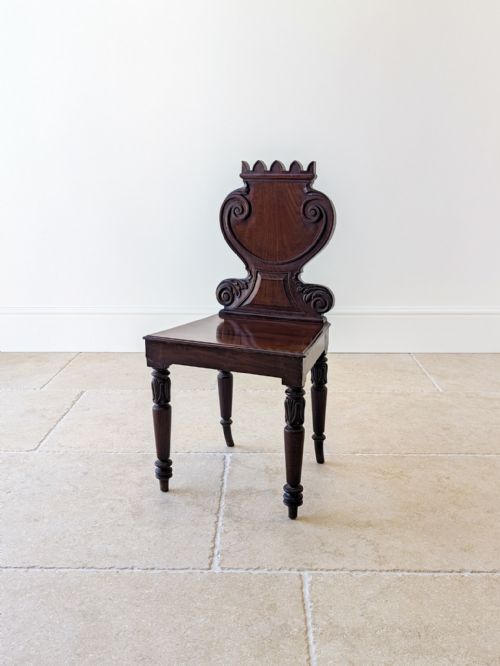
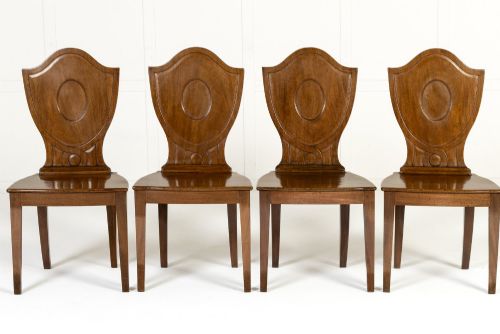
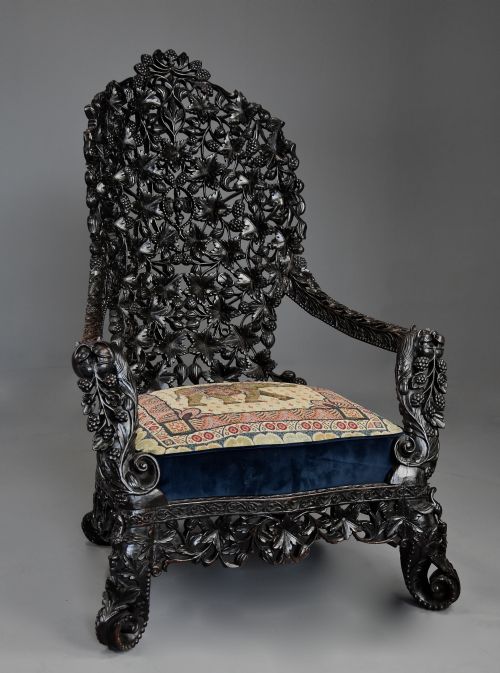
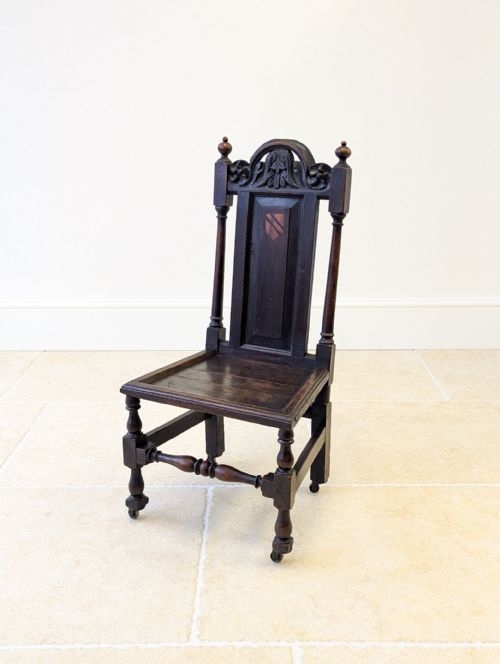
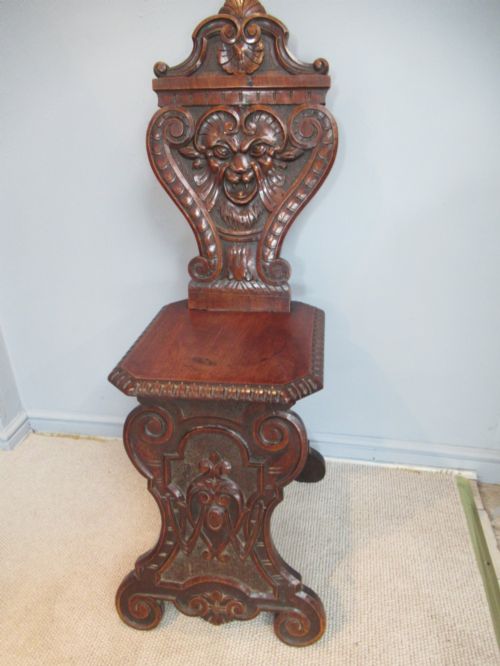
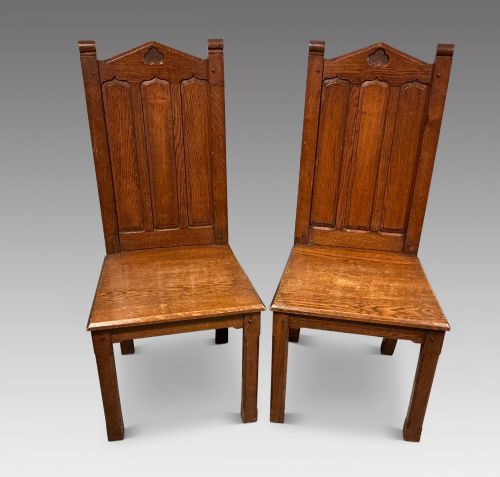
A dark timber accent chair encompasses various historic seating forms designed for occasional use in halls, parlours and bedrooms. The selection on this page leans heavily towards 19th-century and Victorian pieces, featuring distinct regional variations such as English hall chairs, Welsh spinning chairs and carved colonial examples.
Makers utilised dense timbers like mahogany, oak and walnut to build these pieces, often incorporating elaborate carved details into the wood. Buyers will find side chairs, armchairs and rocking chairs that display specific revivalist aesthetics, including Jacobean, Gothic and Chippendale influences.
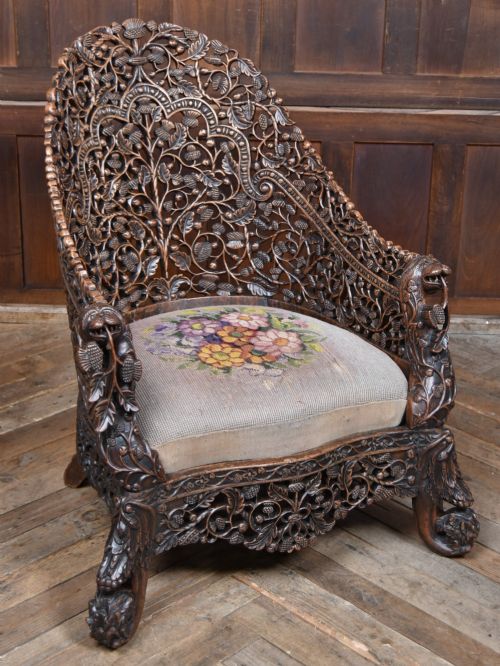
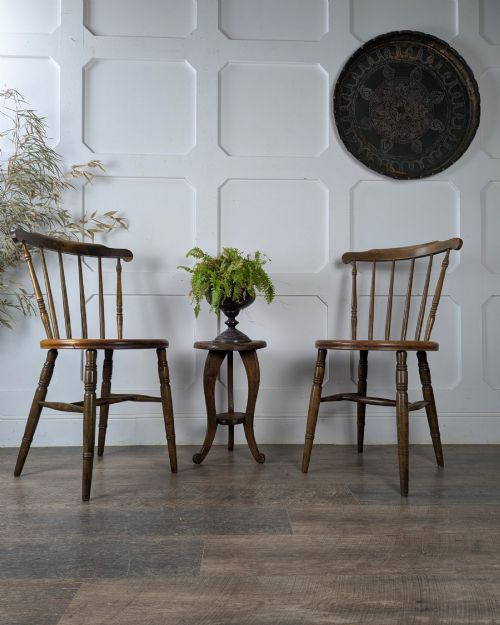
The assortment demonstrates a broad range of global craftsmanship, from vernacular English elm and beech frames to intricate Burmese and Indian carved hardwood chairs. These seating options served diverse domestic functions, acting as functional hall furniture, low bedroom seats or sculptural conversation pieces.
Materials and Construction Techniques
Cabinetmakers constructed these chairs using heavy hardwoods such as mahogany, oak, walnut, elm and beech, selecting them for strength and deep natural colour. Artisans frequently employed solid timber planks for shaped seats and back panels, utilising mortise and tenon joints to ensure structural stability.
Carving represents the primary decorative method applied to these wooden frames, with craftsmen cutting intricate foliage, shell motifs, strapwork and figural details directly into the dense material. Turned components, such as bobbin legs and spindle supports, appear alongside simpler bentwood or panelled construction methods depending on the regional origin and period.
Listings feature timbers including mahogany, oak, walnut, beech, elm, rosewood, and padouk across multiple centuries.
Assessing Craftsmanship and Condition
Quality in these wooden chairs rests on the crispness of the hand-carving and the structural integrity of the joinery within the dense timber frame. Superior examples display deeply sculpted panels, balanced proportions and tight, original joints that withstand daily use without relying on modern reinforcements.
The selection of the wood itself defines the tier of the piece, with richly figured mahogany, well-selected quarter-sawn oak or dense exotic hardwoods elevating the object. Secondary elements like preserved original surface patination, subtle inlays and maker signatures distinguish exceptional workshop output from vernacular production.
Gillows
The Dark Timber Accent Chair Glossary
- Hall Chair
- A rigid wooden seat traditionally placed in a grand entrance hall, often featuring a solid carved back and shield-shaped seat. These pieces were designed for brief seating rather than long-term comfort.
- Wainscot Chair
- An early wooden armchair constructed primarily from panelled oak, reflecting medieval and Renaissance joinery techniques. These heavy seats frequently display formal carved scrollwork and box frames.
- Spining Chair
- A low-backed vernacular chair traditionally used for domestic textile work, often featuring a heavily carved seat and backrest. Welsh examples frequently showcase whimsical folk art motifs.
- Turned Chair
- A piece of seating constructed almost entirely from cylindrical wooden components shaped on a lathe, such as bobbin or spindle elements. These designs draw on historic traditions dating back centuries.
- Padouk
- A heavy, durable tropical hardwood with a deep reddish hue, utilised by overseas workshops for intricate carved furniture. The dense grain allows for exceptionally crisp decorative relief.
Dark Timber Accent Chair: Frequently Asked Questions
What is a dark timber accent chair used for?
These chairs served multiple domestic purposes throughout history, from welcoming visitors in grand entryways to providing low seating in bedrooms or parlours. Today, collectors utilise them as striking visual statements or functional occasional seats in modern living spaces.
Their robust construction in dense hardwoods makes them durable enough for daily use while adding historical weight and distinct character to a room's interior design.
Are these chairs comfortable for daily seating?
Historic seating from earlier centuries was generally built for posture and display rather than lounging, meaning most wooden hall chairs and accent pieces feature rigid, unpadded seats. Some models include upholstered pads or cushions, but the primary focus of the design was structural ornamentation.
Buyers seeking everyday lounging comfort usually pair these wooden chairs with soft textiles or place them in settings where visual impact takes precedence over deep relaxation.
What distinguishes antique regional chairs?
Regional variations stem from the specific timbers available locally and the vernacular woodworking traditions of the makers. For instance, Welsh makers utilised local elm and fruitwoods for folk art spinning chairs, while English workshops favoured imported mahogany or native oak.
Colonial pieces from India and Burma utilised dense exotic hardwoods like padouk and blackwood, featuring deeply undercut carvings distinct from standard European production.