





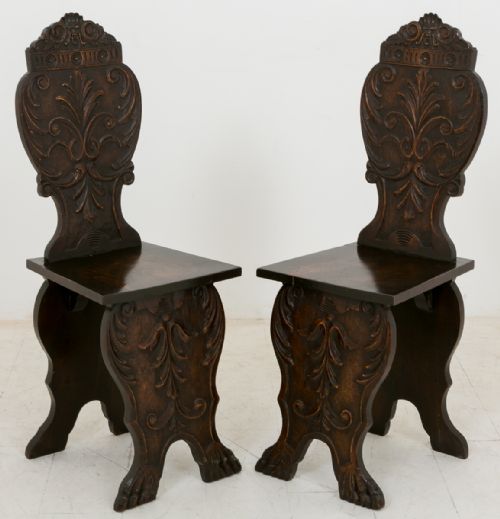
Carved Sgabello Chair
A carved sgabello chair is a distinct panel-form seat of Renaissance lineage, prized by collectors for its sculptural silhouette.
Carved Sgabello Chair
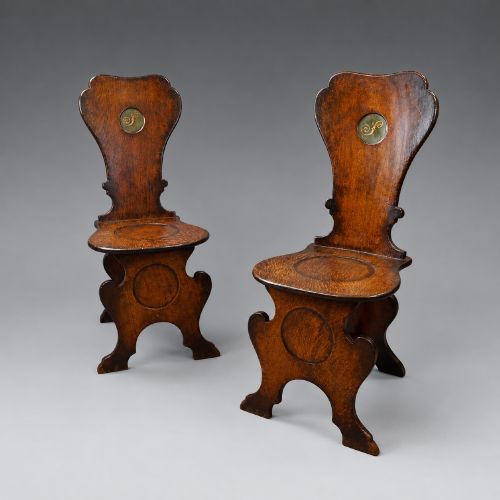
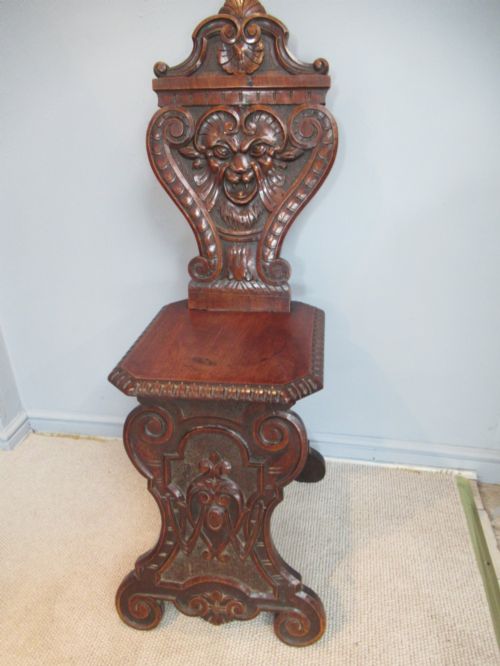
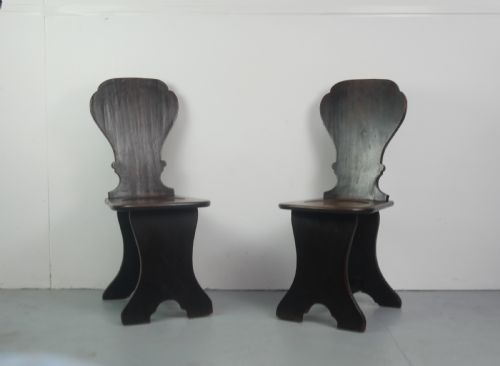
When you search for a carved sgabello chair, you encounter rigid, high-backed wooden seats supported by solid vertical trestles rather than conventional legs. These architectural forms function primarily as hallway furnishings or decorative accent seating.
The versions met most often on this page date from the nineteenth century, frequently adopting Italian Renaissance Revival aesthetics. Makers of this period drew heavily on sixteenth-century prototypes, translating historical Italian forms into domestic hall chairs.
How they were made
Joinery relies on solid hardwoods such as walnut, oak, mahogany, elm, and fruitwood. These dense timbers provide the structural integrity required for upright planks and flat seats.
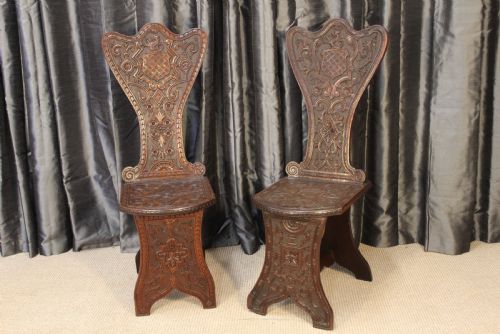
Decoration depends on deep chisel work applied to the crest rails, back splats, and solid board legs. Artisans incorporated bone inlay, painted finishes, or lime wood to articulate heraldic motifs and scrolling foliage.
Several chairs arrive with bone inlay that peers out from the dark walnut like startled teeth in an old portrait.
What varies in quality
The depth and clarity of the chisel work separate standard nineteenth-century interpretations from finer examples. Crisp undercut relief on walnut or oak indicates a more accomplished hand than shallow, mechanical scoring.
Timber selection dictates overall substance and longevity. Solid walnut and eighteenth-century fruitwood specimens display tighter grain structures and greater weight than softer secondary woods.
The Carved Sgabello Chair Glossary
- Trestle support
- A rigid vertical board or panel that replaces standard legs to bear the weight of the seat. This construction method forms the architectural base of every sgabello.
- Renaissance Revival
- A nineteenth-century design movement that revived sixteenth-century Italian and Flemish motifs. Makers utilised heavy carving, strapwork, and heraldic crests.
- Fruitwood
- Dense timber harvested from fruit-bearing trees such as pear or apple. Cabinetmakers valued these woods for their fine grain and smooth carving surfaces.
Carved Sgabello Chair: Frequently Asked Questions
Where do you put a sgabello chair?
These pieces serve well in hallways, entrance passages, or gallery spaces where floor space is limited. Their narrow profile and flat backs allow them to stand flush against a wall.
Because they lack upholstered padding, they function best as occasional seats or sculptural accents rather than lounge chairs.
How do you date a sgabello chair?
Dating relies on timber selection, tool marks, and stylistic clues within the carving. Nineteenth-century revival pieces often display machine-sawn elements alongside hand-chiselled details.
Eighteenth-century examples utilise older joinery techniques and patinated hardwoods like fruitwood or early mahogany. Comparing the hardware and surface wear to documented period pieces confirms the era.
Are sgabello chairs comfortable?
Sgabello chairs were designed for formal display and posture rather than long periods of relaxation. The upright wooden back and solid seat encourage an erect sitting position.
Some historical examples feature velvet cushions to soften the rigid wooden surface, though many remain entirely unpadded.
What wood are they usually made from?
Walnut and oak appear most frequently across the historical record for this form. These sturdy timbers supported the heavy relief carving demanded by the Renaissance Revival style.
Makers also utilised mahogany, elm, lime wood, and fruitwood depending on the regional workshop and the specific century of manufacture.