




Nineteenth Century Hall Chair
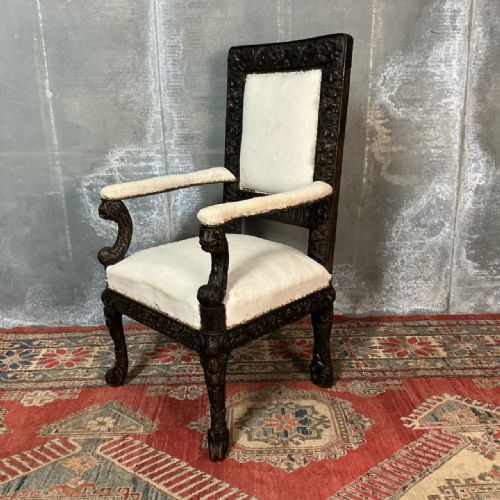
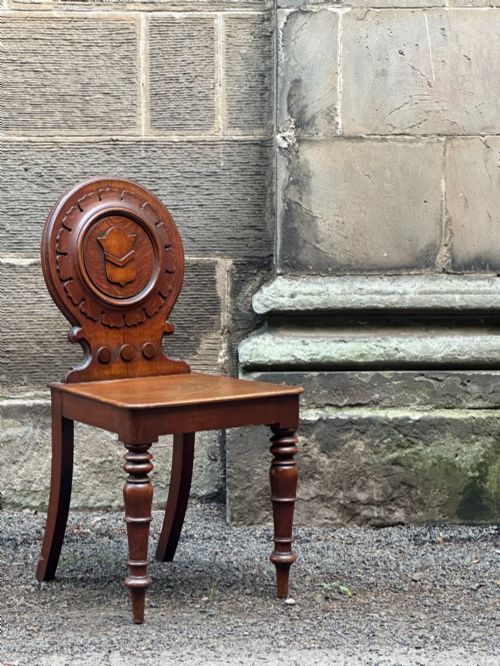
A nineteenth century hall chair stands ready to anchor an entryway with sculptural timber and carved armorial pride.
Nineteenth Century Hall Chair
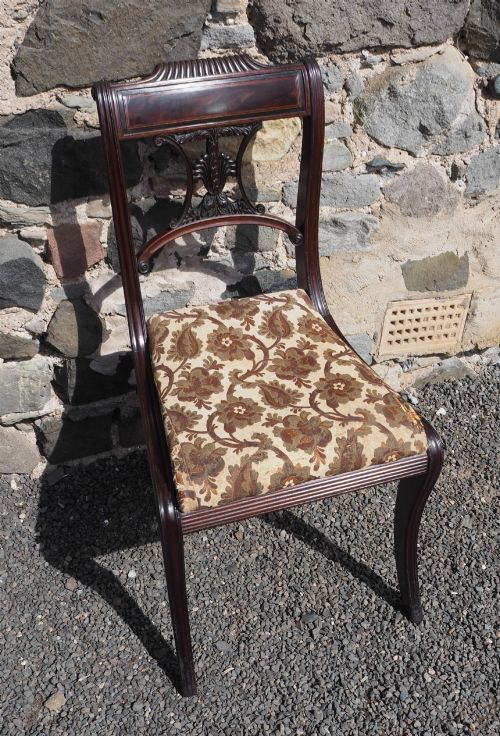
A nineteenth century hall chair provides rigid, upright seating designed traditionally for entranceways and grand corridors rather than long hours of lounging. These pieces are encountered in dense timbers such as mahogany and oak, often bearing carved crests, painted shields, or geometric panel backs.
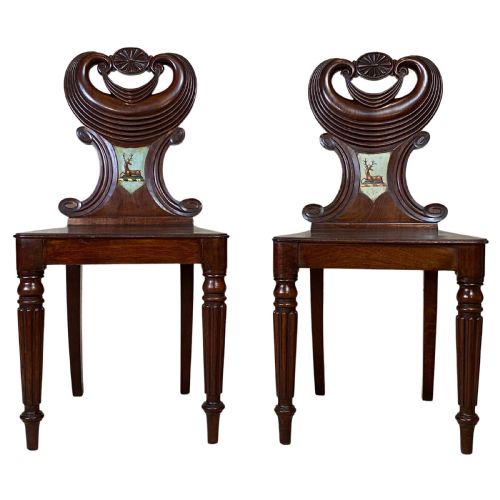
The selections span distinct periods including Regency, Victorian, and Georgian designs, alongside revivals like Gothic and Baroque tastes. Buyers meet both single examples and matched pairs suited for flanking a console table or hallway mirror.
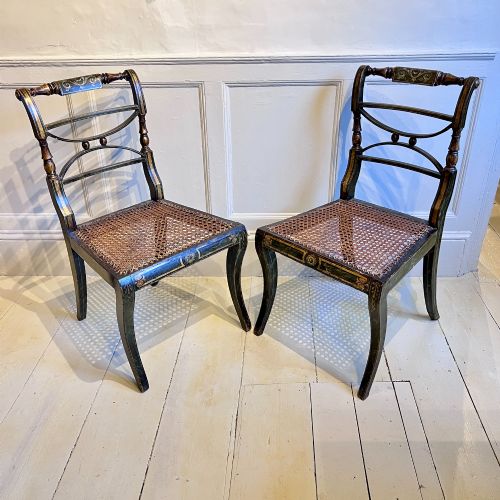
Forms extend from standard solid timber seats to cane-seated side chairs and occasional chairs reflecting varied regional workshops. The construction prioritises architectural presence and durability over cushioned comfort.
Materials and Construction
Cabinetmakers utilised dense hardwoods including mahogany, oak, walnut, and pitch pine to ensure structural rigidity for frequent use in busy hallways. Turnery, mortise and tenon joints, and solid wood panels form the fundamental skeleton of these upright seats.
Surface ornamentation relies on hand carving, painted finishes, and occasional brass inlays or bone details rather than upholstery. Artisans shaped backrests into solid shields, carved shells, or architectural Gothic tracery to project status.
Finishing techniques ranged from clear polishing on figured mahogany to dark staining on oak and decorative paint schemes mimicking exotic woods. Each method protected the timber while highlighting the sculptural silhouette.
Certain nineteenth century hall chairs double as footman's seats, proving that even stern Victorian furniture occasionally multitasked.
Defining Quality
The distinction between standard examples and exceptional pieces rests upon the crispness of the hand carving and the selection of figured timber. Sharp relief work on crests and shields demonstrates superior artisanal skill.
Provenance and attribution elevate certain pieces significantly, particularly items associated with documented workshops. Original surface patination and structural integrity without intrusive modern alterations determine the standing of the timber work.
Gillows of Lancaster·A W N Pugin
The Nineteenth Century Hall Chair Glossary
- Shield Back
- A chair back shaped in the outline of a heraldic shield, frequently found on Regency and Georgian hall seating. This design allows space for painted or carved family crests.
- Gothic Revival
- An architectural and decorative style drawing inspiration from medieval forms, featuring pointed arches, tracery, and heavy carved oak. It reappeared prominently across Victorian seating.
- Sgabello
- A portable wooden Renaissance chair characterised by a narrow seat, solid trestle supports, and a high decorated back. Italian examples rely on carved walnut and flat panel construction.
- Armorial
- Adorned with heraldic coats of arms or family crests, often painted or carved onto the centre of a hall chair back. This detail denoted the lineage of the original owner.
- Cane-Seat
- A seating surface woven from rattan or cane strips, offering a lightweight grid pattern. Regency side chairs frequently employ this technique for decorative contrast.
Nineteenth Century Hall Chair: Frequently Asked Questions
Where were hall chairs placed?
These chairs stood primarily in entrance halls, grand corridors, and vestibules of large houses. They served visitors waiting briefly before admission to private drawing rooms.
Because entrance spaces demanded formal dignity, the seating remained stiff and upright. Comfort was secondary to architectural display and heraldic presentation.
Why do many have wooden seats?
Solid wood construction allowed the chairs to withstand damp outerwear, muddy boots, and heavy daily traffic. Upholstery would quickly degrade in unheated corridors.
Carved or painted timber surfaces required minimal upkeep and displayed the natural grain or family crest effectively.
How do I spot a Regency example?
Regency pieces often feature classical motifs, mahogany or faux rosewood finishes, and sleek lines derived from ancient Greek and Roman furniture. Brass inlay and sabre legs frequently appear.
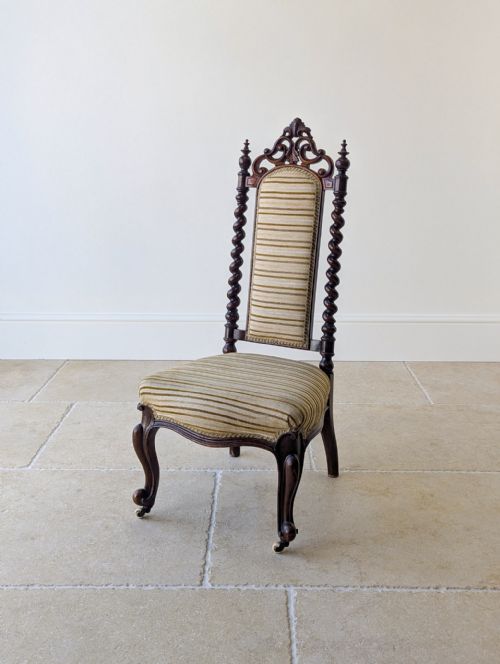
Victorian pieces by contrast tend to display heavier proportions, darker oak timbers, and revivalist Gothic or Baroque ornamentation.
Are pairs common for this seating?
Makers frequently produced these chairs in matched pairs to flank hallway console tables or doorways symmetrically. Single survivors also appear regularly from dispersed dining and hallway sets.
Pairs offer balanced decorative placement in modern interiors while retaining their original architectural function.