






Italian Carved Side Chair
These Italian carved side chair examples bring tangible historical presence into a room through confident timber work.
Italian Carved Side Chair
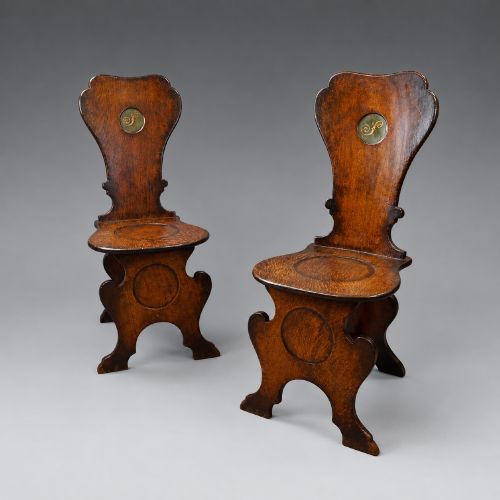
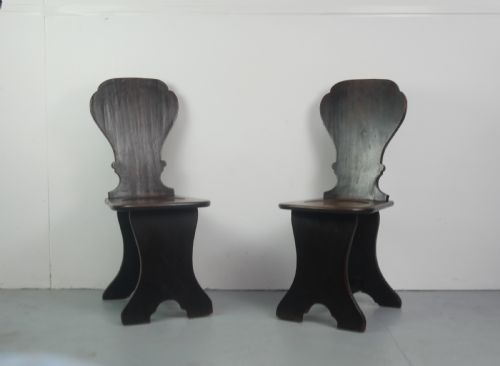
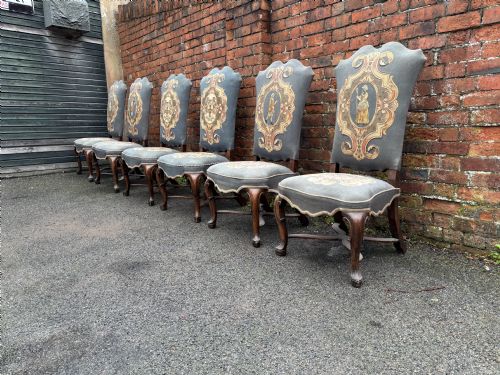
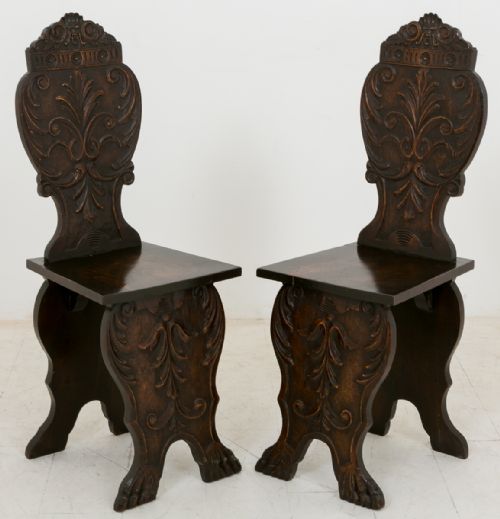
An italian carved side chair covers a range of formal and provincial seating forms recorded across the eighteenth and nineteenth centuries. The selections here include walnut and oak specimens shaped into sgabello forms, gondola designs, and tall-backed hall and dining configurations.
How they were made
Cabinetmakers shaped these frames primarily from solid walnut and oak, supplemented by lime wood and painted timber surfaces. Detail emerged through deep chisel work, gesso preparation, and occasional bone inlay applied directly into the wooden structure.
Upholstery relies on historic textile choices including velvet and various traditional fabrics. Construction methods reflect regional European joinery, joining carved backs and legs with pegged mortise and tenon joints.
Bone inlay whispers secrets from distant workshops.
What varies in quality
Depth and precision of the chisel work dictate the visual distinction between standard production and superior examples. Crisp relief carving on walnut and oak surfaces demonstrates the hand of a skilled artisan rather than routine workshop repetition.
The integrity of the original timber frame and the survival of historic painted finishes or gesso layers determine the long-term character of the piece. Matching sets and pairs naturally command greater cohesion than assembled groups.
The Italian Carved Side Chair Glossary
- Sgabello
- A light wooden chair featuring a distinct box base or trestle supports instead of four legs. This sixteenth-century form saw frequent revival during the nineteenth century.
- Gesso
- A plaster-like mixture applied to wood surfaces to prepare them for gilding or painting. It provides a smooth ground for decorative pigments.
- Renaissance Revival
- A nineteenth-century design movement drawing inspiration from sixteenth-century Italian motifs. It favours heavy carved walnut, bold symmetry, and figural elements.
- Rococo
- An ornate artistic style characterised by asymmetric scrolls, C-curves, and naturalistic plant motifs. It dominated mid-eighteenth-century Italian furniture design.
Italian Carved Side Chair: Frequently Asked Questions
How do I style an antique chair?
These chairs function effectively as standalone accent pieces in hallways or corners where their carving remains visible. Pairing them with a simple contemporary table allows the historic woodwork to stand out.
Ensure the chair sits on an even floor surface, as historic timber feet can be sensitive to uneven stone or heavy foot traffic. Protect delicate fabric or exposed gesso by keeping the piece away from direct sunlight and strong heat sources.
Are these chairs comfortable for daily use?
Most of these forms were designed for formal posture in halls or reception rooms rather than prolonged lounging. Wooden sgabello and hall chairs offer firm upright support suited to occasional seating.
Upholstered variants provide a softer seat but still reflect historical ergonomics that differ from modern armchair standards. Consider adding a subtle, non-damaging cushion if you plan to use them for dining.
How do I date an Italian chair?
Dating relies on examining the tool marks, timber species, and stylistic vocabulary evident in the carving. Eighteenth-century pieces often display hand-sawn board marks and patinated walnut, whereas nineteenth-century revival items may show machine assistance or crisper, heavier relief work.
Comparative analysis with documented regional pieces helps narrow down the origin between Venetian, baroque, or country workshops. Fabric and upholstery tack styles also offer clues, though these are frequently renewed over centuries of use.
What maintenance do antique wooden chairs need?
Maintain the timber by dusting regularly with a dry, soft cloth to prevent particulate buildup in the carved recesses. Avoid standard silicone polishes, which can degrade historic wax and oil finishes over time.
Feed dry walnut or oak surfaces occasionally with a quality microcrystalline wax to preserve the sheen of the grain. Keep indoor humidity stable to prevent timber splitting or movement in the joints.