


Antique Iron Display
An antique iron display brings utilitarian strength and structural elegance into domestic spaces, holding everything from porcelain chargers to shop merchandise.
Antique Iron Display
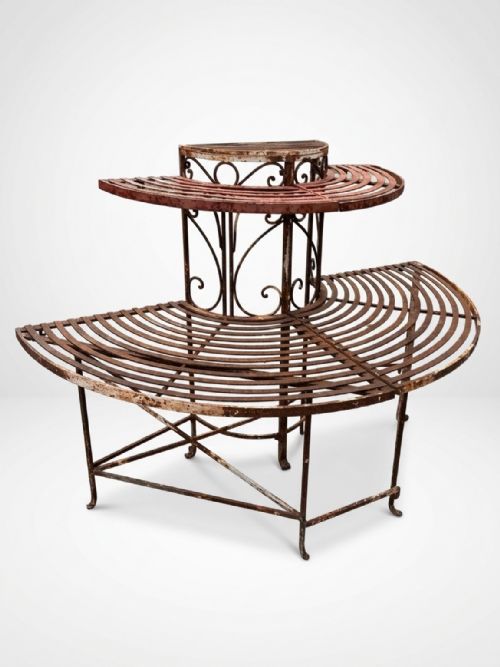
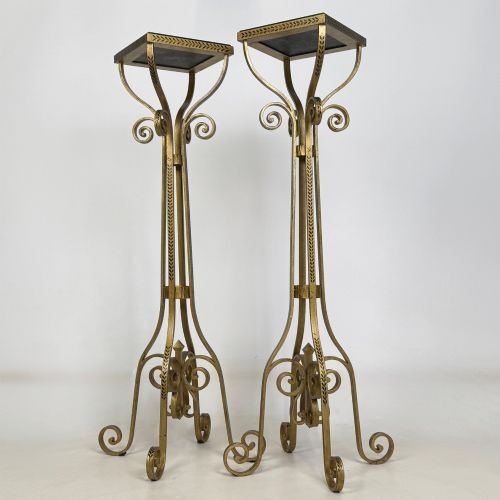
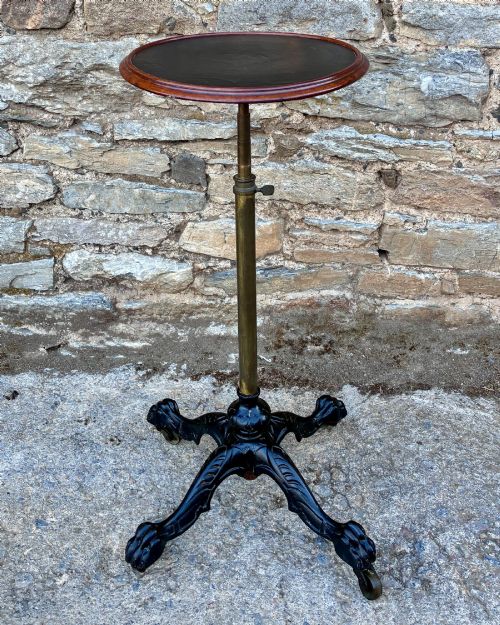
When you search for an antique iron display, you encounter a varied selection of structural metalwork designed to hold, organise, or exhibit objects. These pieces range from robust bakers racks and plant stands to specialised shop fittings like cotton reel display trees and hardware sample boards.
The objects stem predominantly from the nineteenth and early twentieth centuries, capturing periods where industrial output merged with decorative utility. Parisian bakers racks, adjustable display tables, and console tables represent the most functional expressions of this metalwork.
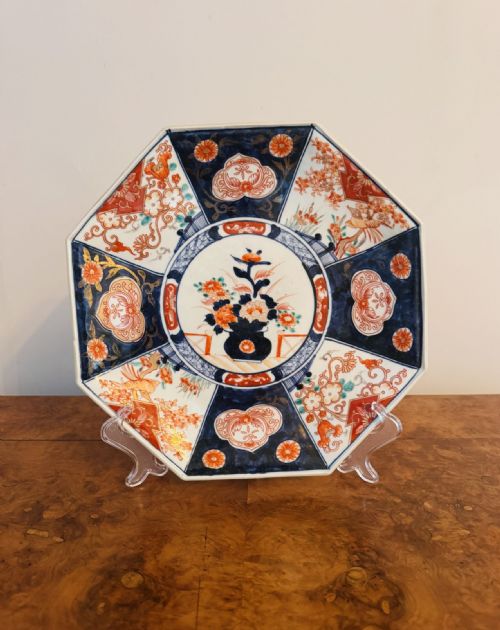
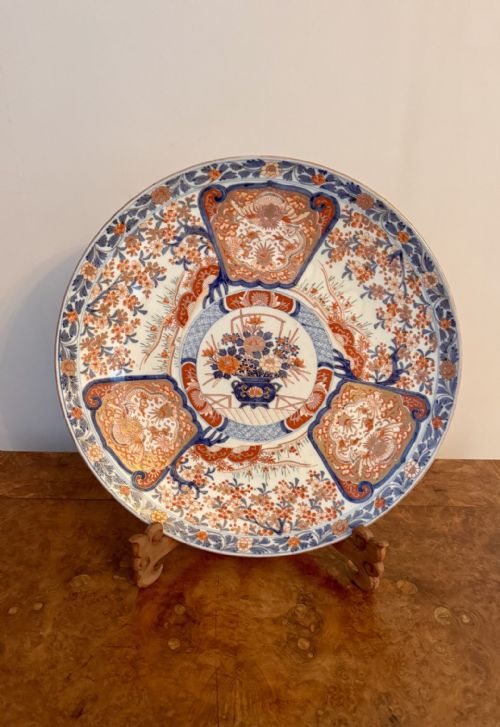
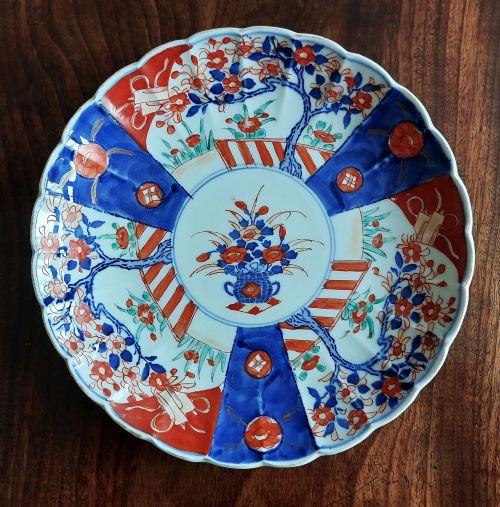
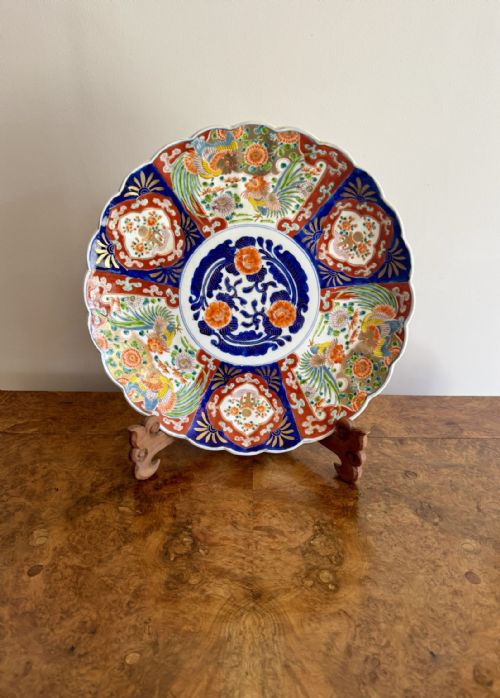
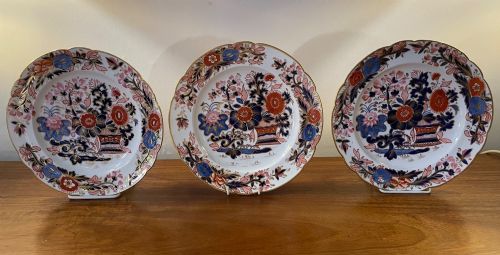
Alongside purely metallic stands, the category incorporates items where iron structures support porcelain, enamel, or marble components. Japanese Imari plates, chargers, and vases frequently appear mounted or paired with these structural displays.
How they were made
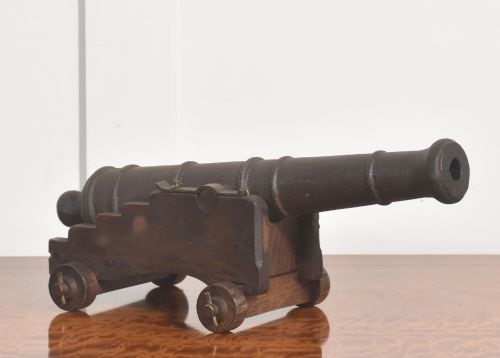
Makers utilised both cast iron and wrought iron depending on the structural demands of the object. Cast iron allowed for ornate, moulded details seen in garden planters and signal cannon carriages, while wrought iron provided the tensile strength needed for large bakers racks and slender stands.
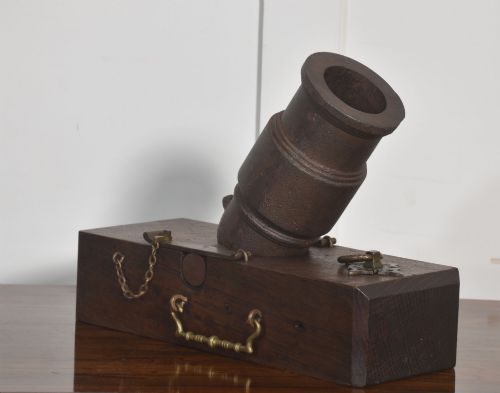
Surfaces often received protective or decorative coatings, including enamel and applied paint, alongside structural additions of brass, steel, and gold leaf. Wooden elements like oak carriages and marble tops were frequently integrated into iron frames to complete domestic or commercial items.
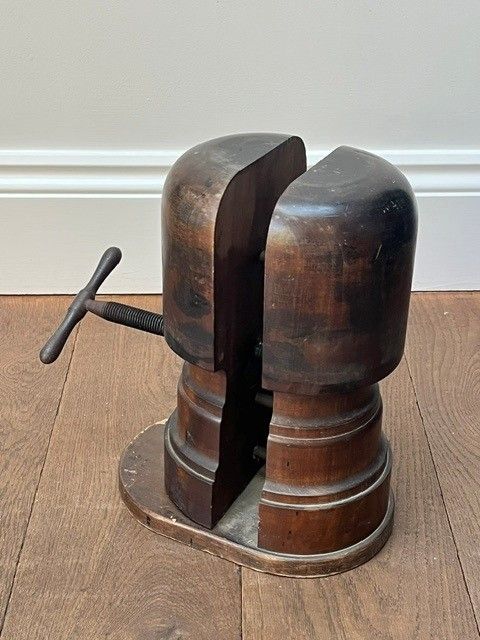
Milliners once stretched felt across wooden hat sizers supported by iron frames to craft the perfect brim.
What varies in quality
The distinction between ordinary utility items and superior examples lies in the refinement of the metalwork and the integrity of the maker's hand. Pieces bearing stamps from known workshops or exhibiting complex forged scrollwork demonstrate a higher standard of craftsmanship.
Proportion and structural balance separate exceptional display pieces from standard workshop output. Original components, such as intact marble tops and matching tiers, dictate the overall integrity of the piece.
Dubois of Lyon·Gerwin and Co Birmingham
The Antique Iron Display Glossary
- Baker's Rack
- A tall, multi-tiered metal shelving unit originally utilised in commercial kitchens for cooling baked goods. These large structures are now repurposed for home display.
- Cast Iron
- Iron poured into a mould while molten to create rigid forms with detailed decorative patterns. It is heavier and more brittle than wrought iron.
- Wrought Iron
- Iron heated and hammered into shape by hand, resulting in a fibrous structure with high tensile strength. This material bends rather than snaps under heavy loads.
- Imari
- A style of Japanese porcelain featuring deep cobalt blue and iron-red designs, frequently displayed upon or paired with metal stands in nineteenth-century interiors.
- Plant Stand
- A raised table or tiered structure designed to elevate flora, constructed from iron to support heavy pots and damp environments.
Antique Iron Display: Frequently Asked Questions
How do I style a bakers rack?
Bakers racks offer substantial vertical storage suitable for books, ceramics, and trailing plants in living areas or kitchens. Their open iron frames keep rooms feeling spacious while providing sturdy support for heavy collections.
Ensure the piece sits level on the floor and balance heavier items on the lower tiers to maintain structural stability. Pairing the industrial ironwork with softer textures like textiles or ceramics softens the overall appearance.
Were plant stands meant for outdoors?
Nineteenth-century plant stands served both conservatory and interior parlour roles, manufactured from weather-resistant metals. Their tiered designs allowed multiple pots to catch maximum sunlight.
Examine the metal finish to determine whether a piece suits modern outdoor placement or requires indoor protection. Wrought iron variants handle covered porch environments well if kept dry.
What is a shop display tree?
Shop display trees are vertical retail fixtures fitted with multiple tiers or arms to merchandise small wares. Cotton reel trees, for instance, held sewing supplies neatly for customer selection.
In modern settings, these compact iron structures function effectively for jewellery or accessory organisation. Their swivel or multi-tiered formats provide high visibility without occupying large surface areas.
How do I date an iron stand?
Dating relies on observing manufacturing marks, assembly methods, and stylistic cues from the Victorian and Edwardian eras. Cast components often display registry marks or foundry stamps that narrow down the production decade.
Hand-forged elements point towards earlier nineteenth-century production, whereas machine-rolled sections and welded joints suggest twentieth-century fabrication. Comparing the patina and fastener types aids in confirming the period.