

Vintage Kitchen Rack
These vintage kitchen rack pieces span utilitarian iron pot stands and timber dressers built to hold domestic pottery.
Vintage Kitchen Rack
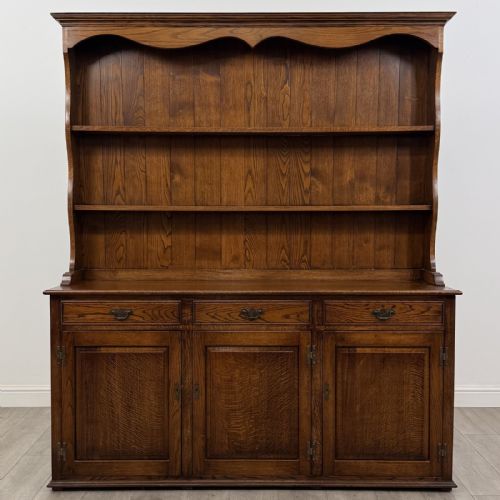
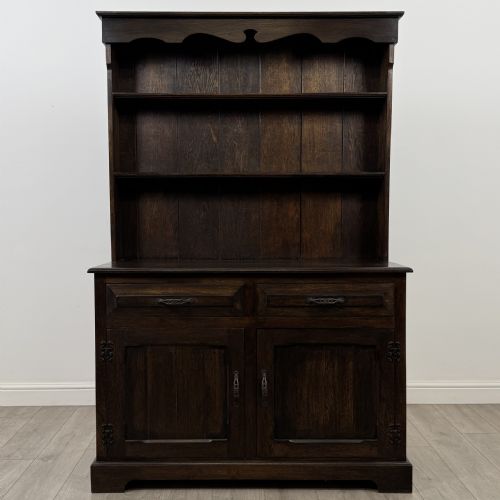
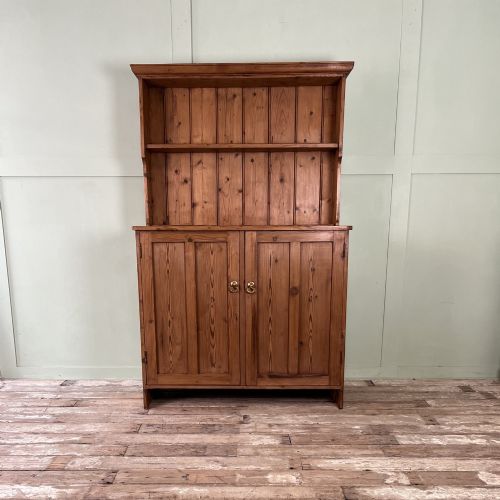
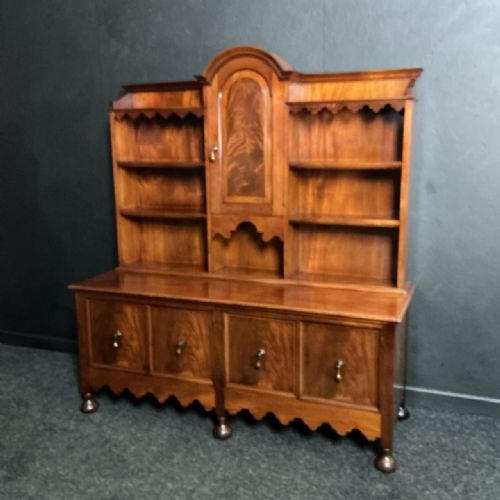
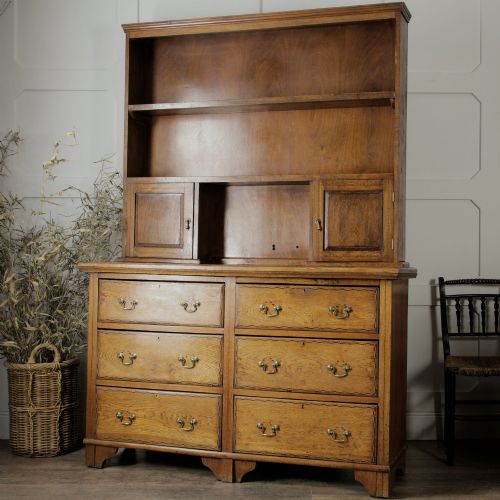
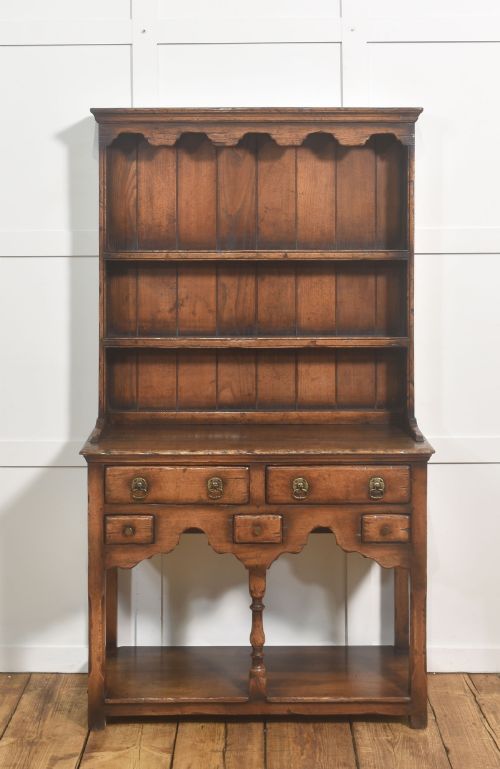
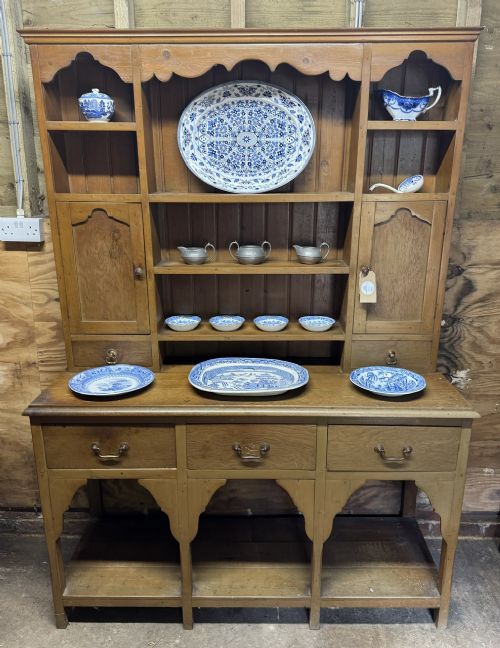
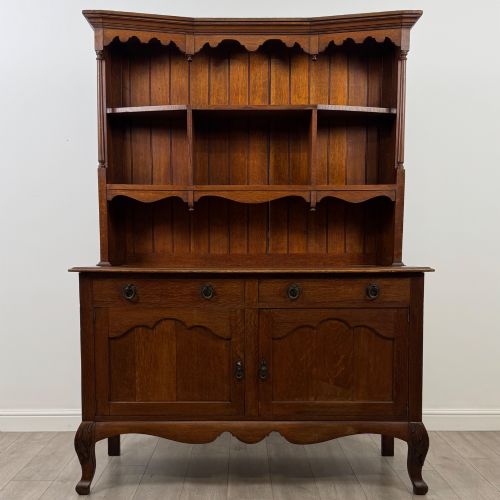
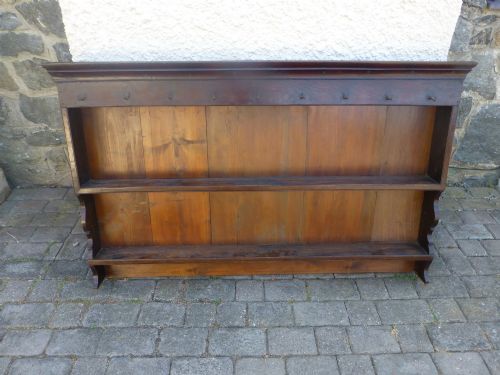
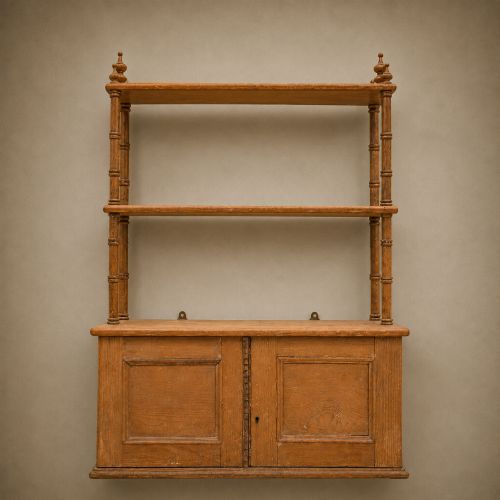
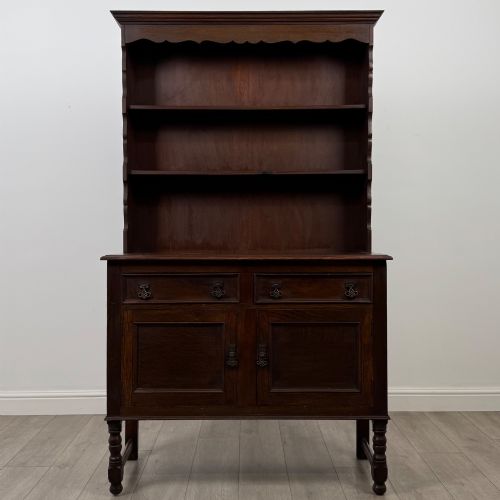
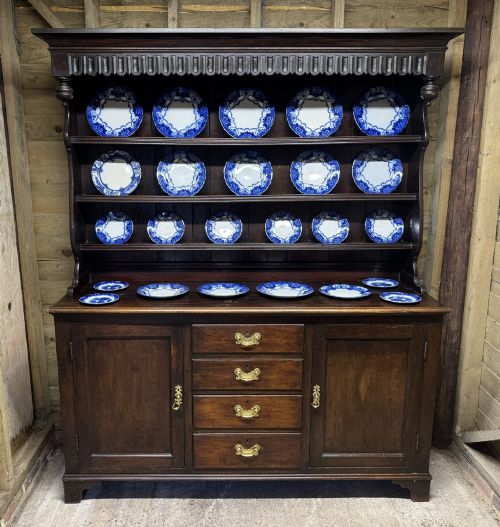
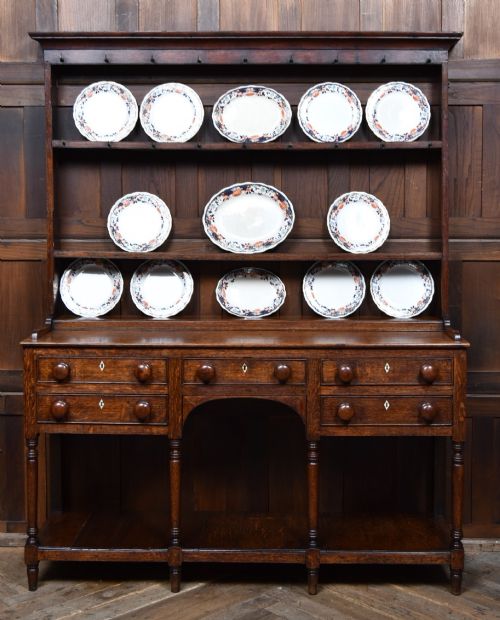
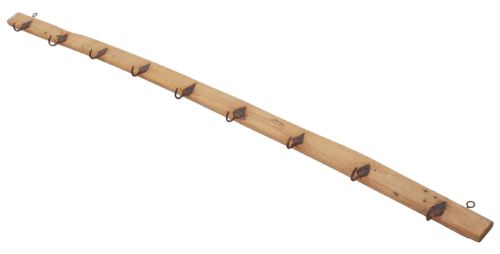
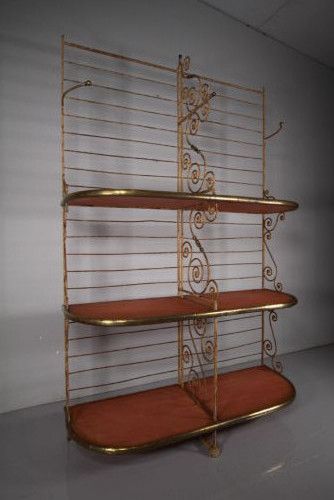
A vintage kitchen rack serves as a practical storage fixture for culinary spaces, encompassing wall-mounted plate racks, open dressers, and tiered pan stands. Buyers searching for a vintage kitchen rack will encounter diverse forms ranging from large oak Welsh dressers with integrated shelving to free-standing iron baker racks and wall shelves.
The objects originate from multiple historical eras, with examples spanning the eighteenth century through the Edwardian period and the early twentieth century. Regional variations such as English Country, French Industrial, and Welsh Vernacular styles shape the appearance of these utilitarian furnishings.
Materials and construction
Timbers such as oak, pine, and mahogany form the primary structure for wooden dressers and plate racks, often finished with original painted surfaces or polished patinas. Metal examples utilise wrought iron, brass, steel, and general metalware to create durable pot stands and baker racks.
Joinery methods reflect traditional cabinet-making and blacksmithing techniques appropriate to each period, from eighteenth-century oak construction to nineteenth-century iron fabrication.
Design styles represented include English Country, Welsh Vernacular, French Industrial, and Georgian Country.
Evaluating quality and authenticity
Quality rests in the integrity of the original materials and the preservation of authentic surface patinas rather than uniform perfection. Pieces retaining their early fixings, structural timber, and honest signs of domestic use command greater regard among collectors.
The refinement of the proportions and the harmony between the rack and its base dresser distinguish finer vernacular furniture from standard utilitarian storage.
Dubois of Lyon
The Vintage Kitchen Rack Glossary
- Plate Rack
- A wall-mounted or dresser-integrated shelving unit designed specifically to display and drain plates upright. These fixtures feature wooden slats or rungs to secure ceramic tableware safely.
- Pot Board
- The lower open shelf on a dresser, traditionally used for storing heavy pots and pans. This platform sits near the floor and is supported by the main stiles of the base.
- Delft Dresser
- A kitchen storage unit featuring open upper shelves intended for displaying delftware and ceramic plates. The term often describes eighteenth-century vernacular oak furniture from English and Welsh regions.
- Baker's Rack
- A tall metal or iron shelving unit originally utilised in commercial kitchens for cooling bread and pastries. These industrial pieces feature open wire or slatted tiers.
- Patina
- The surface sheen and colour developed on wood and metal through decades of handling, polishing, and exposure to light. A genuine patina indicates age and continuous domestic use.
Vintage Kitchen Rack: Frequently Asked Questions
How do I date a wooden dresser rack?
Dating relies upon examining the timber species, construction joinery, and nail types used in the assembly. Eighteenth-century examples typically display hand-cut elements and distinct oak grain, whereas later nineteenth-century pieces utilise machine-sawn components.
Surface finishes also provide clues, as original patinas and early painted layers differ significantly from modern coatings applied during later restorations.
What is the difference between a Welsh dresser and a standard plate rack?
A Welsh dresser combines a lower base cabinet with drawers or cupboards and an upper shelving superstructure for display. A plate rack consists solely of the upper shelving component, designed to hang on a wall or sit atop an existing surface.
Both forms served central roles in historic kitchens for storing and exhibiting everyday ceramic tableware.
Can iron pan stands support heavy modern cookware?
Nineteenth-century wrought iron and metal pot stands were engineered to bear heavy copper and cast iron kitchenware. Their robust construction makes them fully capable of supporting modern culinary equipment.
Care should be taken to verify floor stability and weight distribution when loading multiple tiers with heavy pots.
How should I care for an antique oak kitchen rack?
Maintenance requires keeping wooden surfaces away from direct heat sources and excessive moisture to prevent timber splitting. Gentle dusting with a dry cloth preserves the historic wax polish and accumulated patina.
Occasional application of traditional beeswax helps nourish dry timber without altering the historic finish.