


Rustic Wall Mounted Rack
A rustic wall mounted rack brings practical wall storage and honest period character into any hallway or kitchen.
Rustic Wall Mounted Rack
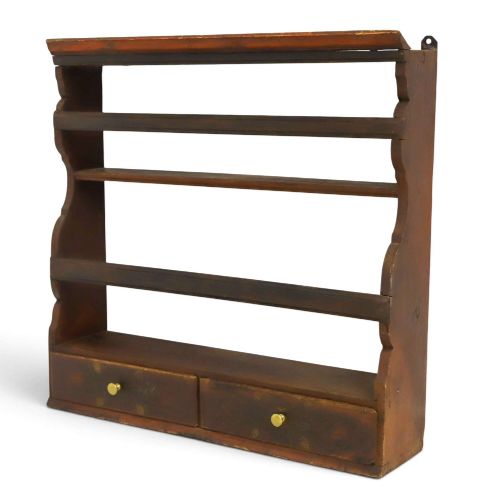
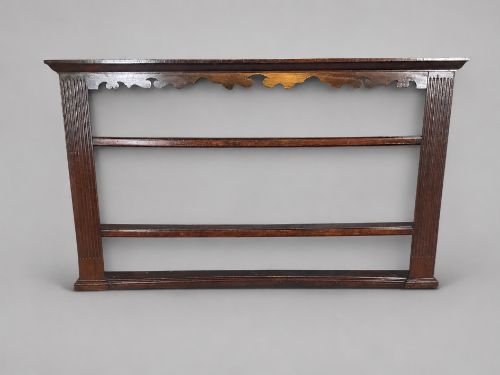
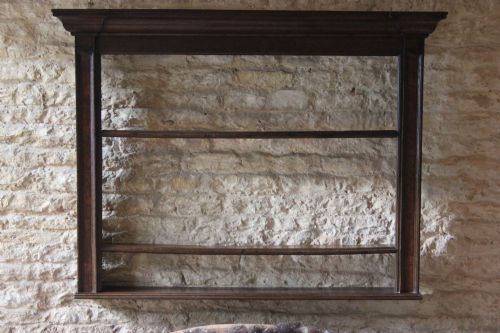
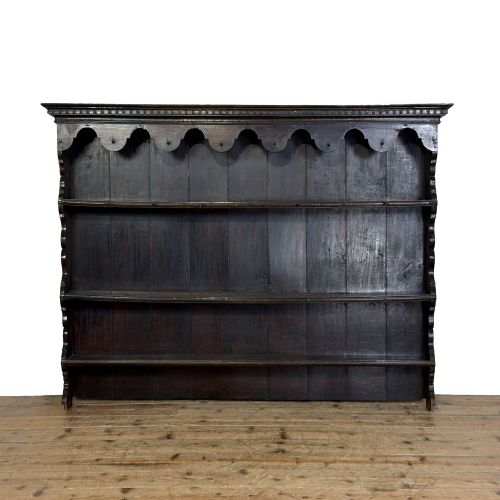
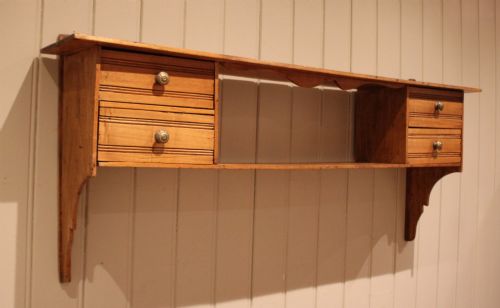
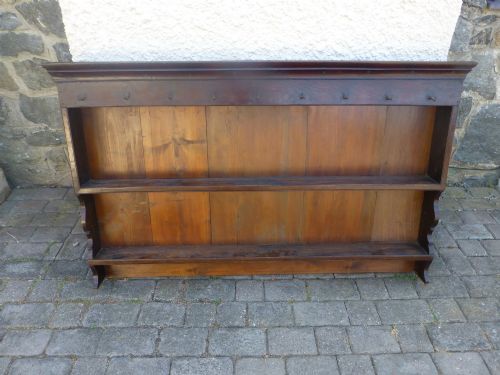
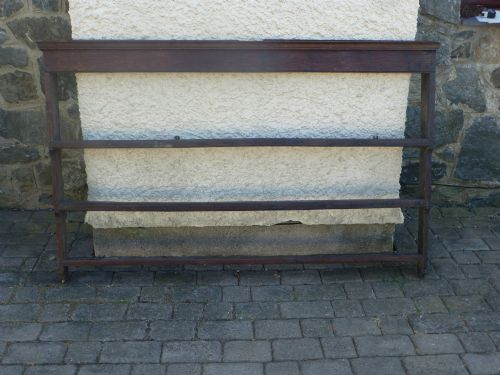
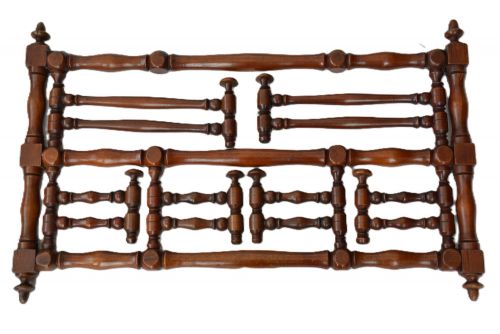
When searching for a rustic wall mounted rack, a buyer encounters a diverse group of functional wall fixtures designed for hanging garments, displaying plates, or holding everyday items. The most common forms appearing here are oak dressers and plate racks dating from the eighteenth century alongside nineteenth century coat hooks and wall shelves.
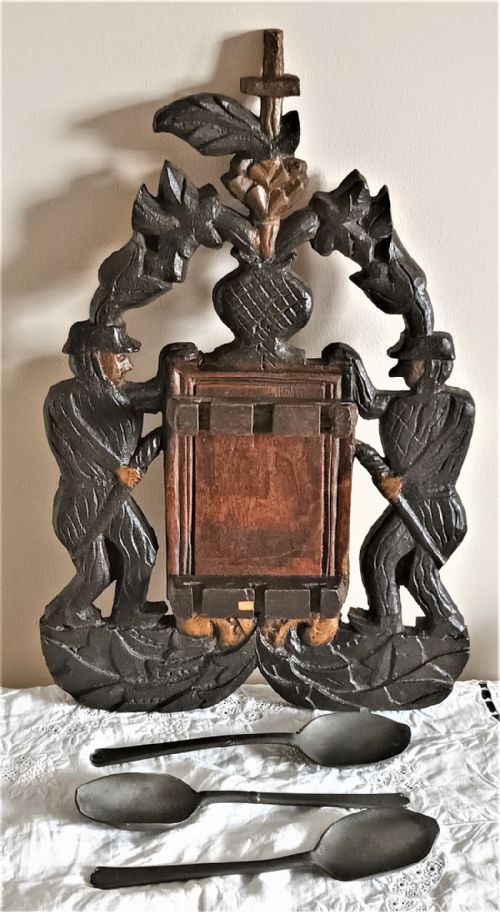
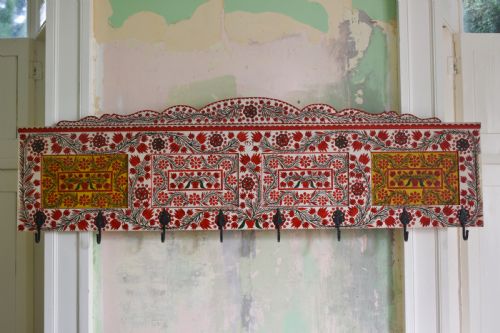
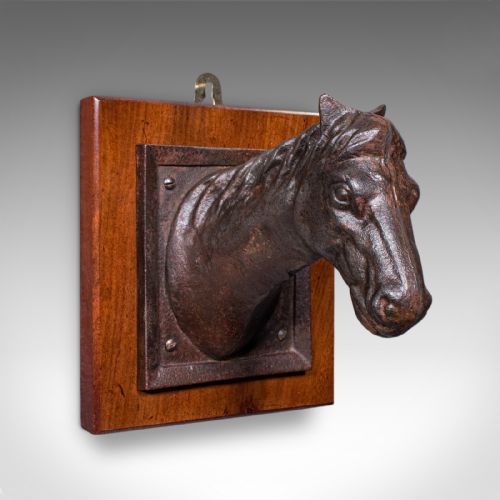
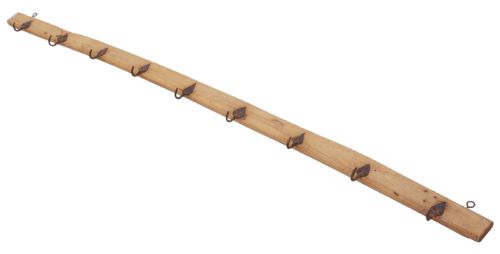
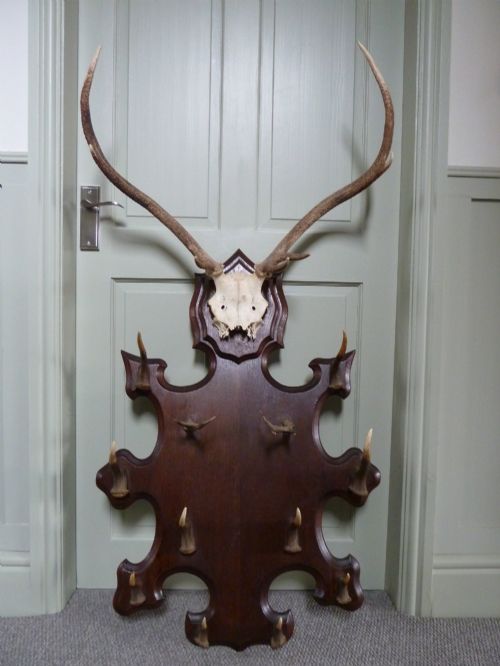
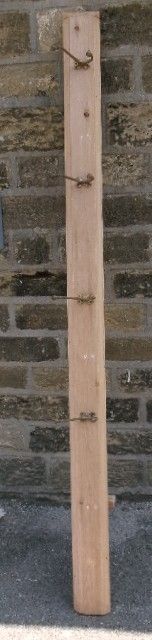
These pieces originate from various domestic settings, ranging from English country houses and Victorian kitchens to continental workshops. Forms span from simple pine backboards fitted with brass hooks to elaborately carved Black Forest taxidermy mounts and Hungarian painted pine boards.
The utility of these items remains direct, offering sturdy wall hanging solutions that have survived from the Georgian, Victorian, and Edwardian eras. Buyers select them to bring genuine period utility and timber warmth into contemporary interiors.
Materials and Construction
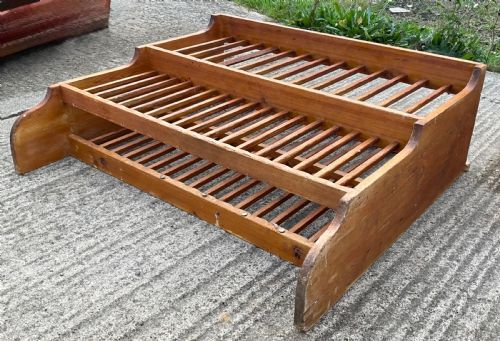
Construction relies heavily on solid timbers, with oak and pine forming the primary structure of shelves, plate racks, and backboards. Woodworkers shaped these domestic woods using hand tools, frequently leaving visible grain and surface markings that define the rustic aesthetic.
Metal components such as iron, wrought iron, cast iron, and brass provide structural strength and hanging capacity through hooks, hinges, and brackets. These metallic elements are often forged or cast simply, fastened securely to timber backplates to bear the weight of garments, kitchenware, or tack.
Rustic Wall Mounted Rack Retail Price Guide 2026
Typical asking prices for rustic wall mounted rack among the pieces listed under this phrase on Sellingantiques today, from the lower quarter to the upper quarter. They describe what is for sale here now, not the wider market.
Listings feature solid oak, pine, and painted wood items paired with brass, iron, and wrought iron hardware across the eighteenth, nineteenth, and early twentieth centuries.
Evaluating Quality
Quality in these wall fixtures rests upon the integrity of the timber and the originality of the structural components. Pieces retaining their original surface patination, fixings, and uncompromised joinery stand apart from those altered or heavily restored over time.
The sophistication of decorative detail also distinguishes examples, moving from utilitarian kitchen game hook racks to finely carved Black Forest animal heads and painted provincial coat boards. The balance between practical function and decorative carving determines the standing of each piece within its period.
The Rustic Wall Mounted Rack Glossary
- Delft rack
- A wall-mounted wooden shelving unit specifically constructed to display ceramic plates and platters upright. These fixtures typically feature narrow plate grooves and plate retention rails.
- Black Forest
- A nineteenth century carving style originating from the wooded mountain region of Central Europe. Pieces in this category often incorporate realistic animal forms and natural foliage.
- Tack
- Equipment associated with horses and riding, such as straps and harnesses. Mounted versions serve as equestrian-themed wall hooks for garments.
- Backboard
- The flat wooden plank or board that acts as the structural spine for mounted hooks or shelves. It distributes weight across wall fixing points.
Rustic Wall Mounted Rack: Frequently Asked Questions
How do I hang a heavy oak rack safely?
Secure the backboard directly into wall studs or utilise appropriate masonry fixings depending on your wall type. Heavy oak and iron pieces require robust support to bear the weight of hanging garments or plate collections.
Check the spacing of existing mounting holes or brackets before installation to ensure the load distributes evenly across the board.
What is the difference between a plate rack and a coat rack?
Plate racks feature narrow horizontal shelves and grooves designed to display ceramic plates upright against a wall. Coat racks rely primarily on protruding iron, brass, or wooden hooks for hanging garments and hats.
Both serve wall-mounted organisational roles but cater to entirely different domestic functions within historic homes.
How do I care for antique painted wood?
Dust the surface gently with a dry, soft cloth to prevent dirt accumulation without disturbing the historic finish. Avoid harsh chemical cleaners and excessive moisture that might damage original paint layers.
Keep wooden wall pieces away from direct heat sources and strong sunlight to protect the timber and pigments from fading or splitting.
Are taxidermy racks suitable for modern hallways?
Taxidermy mounts and horn hooks bring strong natural textures and historical presence to contemporary entrance spaces. They function reliably as sturdy hanging points for coats and hats while acting as striking wall art.
Ensure the wall space allows the piece enough room to be viewed fully without crowding surrounding furnishings.