

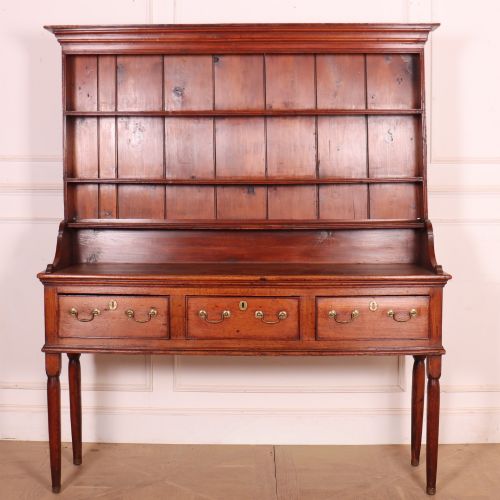
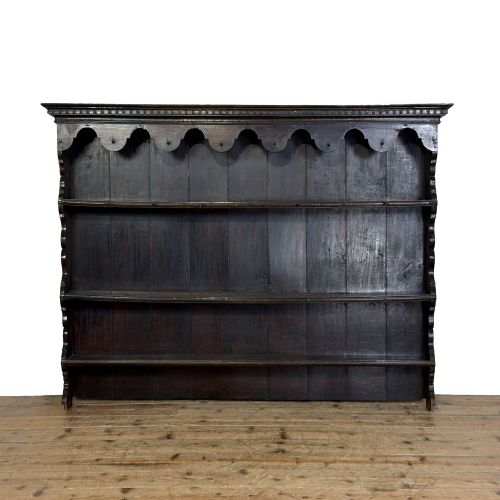
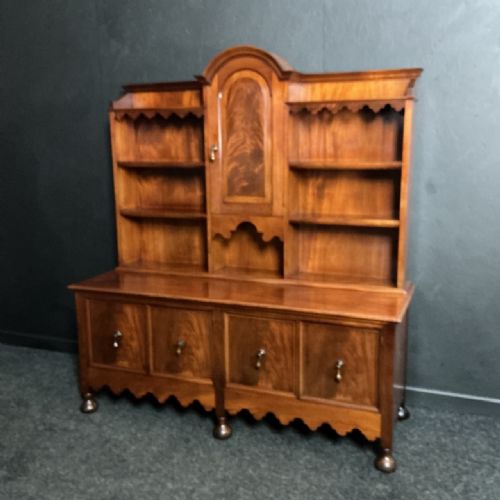
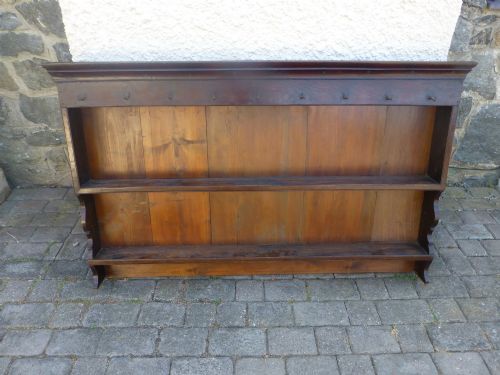


Traditional Plate Display Shelf
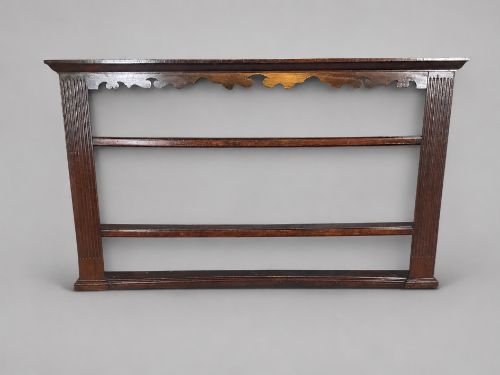
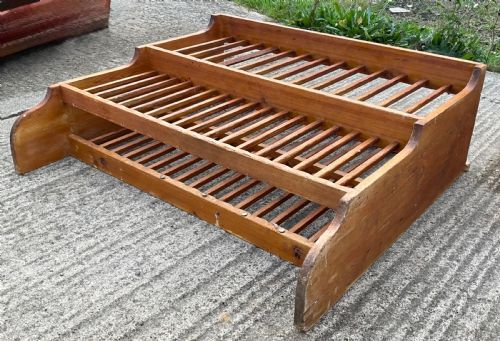
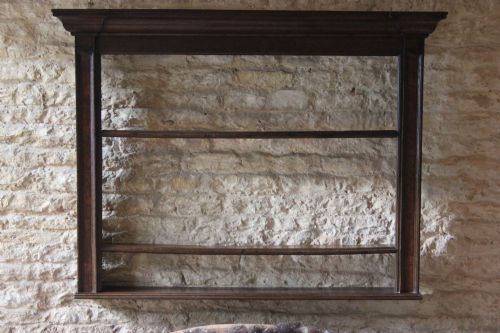
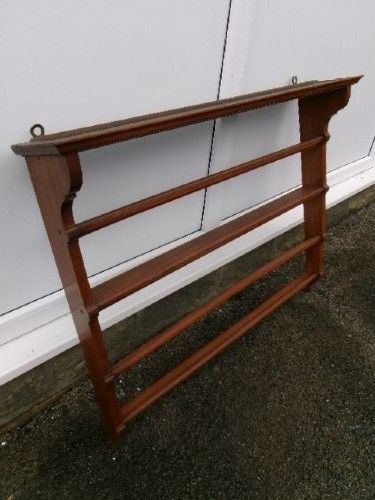
A traditional plate display shelf holds plates upright and secure against a wall, bringing functional country storage and timber character to a room.
Traditional Plate Display Shelf
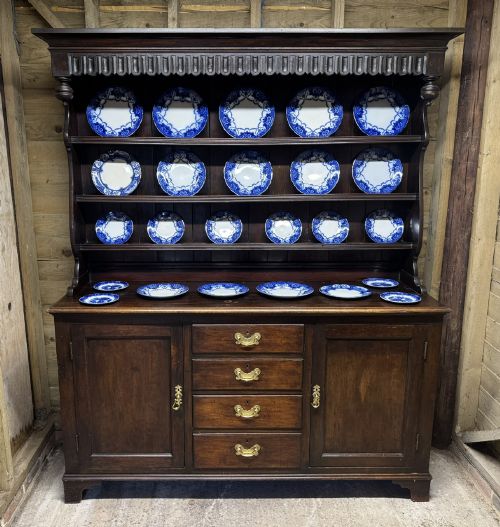
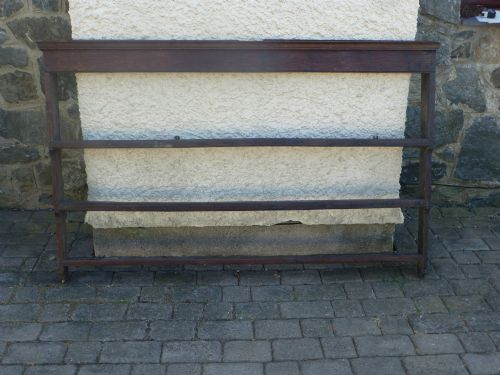
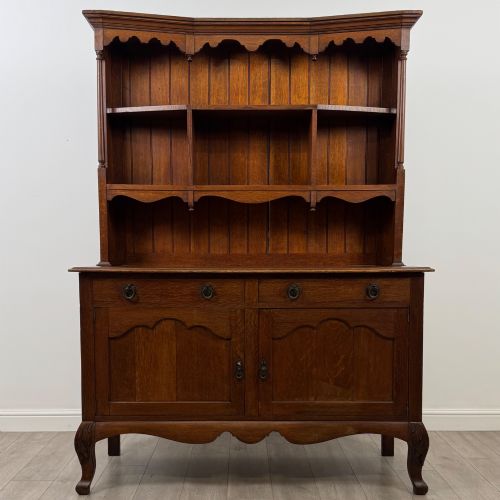
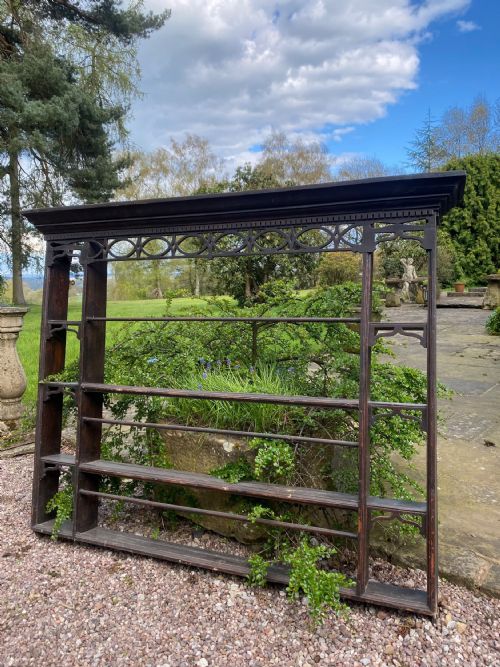
A traditional plate display shelf serves to exhibit ceramics while keeping them accessible in kitchens, dining rooms and hallways. These pieces range from wall-hanging plate racks to full two-part Welsh dressers incorporating open shelving above base cupboards.
The selections on this page span the eighteenth century, the nineteenth century, the Edwardian era and the nineteen-tens, reflecting longstanding domestic habits. Oak and mahogany dominate the timber record, accompanied by pine, cherry wood and iron fittings.
Makers and craftsmen built these items in regional styles such as Georgian, English Country, Welsh Country, Jacobean Revival and Gothic Revival. Wall shelves and hanging racks represent the more compact options, whereas dressers provide substantial storage.
How they were made
Cabinet makers utilised solid woods like oak and mahogany, along with pine for secondary carcass parts and cherry wood for specific hanging shelves. Boards were joined to support the weight of heavy ceramic plates without sagging over decades of use.
Surfaces received treatments ranging from plain polished mahogany and flame mahogany to stained oak and marquetry detailing. Metal elements such as brass and iron appear in structural brackets, hooks and hinges.
Traditional Plate Display Shelf Retail Price Guide 2026
Typical asking prices for traditional plate display shelf among the pieces listed under this phrase on Sellingantiques today, from the lower quarter to the upper quarter. They describe what is for sale here now, not the wider market.
Early Welsh dressers were often built in two separate parts so they could survive the journey through low cottage doors.
What varies in quality
Quality rests in the choice of timber figure, such as flame mahogany or well-grained oak, and the restraint or ambition of decorative elements like marquetry. Finer examples show thoughtful proportions between the display tiers and the supporting backboards.
Construction methods distinguish robust regional pieces from ordinary utility items, visible in the snugness of joints and the retention of original hanging points. The presence of period brass or iron hardware also elevates a piece.
The Traditional Plate Display Shelf Glossary
- Delft rack
- A wall-mounted or dresser-top shelf specifically designed with narrow ledges and retaining rails to display delftware and ceramic plates upright.
- Welsh dresser
- A large kitchen or dining piece combining an open plate rack top with a base of drawers and cupboards for domestic storage.
- Marquetry
- Decorative inlay work using various coloured woods to create patterns on the flat surfaces of the furniture carcass.
- Flame mahogany
- A veneer cut from the branch junction of a mahogany tree, producing a distinctive flickering flame pattern.
- Two-part dresser
- A piece constructed in separate upper rack and lower base sections for easier transport and installation.
Traditional Plate Display Shelf: Frequently Asked Questions
How do I hang a heavy oak wall rack?
Heavy oak wall racks require secure fixing directly into wall studs or masonry using appropriate heavy-duty brackets to bear the combined weight of timber and ceramics.
Ensure the wall fixings match the vintage hanging points on the back of the shelf to maintain structural stability.
What is the difference between a delft rack and a dresser?
A delft rack is strictly the upper shelving unit designed to display plates, which can hang on a wall independently.
A dresser includes both this upper display rack and a lower storage base featuring cupboards and drawers.
How do I clean antique wood shelves?
Dust antique wood shelves gently with a dry, soft cloth to remove everyday particles without disturbing the polished surface.
Avoid chemical sprays and excess moisture, applying traditional beeswax occasionally to nourish the timber.
Can these shelves support heavy ceramic plates?
Traditional plate racks were engineered precisely to hold heavy earthenware, stoneware and porcelain plates securely upright against the backboard.
The horizontal grooves and retaining lips prevent plates from sliding forward during daily use.