




Antique Irish Tableware
Antique irish tableware brings solid silver and cut glass from Georgian Dublin straight to the dining table.
Antique Irish Tableware
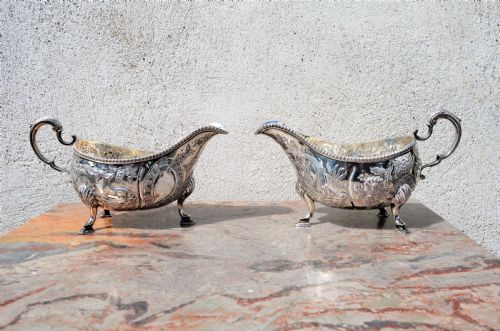
When you search for antique irish tableware, you encounter pieces designed for grand dining and formal tea service across the eighteenth and nineteenth centuries. The objects recorded here range from substantial soup ladles and serving spoons down to delicate salt cellars, cream jugs, and sugar baskets.
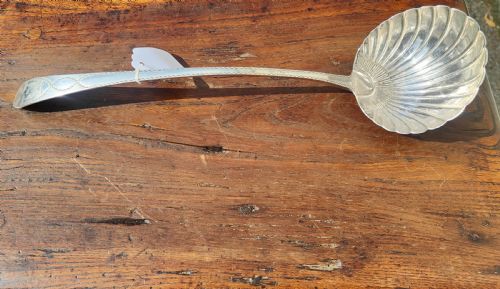
You are most likely to meet Georgian silver items, including basting spoons and punch ladles bearing the distinct hallmarks of Dublin silversmiths. Alongside silver, the selection includes heavy cut glass and lead crystal salts paired with fitted saucers from the early nineteenth century.
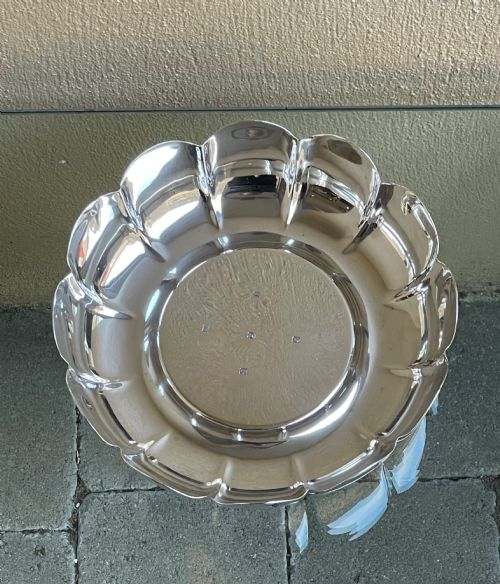
The forms span utilitarian serving utensils and decorative table centerpieces such as dish rings and strawberry dishes. These items reflect the high standards of domestic silver production and glass cutting in Ireland during the Georgian and later periods.
Materials and construction
The metalwork relies primarily on solid sterling silver, fashioned into hollowware and flatware using traditional smithing techniques such as raising, casting, and hand-beating. Silversmiths applied crisp chasing and piercing to create decorative sugar baskets and dish rings, while handles and spouts were soldered with precision.
Glass pieces utilise heavy lead crystal and cobalt blue glass, shaped by blowing and finished with deep hand-cut facets. The combination of brilliant cut glass salts and polished sterling silver mounts demonstrates the technical skill applied to Irish dining accessories.
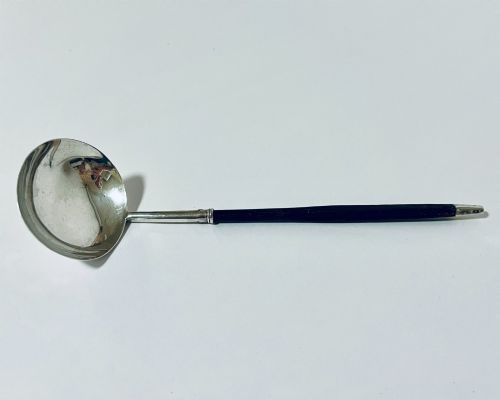
Early punch ladles occasionally utilised flexible whalebone handles to prevent heat transfer from boiling spirits.
Assessing quality in the collection
Quality in these items rests on the crispness of the Dublin hallmarks, the weight of the sterling silver, and the depth of the hand-cut facets on the crystal. Stronger examples retain sharp original engraving, clear crests, and well-balanced proportions without thinning to the metal from excessive polishing.
The distinction between standard production and superior craftsmanship lies in the intricacy of pierced work on baskets and dish rings, alongside the overall clarity of the glass. Pieces that preserve their matching fitted saucers or retain heavy gauge metal command greater presence on the dining table.
Michael Smith
The Antique Irish Tableware Glossary
- Dish ring
- A spool-shaped silver or metal stand placed on the dining table to protect surfaces under hot bowls. These items are often referred to as potato rings.
- Cut glass
- Glassware decorated by grinding facets and patterns into the surface with a wheel. This technique creates high refraction and weight in salt cellars and table accessories.
- Punch ladle
- A long-handled spoon designed for serving punch from a large bowl. Examples from the eighteenth century often feature twisted whalebone handles or detailed silver stems.
- Basting spoon
- A large serving spoon used during food preparation and service at the table. These substantial silver utensils often feature engraved family crests on the terminal.
Antique Irish Tableware: Frequently Asked Questions
What is a dish ring used for?
A dish ring serves as an ornamental stand placed on the dining table to support hot bowls and dishes. In traditional settings, it held wooden or ceramic bowls safely above the polished timber.
These pieces are heavily pierced and chased with pastoral or mythological scenes. They remain decorative centerpieces for modern dining rooms.
How do I identify Dublin silver?
Dublin silver carries specific hallmarks stamped by the local assay office, including the crowned harp and the figure of Hibernia. These symbols guarantee the sterling standard of the metal.
Date letters and maker marks accompany these stamps to pinpoint the exact year of production. Examining the underside or rim usually reveals these official marks.
Are cut glass salts heavy?
Genuine cut glass and lead crystal salts from the early nineteenth century possess a notable heft in the hand. The deep hand-cut facets contribute to their substantial weight and brilliant light refraction.
They frequently appear with fitted glass saucers designed to catch any moisture. This combination adds stability and elegance to the table setting.
How should I clean silver tableware?
Solid silver tableware requires gentle cleaning with a specialised silver cloth and warm soapy water to remove tarnish. Avoid abrasive dips that strip the natural patina accumulated over centuries.
Regular handling and careful storage prevent heavy tarnish buildup. Keeping pieces dry protects delicate soldered joints and engraved crests.