


Dublin Silver Flatware
Dublin silver flatware brings the distinct weight and craftsmanship of eighteenth and nineteenth century Irish silversmithing straight to the dining table.
Dublin Silver Flatware
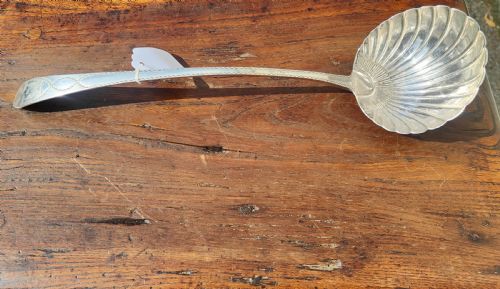
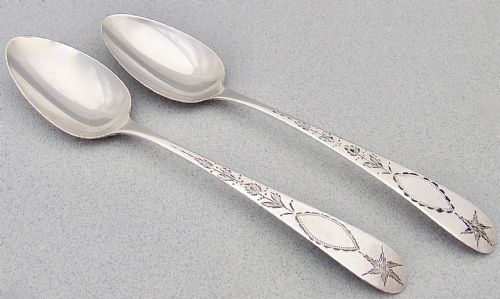
Dublin silver flatware comprises functional serving and dining pieces created in Ireland, spanning the eighteenth century, nineteenth century, and the Georgian period. Buyers encounter forms ranging from simple spoons and forks to specialised items like marrow scoops, caddy spoons, and soup ladles.
The objects seen here reflect domestic dining traditions of their era, often housed in fitted cases lined with velvet and silk. These utensils demonstrate the traditional styles and patterns characteristic of Irish provincial and capital workshops.
Materials and construction
These pieces are fashioned from sterling silver, hammered and shaped into practical cutlery and serving utensils. Makers utilised traditional techniques to form durable handles, bowls, and tines capable of enduring regular use.
Detailing on handles often includes engraved crests and specific regional motifs such as the Celtic point pattern. Storage presentation involved protective cases utilising velvet and silk linings to safeguard the polished silver surfaces.
Current listings feature items exclusively in sterling silver, spanning the eighteenth and nineteenth centuries with a strong emphasis on the Georgian period.
Assessing quality and distinction
Quality rests upon the crispness of the original hallmarks, the retention of clear maker marks, and the proportional balance of the silver. Pieces that retain sharp engraved crests and unthinned bowls sit at the higher end of the range.
The integrity of specialised forms, such as marrow scoops and basting spoons, depends on minimal wear to the working edges and overall structural rigidity. Complete pairs and original fitted presentation cases also elevate the standing of the items.
John Pittar·Edward Power·John Locker·Michael Smith
The Dublin Silver Flatware Glossary
- Sterling silver
- A silver alloy containing 92.5 percent pure silver and 7.5 percent other metals, typically copper, chosen for durability in flatware. This standard material forms the basis of all items in this category.
- Marrow scoop
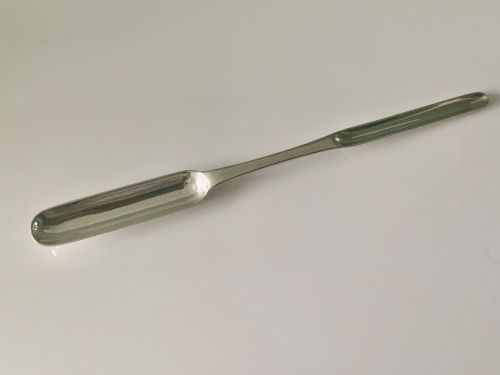
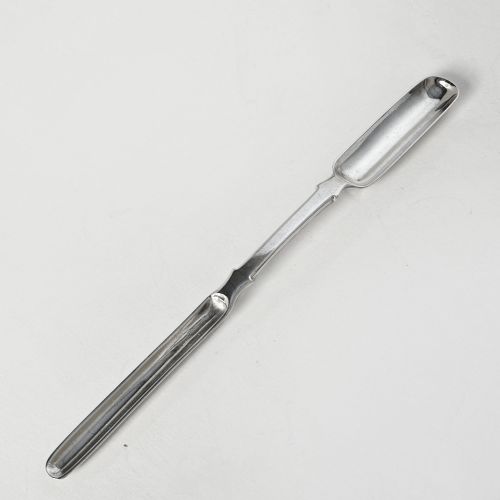
- A long, narrow utensil featuring small troughs at each end, designed for extracting bone marrow from joints. Examples from the nineteenth century demonstrate specialised dining habits of the period.
- Caddy spoon
- A short spoon specifically designed for measuring loose tea leaves from a caddy. Georgian specimens often feature delicate bowl shaping and short handles.
- Celtic point
- A tapered handle style ending in a sharp, pointed tip popular in Irish silver design. This specific form distinguishes regional aesthetic choices from standard English patterns.
- Hallmark
- An official stamp applied to precious metals to indicate standard of purity, place of origin, and year of manufacture. Dublin items bear specific town marks essential for dating.
Dublin Silver Flatware: Frequently Asked Questions
What items count as Dublin silver flatware?
This category encompasses various dining utensils produced in Dublin, including ladles, spoons, and marrow scoops.
Buyers primarily find items dating from the eighteenth and nineteenth centuries created by regional silversmiths.
How were caddy spoons used?
Caddy spoons served as measuring tools for transferring loose tea leaves from a storage caddy into the teapot.
Their compact size and shallow bowls suited the high value and precise measurement of tea during the Georgian era.
What is a marrow scoop?
A marrow scoop is a specialised double-ended utensil used during formal dinners to extract meat marrow from bones.
The narrow troughs allowed diners to reach deep into narrow bone cavities cleanly.
How should I care for silver flatware?
Regular, gentle cleaning with appropriate silver polish preserves the surface without removing fine engraving or hallmarks.
Storing pieces in lined presentation boxes or cloth rolls prevents unnecessary tarnishing and scratching.