

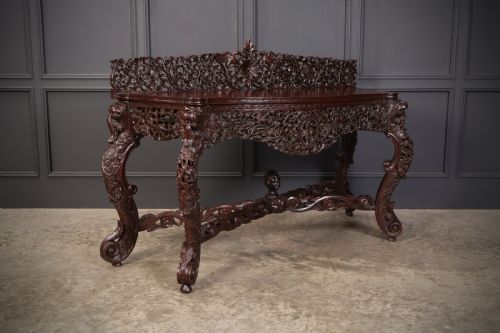
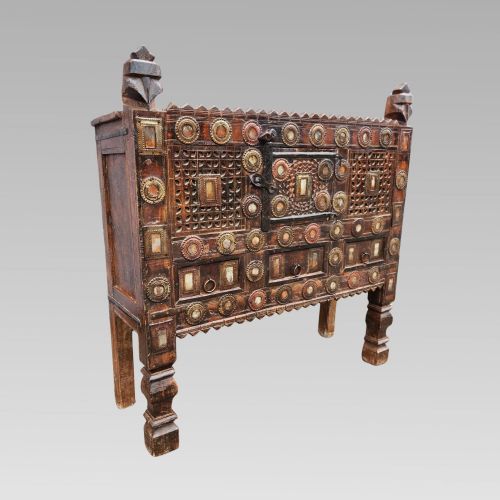


Antique Indian Sideboard
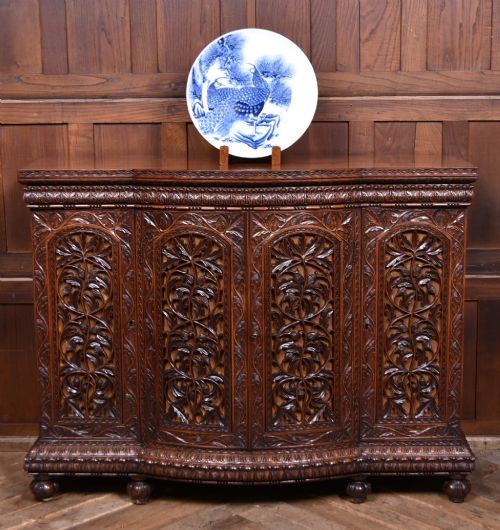
An antique indian sideboard brings dense hardwoods and intricate hand carving into a room, offering robust storage with distinct colonial character.
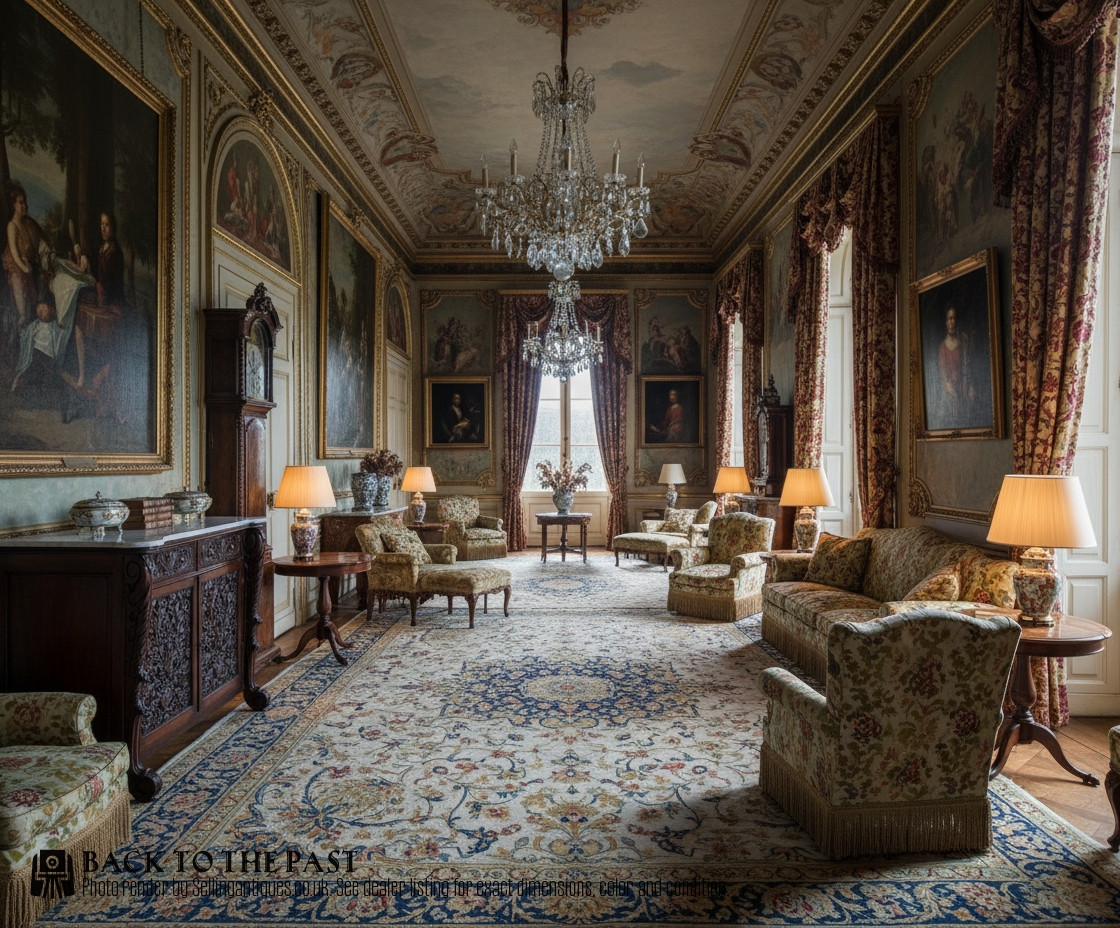
Antique Indian Sideboard
An antique indian sideboard encompasses large storage furniture and serving pieces shaped by nineteenth-century workshop traditions and colonial trade. The pieces span regional styles including Anglo-Indian, Anglo-Burmese, traditional provincial work, and folk art.
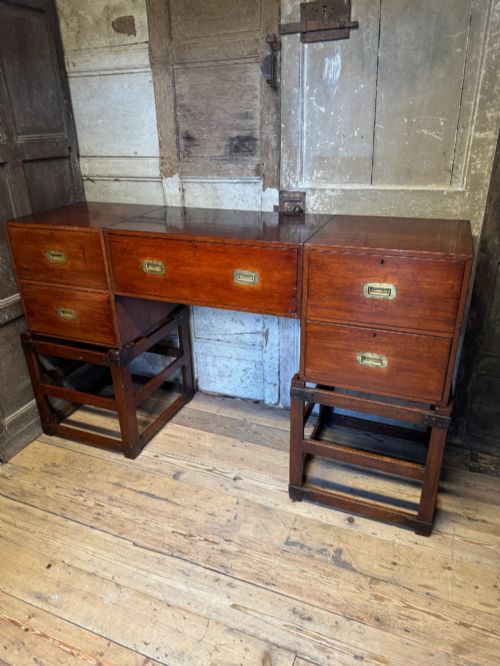
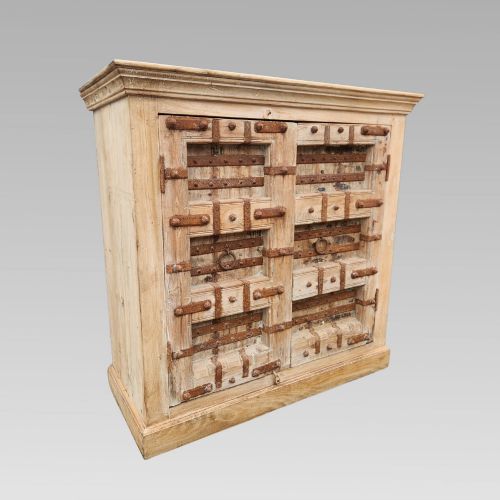
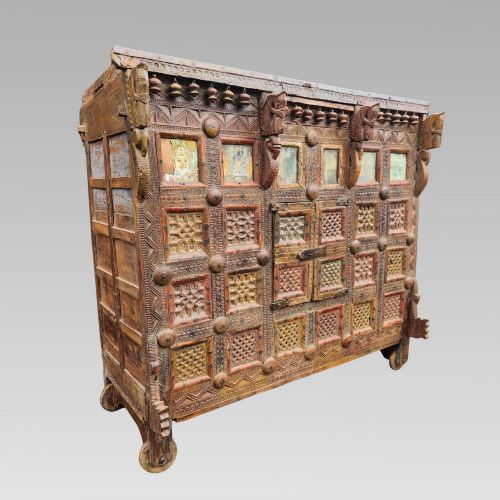
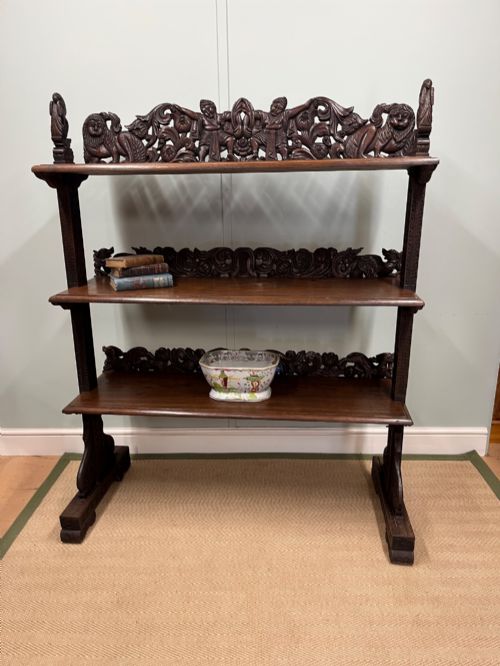
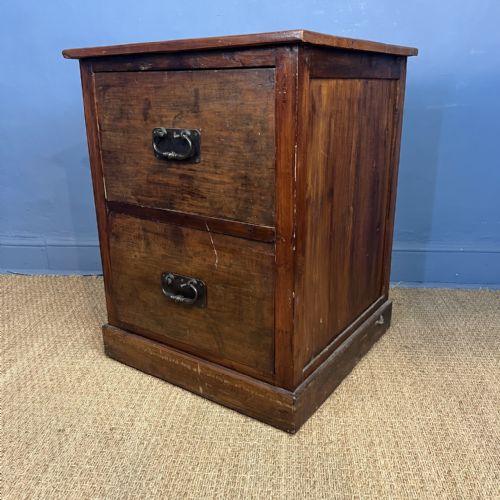
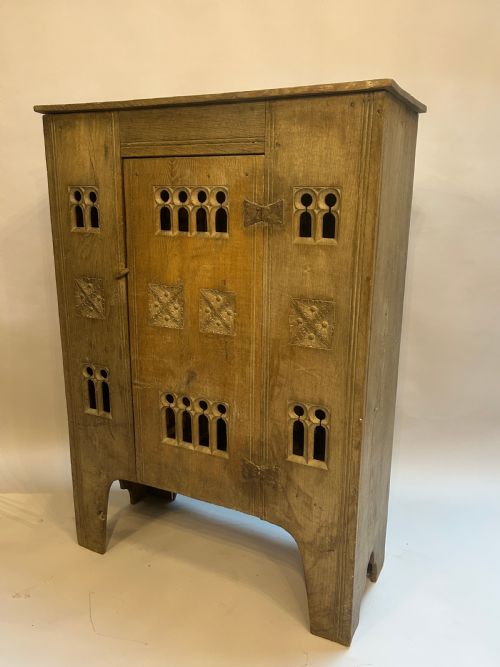
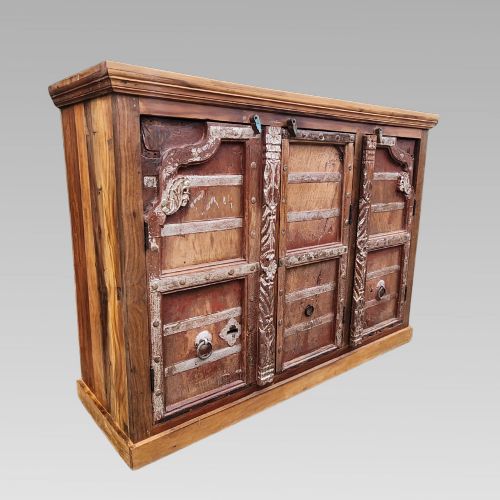
Buyers meet varied forms on this page, from classic pedestal sideboards and low damchiya dowry chests to tiered buffets, console tables, and carved cabinets. Most examples date from the nineteenth century down to the early twentieth century, utilising dense timbers imported or native to the Indian subcontinent.
Functionally, these items serve as substantial storage cupboards, credenzas, and serving surfaces for dining rooms and hallways. Their presence merges British domestic forms of the Victorian era with indigenous carving techniques and joinery.
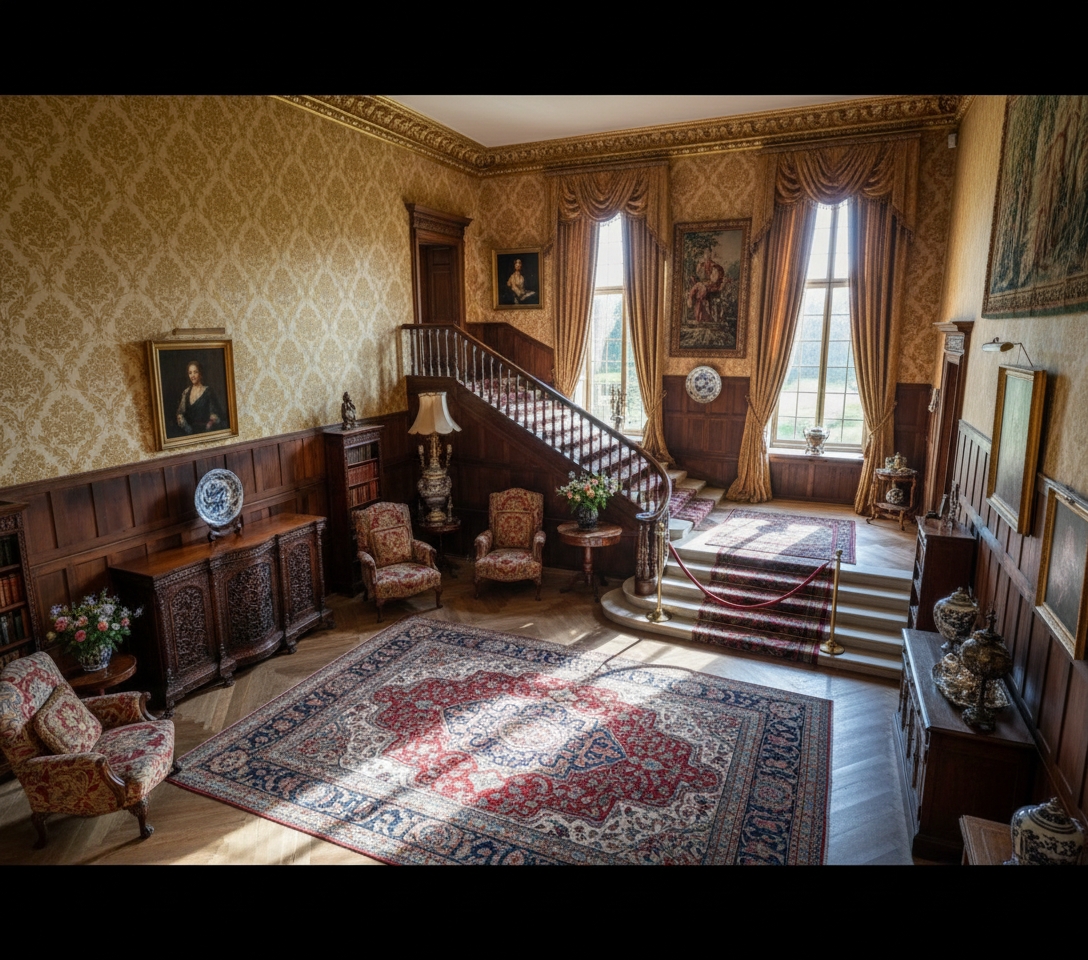
What varies in quality
The depth and crispness of the hand carving separate standard provincial items from exceptional workshop commissions. Superior pieces demonstrate meticulous symmetry and undercut relief work on doors, panels, and cornices.
Choice of timber heavily influences the standing of a piece, with select items utilising finely figured padouk, rosewood, or solid satinwood rather than standard teak. The integrity of the original hardware, locks, and internal shelving also defines the grade of the cabinet.
The listings span the nineteenth and early twentieth centuries, recording periods from Victorian Gothic Revival to the 1930s.
The Antique Indian Sideboard Glossary
- Padouk wood
- A dense, heavy reddish-brown hardwood favoured by makers for its durability and rich natural lustre.
- Damchiya
- A traditional low dowry chest or storage cabinet originating from rural regions, often featuring deeply carved panel doors.
- Anglo-Indian
- A descriptive term for furniture made in India during the British colonial period, combining British forms with local craftsmanship.
- Chiffonier
- A small sideboard or side cabinet, frequently fitted with doors enclosing shelves and a low superstructure on top.
- Inverted breakfront
- A cabinet design where the central section recedes rather than projects forward, creating varied planes along the front.
Antique Indian Sideboard: Frequently Asked Questions
How do I care for antique teak and padouk furniture?
Keep these heavy hardwood pieces away from direct heat sources and sudden temperature shifts to prevent timber splitting.
Apply a microcrystalline wax periodically to nourish the surface without building up excessive residue on the carved details.
What is the difference between an Anglo-Indian and a Burmese piece?
Anglo-Indian furniture typically merges British colonial forms with regional carving styles executed across the Indian subcontinent. Burmese pieces often exhibit distinct dense figurative or foliate carving utilising heavy padouk wood from Southeast Asian workshops.
Both styles reflect British design influences adapted by local artisans during the nineteenth century.
Where were sideboards placed in a Victorian home?
Dining rooms were the primary location for sideboards, where they functioned as serving surfaces for food and storage for tableware.
Smaller side cabinets and console tables also found places in hallways and reception rooms to display decorative objects.
How can I date an antique indian sideboard?
Dating relies on examining the timber species, construction methods, and stylistic cues such as Victorian Gothic revival motifs or traditional folk art carving. Hardware, drawer linings, and tool marks offer further evidence of the manufacturing period.
Most examples documented here date from the mid-nineteenth century up to the early twentieth century.