





Pierced Carved Cabinet
A pierced carved cabinet brings intricate openwork and dense native timbers straight from nineteenth-century workshops into a modern interior.
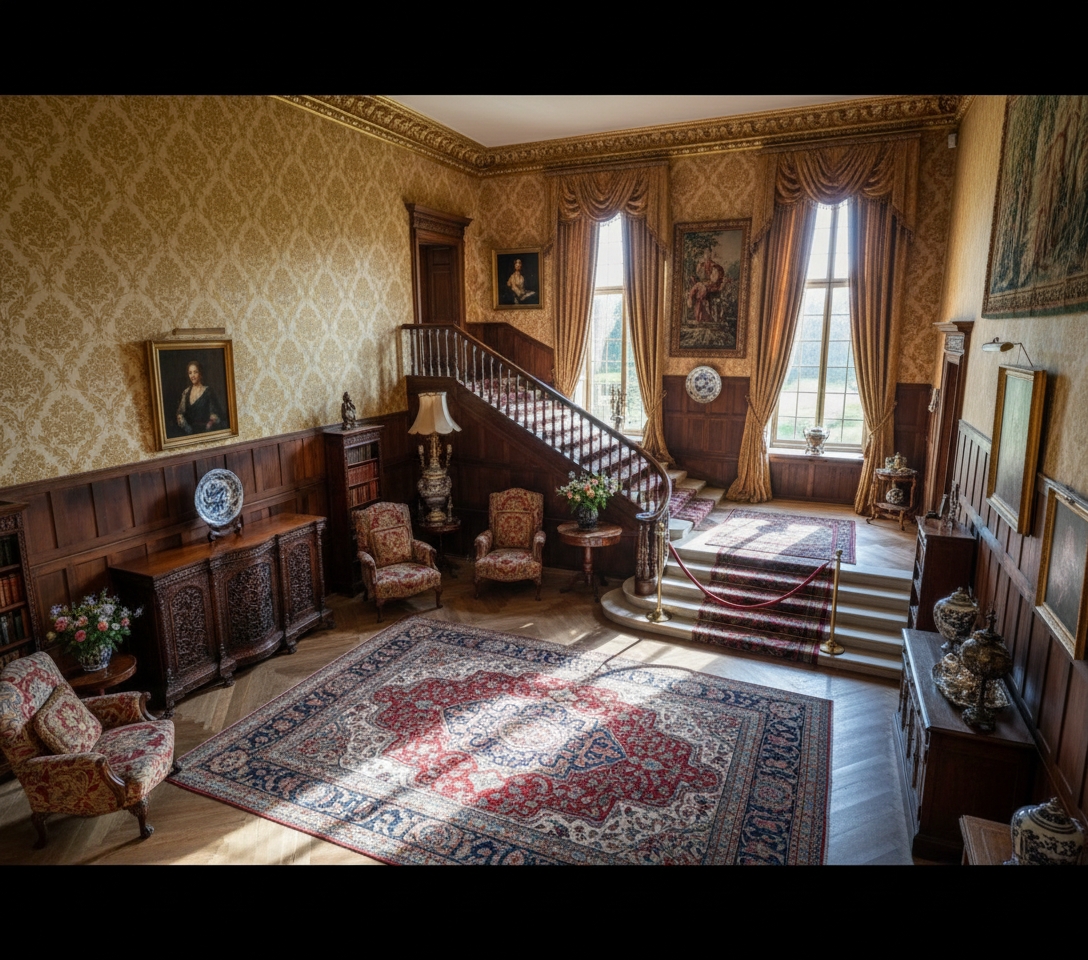
Pierced Carved Cabinet
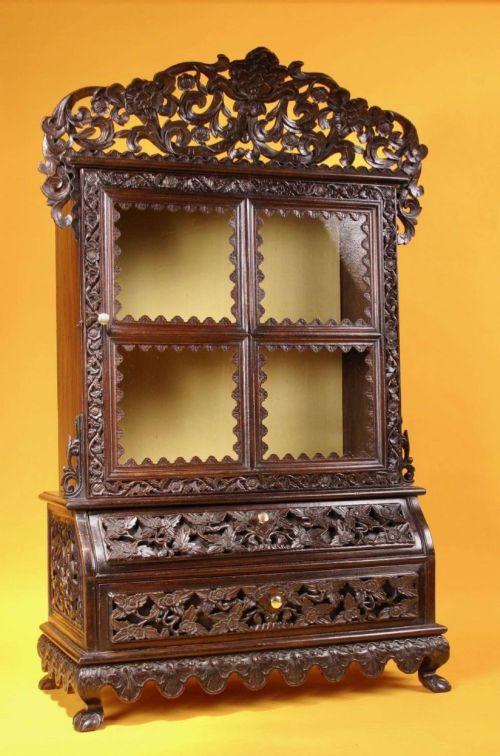
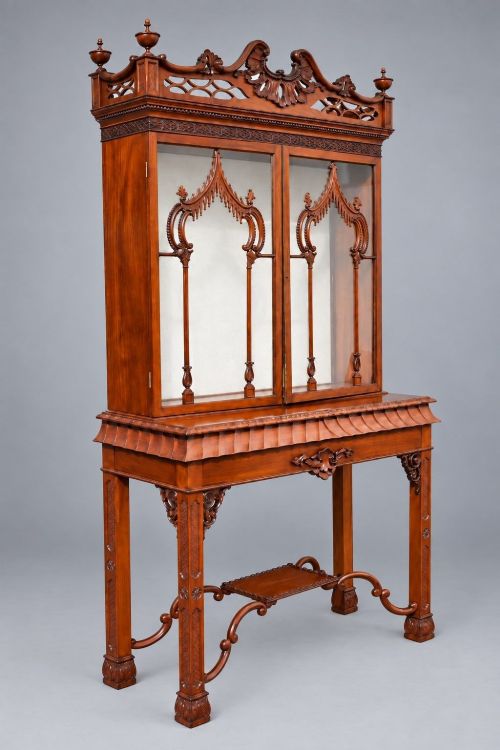
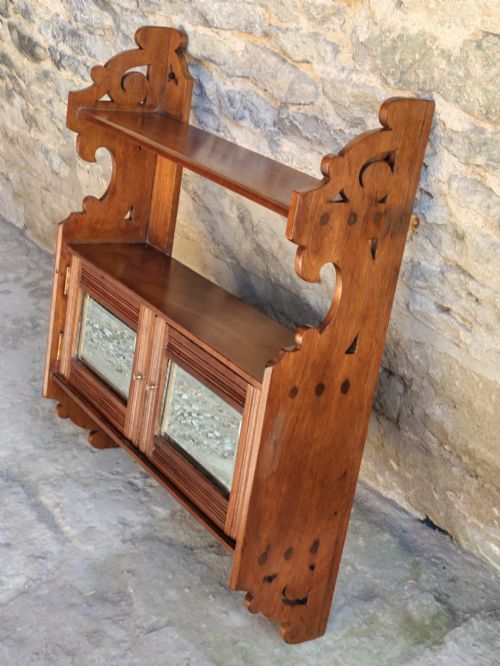
When you search for a pierced carved cabinet, you are looking at nineteenth-century and Victorian storage furniture defined by elaborate openwork and pierced fretwork. The forms range from wall-mounted display units and corner cupboards to substantial sideboards and freestanding display cabinets.
The most common examples you will encounter on this page belong to the Anglo-Indian and Burmese traditions, typically fashioned from dense tropical hardwoods like padauk and teak. These pieces combine traditional British furniture shapes with deeply undercut Oriental carving.
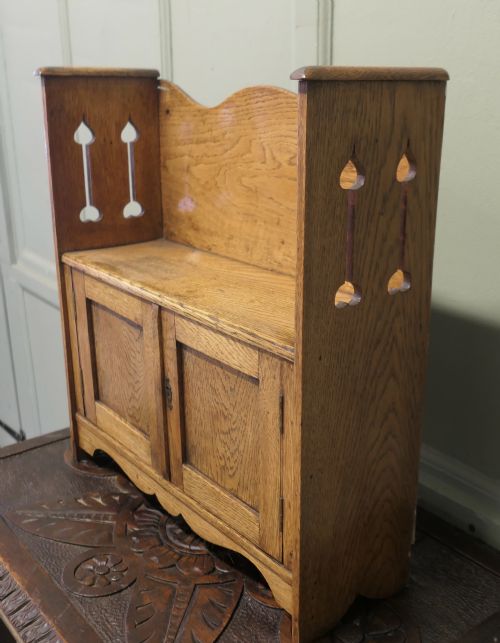
Alongside colonial export pieces, you will occasionally find domestic revivals such as Chinese Chippendale style mahogany cabinets or Arts and Crafts wall units. Each variation relies on the contrast between solid timber surfaces and meticulously pierced fretwork panels.
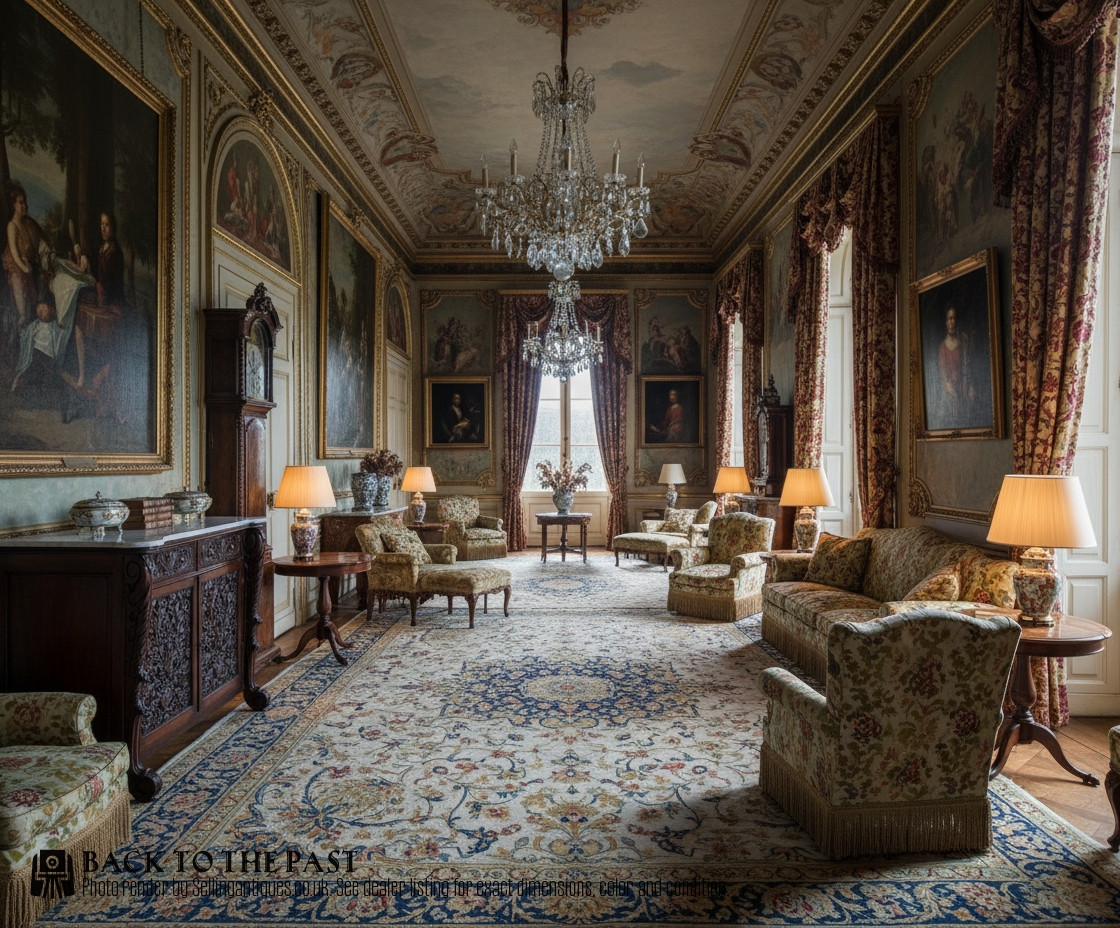
Materials and construction
Cabinet makers utilised a variety of imported and domestic timbers, with padauk, teak, walnut, mahogany, and rosewood appearing frequently across the inventory. These dense woods were chosen for their stability and ability to hold extremely fine, crisp detailing without splintering.
The distinctive pierced decoration was achieved entirely by hand using small fretsaws and chisels to cut completely through the timber. Craftsmen carved floral, foliate, and zoomorphic motifs deeply into the surface, creating layered relief work that allows light to pass through the panels.
A veranda gin cabinet from Ceylon sits quietly ready for evening hospitality.
Judging quality in pierced carving
The standard of a pierced carved cabinet rests principally on the depth and sharpness of the hand carving. Superior pieces exhibit crisp undercutting where the foliage and figures stand completely free from the background panel, whereas inferior work appears shallow and flat.
Timber selection and structural joinery also dictate value, with heavy native hardwoods like padauk and teak commanding greater respect than softer secondary woods. The intricacy of the pierced fretwork must be matched by robust internal construction and well-fitted doors or shelves.
The Pierced Carved Cabinet Glossary
- Pierced work
- Wood carving where the background is entirely cut away to create an openwork pattern. This technique allows light and air to pass through the panels.
- Padauk
- A heavy, durable tropical hardwood with a reddish-brown hue. It was frequently utilised by craftsmen in India and Burma for elaborate colonial furniture.
- Chippendale style
- A decorative revival drawing on eighteenth-century English designs. It often incorporates rococo scrolls, blind fretwork, and Chinese-inspired motifs.
Pierced Carved Cabinet: Frequently Asked Questions
What is a pierced carved cabinet?
A pierced carved cabinet is a nineteenth-century storage piece featuring intricate openwork patterns cut directly through the wood. These items range from wall cabinets to large sideboards.
Many examples originate from Anglo-Indian and Burmese workshops where dense timbers like padauk and teak were carved by hand.
How do I clean carved wood?
Cleaning requires a soft natural-bristle brush to gently dislodge dust from deep within the pierced fretwork. Avoid harsh liquid polishes that accumulate in the recesses.
Applying a traditional beeswax sparingly with a soft cloth maintains the natural lustre of woods like walnut and mahogany without softening crisp edges.
Are these cabinets structurally sturdy?
Most pieces utilise dense tropical hardwoods or seasoned European timbers built to withstand heavy daily use. The joinery is typically traditional and robust.
Care should be taken with delicate pierced galleries and fretwork panels, which remain more vulnerable to impact than solid flat doors.
How do I date a carved cabinet?
Dating relies on examining the timber species, secondary woods, construction methods, and stylistic cues present in the design. Victorian and nineteenth-century pieces dominate the selection.
Comparing the hardware, drawer linings, and backboards against known period exemplars helps narrow down the decade of production.