



Colonial Anglo Indian Credenza
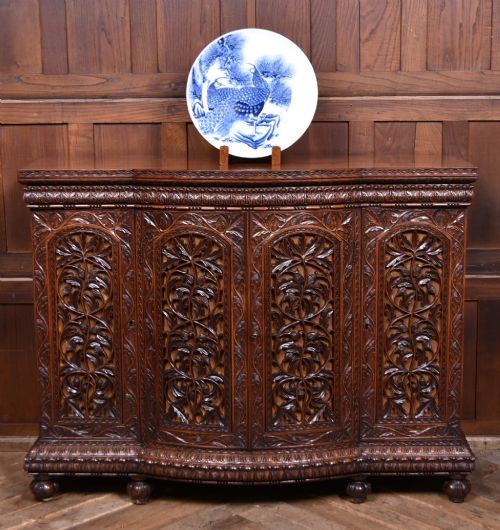
A colonial anglo indian credenza brings rich timber and intricate carving together, offering a striking centrepiece for storing and displaying.
Colonial Anglo Indian Credenza
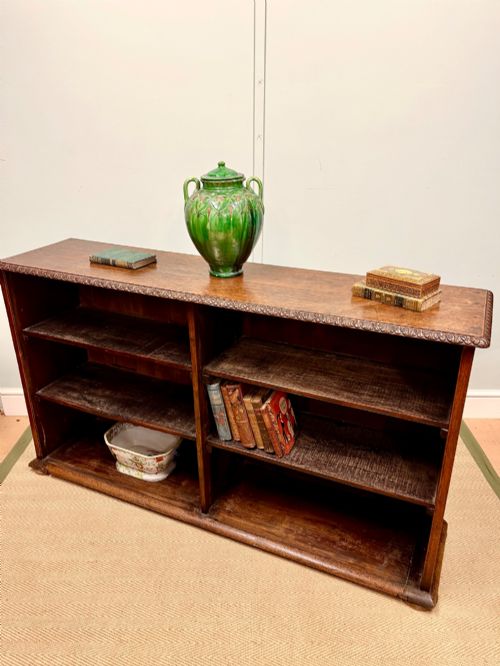
When you search for a colonial anglo indian credenza, you are looking at substantial storage furniture created during the nineteenth century, encompassing sideboards, cabinets, bookcases, and side cabinets. These pieces blend British furniture forms with traditional Indian and Burmese carving expertise.
You are most likely to meet padouk wood sideboards and carved cabinets on this page, as padouk and teak dominate the available items. The pieces span periods including the Regency era, eighteen-sixty, and eighteen-eighty, showcasing Anglo-Indian and Anglo-Burmese styles.
The form often appears as a pedestal sideboard or inverted breakfront side cabinet, designed for formal dining rooms and studies. Each piece reflects the cross-cultural design exchange of the colonial period through heavy timber construction and elaborate ornamentation.
Materials and construction
These items rely on dense tropical hardwoods, predominantly padouk, teak, and rosewood, alongside occasional solid satinwood and marble components. The timber is chosen for its weight, durability, and deep grain, which suits the intricate relief carving seen across the surfaces.
The construction employs traditional joinery methods suited to heavy timbers, supporting the elaborate carved panels and cabinet doors. Carving is executed deeply into the padouk or teak, creating pronounced dimensional motifs characteristic of the Anglo-Indian and Anglo-Burmese workshops.
Listings feature nineteenth-century pieces in padouk wood, teak, rosewood, and satinwood, spanning styles from the Regency era to eighteen-eighty.
Distinctions in execution
Quality separates in these items through the depth, crispness, and continuity of the hand carving across the cabinet doors and frames. Finer examples display high relief work with sharp undercut details that remain consistent across every panel.
The choice and selection of timber also differentiate the range, with dense padouk and figured solid satinwood sitting at the upper end. Superior proportioning and balanced integration of structural cabinetry with decorative carving define the most accomplished pieces.
The Colonial Anglo Indian Credenza Glossary
- Padouk wood
- A heavy, durable tropical hardwood with a deep reddish-brown tone that darkens with age and takes a fine carved finish.
- Inverted breakfront
- A cabinet design where the central section recedes rather than projects, creating a stepped architectural front profile.
- Chiffonier
- A compact sideboard or tall side cabinet fitted with enclosed shelving and doors, designed for dining room storage.
- Anglo-Indian
- A descriptive term for furniture made in India during the British colonial period, combining European forms with local craftsmanship.
- Relief carving
- A sculptural technique where motifs are carved to project from a flat background surface rather than standing completely free.
Colonial Anglo Indian Credenza: Frequently Asked Questions
What is a colonial anglo indian credenza?
These pieces are nineteenth-century storage forms such as sideboards, cabinets, and bookcases built using tropical hardwoods.
They combine British furniture shapes with traditional carving styles from India and Burma.
Which woods were used?
Makers utilised dense tropical timbers including padouk wood, teak, rosewood, and occasional solid satinwood.
Some examples also incorporate marble elements for upper surfaces or display tiers.
How do I date a piece?
Dating relies on stylistic clues, timber selection, and specific period markers such as Regency styling or specific nineteenth-century construction traits.
Evidence on this page spans from the Regency era through to eighteen-eighty.
Where were they placed?
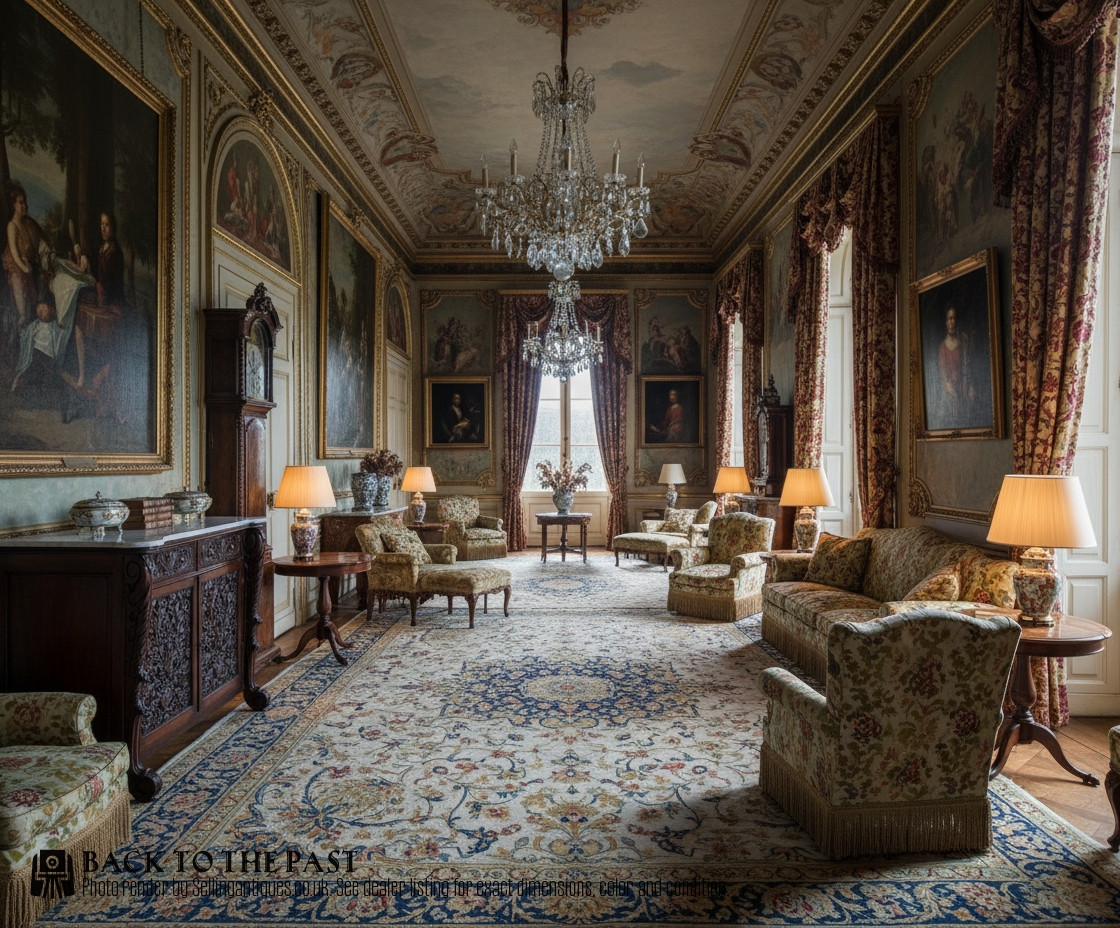
These large storage items were intended for formal dining rooms, drawing rooms, and studies in colonial homes.
They served both a practical storage function and a decorative display purpose.
How do I care for padouk furniture?
Padouk and teak require stable humidity levels and protection from direct sunlight to preserve the natural grain and rich tone.
Regular dusting with a dry cloth keeps the deep hand-carved surfaces clean without damaging the timber.