




Antique Indian Sculpture
Antique indian sculpture brings centuries of ritual bronzes, carved hardwood animals and temple stone deities straight into modern interiors with striking presence.
Antique Indian Sculpture
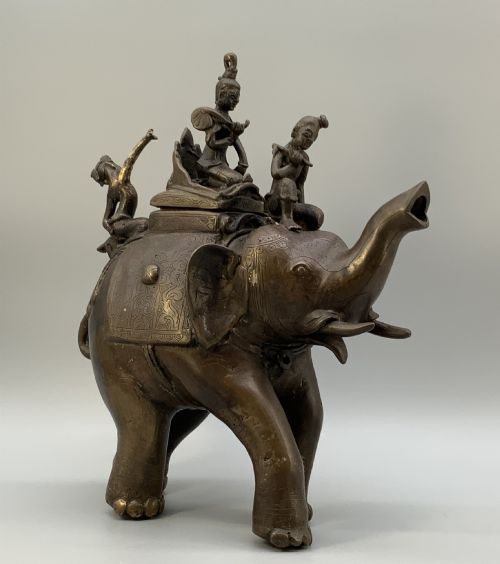
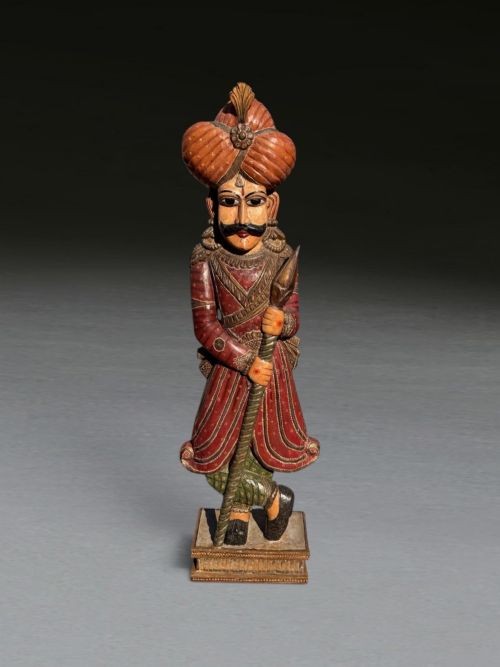
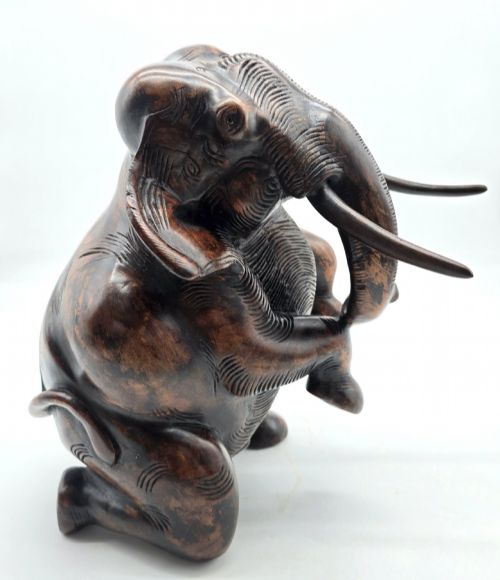
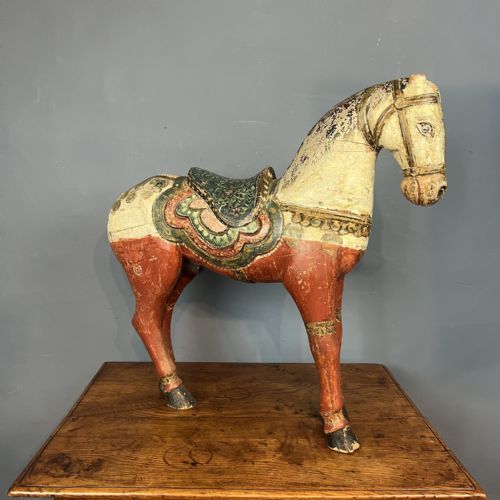
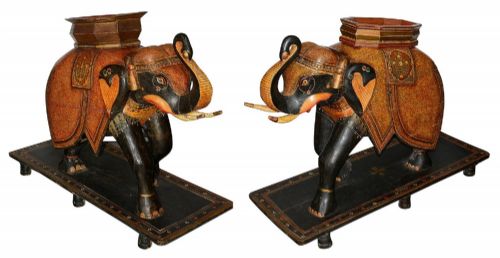
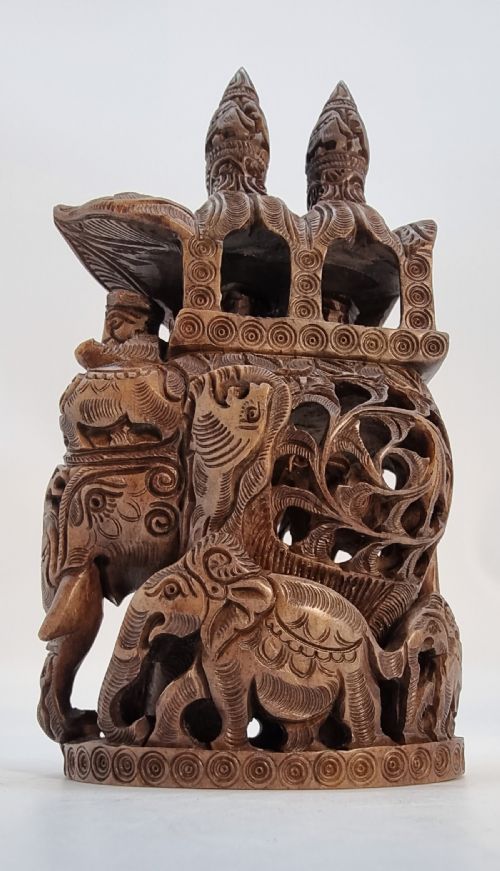
The versions most commonly met on this page are nineteenth-century Raj period carvings, often depicting ceremonial processions, alongside folk art figures and ritual bronzes. These works range from substantial bronze deity figures to painted wooden horses, architectural roof decorations, and soapstone studies.
Materials and construction methods
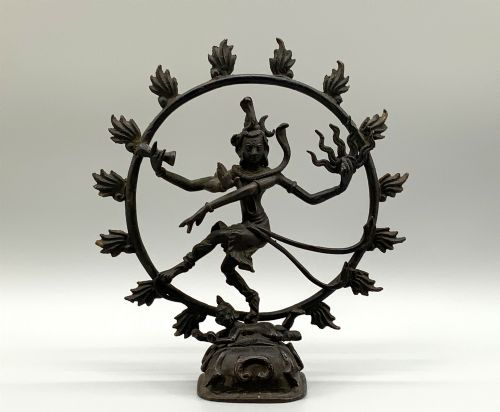
Many of the metal works utilise traditional lost-wax bronze casting techniques, resulting in detailed depictions of deities with fine surface chiselling. Artisans shaped the wooden pieces from dense native timbers such as teak, ebony, and assorted hardwoods, often finishing them with polychrome paint, pigment, or lacquer.
Stone pieces involve sandstone and soapstone, shaped through direct carving and relief work to create temple reliefs and garden planters. Secondary elements incorporate iron stands and metal inlays of copper and silver on specific brass shrines.
Periods represented span from pre-sixteenth century temple reliefs to Victorian-era decorative bronzes and early twentieth-century architectural fragments.
Factors influencing quality
The degree of crispness in the chisel work and the depth of relief carving separate exceptional pieces from simpler utilitarian objects. Bronze figures show quality through the precision of the casting and the preservation of intricate attributes and hand gestures.
Royal Worcester·James Hadley·Robert Kime
The Antique Indian Sculpture Glossary
- Raj period
- The era of direct British governance in India lasting from eighteen fifty-eight to nineteen forty-seven, associated with many decorative hardwood carvings found on the market.
- Shiva Nataraja
- A depiction of the Hindu god Shiva as the cosmic dancer performing his divine dance to destroy a weary universe and make preparations for a new creation.
- Lost-wax casting
- A metalworking method in which a molten metal is poured into a mould that has been created by means of a wax model.
- Polychrome
- The practice of decorating architectural elements or sculptures in a variety of bright colours.
- Relief
- A sculptural technique where the sculpted elements remain attached to a solid background of the same material.
Antique Indian Sculpture: Frequently Asked Questions
How do I identify a Raj period carving?
Raj period pieces typically date from the late nineteenth or early twentieth century and showcase dense hardwoods like teak or ebony. They frequently depict processional animals, soldiers, or architectural elements made for the colonial market.
Look for deep relief carving, naturalistic proportions combined with traditional motifs, and the dark patination characteristic of seasoned tropical timbers.
What is the significance of Shiva Nataraja?
Shiva Nataraja represents the lord of the dance within Hindu tradition, encapsulating cosmic energy, creation, and destruction. These bronze figures show the deity within a fiery arch, lifting one leg and balancing upon a dwarf.
Collectors prize these bronzes for their intricate iconography, balanced composition, and adherence to ancient Shilpa Shastra proportions.
How should I care for antique wooden sculptures?
Antique wooden sculptures require stable indoor humidity levels to prevent the dense timbers from splitting or warping over time. Keep them away from direct sunlight, heating vents, and rapid temperature fluctuations.
Dust the surface gently with a soft, dry brush and avoid applying commercial polishes or oils that might alter the historic patina.
Are stone and bronze sculptures suitable for gardens?
Stone sculptures and planters tolerate outdoor placement provided they are protected from harsh frost cycles that can crack porous materials like sandstone. Bronze figures withstand outdoor conditions well, gradually developing a natural atmospheric patina.
Secure taller or heavier pieces firmly to prevent tipping, and place them on stable bases to avoid direct contact with damp soil.