


Hand Carved Polychrome Figure
These hand carved polychrome figure pieces bring centuries of carved timber and applied pigment into your home, offering bold colour and tactile historical presence.
Hand Carved Polychrome Figure
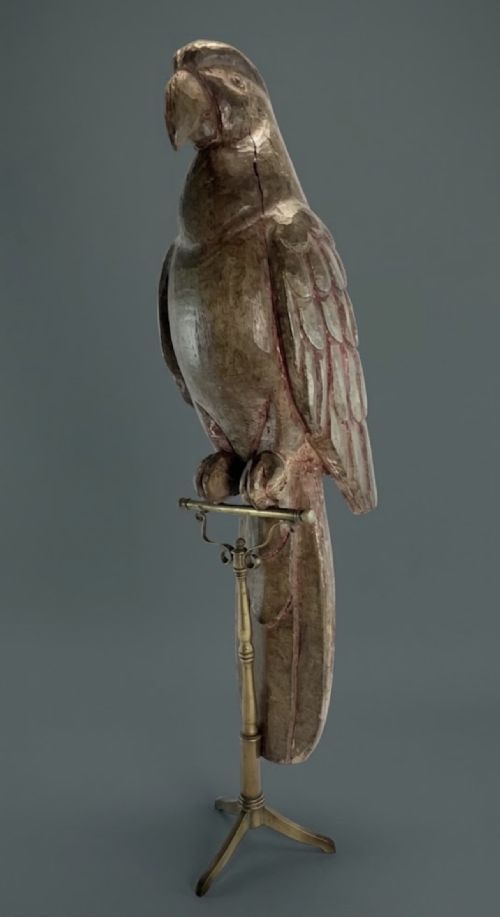
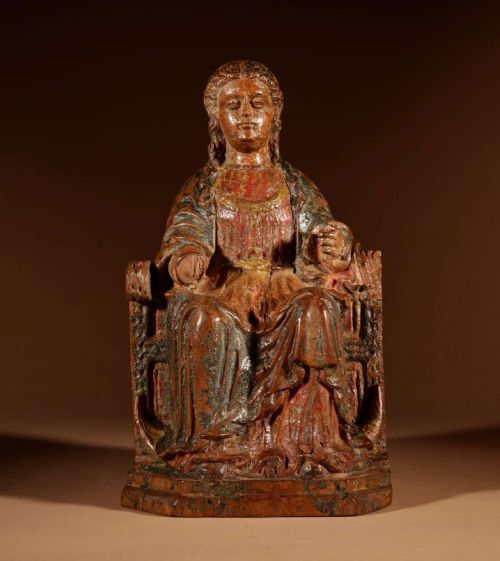
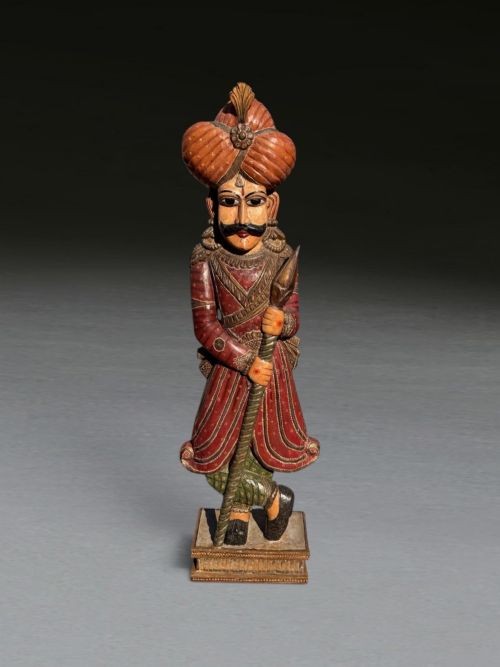
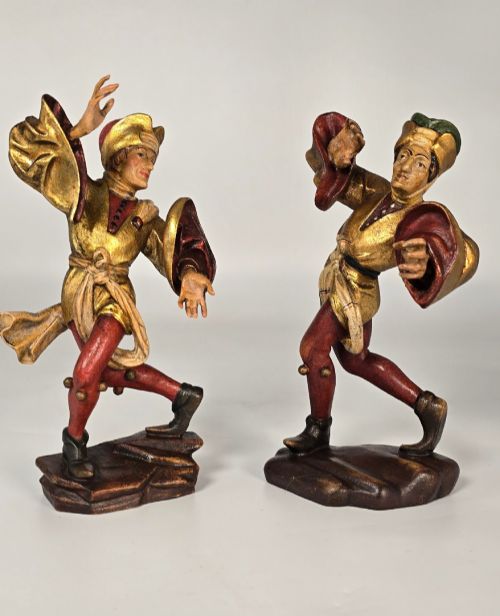
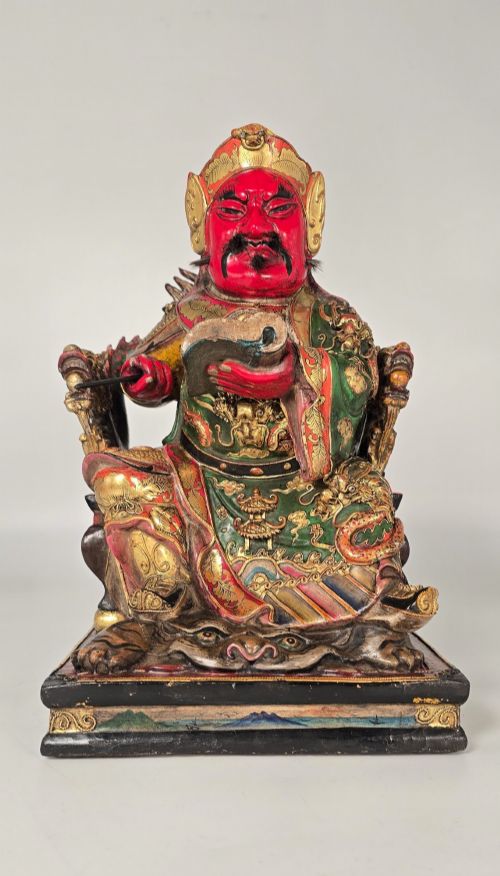
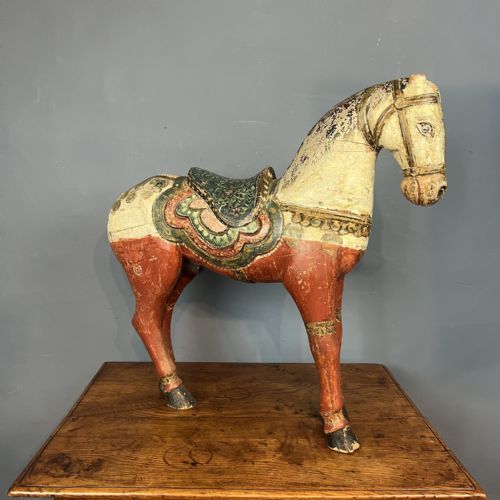
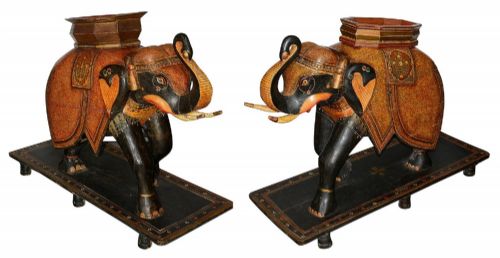
A hand carved polychrome figure represents sculpted human, animal, and divine subjects shaped from timber and finished with layered paint, gesso, or gold leaf. When you search for a hand carved polychrome figure, you encounter diverse forms ranging from religious icons and temple deities to folk art animals, trade signs, and fairground carvings.
The pieces appearing on this page span several centuries, with a strong representation of nineteenth-century folk art, Asian deities, and European devotional works. You will frequently meet objects like carved wooden parrots, carousel horses, soldiers, and saints, each bearing the marks of traditional hand tools and historical pigment.
How they were made
Carvers shaped these pieces using solid timbers such as walnut, limewood, and thorn wood, employing chisels and gouges to define the forms. The underlying wood often received a ground layer of gesso to prepare the surface for subsequent painting or gilding.
Makers then applied natural pigments, lacquer, and occasionally gold leaf by hand to bring the sculptures to life with vibrant colour. This layered surface technique protected the wood while providing the distinctive painted finish characteristic of the style.
Listings feature works spanning from the sixteenth century through the nineteenth and early twentieth centuries.
What varies in quality
Quality rests in the anatomical confidence of the carving and the dexterity shown in the facial expressions and drapery folds. Superior pieces display crisp tool work that defines muscle, fabric, and gesture without stiffness.
The integrity and age of the original polychrome surface dictate much of the piece's success. Examples retain their early painted decoration with honest patination, whereas heavily restored or later overpainted surfaces diminish the visual harmony.
H.S 'Andy Anderson'
The Hand Carved Polychrome Figure Glossary
- Polychrome
- Decorated in multiple colours. This term describes sculpture and woodwork finished with various painted pigments.
- Gesso
- A plaster mix applied as a surface preparation. Artisans used it on wooden carvings to create a smooth base for paint or gold leaf.
- Folk art
- Utilitarian or decorative objects made by self-taught makers. These pieces often display regional traditions and straightforward charm rather than academic academic training.
- Lacquer
- A clear or coloured varnish derived from tree sap. It forms a hard, durable coating on Asian and European wooden panels and figures.
Hand Carved Polychrome Figure: Frequently Asked Questions
How do I care for a painted wooden figure?
Keep the sculpture away from direct sunlight and steady radiators to prevent the wood from splitting and the paint from flaking. Dust the surface gently with a soft, dry brush without using liquid cleaners.
Maintain a stable room temperature and humidity level to protect both the timber substrate and the delicate historic pigment layers.
What is the difference between folk art and religious figures?
Religious figures, such as saints or temple deities, were carved for devotional spaces and follow traditional iconography. They often exhibit formal sculptural training and solemn expressions.
Folk art figures emerge from community traditions, serving as trade signs, whirligigs, or decorative animals. They tend to showcase local character and imaginative design.
How can I tell the age of the carving?
Examine the tool marks left on the underside or unpainted sections, as hand-chiselled surfaces differ from machine-tooled work. The wear patterns on the wood and the oxidation of the paint layers also offer clues to antiquity.
Compare the style of dress, hair, and subject matter with dated examples from similar regional traditions to narrow down the period.
Where were these painted figures originally displayed?
Many figures occupied churches, household shrines, or temples as objects of veneration. Others served practical functions as shop signs, carousel decorations, or garden ornaments.
Secular examples often decorated domestic interiors, cabinets, or formed part of architectural wall panels.