


Yellow Painted Wooden Carving
A yellow painted wooden carving brings brightness and texture to a room, offering genuine hand-carved character with a distinct aged finish.
Yellow Painted Wooden Carving
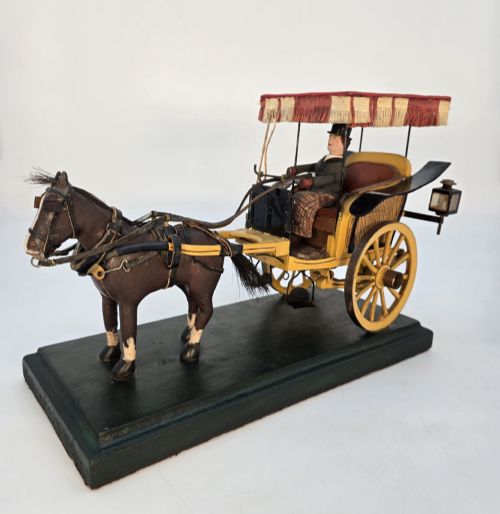
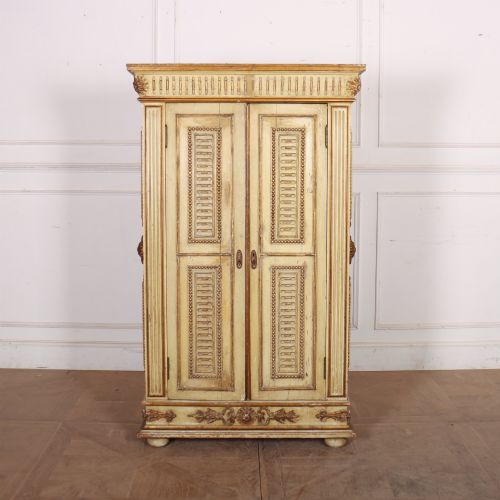
When a buyer searches for a yellow painted wooden carving, they encounter a diverse selection of items shaped from timber and finished with distinct painted surfaces. These pieces range from decorative figures and architectural elements to folk art models spanning the eighteenth, nineteenth, and early twentieth centuries.
The objects appearing under this description draw from various regional traditions including French, Italian, and Indian craft, often utilising materials such as pine, gesso, and applied pigments over carved wood bases. Forms vary widely from wall sculptures and brackets to figurative statues and utilitarian items given a decorative painted treatment.
Buyers are most likely to meet nineteenth century examples that display the characteristic patination of aged paint layers over hand-carved timber. Each item demonstrates the distinct hand of the maker through tool marks and the natural ageing of the painted finish over time.
Materials and construction methods
The underlying structure of these carvings typically relies on locally available timber such as pine or native hardwoods, shaped using hand gouges, chisels, and saws. Artisans applied gesso preparation layers to smooth the wood grain before laying down yellow paint or polychrome finishes.
Surfaces often received additional decorative treatments including distressing, gilding, or protective varnishes that have yellowed or crackled gracefully over decades of exposure. The combination of carved wood, chalk-based gesso, and oil or water-based paint creates a layered physical depth unique to older painted objects.
Materials recorded across these decorative items include solid pine, applied gesso, and hand-mixed yellow paint finishes.
Factors of quality and execution
Quality in a carved and painted wooden object rests upon the liveliness and confidence of the initial carving, where fluid lines and thoughtful proportions elevate the piece. Sculptural depth and careful attention to anatomical or architectural detail distinguish finer workshops from more basic utilitarian production.
The integrity and character of the painted surface dictate much of the visual appeal, with original undisturbed paint layers holding greater visual harmony than later overpainting. Natural wear, minor losses, and gentle fading that reveal the wood or gesso beneath contribute positively to the charm of a well-preserved piece.
The Yellow Painted Wooden Carving Glossary
- Gesso
- A plaster mixture used as a smooth base applied to wood before painting or gilding. It provides a solid ground that holds fine detail and pigment.
- Polychrome
- Decorated in multiple colours. This technique is frequently seen on traditional figures, architectural brackets, and folk art carvings.
- Patina
- The surface sheen and colour changes developed through age, handling, and light exposure. It signals genuine antiquity on painted wooden surfaces.
- Folk art
- Utilitarian or decorative objects created by self-taught or traditional makers outside formal academic art circles. These pieces emphasise direct expression over strict academic proportions.
Yellow Painted Wooden Carving: Frequently Asked Questions
How do I clean a painted wooden carving?
Dust the surface gently with a soft, dry brush to prevent dirt accumulation without disturbing fragile paint layers. Avoid using liquid cleaners, moisture, or chemical solvents that might soften or remove historic paint.
Keep the piece away from direct sunlight and sources of heat to prevent the wood from splitting and the paint from flaking. Gentle care preserves the historical surface and natural patination.
Are these carvings from specific regions?
The items originate from various European and international traditions, including French, Italian, and Indian craftsmanship. Each region utilised local timbers and distinct colour palettes suited to their decorative arts.
Examining the underlying wood type and the style of the carving often helps identify the likely geographic origin of a piece. Regional preferences heavily influenced the specific shade of yellow and the preparation methods used.
How can I tell if the paint is original?
Original paint typically exhibits a network of fine craquelure and uniform wear consistent with the age of the wooden base underneath. Close inspection often reveals the accumulation of dust and oxidation trapped within the microscopic crevices of the pigment.
Later overpainting tends to sit flatly across damages or lack the integrated wear patterns found in genuine aged finishes. Ultra-violet light can sometimes assist in distinguishing modern touch-ups from historic pigment layers.
Where should I display a painted carving?
Place the carving in a stable environment away from rapid temperature fluctuations and high humidity. Displaying them on a sturdy mantelpiece, console, or within a cabinet protects them from accidental knocks.
Because these objects rely on visual texture and colour, positioning them against a neutral background allows the painted surface to stand out clearly.