
Antique Incense Censer
An antique incense censer brings centuries of ritual craft into the home, offering sculptural form and enduring metalwork for display.
Antique Incense Censer
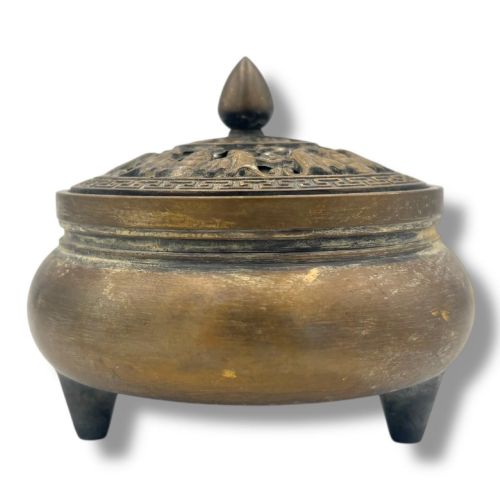
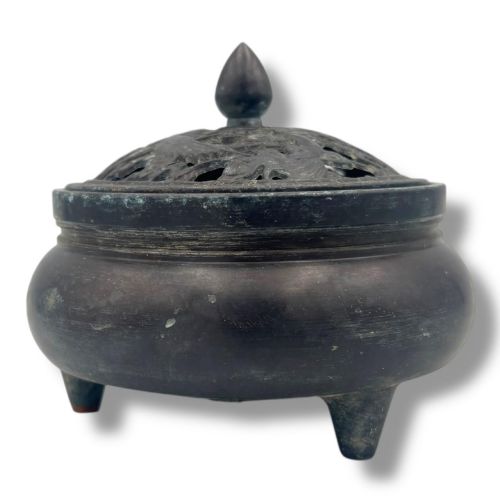
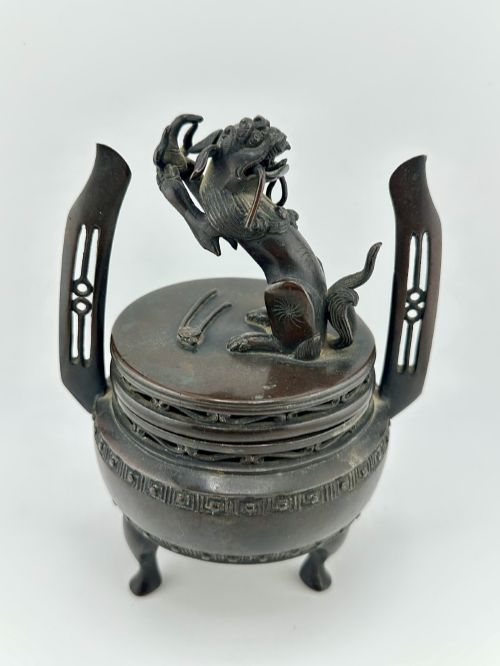
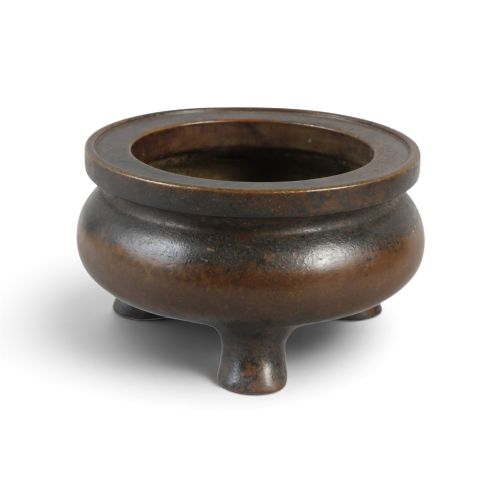
An antique incense censer serves primarily as a vessel for burning aromatic resins or woods, taking forms ranging from simple tripod bowls to elaborate lidded beasts. The selection spans vessels created for scholar's desks, temple altars, and domestic interiors across multiple centuries.
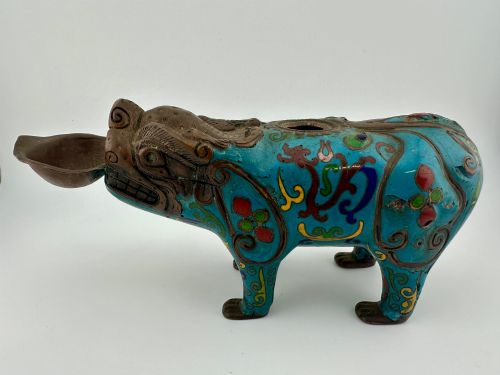
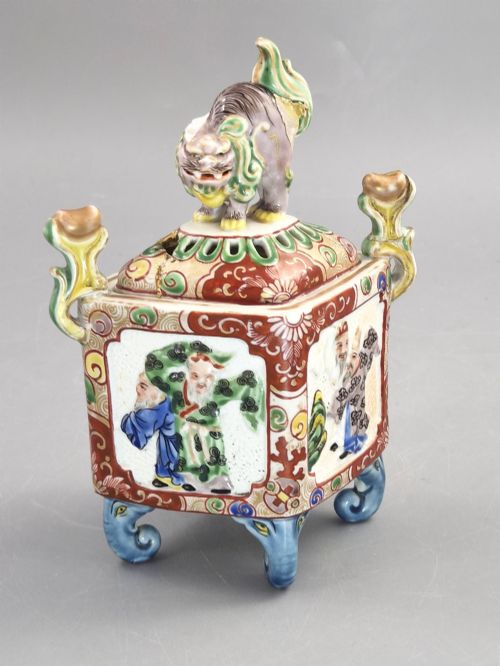
The versions met most frequently on this page originate from Chinese workshops of the Ming and Qing dynasties alongside Japanese Meiji period kilns and metalworking studios. These range from heavy cast bronze scholar's pieces to porcelain koro and cloisonne vessels.
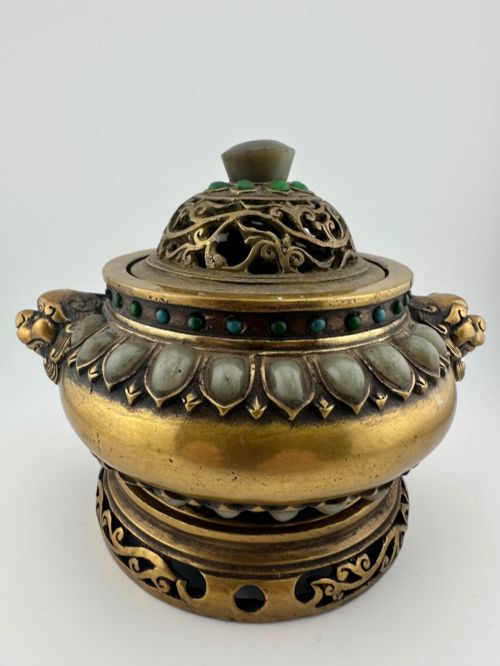
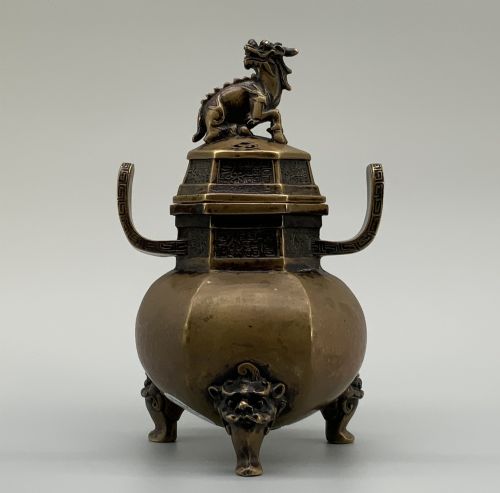
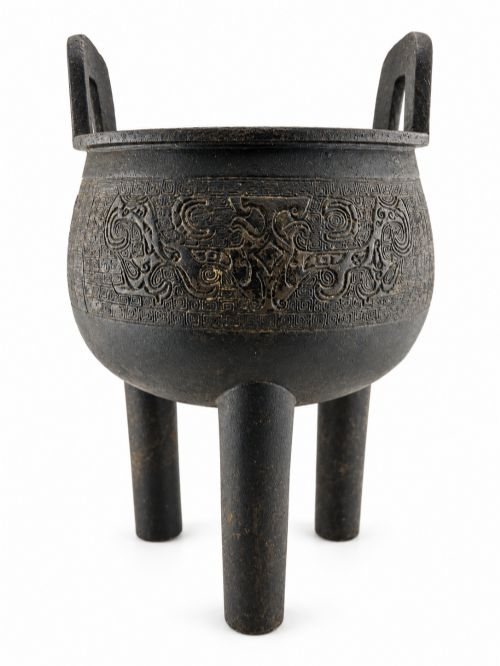
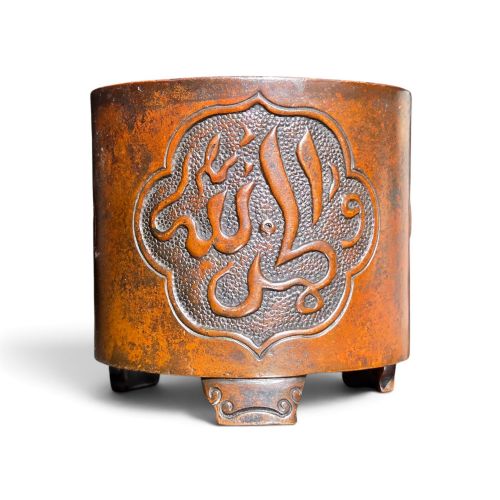
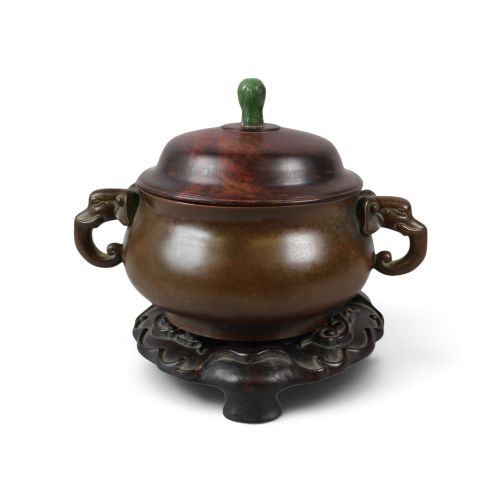
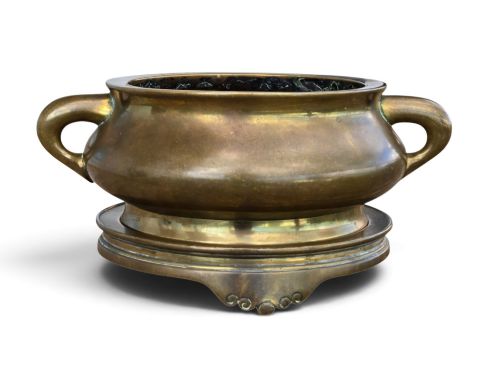
Objects include tripod dings, cylindrical vessels, and lidded urns outfitted with customized hardwood stands or jade finials. Each piece reflects the specific ritual or aesthetic demands of its original period.
How they were made
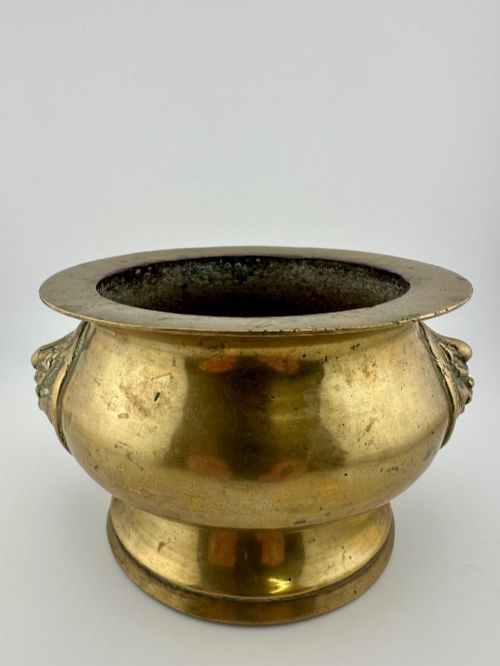
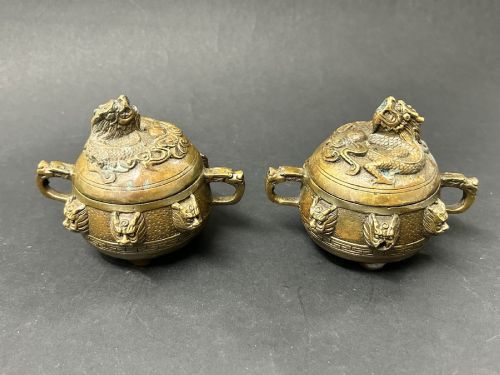
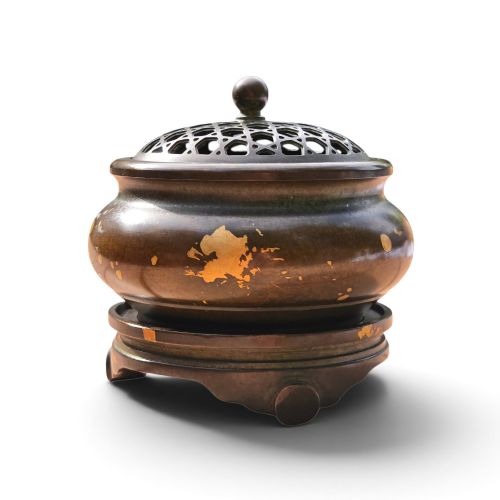
Metal vessels rely on the lost-wax casting technique to achieve heavy walls, integrated handles shaped as lion masks or elephant heads, and crisp relief panels. Copper alloy, bronze, and brass form the structural body, sometimes enriched with gold splash or patination.
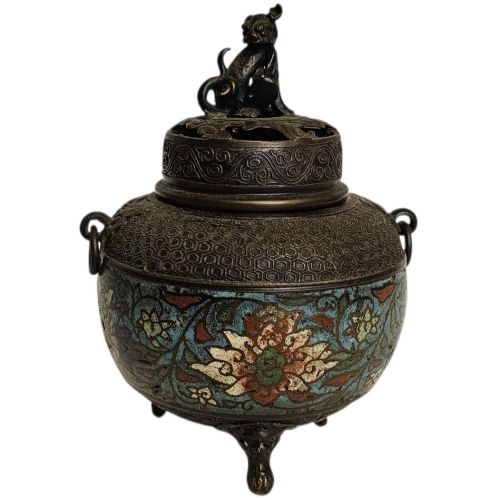
Ceramic examples employ earthenware, porcelain, and celadon glazes fired in traditional kilns, occasionally paired with delicate crackle patterns or moulded bamboo motifs. Cloisonne pieces integrate fine wirework filled with vibrant enamels across a bronze or copper base.
Scholar's studio pieces frequently incorporate jade finials and custom zitan stands alongside traditional bronze tripod bases.
What varies in quality
Casting precision and weight dictate the foundational quality of metal censers, where thicker walls and sharply defined taotie masks or relief panels demonstrate superior workshop standards. Finer pieces retain sophisticated patinas and integrated imperial or studio marks rather than crude secondary stampings.
Glaze depth and firing stability separate standard ceramics from exceptional examples, particularly in celadon and porcelain wares where even coloration and unblemished surfaces matter. The inclusion of original matched covers, jade finials, and period hardwood stands elevates the completeness of the item.
Kinkozan·Wu Bangzuo
The Antique Incense Censer Glossary
- Censer
- A vessel designed specifically for burning incense. These containers often feature pierced lids to allow scented smoke to escape.
- Tripod
- A vessel supported by three feet. This configuration appears frequently on early bronze and ceramic censers.
- Cloisonne
- An enamelwork technique where thin metal strips are soldered to a metal base to create compartments filled with paste and fired. This method produces intricate colourful designs across the body of the censer.
- Celadon
- A type of transparent green ceramic glaze originating in China. It mimics the appearance of jade through iron oxide fired in a reduction kiln.
- Koro
- A Japanese term for an incense burner. These often feature three legs and a decorative pierced cover.
Antique Incense Censer: Frequently Asked Questions
How were antique incense censers originally used?
These vessels functioned in temples, domestic interiors, and scholar's studios to burn aromatic materials during meditation, study, or social gatherings.
Smoke filtering through pierced lids contributed to the atmosphere of the room while displaying the owner's taste.
What materials are most common?
Bronze and brass dominate the metal offerings, frequently cast with heavy walls and detailed surface decorations like gold splash.
Ceramic examples include celadon glazed earthenware, porcelain, and Satsuma or Kutani wares from Japanese kilns.
How do you date an antique bronze censer?
Dating relies on stylistic markers such as archaistic taotie motifs, reign marks, and the specific composition of the metal alloy.
Weight, patination, and the presence of contemporaneous wooden stands also provide clues to the period of creation.
Can you still burn incense in them?
Many metal and ceramic censers remain structurally sound for burning resin or wood incense inside the bowl.
Collectors often place sand or ash at the base to protect older surfaces from direct heat exposure.