


Antique Imari Decorative Urn
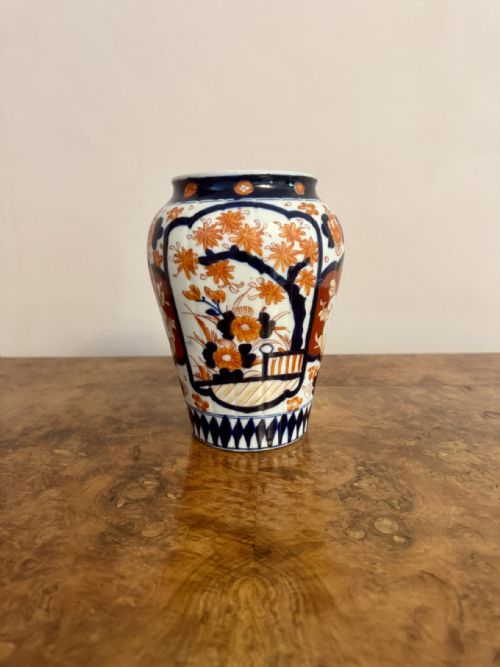
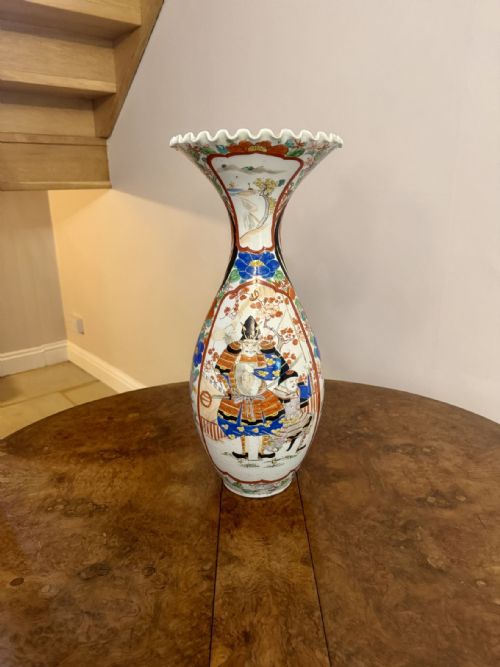
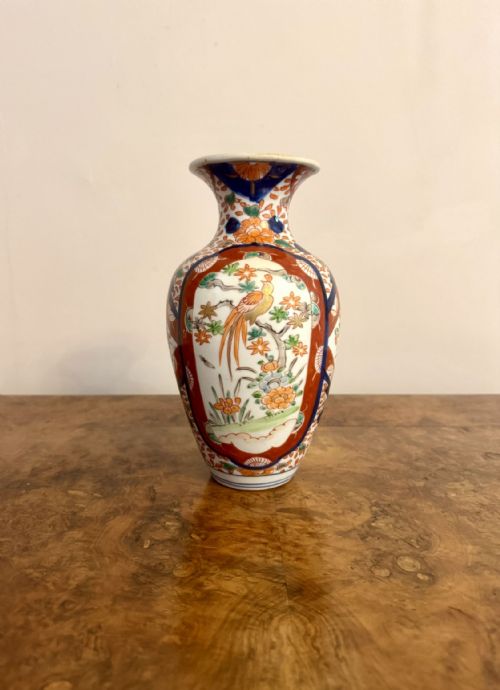
These antique imari decorative urn pieces bring rich cobalt blue, iron-red and gold patterns to any room.
Antique Imari Decorative Urn
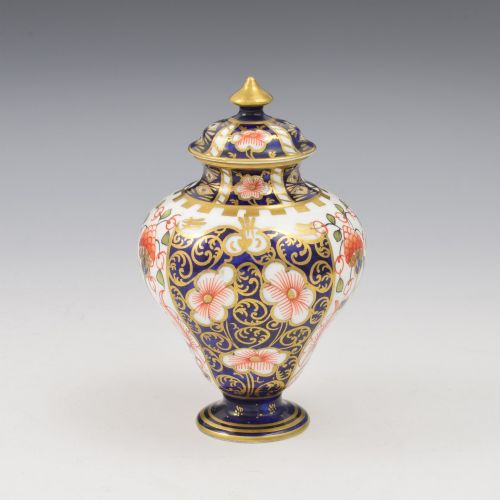
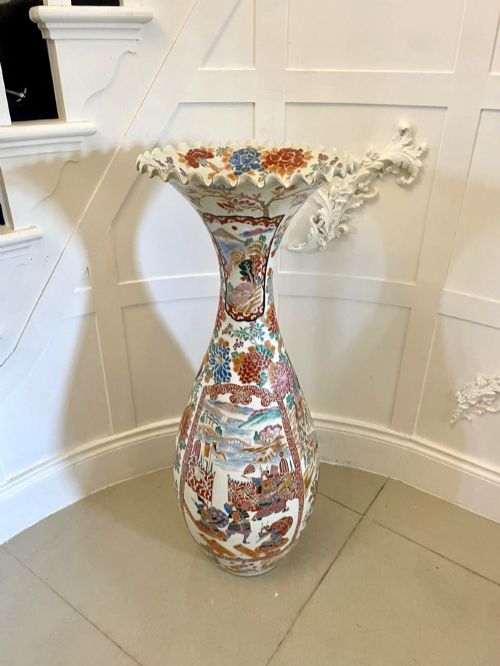
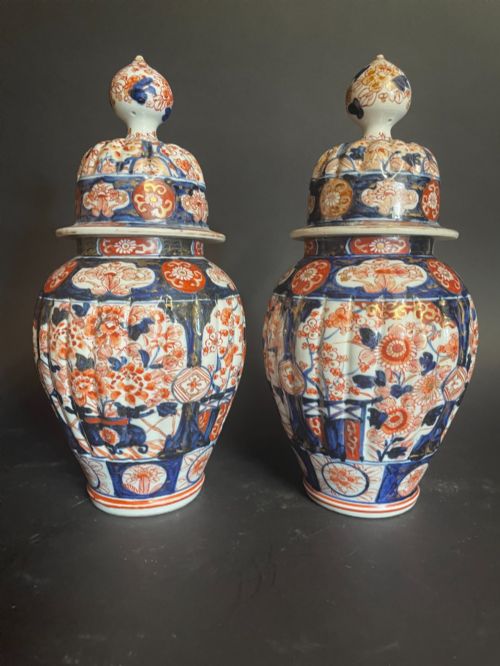
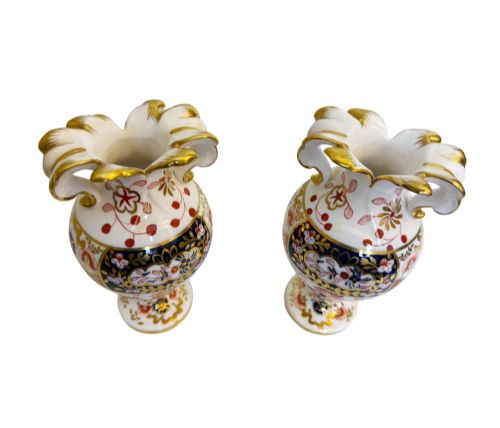
When you search for an antique imari decorative urn, you are looking at porcelain and ironstone vessels created across the nineteenth and early twentieth centuries. The selection on this page ranges from large floor-standing Japanese pieces to lidded jars, ginger jars, and twin-handled vases from English makers.
Japanese examples draw on Meiji and Edo period traditions, while English interpretations come from factories such as Royal Crown Derby, Spode, and Masons. These vessels appear in forms including baluster shapes, fluted bodies, and covered potpourri urns.
The dominant aesthetic relies on the traditional Imari palette of iron-red, cobalt blue, and gilding. Buyers encounter both monumental export pieces and smaller cabinet specimens designed for display.
Materials and methods of production
Potters shaped these pieces from fine porcelain, ceramic, and ironstone before applying intricate underglaze blue painting and overglaze iron-red enamel. Artisans then added gold leaf and gold gilding to highlight specific geometric and floral motifs.
Firing techniques allowed glazes to vitrify securely over the complex iron-red and blue pigments. Many Japanese export pieces originated in production centres like Arita, whilst English potteries adapted the style using durable ironstone bodies.
Listings span the nineteenth century through the Edwardian era, featuring materials including porcelain, ironstone, gold leaf, and glaze.
Distinctions in craftsmanship and design
The standard of an antique imari decorative urn rests upon the crispness of the hand-painted cobalt blue and the precision of the iron-red enamel work. Superior examples demonstrate rich, thick application of gold leaf and gilding that remains vibrant across the porcelain or ceramic surface.
Form and scale also dictate quality, with monumental floor vases and matched pairs demanding higher levels of ceramic control during the kiln-firing process. The clarity of detail in the traditional palette separates standard production items from finer studio output.
Royal Crown Derby·Spode·Masons·Fukagawa
The Antique Imari Decorative Urn Glossary
- Imari palette
- A distinctive decorative scheme utilising cobalt blue, iron-red, and gold on a white ceramic background. This colour combination originated in Japan and was later copied widely by European potteries.
- Ironstone
- A dense, durable type of earthenware patented in England during the nineteenth century. It provided a robust alternative to porcelain for large decorative vessels.
- Meiji Period
- The era in Japanese history spanning from 1868 to 1912, characterised by a massive increase in porcelain exports to Western markets. Pieces from this time often display exceptionally detailed enamel and gilt work.
- Garniture
- A set of three or more matching vases or jars designed to be displayed together on a mantelpiece or sideboard. These matched groups are particularly sought after by collectors.
- Baluster
- A vase shape with a rounded body that tapers toward the base and swells out above. This classic form provides a stable base for complex decorative panels.
Antique Imari Decorative Urn: Frequently Asked Questions
How do I identify Japanese Imari?
Japanese Imari pieces typically feature a characteristic palette of deep cobalt blue underglaze combined with iron-red and gold overglaze painting. The designs often incorporate floral panels, brocade patterns, and natural motifs.
Edo and Meiji period examples display hand-painted brushwork that differs from the transfer-printed adaptations produced by later European factories.
What is the difference between porcelain and ironstone?
Porcelain is a hard, translucent ceramic fired at very high temperatures, commonly found in traditional Japanese imports. Ironstone is a heavier, opaque ceramic developed in England for enhanced durability.
Both materials served as canvases for the Imari palette, but ironstone pieces tend to be thicker and heavier in the hand.
How were lidded jars used historically?
Lidded jars and ginger jars served both functional storage purposes and purely decorative display roles within nineteenth-century interiors. Covered vessels kept precious spices or potpourri contained while adding symmetrical balance to a room.
Large pairs were often placed on mantelpieces or flanking fireplaces as focal points.
Are English and Japanese Imari different?
English Imari pieces, such as those by Royal Crown Derby or Spode, interpret the Japanese aesthetic through European ceramic shapes like ironstone potpourri urns and twin-handled vases. Japanese pieces reflect native Meiji and Edo period manufacturing traditions originating from hubs like Arita.
Both follow the iconic blue, red, and gold colour scheme but utilise distinct clay bodies.