

Antique Housekeeper Cabinet
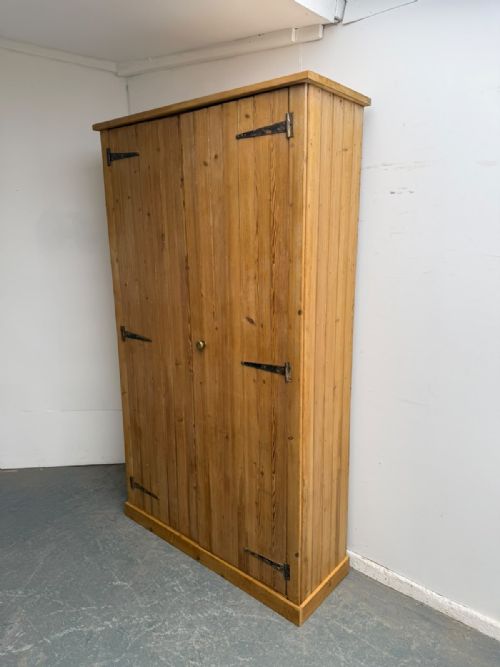
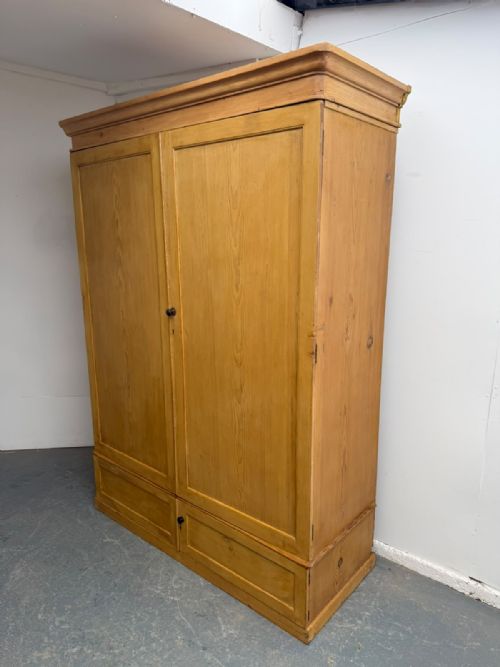
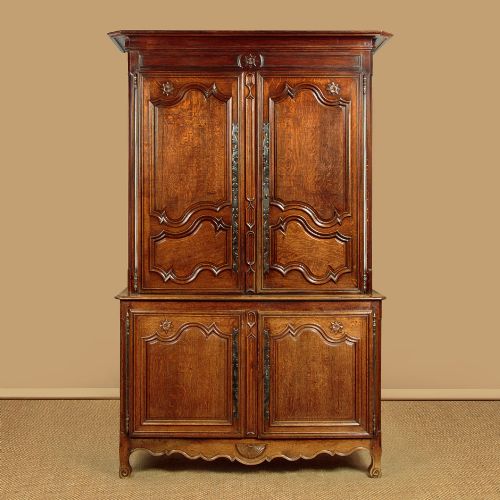
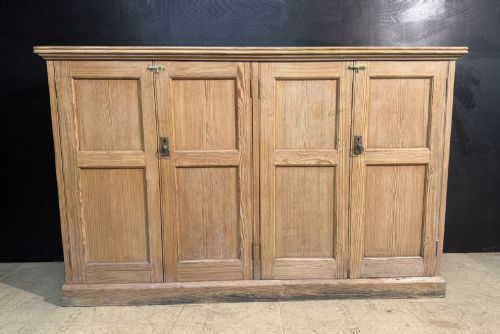
An antique housekeeper cabinet provides sturdy storage, and the versions found here range from robust pine to polished mahogany.
Antique Housekeeper Cabinet
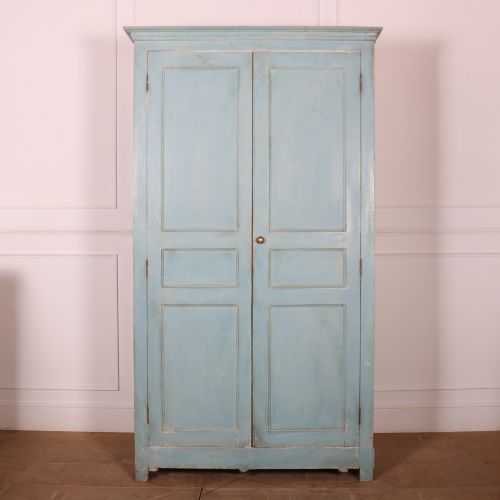
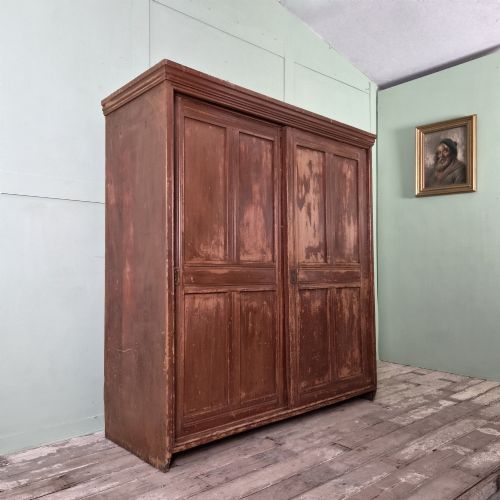
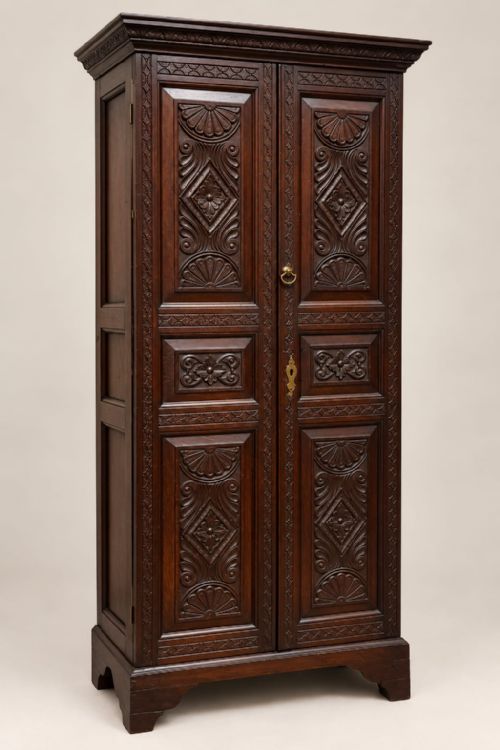
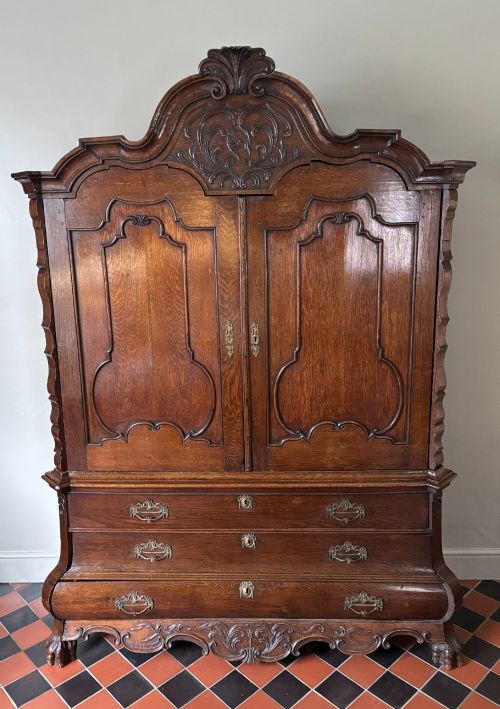
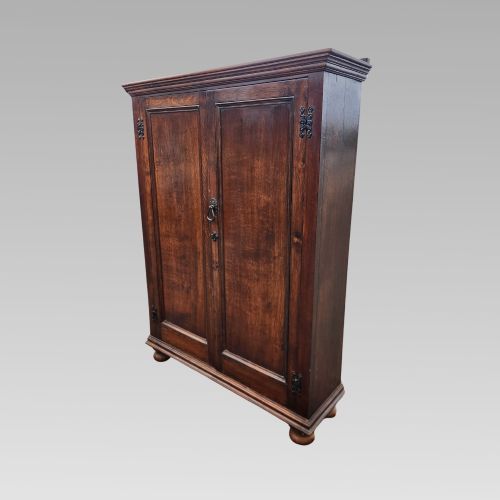
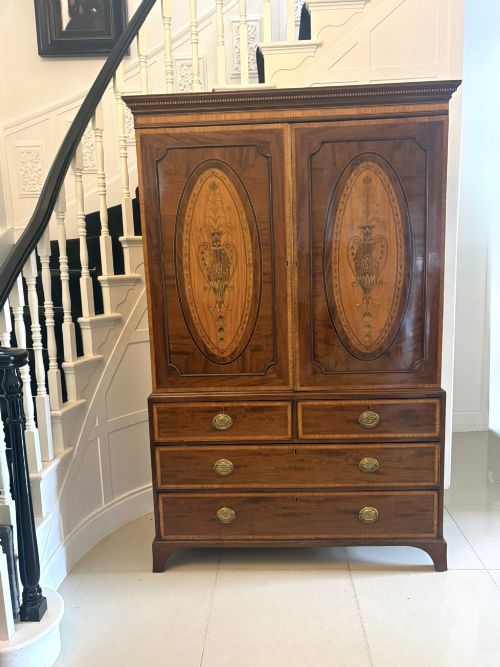
An antique housekeeper cabinet serves as a substantial storage piece, encompassing forms such as linen presses, larder cupboards, and large storage cabinets. Buyers seeking this phrase typically encounter pieces originating from Victorian, Georgian, and 18th-century periods, with pine and oak appearing frequently.
The utility of these pieces spans multiple rooms, functioning as wardrobes, kitchen larders, or general storage cupboards. Many examples reflect regional domestic traditions, including Welsh country styles and French provincial designs.
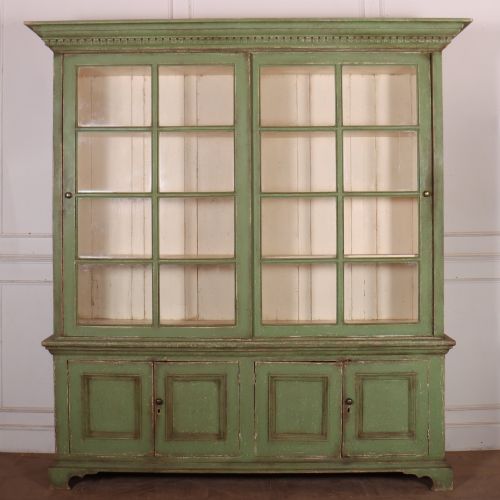
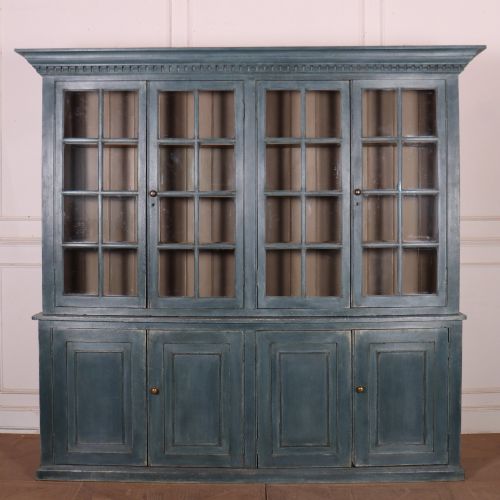
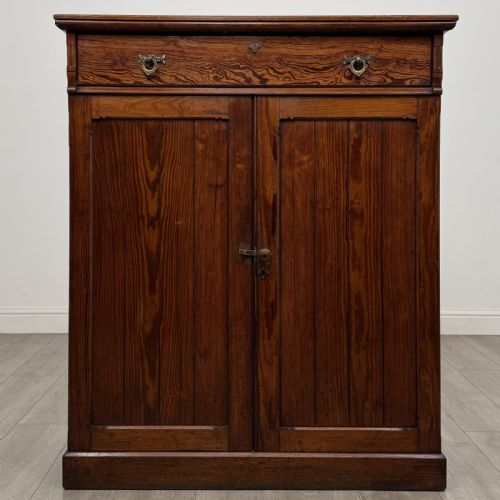
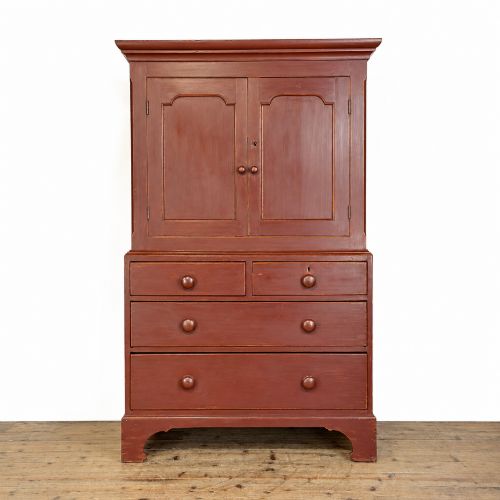
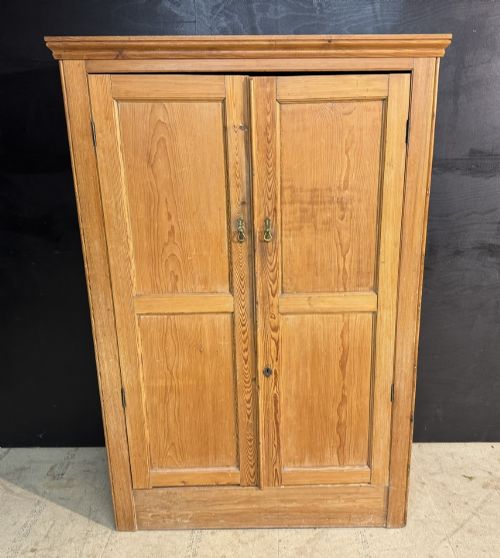
The selection includes both unpretentious painted softwoods and formal hardwood pieces in mahogany and walnut. Buyers will find variations from simple single-door cupboards to large multi-door storage solutions.
What varies in quality
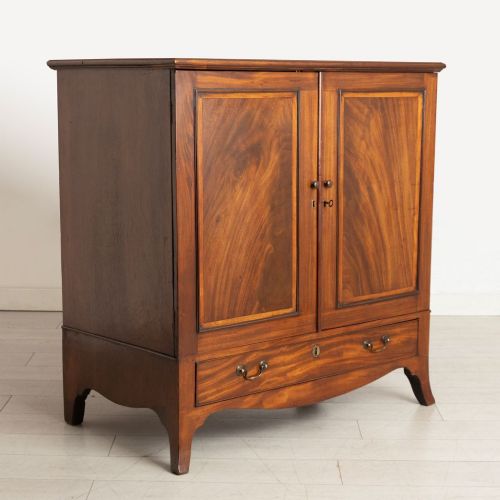
The choice of timber dictates much of the standing of a piece, separating dense hardwoods like burr walnut and mahogany from utilitarian painted pine. Construction details, such as fielded panels, dovetail joints, and original hardware, distinguish standard domestic furniture from finer workshop productions.
The preservation of original surface finishes, whether early paint, scumble glaze, or polished grain, influences the character of the cabinet. Proportion and scale also vary, from low single-door cupboards to tall, multi-part press cabinets.
Antique Housekeeper Cabinet Retail Price Guide 2026
Typical asking prices for housekeeper cabinet among the pieces listed under this phrase on Sellingantiques today, from the lower quarter to the upper quarter. They describe what is for sale here now, not the wider market.
Several pine cupboards retain traces of flour and old baking ingredients embedded deep within their vintage drawer corners.
Maple & Co.·Druce & Co.
The Antique Housekeeper Cabinet Glossary
- Linen press
- A tall cupboard designed specifically for storing folded linen and bedding, usually featuring sliding trays or shelves behind upper doors.
- Scumble paint
- A decorative surface technique where a translucent glaze is manipulated over a lighter base coat to imitate the grain of more expensive wood.
- Fielded panel
- A wooden panel with bevelled edges that fits into a grooved frame, allowing the wood to expand and contract safely.
- Court cupboard
- A traditional English heavy storage cabinet, typically featuring enclosed lower sections and an upper tier.
- Tack cupboard
- A utilitarian storage piece traditionally used in agricultural or estate settings for harnesses and equipment.
Antique Housekeeper Cabinet: Frequently Asked Questions
What is an antique housekeeper cabinet?
An antique housekeeper cabinet is a large utilitarian storage piece traditionally used in domestic service for linens, dry goods, and household provisions. These versatile cupboards often feature deep shelving or internal sliding trays.
Today, buyers utilise them in kitchens, hallways, and bedrooms as substantial standalone storage wardrobes or larder units.
How do I date an antique housekeeper cabinet?
Dating relies on observing construction methods, timber choices, and hardware styles. Earlier 18th-century pieces often display pegged oak joinery and hand-carved details, while Victorian examples frequently utilise pine with simpler machine-sawn components.
Examining the backboards, drawer linings, and screw types helps distinguish Georgian and Victorian periods from later Edwardian reproductions.
Are painted housekeeper cabinets original?
Many housekeeper cabinets were painted during their working lives to protect the softwood or to suit changing domestic aesthetics. Scumble finishes and traditional milk paints are frequently encountered on 19th-century country pieces.
Determining originality involves checking for layered wear beneath modern coats and assessing whether the paint matches the period of construction.
Where should I place a large cabinet?
Due to their substantial height and depth, these cabinets require adequate wall space and clearance for opening doors. They function well in spacious farmhouse kitchens, large hallways, or bedrooms requiring heavy-duty wardrobe space.
Ensuring floors are level helps prevent the heavy timber frames and doors from twisting over time.