



Antique Horse Trapping
These antique horse trapping pieces are tribal textiles and ceremonial blankets fashioned for animal adornment, offering rich folk art heritage for your home.
Antique Horse Trapping
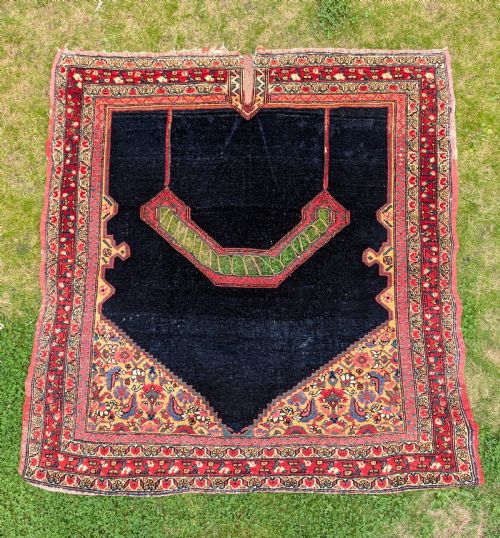
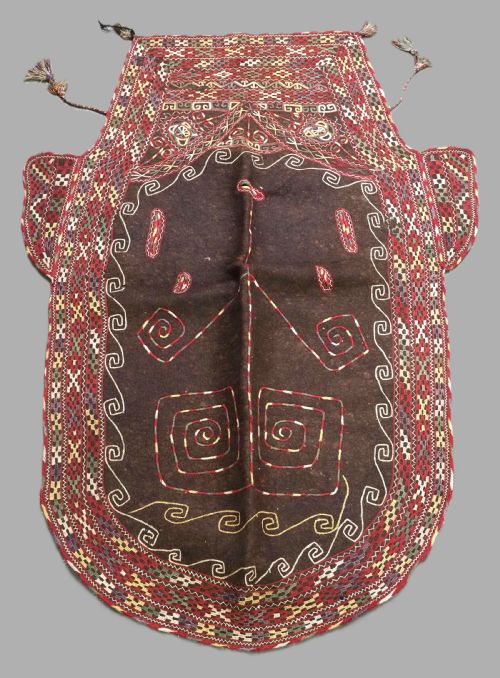
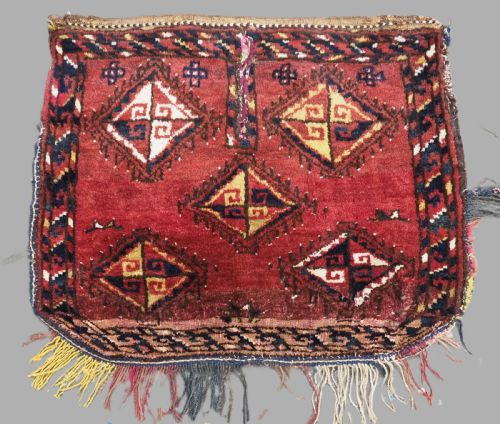
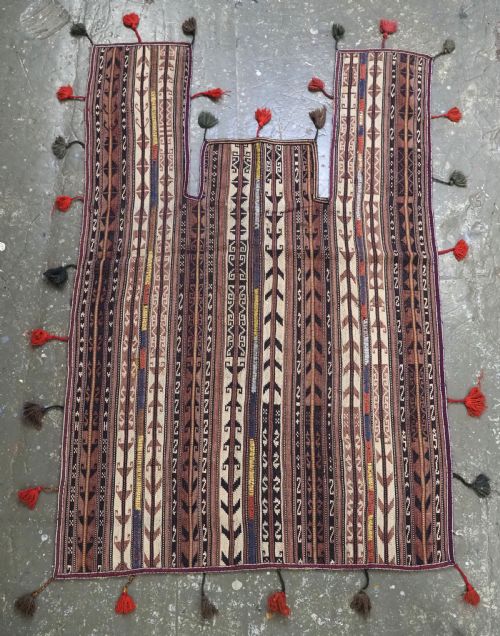
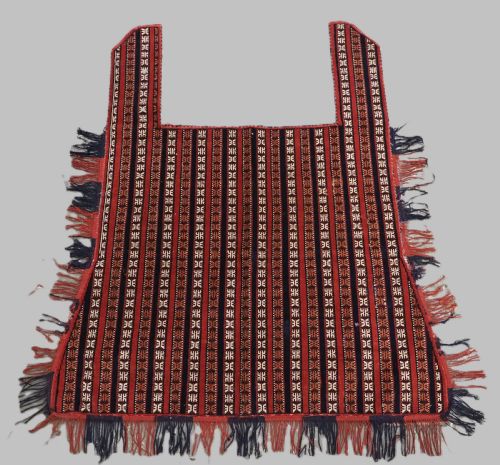
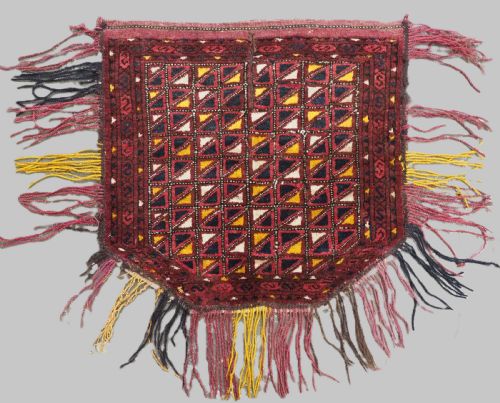
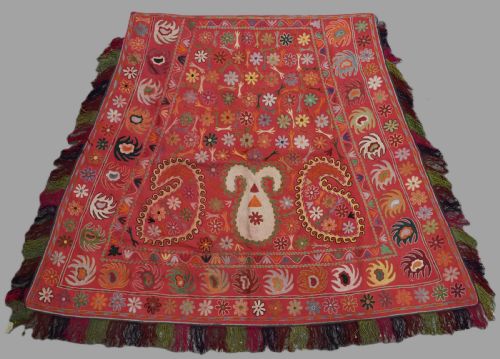
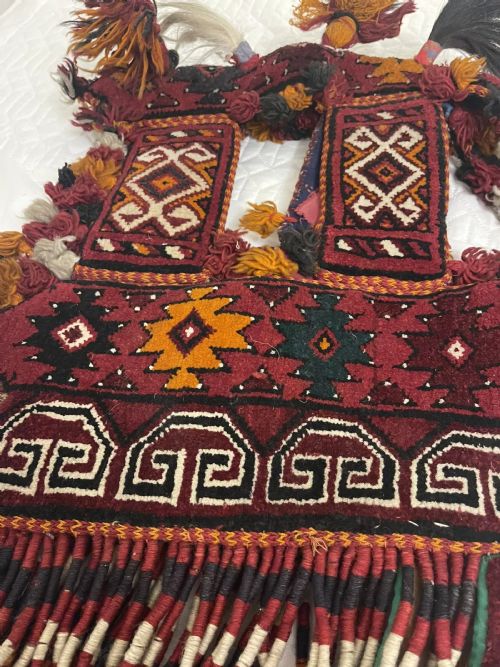
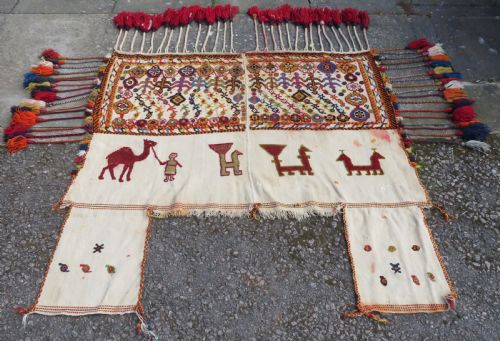
When you search for antique horse trapping, you encounter tribal textiles, saddle covers, and ceremonial blankets created by nomadic groups across Persia, Central Asia, and Afghanistan. The selection here leans heavily towards nineteenth-century and early twentieth-century examples, including Yomut Turkmen, Qashqa'i, and Uzbek Lakai pieces.
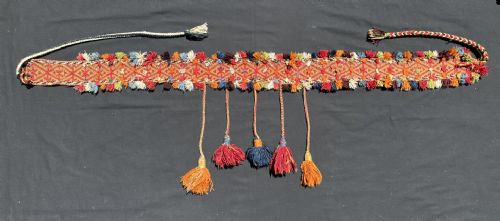
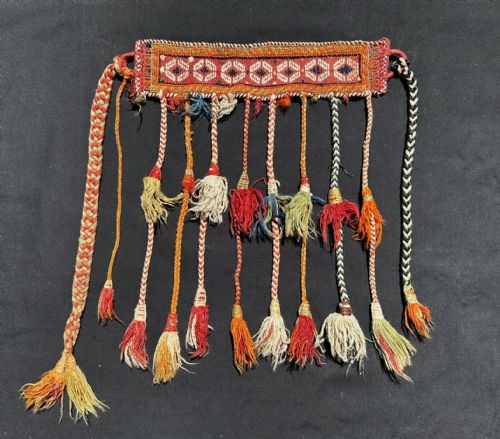
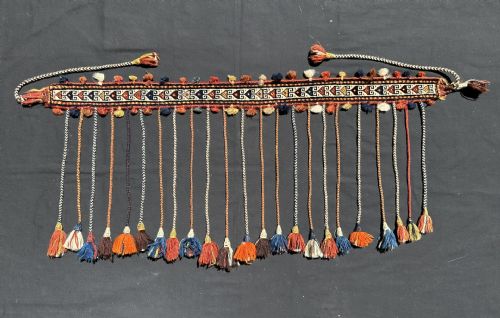
Forms range from complete saddle rugs and horse covers to wedding camel and horse neck dress garments. You also find framed chalk drawings depicting traditional four-wheel carts and traps from the Edwardian period.
The regional origins define the character of each piece, showing distinct tribal motifs and weaving traditions from places such as the Fars Province and Uzbekistan. These items served functional roles in nomadic life and ceremonial processions before entering the decorative market.
How they were made
Weavers utilised natural dyes, wool, cotton, and felted wool to construct these textiles, often employing intricate embroidery with silk thread and cotton thread. The base materials reflect the pastoral economies of the tribes who produced them.
Felted wool provided a dense, durable foundation for ceremonial blankets, while woven wool created structured saddle covers and rugs. Artisans embellished these surfaces with specialised needlework and traditional tribal patterns passed down through generations.
Listings feature wool, cotton, silk, and felted wool dyed with natural substances across nineteenth-century and Edwardian periods.
What varies in quality
The distinction between standard examples and the finest pieces rests upon the crispness of the tribal motifs and the survival of original elements like tassels. Ceremonial items with dense embroidery and intact structural components command greater attention from collectors.
Material preservation heavily influences the standing of a textile, particularly the vibrancy of natural dyes and the integrity of the wool or felt base. Superior examples display tighter knotting or finer needlework alongside a clear attribution to specific tribal groups such as the Yomut Turkmen or Qashqa'i.
The Antique Horse Trapping Glossary
- Ceremonial blanket
- A textile created for special occasions and animal adornment rather than daily riding use. These pieces often feature heavier embellishment and finer wool or felt.
- Saddle cover
- A protective or decorative textile shaped to fit beneath or over a riding saddle. They combine practical durability with traditional regional designs.
- Tribal textile
- Hand-woven or embroidered fabric produced by nomadic and village communities following ancestral patterns. Each piece carries motifs specific to its maker's regional group.
- Natural dye
- Colouring derived from plant, animal, or mineral sources prior to the widespread adoption of synthetic alternatives. These dyes yield the characteristic muted tones seen in older pieces.
- Tassels
- Ornamental tufts of thread or yarn attached to the edges of covers and rugs. Original tassels indicate a high degree of preservation for ceremonial items.
Antique Horse Trapping: Frequently Asked Questions
What is an antique horse trapping?
An antique horse trapping is a textile, blanket, or decorative garment created by tribal makers in regions like Persia and Central Asia for use on horses or camels.
These items range from utilitarian saddle covers to heavily embroidered ceremonial blankets designed for weddings and special processions.
How were these blankets used?
Nomadic tribes utilised these pieces to adorn riding and pack animals during ceremonies, migrations, and community celebrations.
They demonstrated the status and artistic skill of the tribe through distinctive regional patterns and careful needlework.
How do I display a textile?
Collectors often mount textile pieces as wall hangings or display smaller saddle rugs on flat surfaces away from direct sunlight.
Proper support prevents strain on the historical wool and cotton fibres over time.
How do I identify tribal origins?
Attribution relies on recognising specific geometric motifs, colour palettes, and weaving techniques associated with groups such as the Yomut Turkmen or Qashqa'i nomads.
Comparing structural details helps connect a piece to its specific geographic region in Persia or Central Asia.