
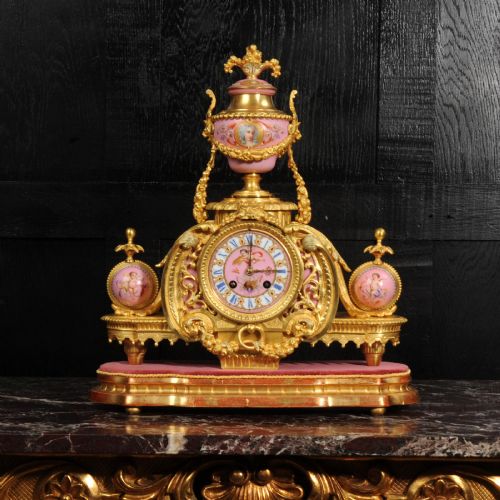
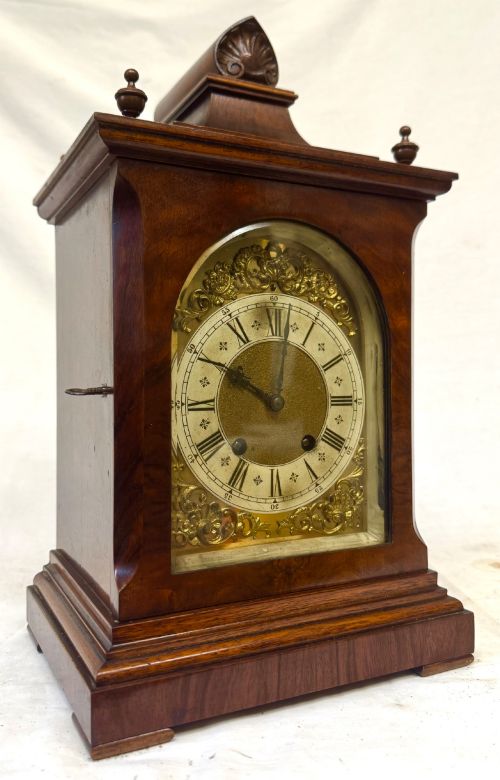
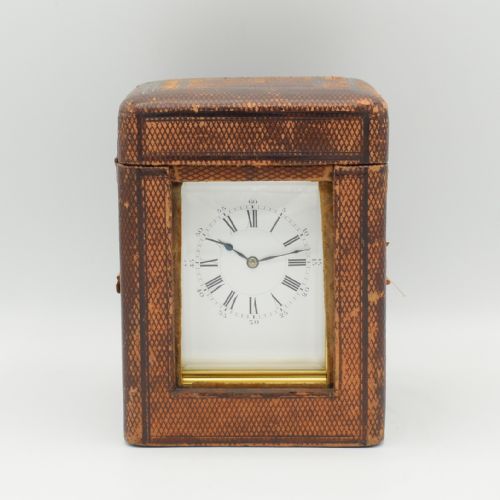
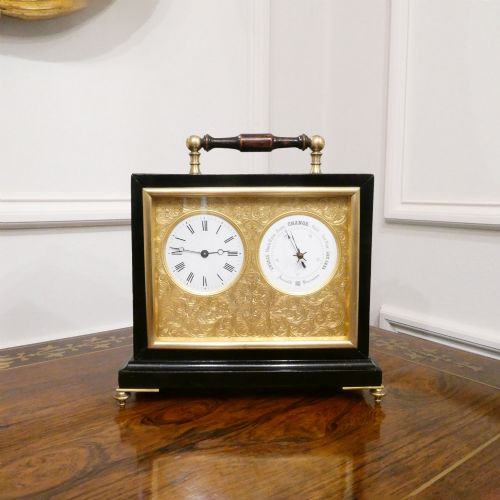
Antique Horology Mantel Clock
An antique horology mantel clock brings mechanical precision and period elegance into a room, serving both as a reliable timekeeper and a striking decorative centrepiece.

Antique Horology Mantel Clock
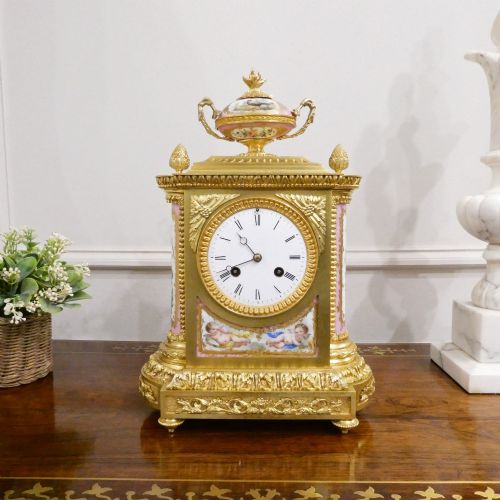
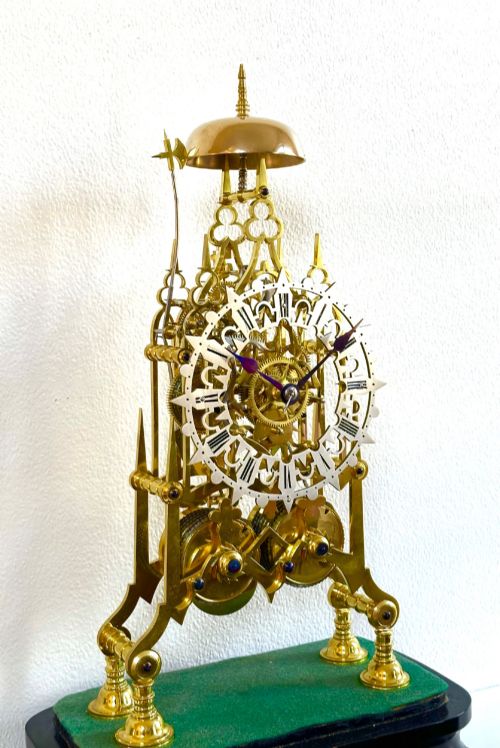
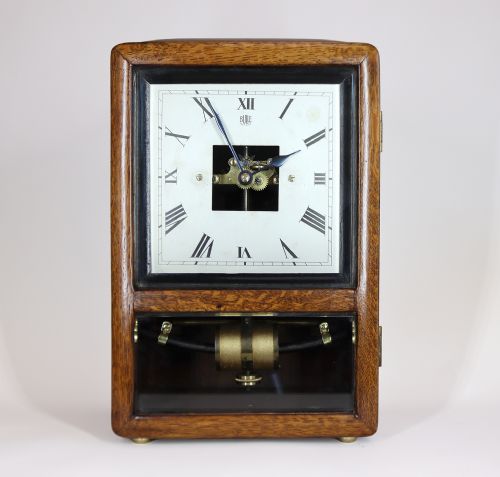
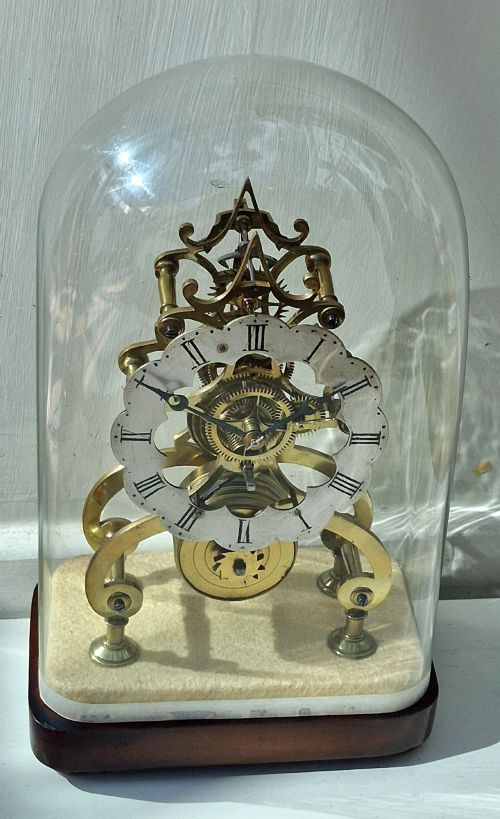
When you search for an antique horology mantel clock, you encounter a diverse array of timepieces designed for domestic interiors across multiple centuries. These mechanical objects include carriage clocks, bracket clocks, skeleton clocks, and lantern clocks housed in various portable or stationary cases. The selection spans distinct periods ranging from the seventeenth century through to the Edwardian era and the early twentieth century. French and British examples predominate, showing how different regional workshops approached timekeeping and cabinetmaking.
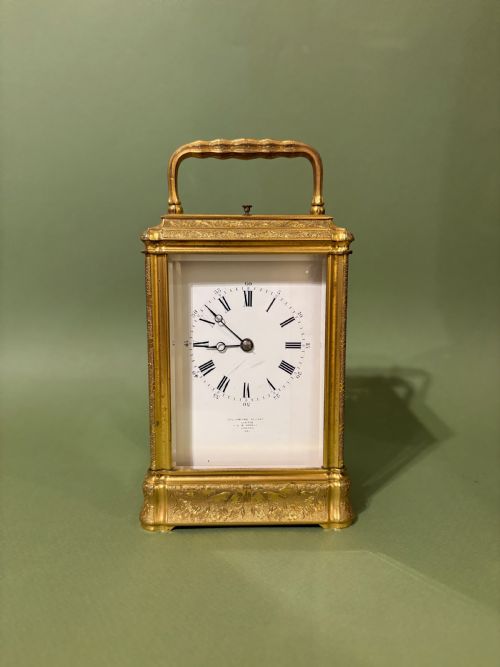
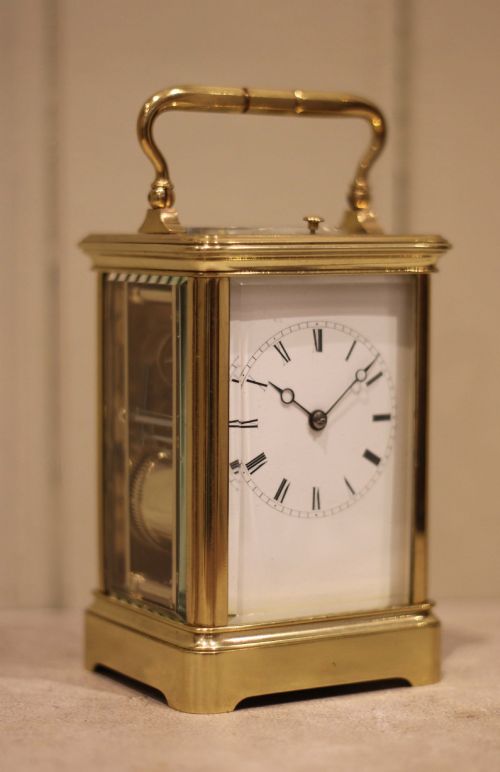
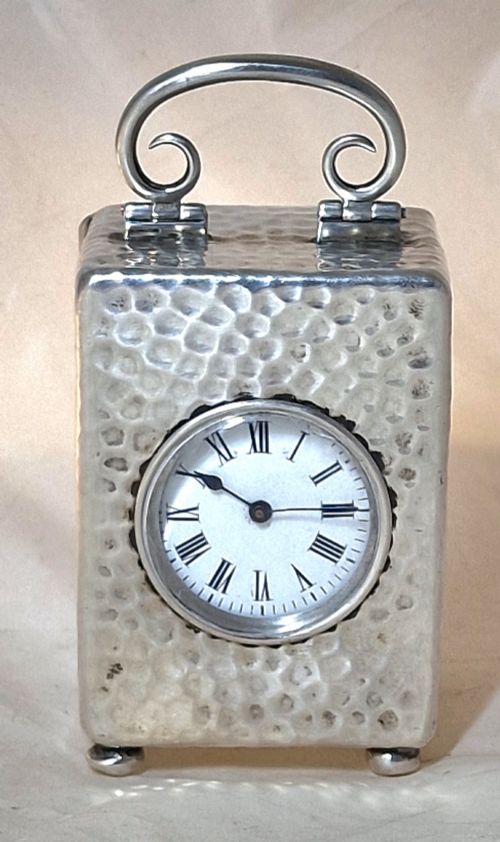
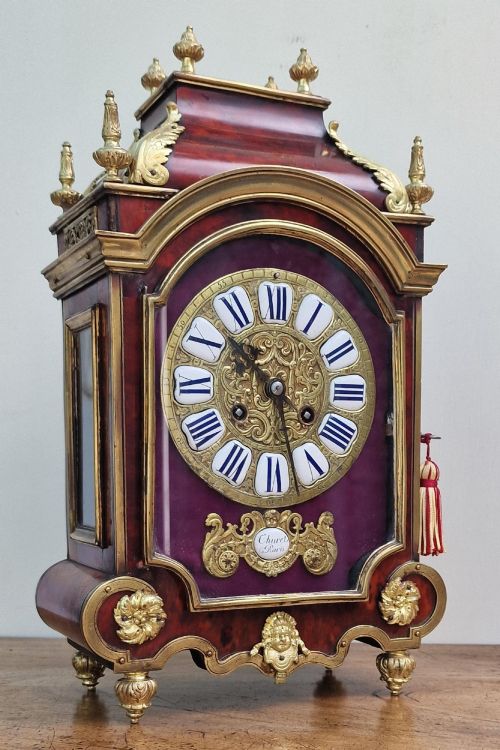
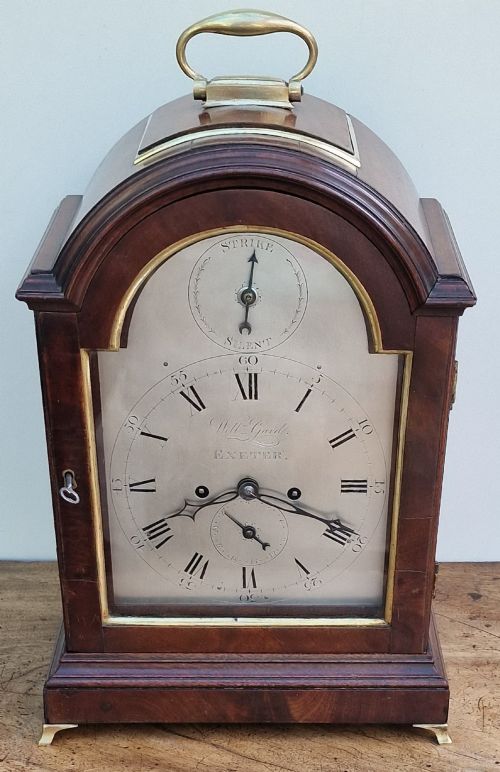
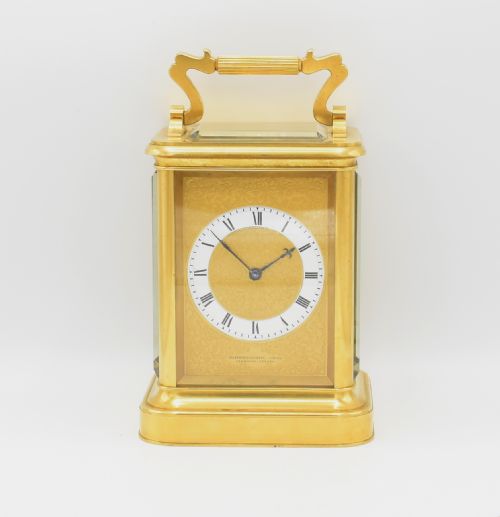
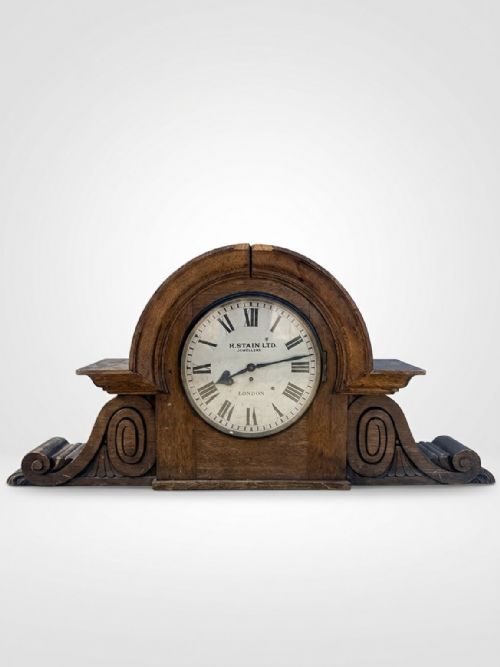
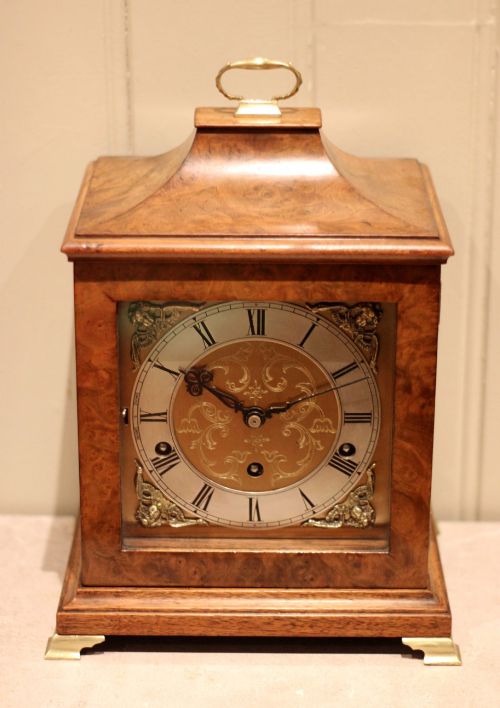
Carriage clocks and bracket clocks represent the most frequent forms encountered on this page, housed in brass, mahogany, oak, or walnut cases. Many incorporate striking or repeating movements, enamel dials, and glass panels that reveal the internal mechanics. Stylistic influences vary from classical Georgian and Regency designs to ornate French Rococo Revival and Arts and Crafts creations. Buyers meet everything from small portable travel clocks to large architectural mantel clocks intended for permanent domestic placement.
Materials and construction methods
The construction of an antique horology mantel clock relies on traditional metalworking and cabinetmaking techniques, combining heavy cast brass, ormolu, or gilt bronze with timber carcases of mahogany, walnut, ebonised wood, and oak. Clockmakers fitted intricate mechanical movements inside these enclosures, frequently utilising glass panels to protect delicate dials and escapements while allowing visibility of the working parts. Enamel and brass feature heavily in the creation of decorated dial faces, often paired with hand-engraved backplates or silvered chapters.
Cabinetmakers shaped timber cases using veneers of burr walnut, satinwood, and tortoiseshell, applying French polish or wax finishes to highlight the natural grain of the wood. Metal components were cast, chased, and gilded, while specialised makers constructed skeleton clocks with exposed gear trains supported on brass pillars. Cases often incorporated cast brass carrying handles, gorge bezels, or finely pierced frets to allow the sound of the bell or gong to project clearly.
Distinctions in quality and execution
Quality in an antique horology mantel clock rests upon the sophistication of the movement and the integrity of the materials used in both the mechanism and the case. Finer examples feature complex complications such as quarter-striking, repeat mechanisms, or dual-train fusee movements produced by renowned makers, whereas standard pieces rely on simpler eight-day timepieces. The precision of the hand-finishing on brass gear trains, escapements, and engraved backplates separates mass-produced items from high-end workshop output.
The choice of exterior materials and decorative enrichment also defines the tier of a clock, from solid ormolu and finely cast gilt bronze down to simpler brass and glass housings. Superior pieces display harmonious proportions, undamaged enamel dials free from hairlines, and untouched original case veneers or fire gilding. The presence of signed movements, maker plaques, and matching numbered travel cases adds further weight to the provenance and standard of the piece.
Henri Jacot·Achille Brocot·Mappin & Webb·Drocourt Paris·Sir John Bennett·Liberty & Co
The Antique Horology Mantel Clock Glossary
- Carriage clock
- A small, portable spring-driven clock originally designed for travelling by coach. They typically feature a brass case with glass panels and a swing handle on top.
- Bracket clock
- A portable table clock historically placed upon a dedicated wall bracket or shelf. These clocks frequently feature striking mechanisms and wooden or metal architectural cases.
- Skeleton clock
- A timepiece designed with an exposed movement held between pillars, allowing the viewer to observe the entire gear train and escapement in action.
- Fusee
- A conical pulley connected to the mainspring by a chain or cord that equalises the driving force as the spring unwinds. This mechanism improves the timekeeping accuracy of mechanical clocks.
- Gorge case
- A distinct rectangular brass carriage clock case design featuring stepped mouldings at the top and base. It is frequently associated with fine nineteenth-century French makers.
- Ormolu
- Finely ground high-carat gold-mercury amalgam applied to a bronze base metal. This decorative technique creates a rich golden finish on nineteenth-century clock mounts.
Antique Horology Mantel Clock: Frequently Asked Questions
Where should I place a mantel clock?
Position the clock on a stable, level surface away from direct sunlight, draughts, and extreme temperature fluctuations. Heavy timber furniture or dedicated mantelpieces provide ideal support.
Ensuring the surface is completely flat allows the pendulum or balance wheel to beat evenly. Uneven placement causes the mechanism to stop running.
How do I tell a French clock from an English clock?
French clocks of the nineteenth century frequently utilise brass gorge cases, striking mechanisms with countwheels, and porcelain dials adorned with painted numerals. Makers such as Jacot or Brocot often stamp their movements.
English bracket and lantern clocks typically feature fusee movements, substantial mahogany or oak cases, and engraved backplates signed by provincial or London makers.
What is a repeating carriage clock?
A repeating carriage clock sounds the last hour and quarters on demand when a plunger or cord on the case is pressed. This function allowed users to check the time in the dark.
Complicated striking trains require precise gear interaction, making repeating clocks more mechanically intricate than standard time-only carriage clocks.