



Antique Heraldic Shield
An antique heraldic shield displays ancestral arms and civic crests, offering collectors a striking piece of sculptural history for interior walls.

Antique Heraldic Shield
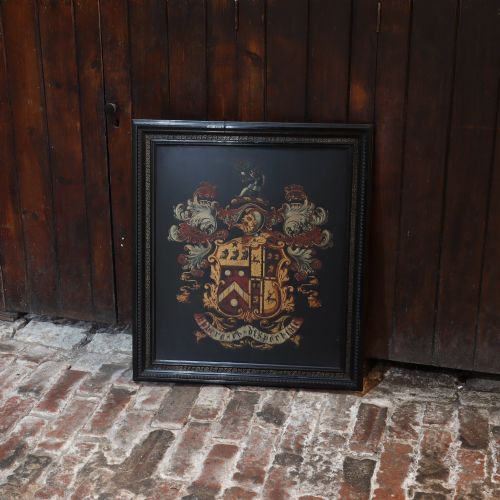
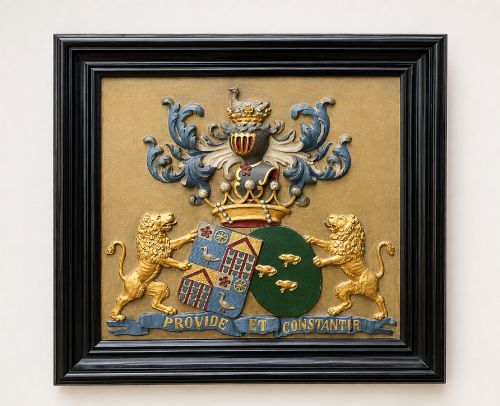
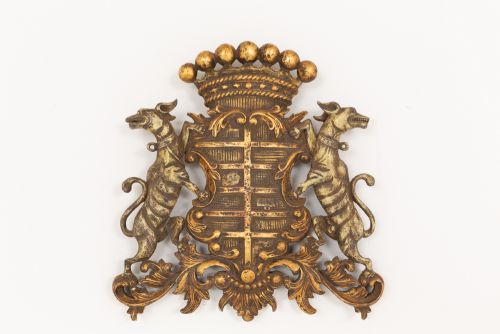
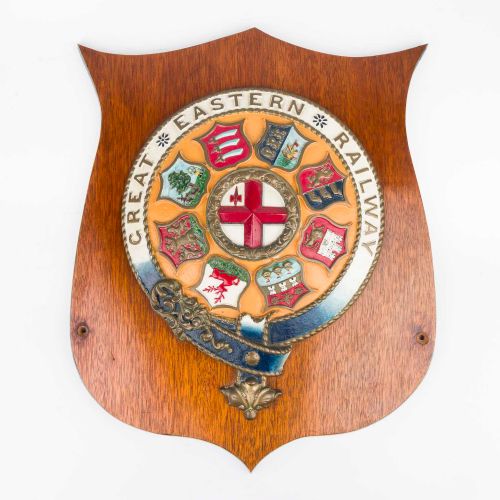
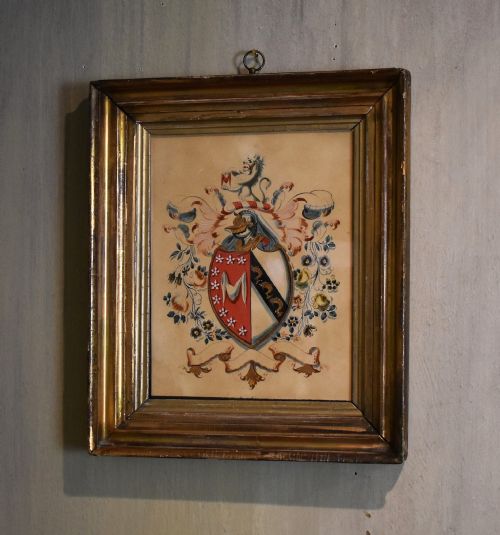
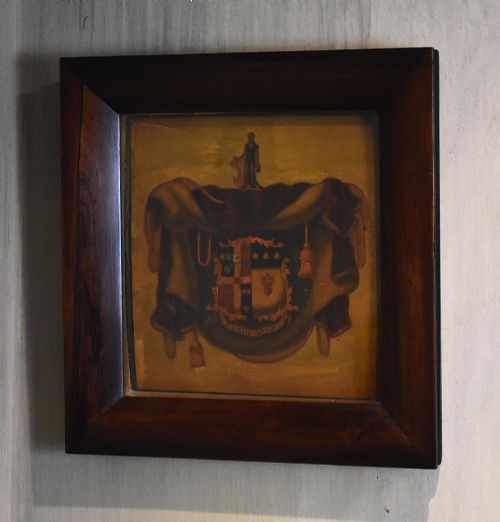
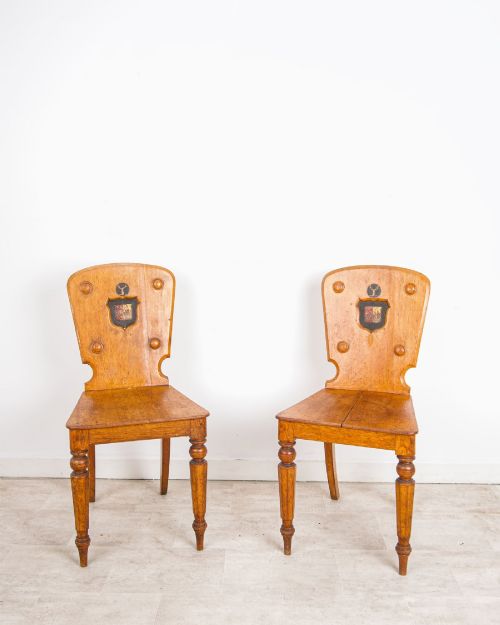
An antique heraldic shield takes several forms across this selection, appearing primarily as wall plaques, painted panels, and brass or iron armorial displays. These pieces serve as tangible records of family lineages, corporate identities, and institutional crests from past centuries.
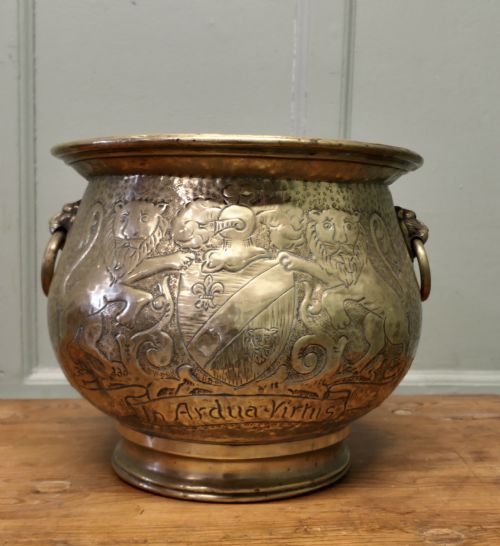
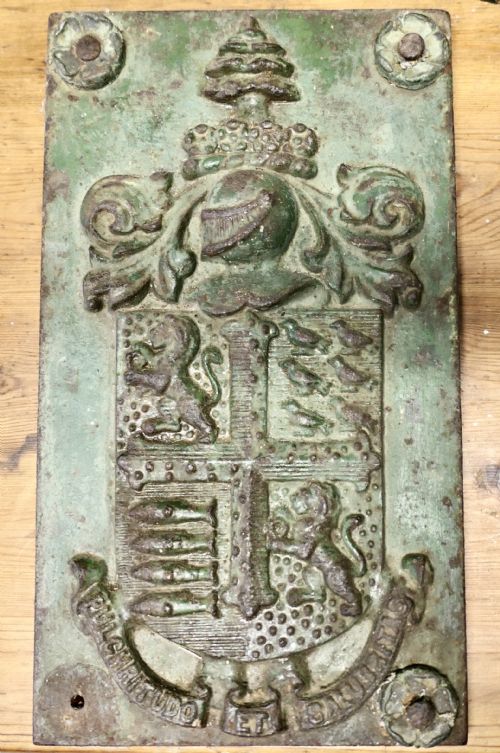
Buyers encounter items ranging from carved oak panels and repousse brass plaques to painted coach panels and cast iron royal coats of arms. The origins span British, Dutch, and European workshops, reflecting both domestic country house interiors and civic commissions.
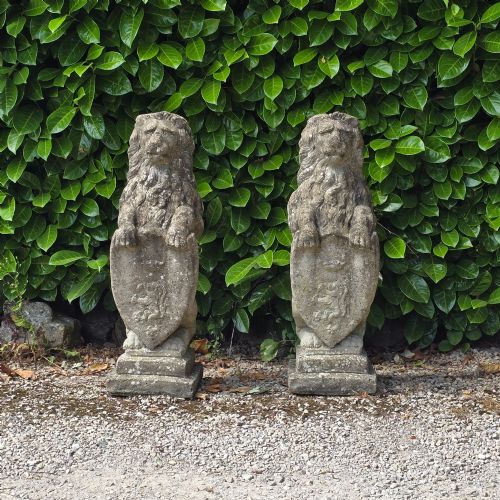
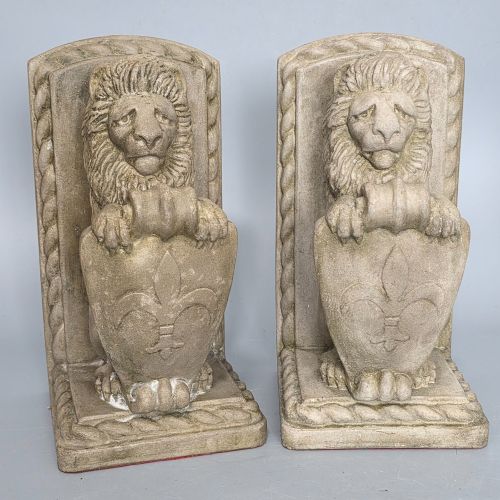
The material execution varies widely, encompassing polychrome paint on wood, embossed metal, and carved stone. Each piece captures a specific moment in heraldic art, from seventeenth-century Italian marble to nineteenth-century Gothic Revival interpretations.
How they were made
Makers shaped these shields using traditional woodworking and metalworking techniques, carving dense timbers such as oak and walnut, or casting iron and bronze in sand moulds. Artisans then applied polychrome paint, oil colours on glass, or watercolours directly onto the surfaces to delineate the heraldic tinctures.
Metalwork often involved repousse and chasing, where craftsmen hammered sheet brass from the reverse to raise the relief of the coat of arms before refining the details on the front. Carved wooden versions relied on chisels and gouges to render the intricate charges, mantling, and supporters associated with specific families or institutions.
A seventeenth-century fire screen protects gentle shins while silently arguing that your family crest is far more impressive than the hearth.
What varies in quality
The artistic execution of the armorial bearings and the crispness of the carving or metal stamping determine the standing of an individual piece. Finer examples display precise heraldic rules, accurate tinctures, and skilled hand-chasing that bring depth to the lions, crowns, and floral motifs.
The integrity of the original surface finish heavily influences desirability, distinguishing untouched period paint and patinated bronze from later overpainting. Furthermore, pieces that retain a documented lineage or connection to specific families and railways hold a more distinct historical value.
Louis-François-Frémiet·Taye Kenning & Spencer Ltd
The Antique Heraldic Shield Glossary
- Armorial
- Relating to heraldry or coat armour. These displays typically incorporate specific family or civic symbols.
- Repousse
- A metalworking technique where the artisan hammers a design from the reverse side to form a raised relief on the front. This method creates tactile depth on brass and bronze wall plaques.
- Polychrome
- Painted or decorated in several colours. This term frequently describes wooden or plaster crests retaining their original tinted pigments.
- Mantling
- The ornamental drapery depicted hanging from the helmet above the shield. It derives from the cloth attached to medieval helms to protect the wearer from the sun.
- Tincture
- The traditional colours, metals, and furs used in heraldry. These include hues like gules and azure alongside gold and silver leaf.
Antique Heraldic Shield: Frequently Asked Questions
How were heraldic shields used originally?
While actual combat shields belonged to the battlefield, decorative armorial plaques were mounted in great halls, municipal buildings, and coach panels to display status and allegiance. Families displayed them to assert their heritage and lineage to visitors.
Over time, the tradition shifted towards interior wall art, fire screens, and architectural salvage, preserving historical crests for domestic display.
How do I date an antique shield?
Dating relies on examining the material construction, the style of the mounting, and the specific heraldic conventions employed. Nineteenth-century pieces often reflect Gothic Revival or Victorian industrial aesthetics, while seventeenth-century examples show Baroque or Renaissance influences.
Signatures, metal casting techniques, and the ageing of the underlying wood or paint provide further clues to the period of origin.
How do I care for a painted wooden shield?
Care requires maintaining a stable indoor environment away from direct sunlight and drastic humidity fluctuations, which can cause wood to split and paint to flake. Dusting should be done gently with a dry, soft cloth without applying liquid cleaners.
Preserving the original surface finish ensures the historical integrity and visual character of the armorial display remain intact.