


17th Century Wall Sculpture
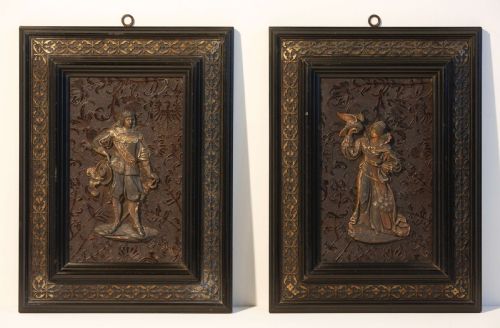
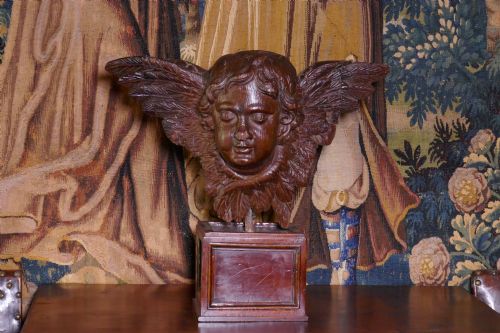
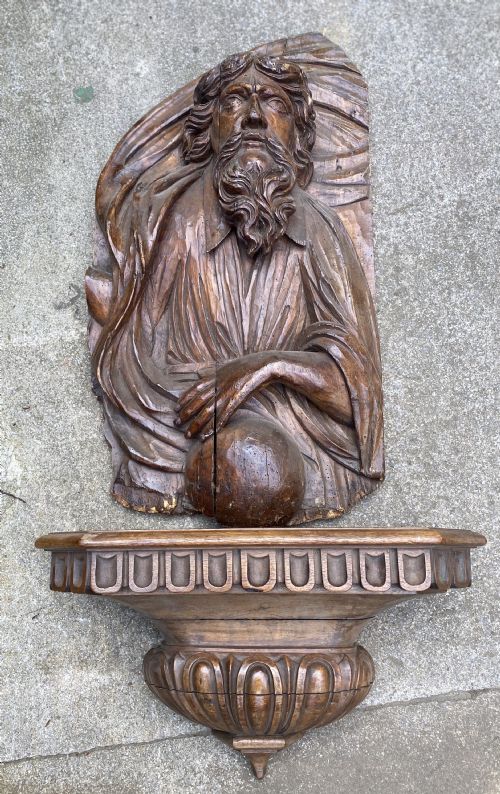
These pieces of 17th century wall sculpture bring tangible age and deep relief to a room, drawing the eye instantly through their dark timbers and classical motifs.

17th Century Wall Sculpture
When you search for 17th century wall sculpture, you encounter heavy architectural fragments, carved panels, and relief plaques designed for display on interior surfaces. These works range from vernacular English panels to continental Baroque carvings and later revivals.
The objects most frequently met on this page are carved oak panels and architectural salvage, alongside chestnut, walnut, and marble reliefs. They span the seventeenth century itself as well as later nineteenth-century interpretations in the Baroque style.
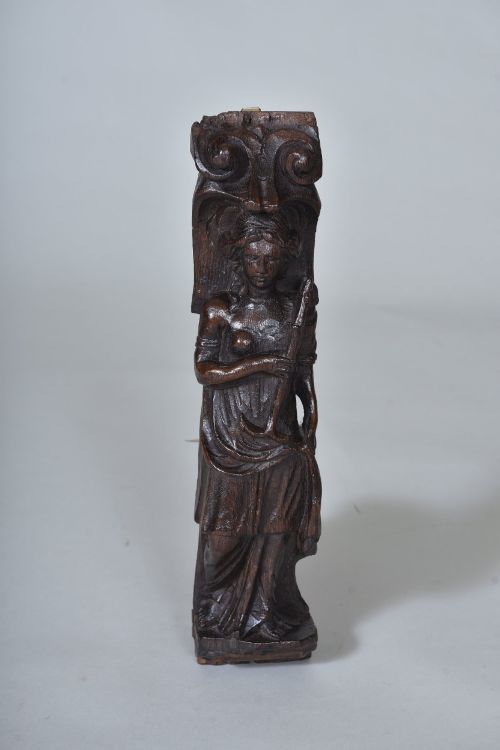
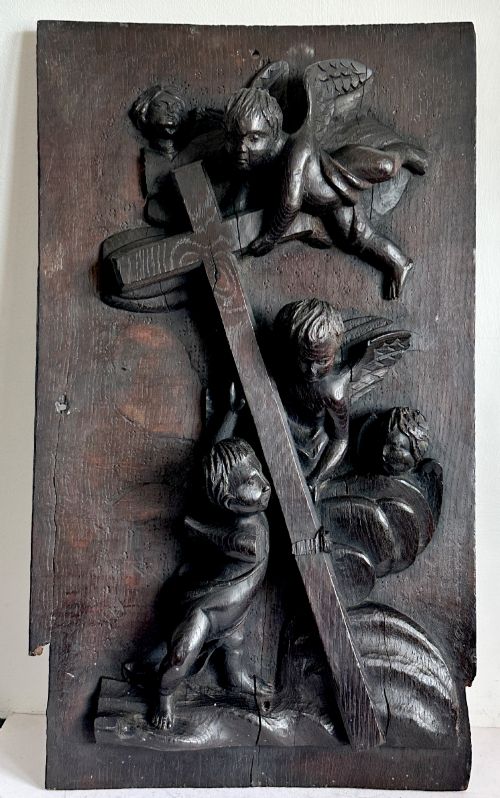
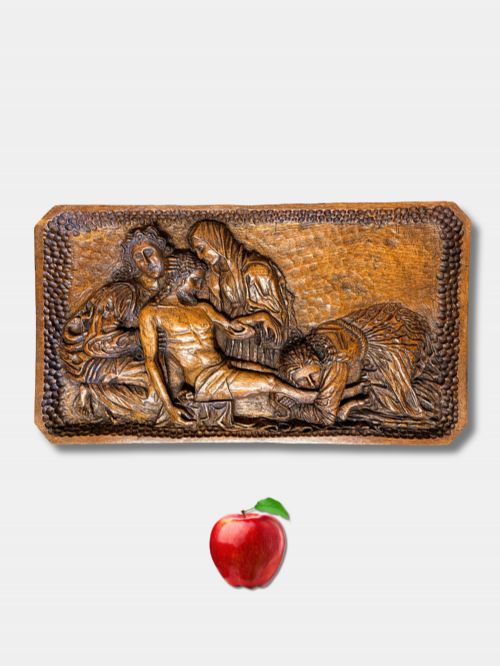
Forms vary from overdoor panels and corbels to wall plaques and figural sculptures depicting biblical scenes or classical heads. Each piece reflects the dominant sculptural styles of high Baroque, Italian Baroque, and Jacobean aesthetics.
Materials and construction
Makers shaped these sculptures primarily from dense hardwoods like oak, chestnut, and walnut, employing deep hand-carving techniques to achieve pronounced relief. Ebonised wood and marble also appear among the continental and classical fragments.
Metalwork enters the selection through cast white metal and gilded bronze relief plaques, combining metal casting with chased surface detail. Wood carvings frequently originated as structural elements before being repurposed for wall mounting.
Listings feature periods spanning the seventeenth century, 1890, and the broader nineteenth century, executed in oak, chestnut, bronze, marble, and walnut.
Judging quality and depth
Quality rests in the crispness of the chisel work and the expressive power of the figures, whether portraying a cherub head or an allegorical subject. Masterful undercut details and confident proportions separate ambitious workshops from simpler vernacular production.
The choice and grain of the timber dictate much of the visual weight, with well-preserved oak and walnut patinating richly over centuries. The integrity of the original carving surface, free from excessive later intervention, preserves the maker's intended dynamism.
Edward Pearce
The 17th Century Wall Sculpture Glossary
- Baroque
- A flamboyant style of art and architecture prevalent in the seventeenth century, characterised by drama, tension, and rich ornamentation. It appears frequently in continental carvings.
- Corbel
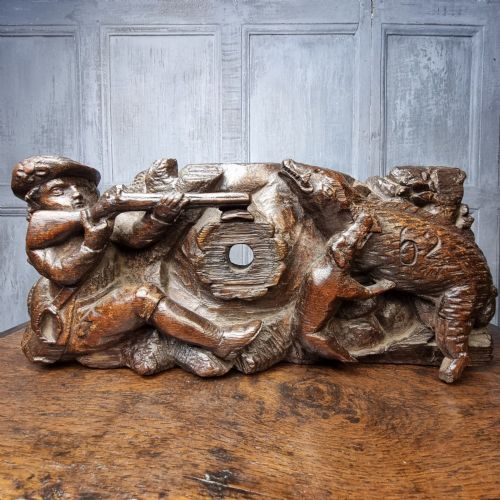
- A structural piece of stone, wood, or metal projecting from a wall to carry a weight. These often take figurative forms such as carved men.
- Relief
- A sculptural technique where the sculpted elements remain attached to a solid background of the same material. High relief projects boldly from the plane.
- Architectural salvage
- Building elements rescued from structures slated for demolition. This category includes panels, corbels, and crests repurposed as wall sculptures.
17th Century Wall Sculpture: Frequently Asked Questions
How do I hang a heavy wooden wall sculpture safely?
Heavy carved oak panels and marble crests require robust fixings secured directly into wall studs or masonry rather than standard plasterboard.
Use concealed metal brackets or weight-bearing mirror plates that match the substantial nature of seventeenth-century timber and stone.
Are nineteenth-century revival pieces considered authentic?
Pieces created during nineteenth-century revivals, such as 1890s bronze plaques or later oak carvings, represent a distinct period of historicism rather than original seventeenth-century manufacture.
These items are collected for their own craftsmanship and adherence to Baroque styles while remaining clearly separable by material analysis and tool marks.
How should I clean antique carved wood?
Dust carved wooden surfaces gently with a soft, dry brush to prevent dirt accumulating in the deep recesses of high relief scenes.
Avoid liquid cleaners, harsh detergents, or modern polishes that can strip the historic patina accumulated on oak and walnut over hundreds of years.
What rooms suit these architectural fragments best?
These sculptural elements work effectively in spaces with high ceilings and plain walls where their dark woods and deep reliefs can serve as focal points.
Libraries, hallways, and living rooms provide appropriate backdrops that complement the historic weight of seventeenth-century panels and corbels.