
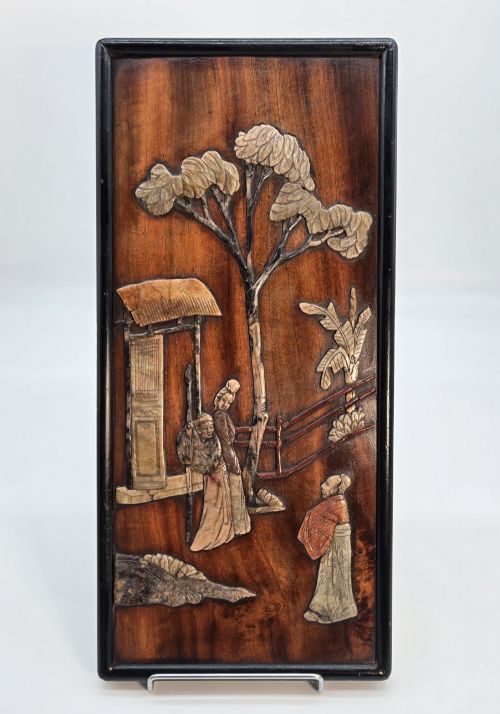


Antique Stone Wall Relief
An antique stone wall relief brings centuries of architectural presence indoors, offering carved classical forms and weathered textures that anchor a room.

Antique Stone Wall Relief
When you search for an antique stone wall relief, you encounter carved architectural panels, architectural salvage, and sculptural plaques created to adorn interiors and exteriors alike. These pieces range from classical portraits to heraldic crests, capturing figurative scenes and decorative motifs directly from historic buildings.
The selections available here span numerous periods, including pieces from the eighteenth and nineteenth centuries alongside earlier carved sandstone and marble fragments. Common forms include framed wall art, relief carvings, and standalone wall sculptures fashioned from durable geological materials.
You are most likely to meet nineteenth-century Italian marble carvings and British architectural elements on this page, reflecting popular Grand Tour tastes and Victorian revival movements. Collectors also find occasional medieval Indian sandstone pieces and carved slate plaques among the diverse array.
Materials and techniques
Makers primarily utilised natural stones such as marble, sandstone, and slate, carving directly into the dense material using chisels and mallets. White marble and sienna marble allowed sculptors to achieve smooth portrait profiles and sharp neoclassical details, while sandstone provided a coarser texture suitable for architectural keystones and columns.
Alternative compositions appear in the record, including marble dust mixtures and plaster, alongside carved wood and slate panels. Artisans employed hand-carving techniques to create bas-relief depth, allowing figures and motifs to project subtly from the flat background plane.
Listings feature pieces spanning from pre-sixteenth century sandstone up to the twentieth century, with nineteenth-century Italian marble works appearing most frequently.
Distinctions in quality
The choice of stone and the integrity of the material dictate longevity and aesthetic impact. Dense marbles and fine-grained sandstones retain crisp edges and subtle surface patination over centuries, whereas softer binders or heavily restored breaks diminish the visual coherence of the relief.
Kasper Hendrik Roskam
The Antique Stone Wall Relief Glossary
- Bas-relief
- A sculptural technique where the figures project only slightly from the flat background. This method appears frequently in classical marble profile portraits.
- Keystone
- The central wedge-shaped stone at the apex of an arch that locks the other stones in place. Surviving examples often display carved dates or heraldry.
- Architectural salvage
- Building elements rescued from structures slated for demolition. These pieces retain authentic historical patination and weathering.
- Grand Tour
- A traditional trip through Europe undertaken by upper-class young men in the eighteenth and nineteenth centuries. Souvenirs from these journeys included carved marble cameos and relief plaques.
- Armorial plaque
- A wall panel displaying a coat of arms or heraldic symbols. These items record family lineages and civic identities.
Antique Stone Wall Relief: Frequently Asked Questions
What is an antique stone wall relief?
An antique stone wall relief is a carved sculptural panel or architectural fragment designed to mount directly onto a wall surface.
These pieces depict figures, animals, portraits, or decorative motifs raised from a solid stone background.
How were stone reliefs mounted historically?
Historically, stone reliefs were built directly into masonry walls as structural keystones, fireplace surrounds, or decorative facade panels.
Later examples created as standalone artworks often incorporate iron hanging brackets or wooden frames for interior display.
What materials are common in these reliefs?
Marbles such as white and sienna varieties dominate classical European pieces, prized for their fine grain and polish.
Sandstone and Welsh slate appear frequently in architectural salvage and regional British plaques, offering coarser textures and earthy tones.
How do I care for stone wall art?
Stone reliefs require minimal maintenance beyond gentle dusting with a soft, dry brush to prevent particle accumulation.
Avoid liquid cleaners, waxes, or abrasive cloths that can alter the historic patination and porous surface of the stone.