





Victorian Wall Charger
When you encounter a victorian wall charger, you are looking at a decorative display piece made to hang on timber-panelled walls or sit upon sideboards.
Victorian Wall Charger
A victorian wall charger is a large round platter or dish designed primarily for display rather than dining. The pieces seen on this page span the nineteenth century and into the edwardian period, encompassing varied decorative plates, plaques, and trays.
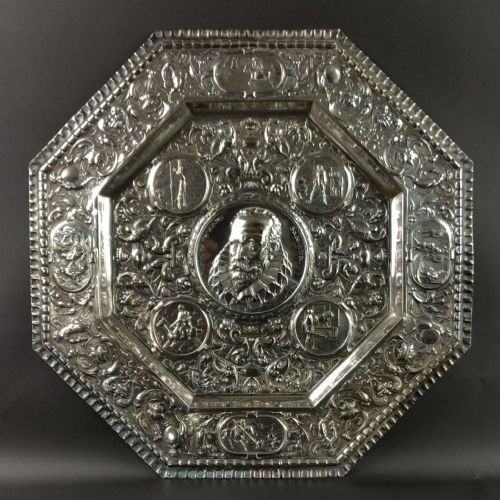
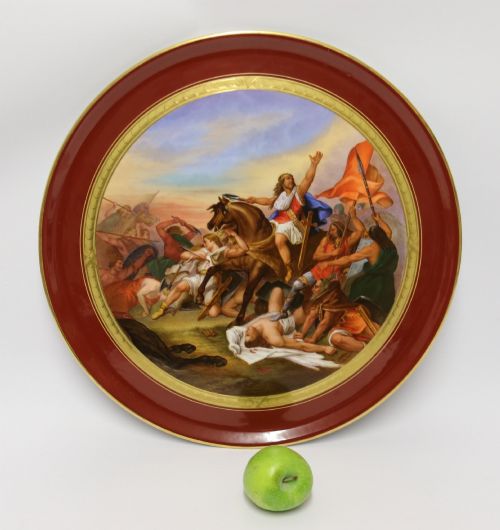
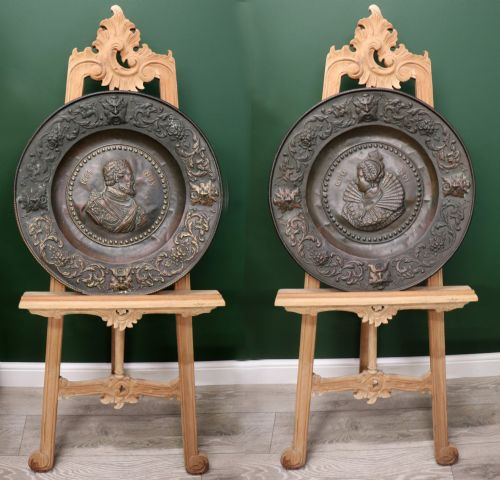
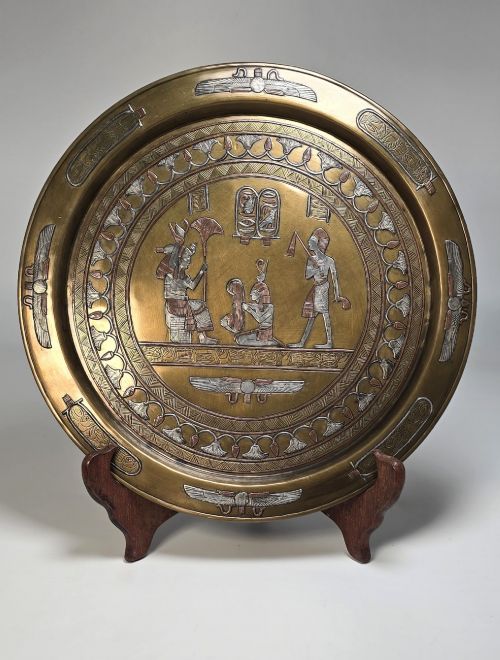
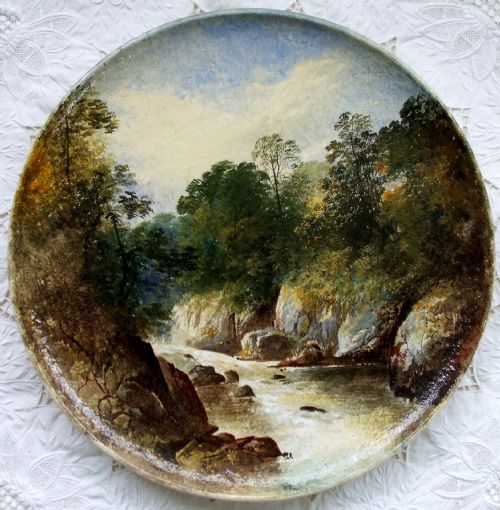
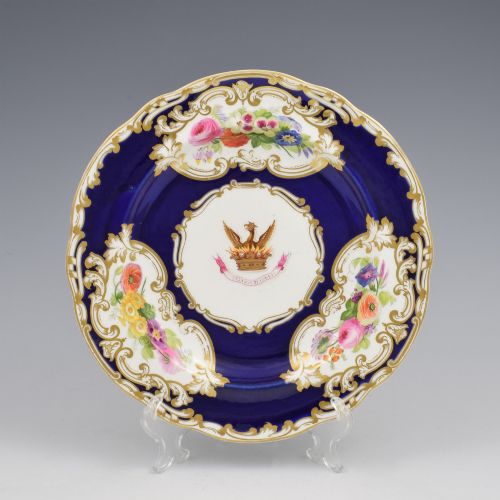
Makers utilised ceramic, porcelain, earthenware, and terracotta alongside metals such as copper, brass, bronze, and silver plate. Many incorporate hanging loops or mounting hardware intended to display portraits, battle scenes, landscapes, and armorial crests.
Examples range from Japanese imari wares and grand tour copper work to English pottery plaques and French painted porcelain. These items reflect the nineteenth-century passion for mounting decorative vessels on walls to fill domestic interiors.
Materials and construction
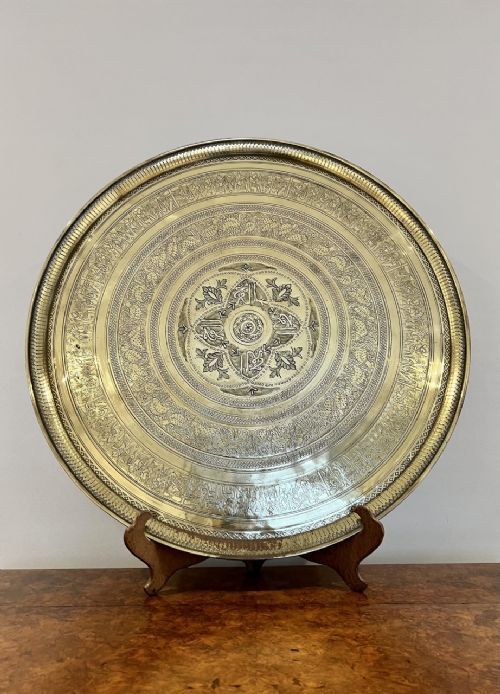
Metal items employ repoussé and engraving techniques, where artisans hammered copper, brass, and silver from the reverse to raise figurative or floral motifs. Some pieces utilise mixed metals, silver inlay, or electrotyping to achieve complex relief surfaces.
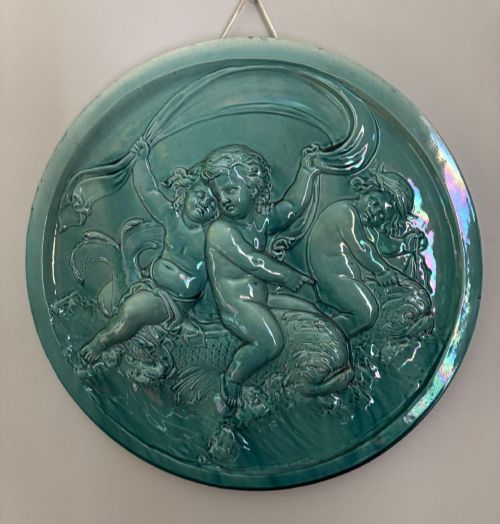
Ceramic examples rely on porcelain, earthenware, or terracotta bodies finished with glaze, enamel, or hand-painted details. Factories applied transfer printing, blue and white decoration, or rich Imari palettes before firing at high temperatures.
Moulders and painters combined relief modelling with delicate brushwork, as seen in portrait plaques and pictorial plates depicting historical and mythological subjects.
Monkeys find a home among historical emperors on this page, appearing in satirical terracotta relief alongside portraits of Henry IV.
Judging the work
Quality rests upon the crispness of the modelling in repoussé metalwork and the precision of the brush in hand-painted ceramics. Finer pieces display deeply chased details and balanced composition rather than flat, mechanical pressing.
The reputation of the pottery, foundry, or individual artist elevates a piece significantly. Factory marks from established houses like Minton, Meissen, Royal Worcester, or Copeland indicate superior paste and firing standards.
The complexity of the iconography, such as multi-figure historical scenes or intricate silver inlay, separates standard decorative wares from exceptional exhibition pieces.
Royal Bonn·Clement Messier·Ernst Wahliss·Meissen·Pucher Deroche·Elkington And Co·Mintons·Royal Worcester·Royal Crown Derby
The Victorian Wall Charger Glossary
- Charger
- A large decorative plate or dish, typically exceeding thirty centimetres in diameter, made for display on a sideboard or wall. These items functioned as ornamental centrepieces in Victorian dining rooms and halls.
- Repoussé
- A metalworking technique where the artisan hammers a design from the reverse side to form a raised relief on the front. This method creates tactile depth on copper, brass, and silver dishes.
- Imari
- A style of Japanese ceramic decoration featuring deep underglaze blue, iron red, and gilt highlights, widely copied by European potteries during the nineteenth century. These colourful patterns remain prominent on Victorian display plates.
- Grand Tour
- A cultural journey undertaken by nineteenth-century travellers who collected souvenirs such as metalware, plaques, and archaeological reproductions. Cairo Ware and bronze platters frequently originate from these travels.
- Reticulated
- Having an openwork or netted border formed by cutting through the ceramic clay before firing. This decorative edge appears on fine cabinet plates and display chargers.
Victorian Wall Charger: Frequently Asked Questions
How were wall chargers hung originally?
Victorian households utilised specialised wire plate hangers or fitted metal brackets screwed directly into the foot ring of the charger. Many heavy copper and brass examples arrived with integrated suspension loops.
Modern display requires careful selection of weight-rated fittings to support solid metal or dense ceramic bodies securely against plaster walls.
What is the difference between a charger and a cabinet plate?
Chargers are substantially larger, usually starting around thirty centimetres across, and were made to anchor a display scheme on a wall or sideboard. Cabinet plates are smaller, finer, and historically kept behind glass.
While cabinet plates focus on delicate hand-painted miniatures, chargers present bolder visual statements suited to viewing from a distance.
How do I care for antique metal chargers?
Copper, brass, and silver-plated items require gentle dusting with a soft, dry cloth to prevent the accumulation of abrasive particles. Avoid harsh chemical polishes that strip original patination and historic age.
Maintaining a stable indoor humidity prevents active corrosion on exposed base metals.
Are painted porcelain plaques fragile?
Porcelain plaques possess rigid ceramic bodies that resist sagging but remain vulnerable to sharp impacts or sudden thermal shock. The glazed and enamelled surfaces can chip if struck against hard walls.
Displaying them securely away from high-traffic household areas ensures their longevity.