
Antique Hall Side Table
An antique hall side table brings grounding presence and practical surface space to an entrance.
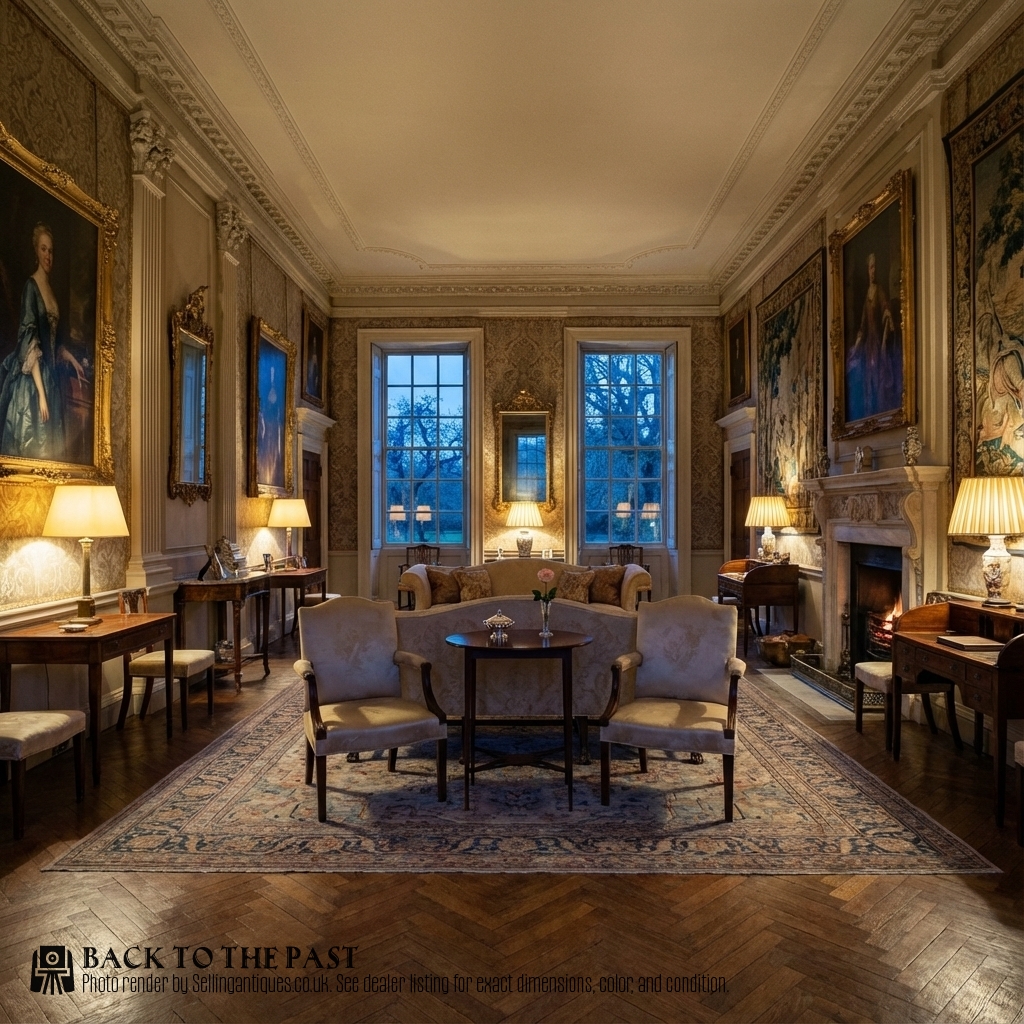
Defining the antique hall side table
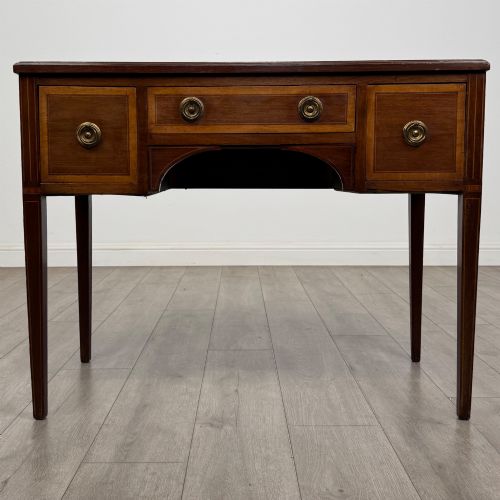
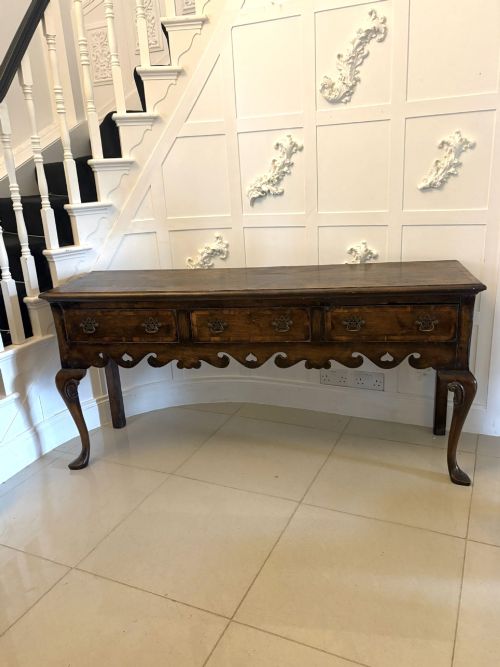
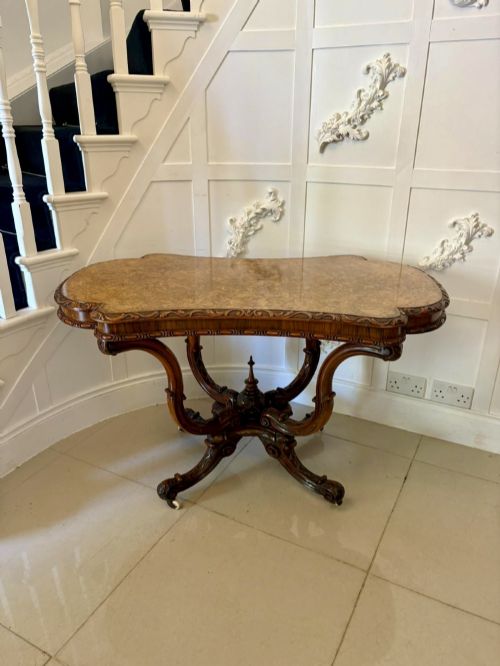
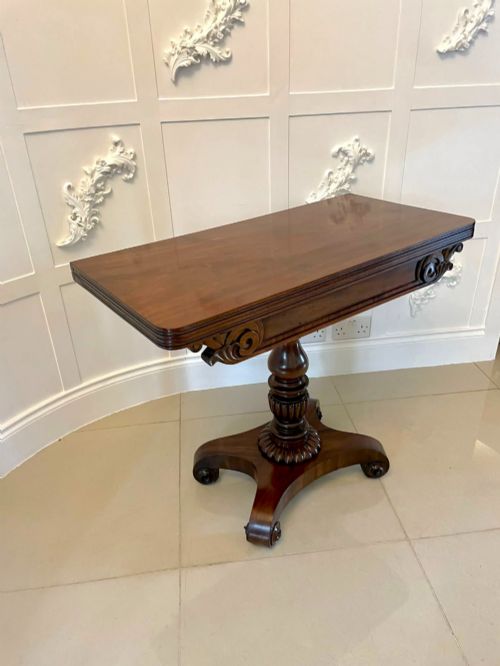
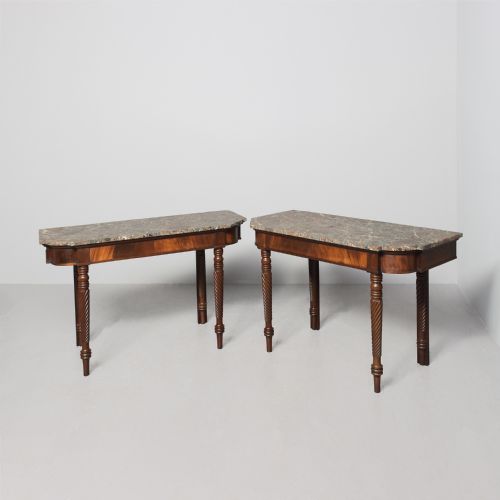
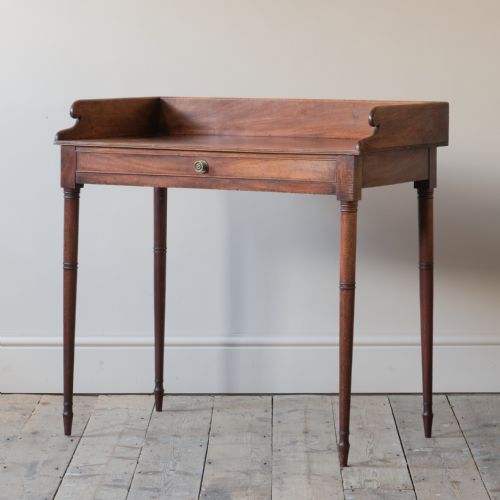
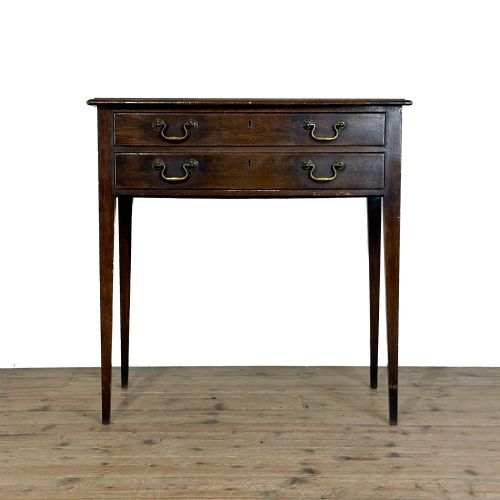
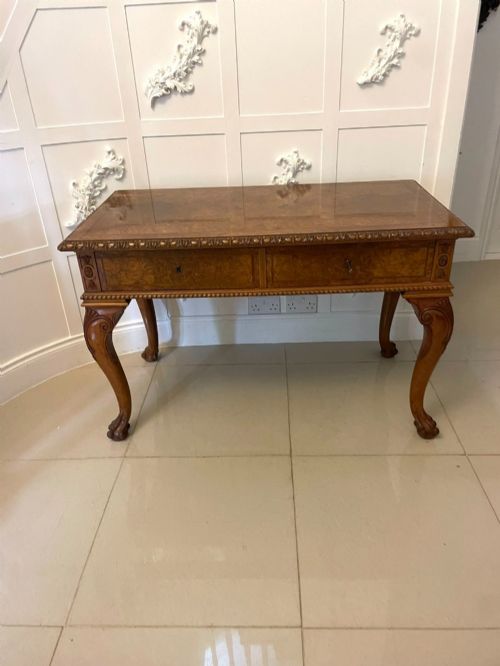
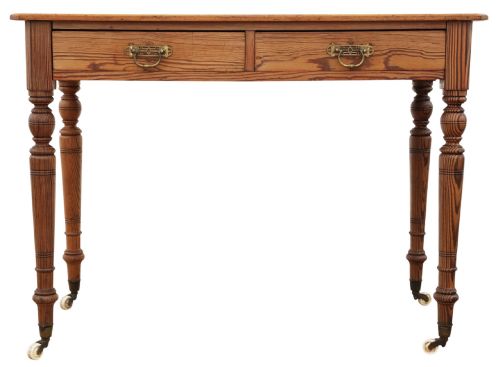
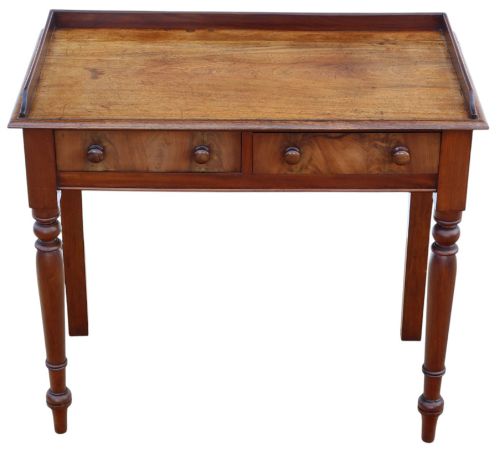
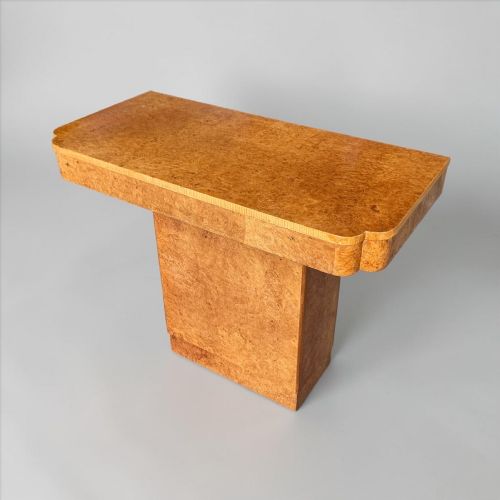
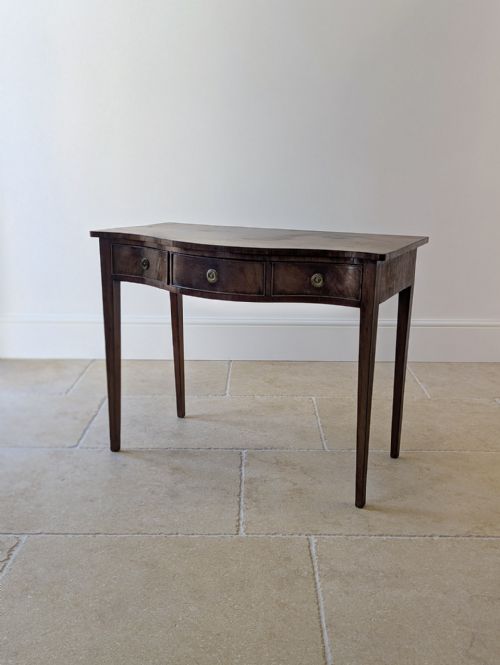
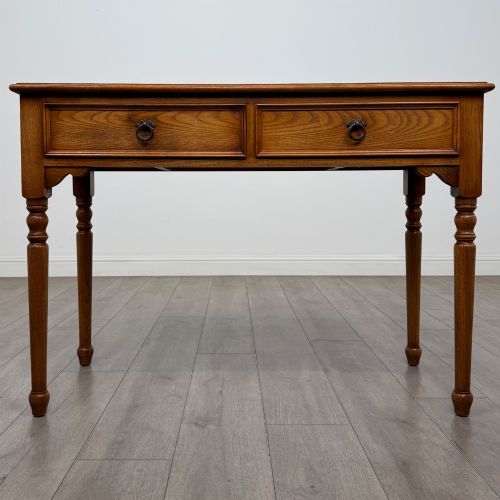
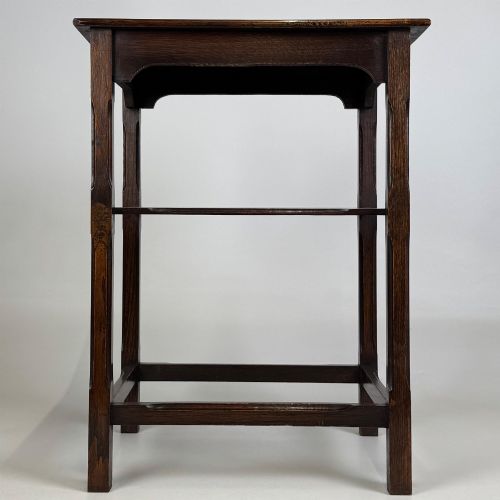
When searching for an antique hall side table, a buyer meets a practical form designed to stand against a wall in an entrance or reception space. These pieces span console tables, side tables, and occasional lowboys with single or multiple drawers.
The versions most commonly met on this page date from the eighteenth and nineteenth centuries, taking forms such as Georgian mahogany writing tables, oak refectory styles, and Victorian carved consoles. Makers built them in narrow proportions specifically to fit corridors and narrow reception areas without blocking movement.
The material palette ranges from dense local hardwoods like oak, elm, and ash to imported mahogany and walnut, occasionally topped with marble or finished with paint and gold leaf.
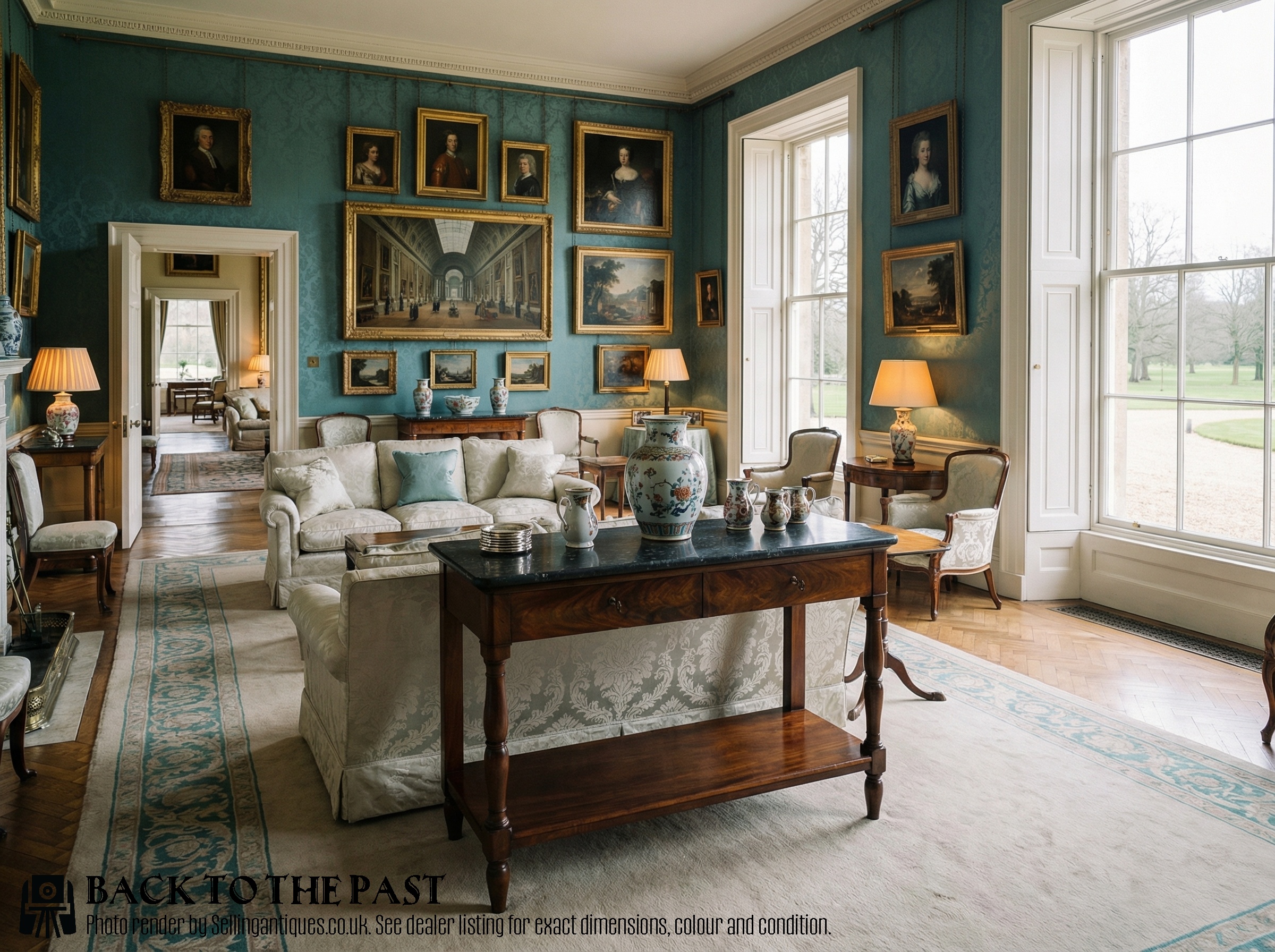
Materials and construction
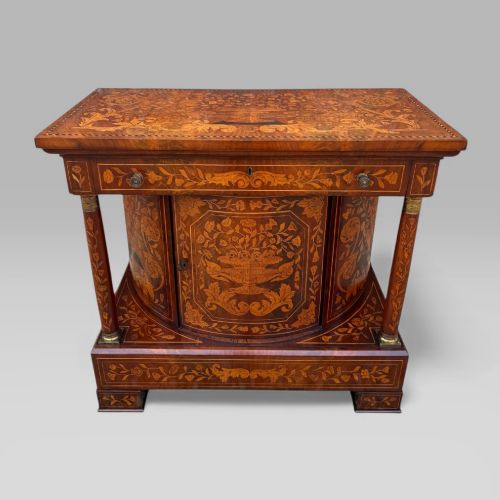
Cabinet makers utilised solid timbers alongside figured veneers, mounting flame mahogany and birdseye maple onto stable secondary woods. Joinery relied on traditional methods, incorporating hand-cut dovetails within drawer construction and tenon joints for structural frames.
Surface ornamentation varied according to period and fashion, ranging from linenfold and Green Man carvings on Jacobean revival pieces to delicate stringing, marquetry inlay, and hand-applied polish. Marble inserts appeared on neoclassical and revival consoles for added durability.
Retail Price Guide 2026
Typical UK retail prices for hall side table, calculated from the Sellingantiques database of over a million retail prices indexed since 2003. This retail price guide relies exclusively on Sellingantiques data; no external sources or auction records are used, so the figures do not describe the wider market.
Some Victorian hall tables feature carved Green Man motifs watching over your post.
Assessing quality and merit
Quality rests in the crispness of hand-carved details, the selection of timber figures such as flame mahogany or burr walnut, and the integrity of the underlying joinery. Superior examples maintain original drawer linings, brass hardware, and patinated surfaces untouched by modern stripping.
Proportion and scale distinguish finer pieces from utilitarian counterparts, with well-balanced legs and restrained mouldings indicating superior workshop origin. The presence of secondary timbers appropriate to the stated period further confirms authenticity.
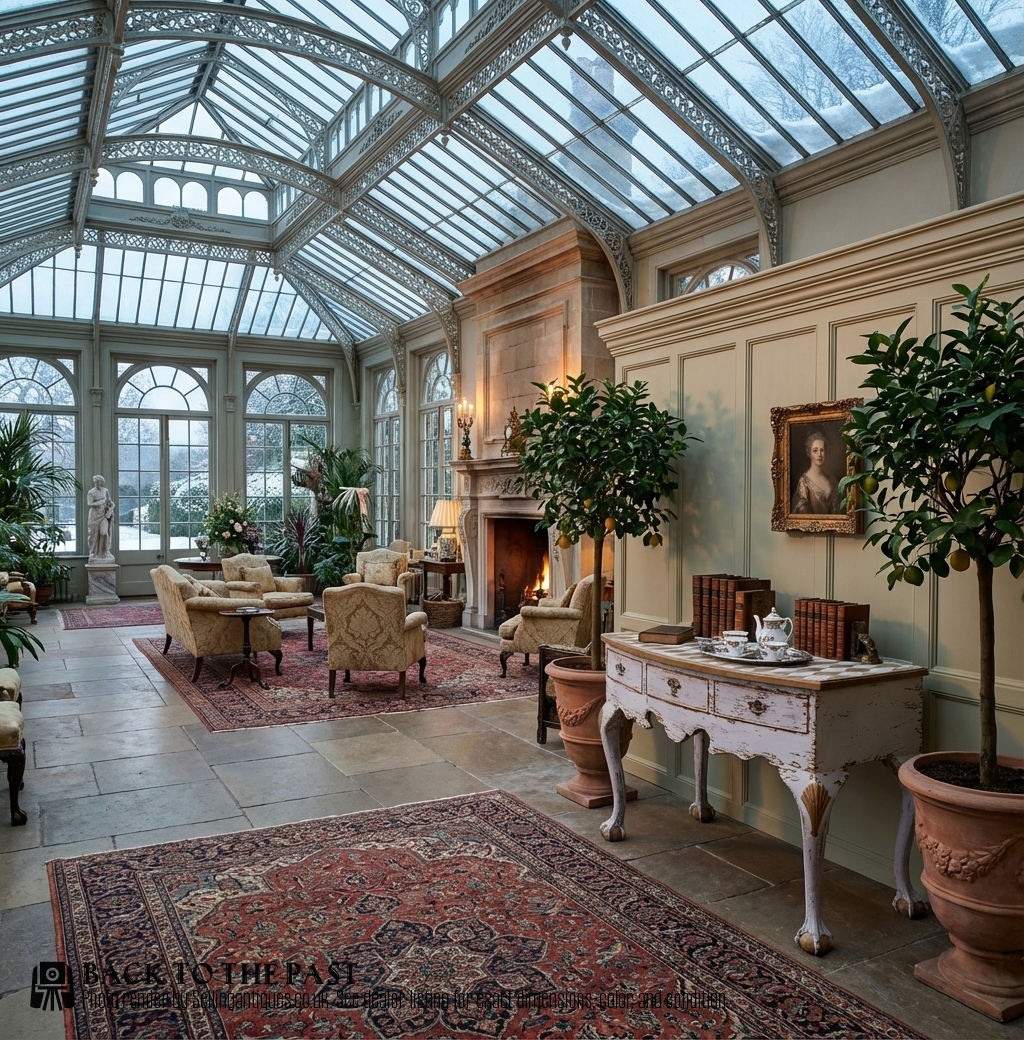
Beresford & Hicks London
The Antique Hall Side Table Glossary
- Lowboy
- A small side table or dressing table with one or more rows of drawers, originating in the late seventeenth century. These are frequently found in oak or walnut.
- Console
- A table designed to be fixed against a wall, often supported by brackets or console legs rather than four independent vertical posts.
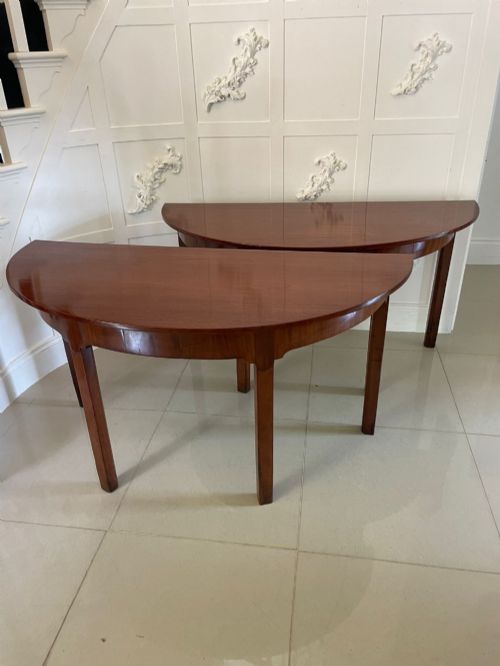
- Demi-lune
- A half-moon shape used for the top and frame of tables designed to sit flush against a wall.
- Flame mahogany
- Timber cut from the fork of the mahogany tree, producing a distinctive flickering flame pattern in the grain. Cabinet makers reserved this premium veneer for prominent surfaces.
- Reeded
- A decorative moulding consisting of parallel convex strips set closely together, commonly found on legs and friezes.
Frequently Asked Questions
Where do you place an antique hall side table?
These narrow tables suit entrance halls, corridors, and landings where floor space is limited. Their shallow depth allows them to sit flat against a wall without obstructing doorways.
They provide a surface for post, keys, and lamps while introducing period character to transitional spaces.
Did these tables originally have drawers?
Many examples include one, two, or three drawers integrated into the frieze for storing small household items. Simpler console and serving formats omitted drawers entirely in favour of open frames or decorative aprons.
Drawer configuration often depends on whether the piece served as a writing surface, serving table, or general hall stand.
How do you distinguish Georgian from Victorian pieces?
Georgian examples from the eighteenth and early nineteenth centuries typically display restrained classical proportions, premium mahogany or provincial oak, and understated bracket feet or straight legs. Victorian interpretations from the later nineteenth century often incorporate heavier proportions and revival styles like Gothic or Jacobean.
Revival pieces frequently feature deeper carving, such as Green Man motifs, and darker ebonised or stained finishes.
What woods were commonly used?
Oak and elm predominated in earlier provincial English and Scottish pieces, offering durability and sturdy provincial character. Mahogany became the preferred choice for formal Georgian and Regency designs, often enhanced by decorative veneers.
Walnut, ash, and imported exotic timbers appear across specific revival periods and specialty occasional forms.