
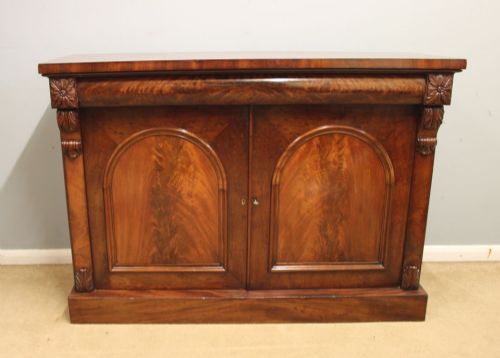
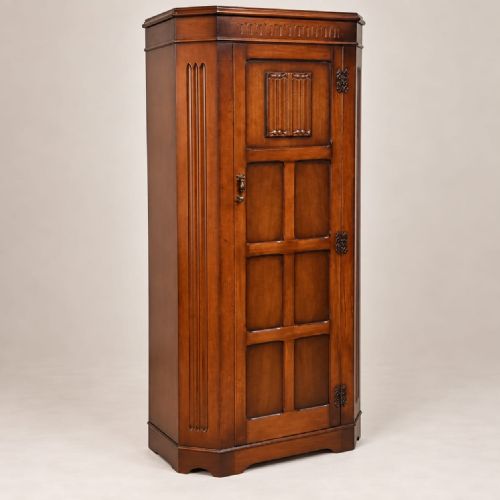
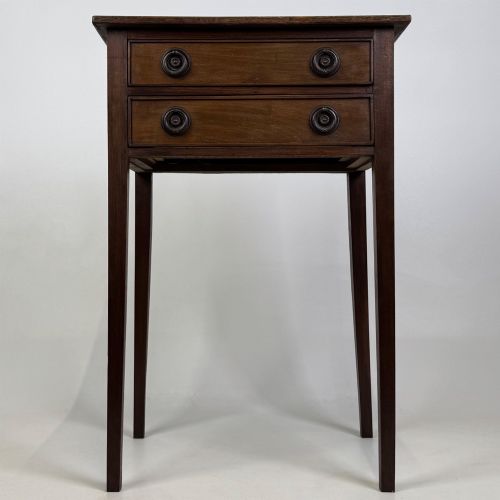
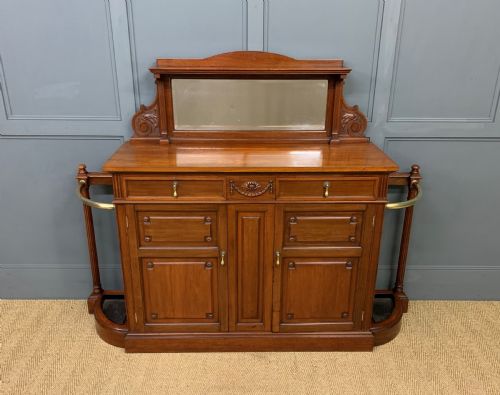
Antique Hall Cabinet
An antique hall cabinet organises an entranceway with traditional storage, built from timbers like mahogany and oak across Georgian, Victorian, and Edwardian periods.
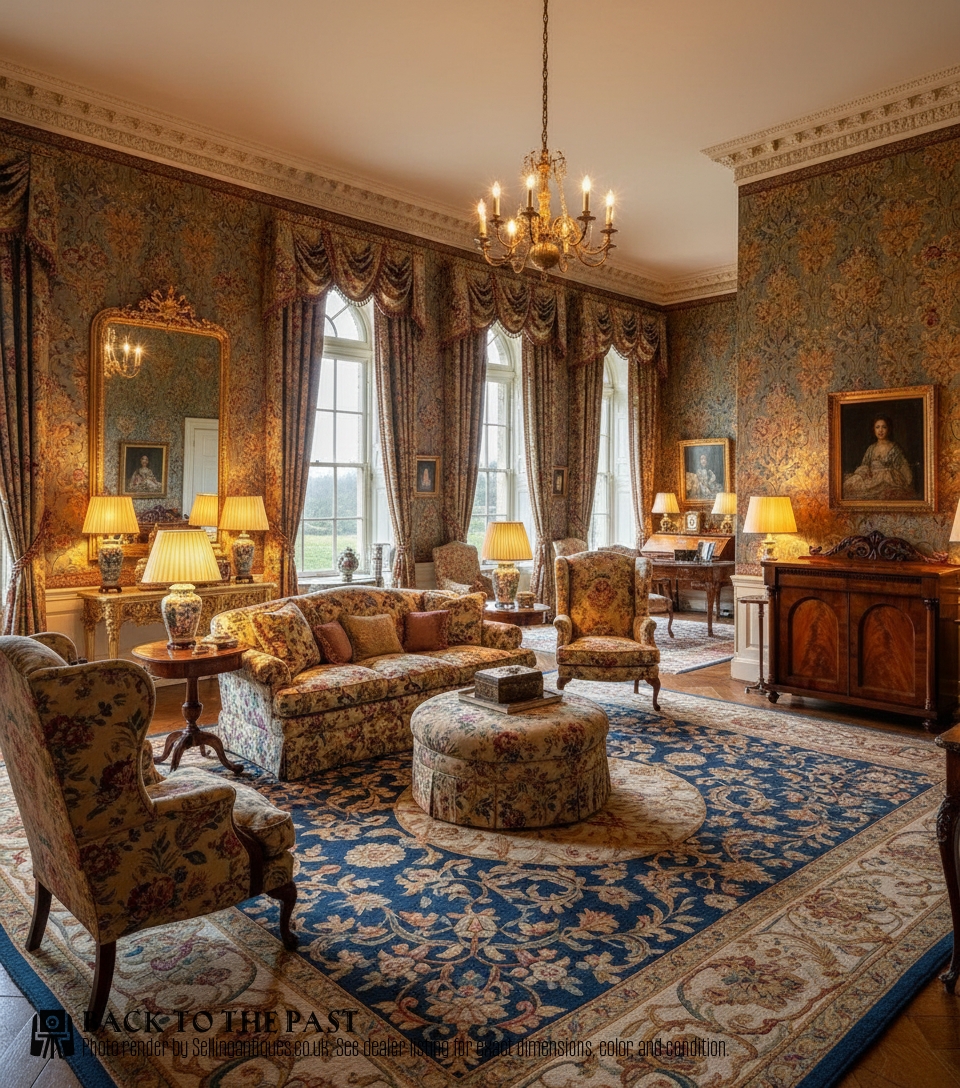
What an antique hall cabinet is
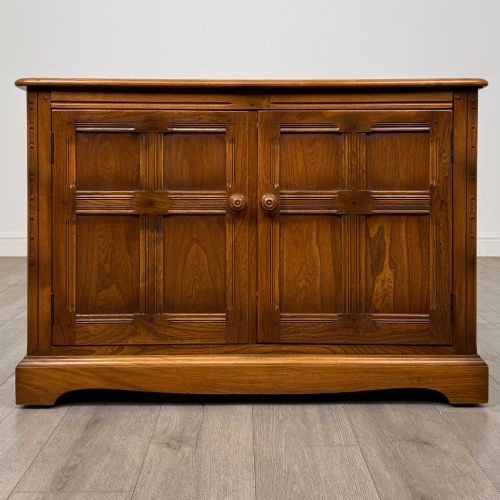
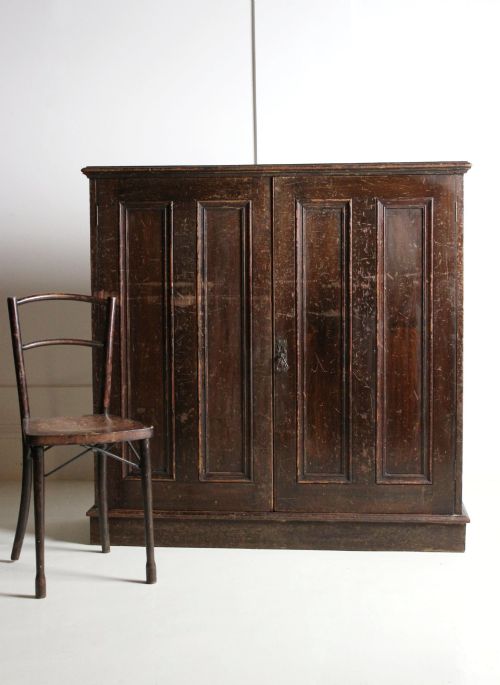
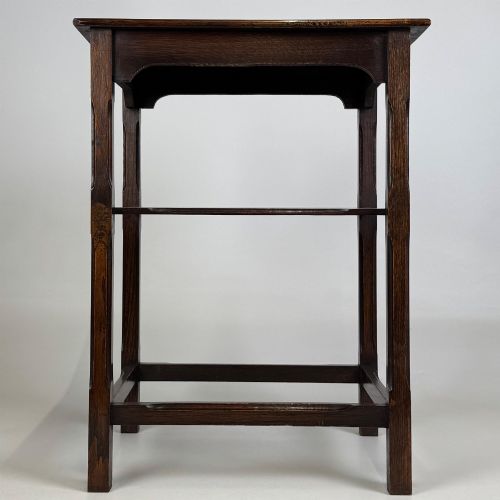
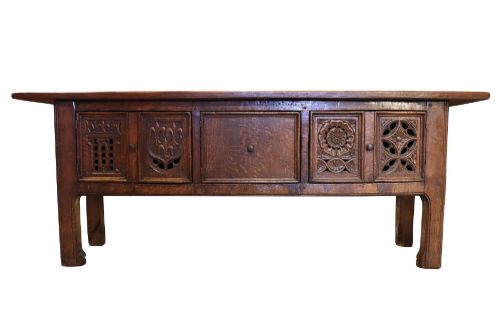
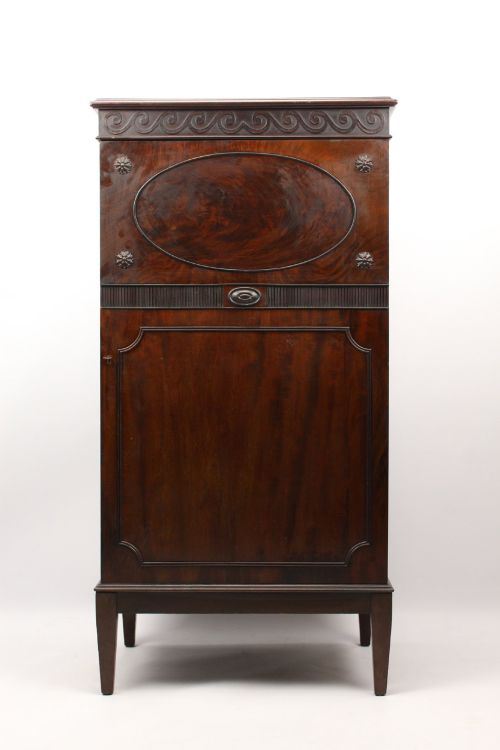
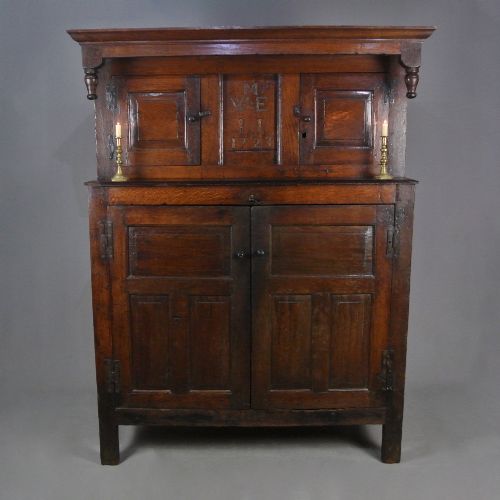
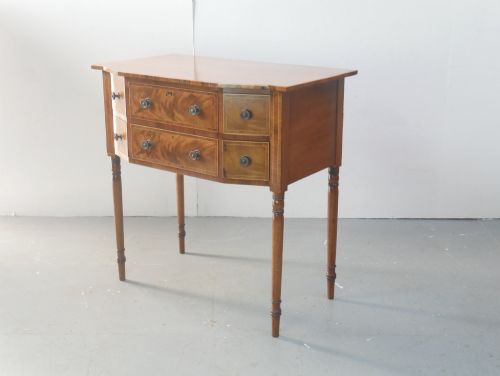
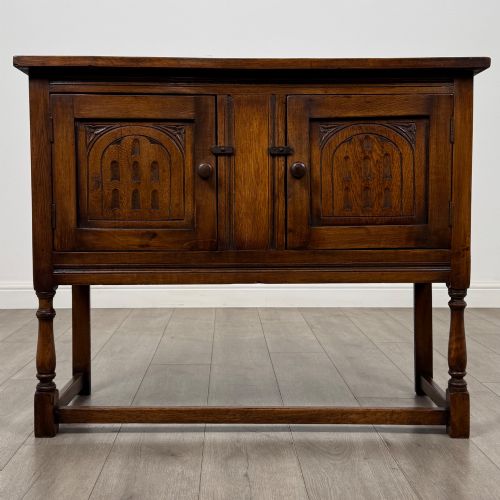
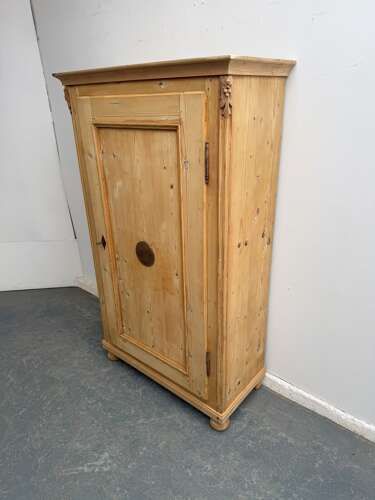
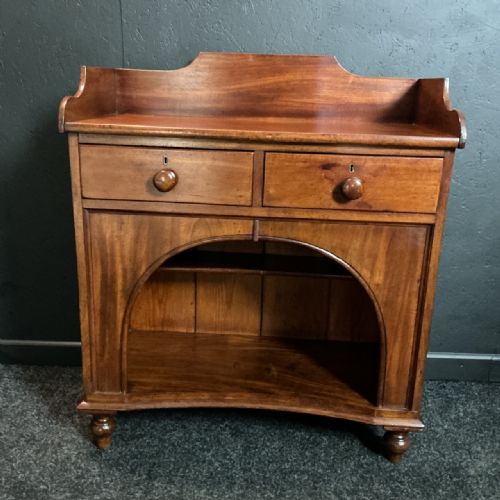
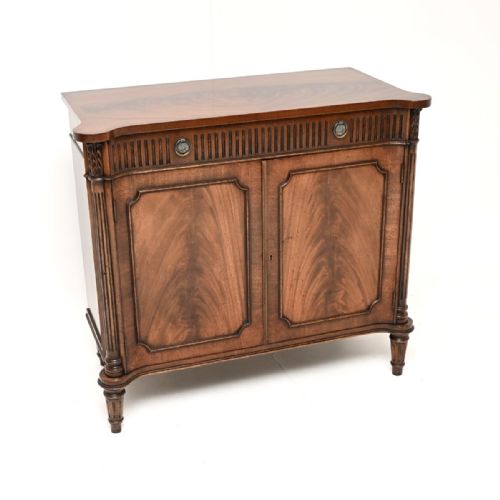
An antique hall cabinet serves as a storage piece for an entranceway, appearing in forms such as side cabinets, console tables, pedestal cupboards, and wall cabinets. The pieces seen here span Georgian, 18th Century, Victorian, Edwardian, William IV, and 1860 periods.
The objects take various functional shapes, including music cabinets, keep-safe units, drinks cupboards, and narrow sideboards. They reflect English, Dutch, Flemish, Anglo-Indian, and French origins across the recorded items.
How they were made
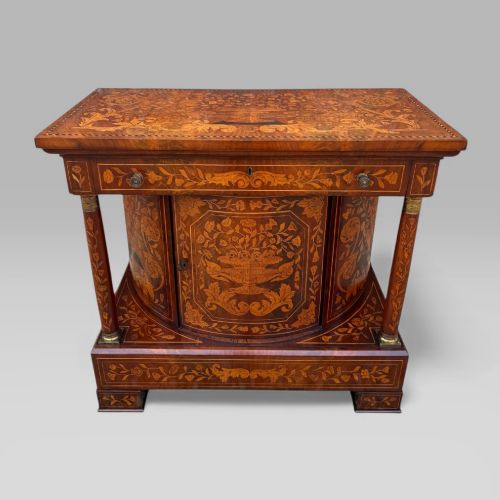
Cabinet makers utilised solid and veneered timbers such as mahogany, oak, ash, fruitwood, satinwood, ebonised wood, and pitch pine. Decorative surfaces incorporate fruitwood marquetry, flame mahogany veneer, and carved details.
Hardware and structural additions include brass fittings and glass panels. Individual examples exhibit specific regional building traditions, from Flemish carved oak to Dutch marquetry.
Retail Price Guide 2026
Typical UK retail prices for hall cabinet, calculated from the Sellingantiques database of over a million retail prices indexed since 2003. This retail price guide relies exclusively on Sellingantiques data; no external sources or auction records are used, so the figures do not describe the wider market.
Recorded materials across these listings include solid mahogany, oak, ash, fruitwood, satinwood, ebonised wood, glass, and flame mahogany veneer.
What varies in quality
The standard of an antique hall cabinet depends on the selection of primary timbers and veneers, such as figured walnut, flame mahogany, or quarter-sawn oak. Superior examples display precise joinery and well-executed marquetry or carving.
Design sophistication distinguishes the construction, from plain utility cupboards to pieces with architectural mouldings, specialised interior fittings, and named maker attribution.
Denby & Spinks·Jack Southall·F.H. Marshall·S. Hall & Sons
The Antique Hall Cabinet Glossary
- Marquetry
- The art of applying decorative veneer pieces to a structure to form intricate patterns. This technique appears on Dutch and English furniture.
- Pedestal cabinet
- A single-pedestal freestanding cupboard designed for compact spaces. These items function well in entranceways.
- Chiffonier
- A low sideboard or cabinet with shelves or drawers, popular during the Regency and Victorian eras. They offer practical surface space.
- Ebonised wood
- Timber treated with a dark finish to imitate ebony. This treatment creates a strong visual contrast.
- Side cabinet
- A general term for a low storage unit placed against a wall. They appear in various timber types.
Frequently Asked Questions
What is an antique hall cabinet used for?
These cabinets provide storage within entranceways and reception halls for everyday items. Historical examples often served specific domestic functions such as holding sheet music, drinks, or keep-sakes.
Their varied footprints allow them to fit into narrow corridors or open lobbies depending on the specific form.
How do I identify the period of a hall cabinet?
Dating relies on observing construction materials, decorative styles, and hardware conventions. Georgian and Victorian pieces show distinct timber choices and carving motifs characteristic of those eras.
Makers' marks or specific regional styles also help establish the likely decade of manufacture.
What timbers were commonly used?
Cabinet makers utilised regional and imported woods depending on the period and style. Mahogany, oak, ash, and fruitwood form the primary structure of many surviving examples.
Fine veneers and secondary woods like satinwood or ebonised elements provide decorative contrast.
How do I integrate one into a modern room?
An antique hall cabinet functions as a focal point in an entrance or hallway while offering concealed storage. Their varied dimensions suit both spacious country houses and smaller contemporary spaces.
The neutral tones of natural oak, mahogany, and ash complement diverse interior colour schemes.