


Antique Green Glassware
Antique green glassware brings rich colour and nineteenth-century craftsmanship into your home through jugs, vases, and decanters.

What antique green glassware is
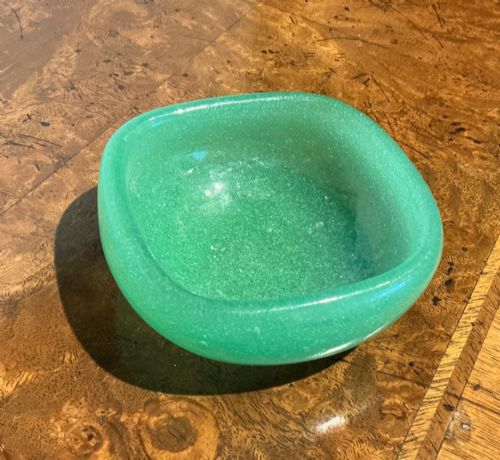
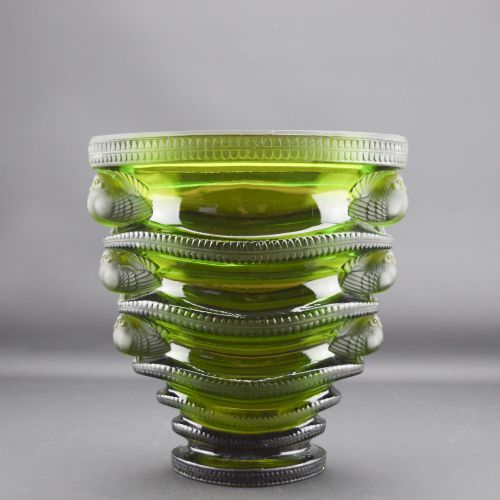
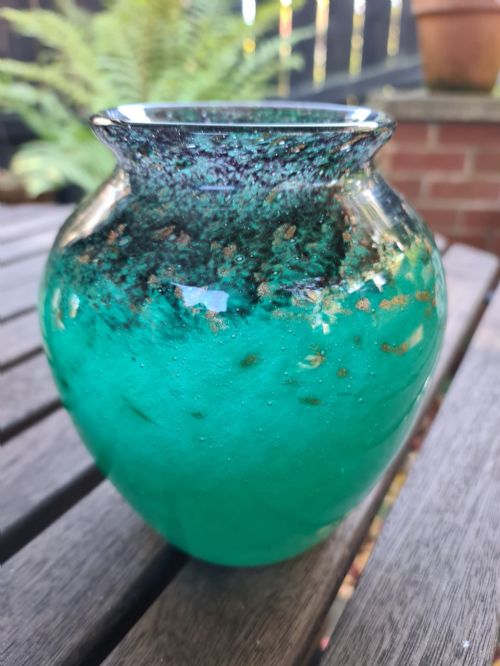
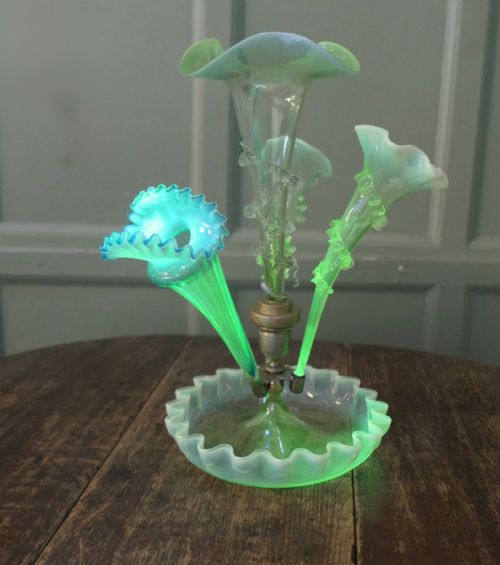
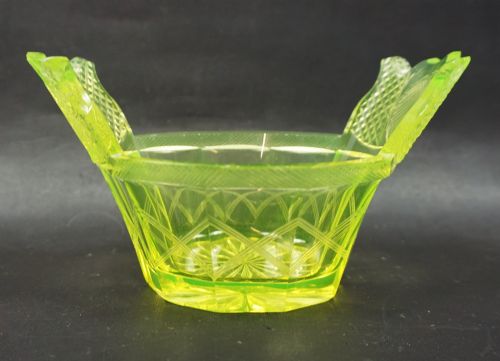
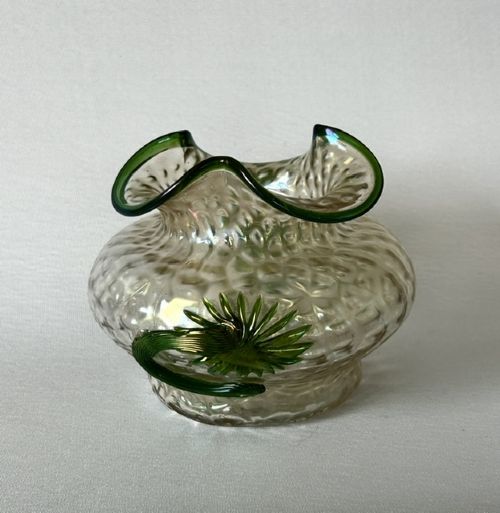
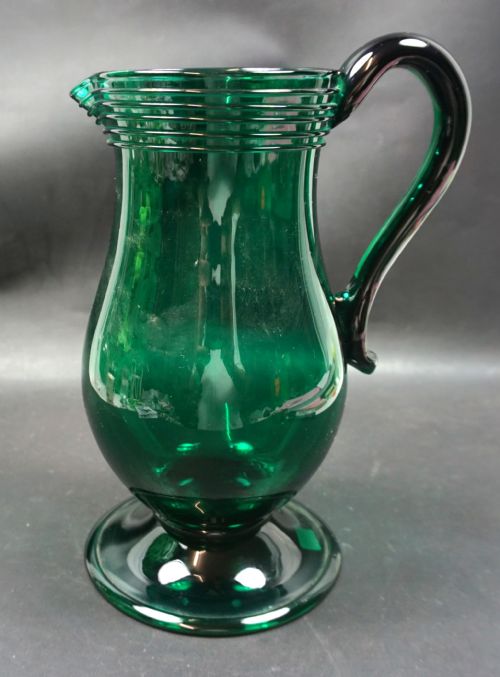
Antique green glassware encompasses nineteenth-century vessels and tableware created during the Victorian and Art Nouveau periods. These pieces range from large jugs and pedestal bowls to pairs of vases and complete decanter sets with matching glasses.
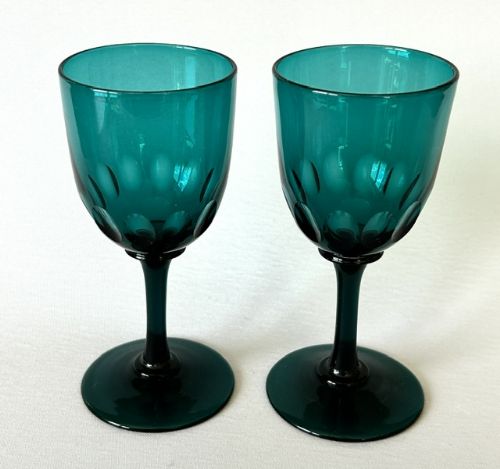
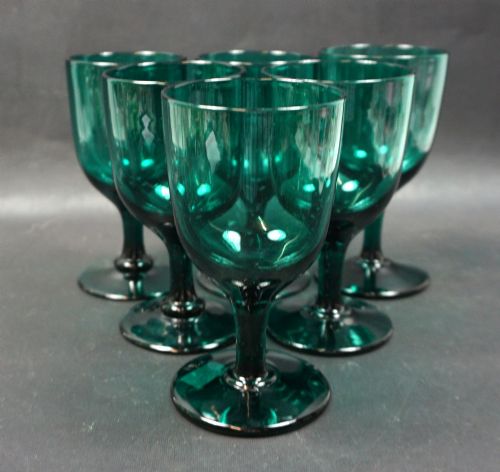
You are most likely to encounter Victorian examples on this page, including aqua green wine glasses and enamelled sets. The selection demonstrates the diverse forms produced by English and continental makers during the mid to late nineteenth century.
How antique green glassware was made
The objects are formed from coloured glass, utilising traditional blowing and moulding techniques that shape jugs with folded feet and trail rims. Pedestal bowls and drinking vessels take advantage of the pliable nature of hot glass to create stable bases and elegant proportions.
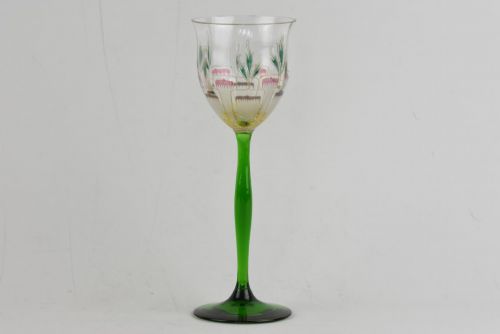
Decoration includes applied enamel and gold leaf, which add intricate surface detail to the body of the glass. Artisans also employed painting techniques, as seen in the white enamel figures typical of Mary Gregory styles.
Retail Price Guide 2026
Typical UK retail prices for green glassware, calculated from the Sellingantiques database of over a million retail prices indexed since 2003. This retail price guide relies exclusively on Sellingantiques data; no external sources or auction records are used, so the figures do not describe the wider market.
What varies in quality
Quality rests in the precision of the glassblowing, the weight of the metal, and the crispness of any applied enamel or gold leaf work. Superior pieces display even colour saturation throughout the vessel and smooth, well-finished rims and feet.
The presence of coordinated sets, such as a decanter paired with matching glasses and a tray, elevates the standing of a piece. Finer examples also exhibit the distinct artistic hand of notable glasshouses rather than mass-produced utilitarian output.
Moser·Salviati
The Antique Green Glassware Glossary
- Trail rim
- A decorative thread of molten glass applied around the edge of a vessel opening. This technique adds structural reinforcement and textural contrast to jugs and vases.
- Folded foot
- A base formed by doubling the hot glass back upon itself to create a thickened, stable rim. It provides both physical durability and a pleasing visual weight.
- Enamel
- Opaque or translucent coloured glass paste applied to the surface and fired to fuse permanently. It allows for detailed pictorial and geometric ornamentation.
- Gold leaf
- Extremely thin sheets of beaten gold applied to glassware for decorative highlights. This material catches the light and enhances the richness of the green glass beneath.
Frequently Asked Questions
Can I use these glasses for wine?
Victorian wine glasses can hold beverages, but handle them with care due to their age and delicate material. Many collectors prefer to display them rather than use them daily.
Inspect the rim and base for any historical wear before serving drinks. Hand washing is essential if you decide to use them.
How do I date antique green glassware?
Examine the pontil mark on the base, manufacturing style, and decorative motifs like Mary Gregory enamel or Art Nouveau curves. Victorian pieces often display distinct mould seams and pontil scars from hand-finished production.
Compare the colour tone and weight with documented examples from the mid to late nineteenth century. Maker signatures, where present, offer the clearest guide to exact origins.
Where should I display my glassware?
Place your pieces in a cabinet or on a sturdy shelf away from direct sunlight to preserve the rich green colour. Good lighting helps the glass catch and refract light through its coloured body.
Keep them away from high-traffic edges where accidental knocks might occur. Grouping items by period or colour creates an effective visual display.