
Antique Gothic Bench
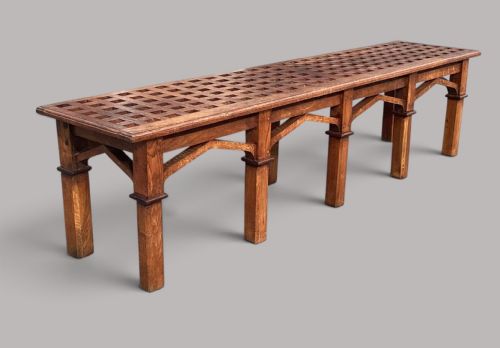
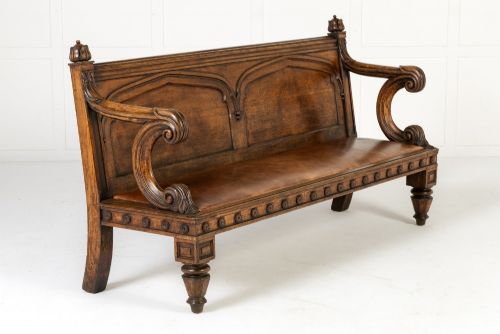
An antique gothic bench brings heavy architectural timber and pointed arches directly into an interior.
How they were made
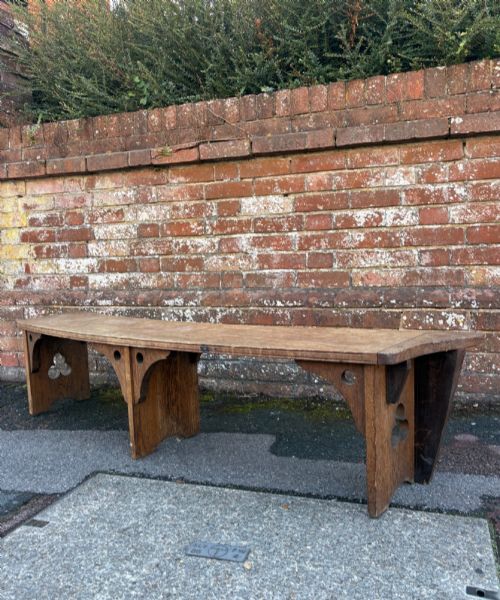
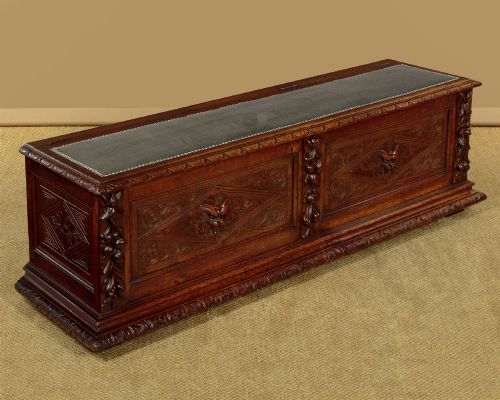
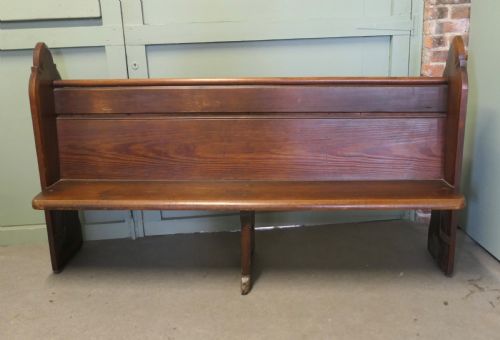
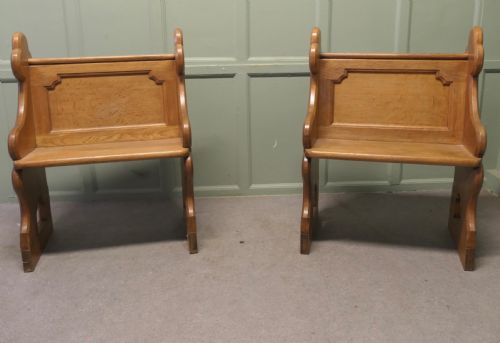
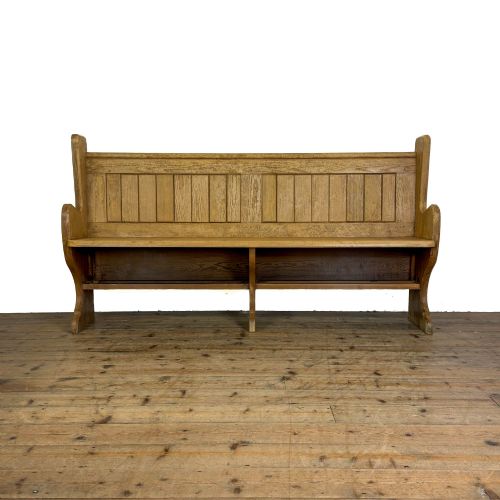
Carpenters and cabinetmakers relied primarily on solid oak and pitch pine, constructing these benches with heavy framing, mortise and tenon joints, and occasional burr elm or walnut accents. Hand-carved detailing such as tracery, linenfold, and trefoil supports defined the joinery of the period.
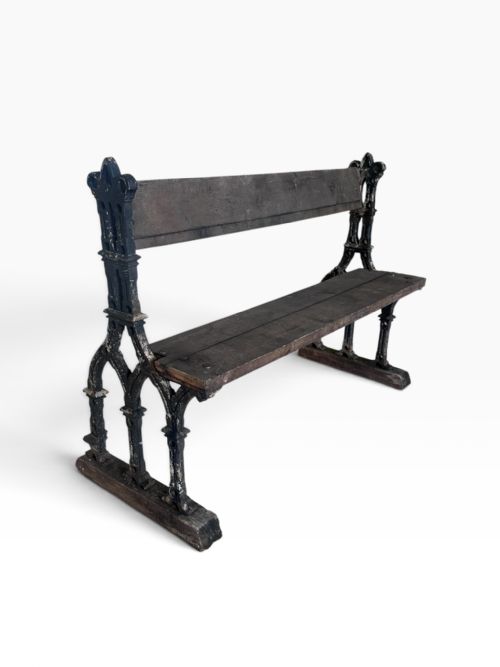
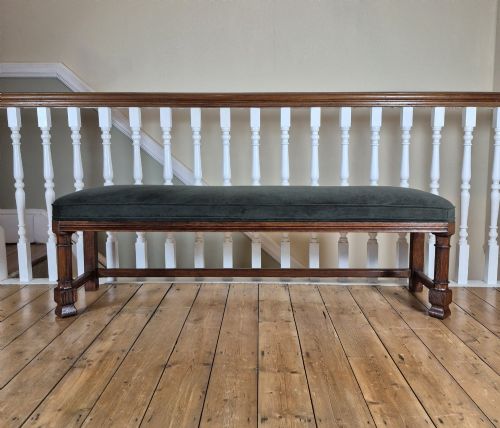
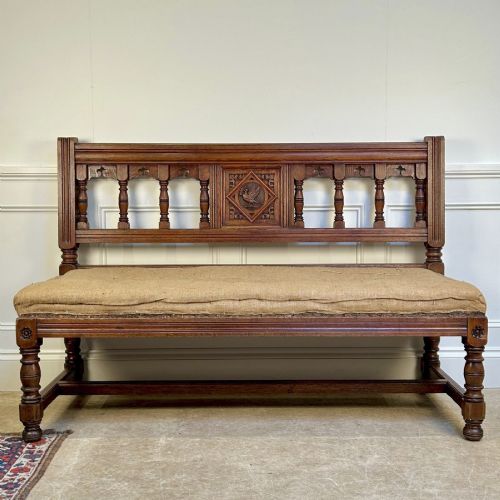
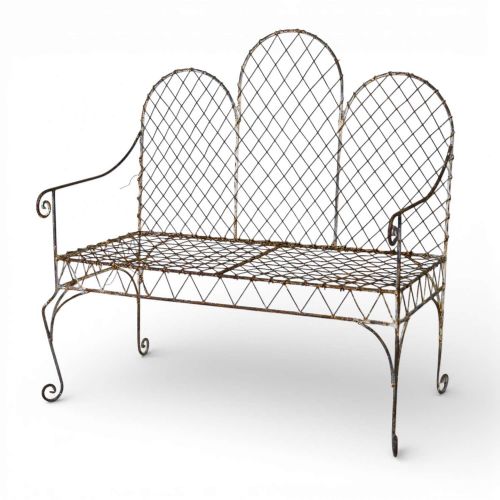
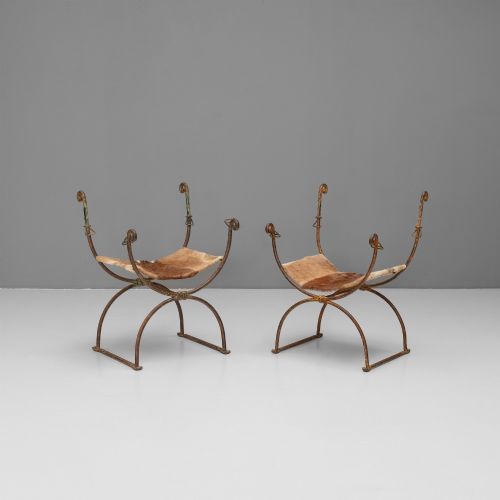
Metal elements relied on cast iron and wrought iron, particularly for garden benches and seats featuring strapwork or French gothic influences. Upholstery utilised leather and fabric fixed to internal padding, while secondary surfaces often featured paint or polished wax finishes.
What varies in quality
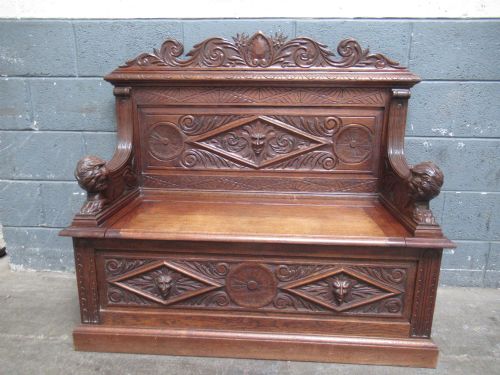
Quality rests on the depth and crispness of the architectural carving, distinguishing mass-produced commercial items from bespoke workshop pieces associated with names like Gillows or the Pugin style. Superior examples display dense, well-figured timber with tight joinery that resists the loosening typical of lesser construction.
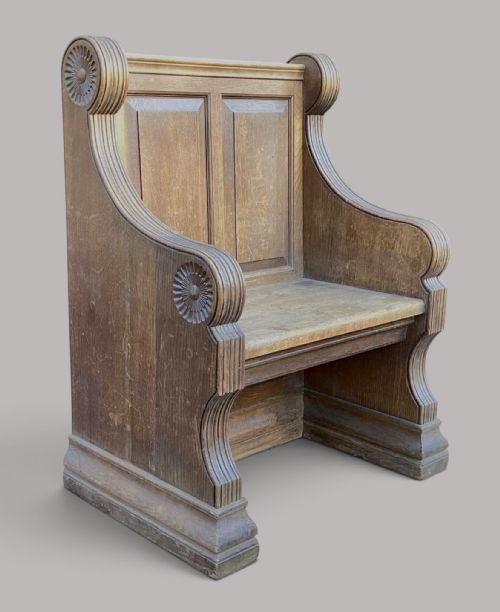
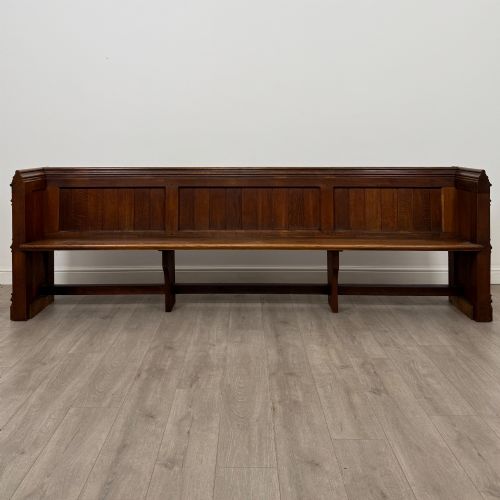
The integrity of the original structure and timber choice dictate the tier of a piece, with solid oak architectural forms and ecclesiastical pews holding greater presence than altered or later assembled formats. Surviving hardware, such as original brass fittings and hinges on lift-up seats, further separates standard examples from the finest survivals.
Watch for the occasional Green Man peering out from the woodwork, bringing a cheerful slice of medieval forest folklore straight into the hallway.
GIllows
The Antique Gothic Bench Glossary
- Gothic Revival
- A nineteenth-century architectural and decorative style that revived medieval pointed arches, trefoils, and heavy structural forms. It dominated furniture design throughout the Victorian era.
- Settle
- A wooden bench with high back, solid armrests, and frequently a box base or enclosed lower section to keep draughts away. These pieces served as primary communal seating in halls.
- Pew
- A long wooden bench traditionally found in churches and chapels, constructed from pitch pine or oak. They appear in domestic settings as heavy hallway or dining seating.
- Trefoil
- A three-lobed ornamental design resembling a clover leaf, frequently pierced through the wooden backs and supports of gothic furniture. This motif directly mimics medieval stonework tracery.
- Prie-Dieu
- A small devotional desk or prayer stool equipped with a kneeling platform and a narrow armrest. These pieces often feature turned legs and gothic carvings.
Antique Gothic Bench: Frequently Asked Questions
Where should I place an antique gothic bench?
These robust seating forms anchor large entrance halls, wide corridors, and reception rooms where their architectural presence can be appreciated. Their substantial timber frames and high backs demand open wall space rather than tight corners.
In domestic settings, they also function effectively against long dining tables or as window seats. Placing them away from direct heat sources protects the dry historic timber from splitting.
How do I care for antique oak furniture?
Maintain the finish by applying natural beeswax sparingly and buffing with a soft cloth to preserve the sheen of the historic wood. Avoid commercial silicone sprays that can damage dry, aged surfaces.
Keep the timber away from direct sunlight and radiators to prevent the wood from warping or cracking. Stable room humidity ensures the traditional joinery remains tight.
How can I date a nineteenth-century bench?
Examine the construction methods beneath the seat and behind the back panels for hand-cut marks, traditional peg joints, and screw types. Nineteenth-century pieces often combine machine-sawn timber elements with hand-carved decorative motifs.
Stylistic cues such as heavy Victorian gothic strapwork, Arts and Crafts influences, or specific ecclesiastical provenance help narrow the decade of manufacture. Comparing the patination of the wood across high-contact zones confirms age.