







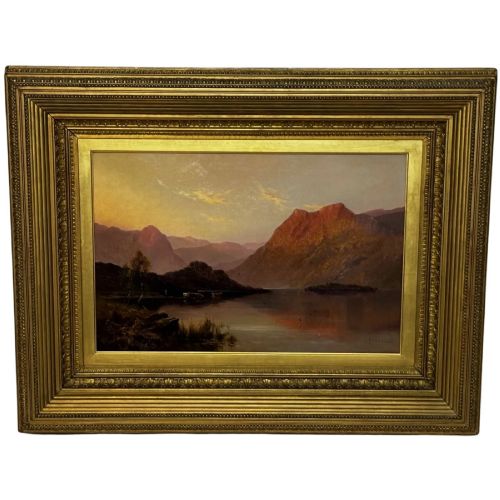
Antique Gold Picture Frame
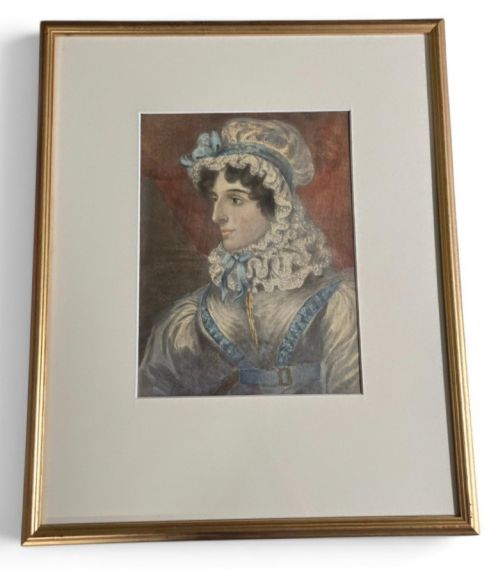
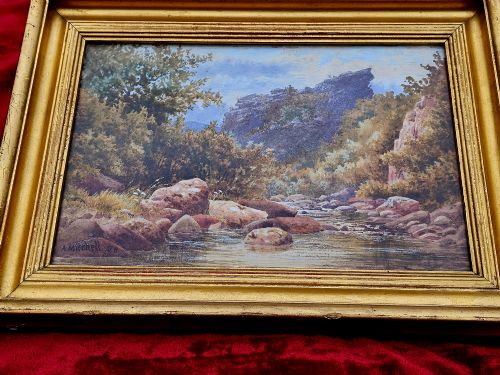
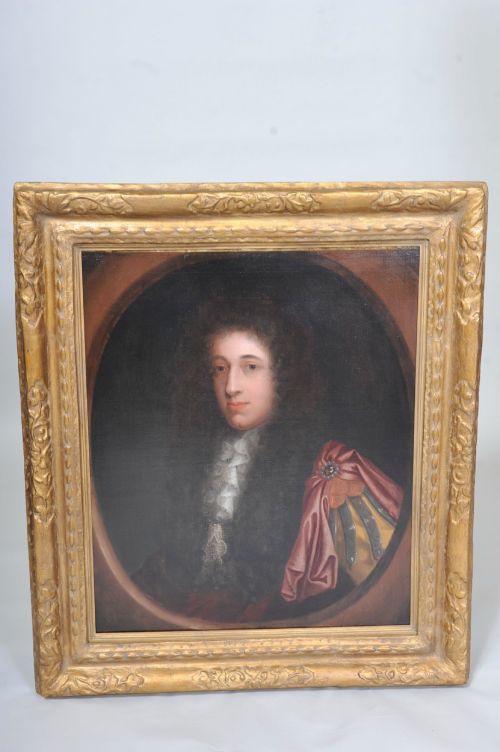
An antique gold picture frame brings warmth and historic depth to oil paintings and mirrors.
Understanding antique gold picture frames
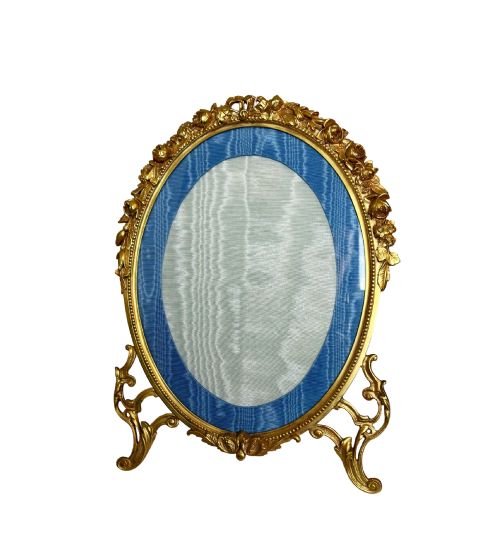
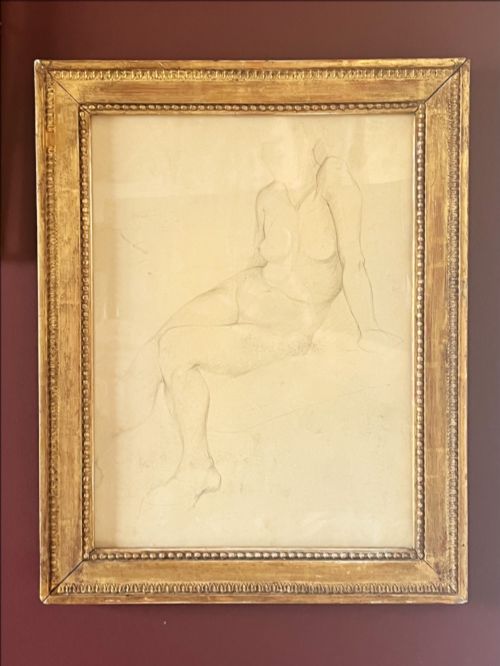
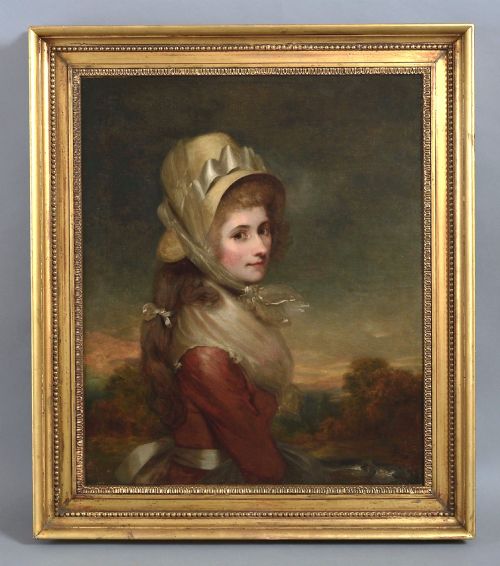
An antique gold picture frame serves as a historic housing for fine art, combining structural timber with ornamental surfaces. When you search for an antique gold picture frame, you encounter formats ranging from deep Victorian mouldings to Italian Renaissance cassetta designs.
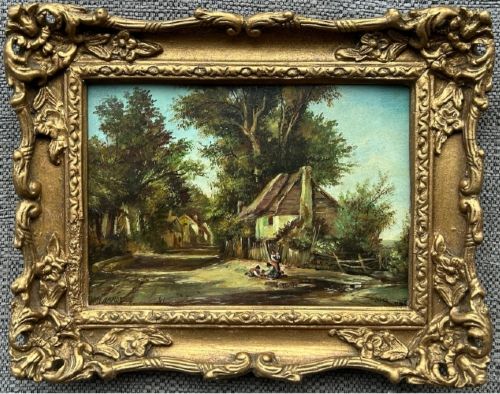
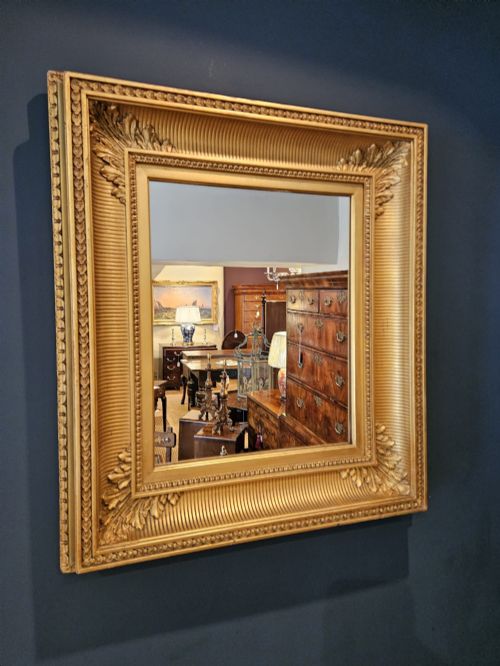
The selection includes pieces spanning the eighteenth, nineteenth, and early twentieth centuries. Victorian examples frequently feature ornate rococo swept profiles or reeded decoration, whilst earlier Georgian and Italian pieces display carved wooden details.
Materials and construction
Construction relies upon a wooden base substrate shaped into linear mouldings and joined at the corners. Artisans applied layers of gesso to this wooden foundation to create a smooth surface suitable for fine carving and ornamentation.
Gold leaf was then applied over the prepared gesso and wood structure to achieve a rich metallic finish. Detail motifs such as leaves, berries, and egg and dart patterns were either carved directly into the wood or moulded in composition material.
Retail Price Guide 2026
Typical UK retail prices for gold picture frame, calculated from the Sellingantiques database of over a million retail prices indexed since 2003. This retail price guide relies exclusively on Sellingantiques data; no external sources or auction records are used, so the figures do not describe the wider market.
Some Victorian frames arrived with secrets tucked behind the rebate, including old exhibition labels and fragments of Victorian newspaper padding.
Factors of quality
Quality rests upon the depth of the carving and the crispness of the applied gesso ornamentation. Superior examples display hand-carved wooden details and well-preserved gold leaf surfaces that catch the light evenly.
The weight and stability of the underlying timber structure dictate durability and longevity. Frames with intact corner joints and original gilding represent the higher tier of surviving pieces.
Frank Moss Bennett·Alice Mary Hughes
The Antique Gold Picture Frame Glossary
- Gesso
- A plaster-like mixture applied to wood frames to provide a smooth base for gilding. It allows for intricate moulded decoration.
- Giltwood
- Timber that has been coated with gold leaf or gold paint. This material defines the appearance of traditional decorative frames.
- Cassetta
- A flat-profile frame style featuring raised inner and outer mouldings, common in Italian Renaissance design. It provides a architectural border for paintings.
- Rebate
- The recessed internal shelf at the back of a frame designed to hold the canvas or glass securely. It determines the maximum picture dimensions the frame can accommodate.
- Swept frame
- A frame profile featuring undulating, curved corners and flowing rococo ornamentation. These dynamic shapes were particularly popular during the Victorian period.
Frequently Asked Questions
How do I measure for a frame?
Measure the exact height and width of your canvas or artwork in centimetres or inches. Ensure these dimensions match the internal rebate size of the frame.
Account for any portion of the image that the inner lip of the frame will cover. Selecting a frame slightly larger than the artwork allows for a mat or slip insert.
How were these frames constructed?
Cabinetmakers joined wooden sections at the mitred corners to form the primary structural housing. They applied multiple layers of gesso to build up decorative motifs and relief patterns.
Thin sheets of gold leaf were then laid over a bole base to create the luminous metallic finish. Traditional water gilding techniques allowed craftsmen to burnish specific areas to a high shine.
Can I use these for mirrors?
Many large nineteenth-century frames were originally designed to house either oil paintings or looking glass mirrors. Historic mirrors are often successfully glazed into deep Victorian and Georgian moulding profiles.
Check the depth of the rebate to ensure it can accommodate both a mirror plate and a protective backing board. Heavy frames require secure wall fixings to support the added weight of glass.
How do I clean gilt surfaces?
Dust the gilded surfaces gently using a very soft, dry brush or an ostrich feather duster. Avoid applying moisture, chemical cleaners, or abrasive cloths to historic gold leaf.
Water and modern solvents can dissolve the underlying gesso and lift the delicate gold leaf layers. Professional conservators should handle any structural repairs or deep cleaning.