

Antique Gold Fauteuil
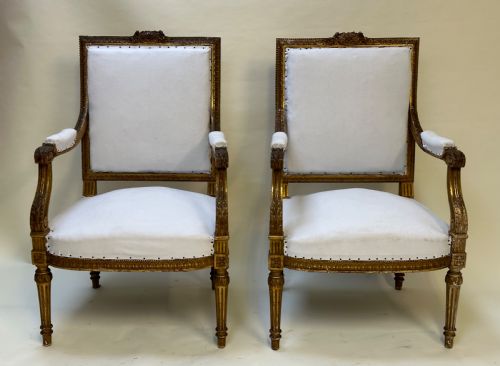
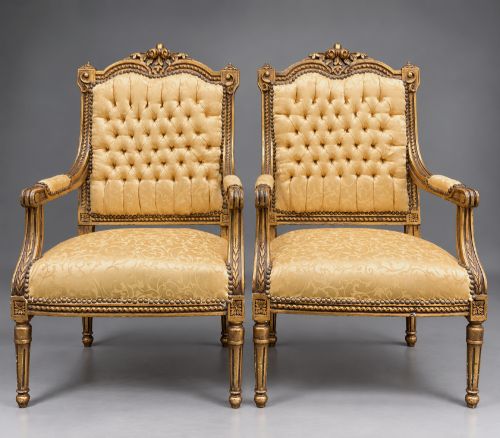
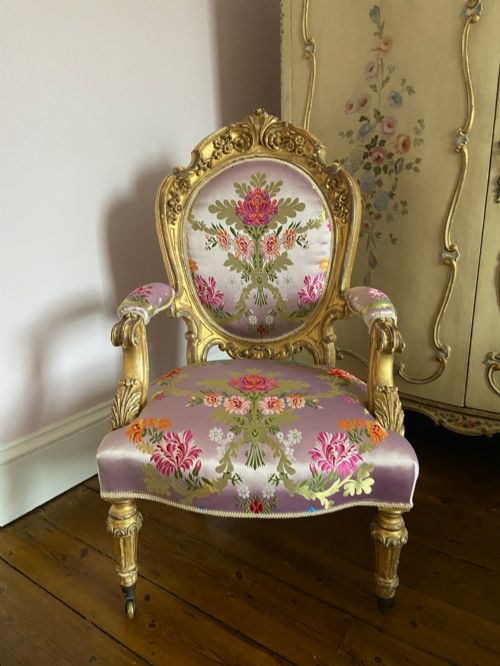
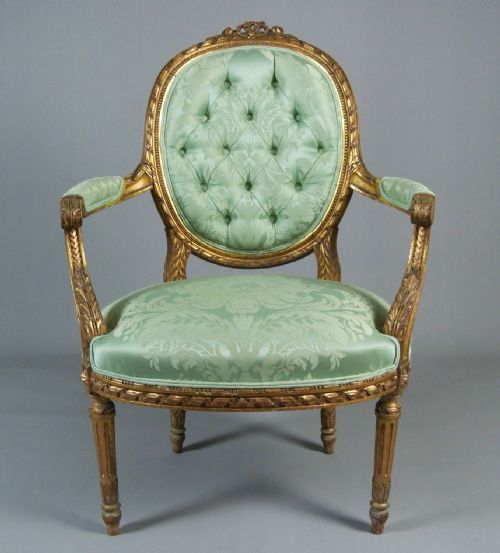
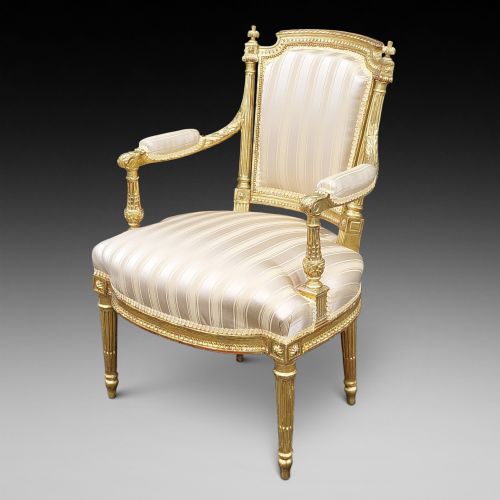
An antique gold fauteuil brings French seating style into a room through carved giltwood frames and upholstered seats.
Antique Gold Fauteuil
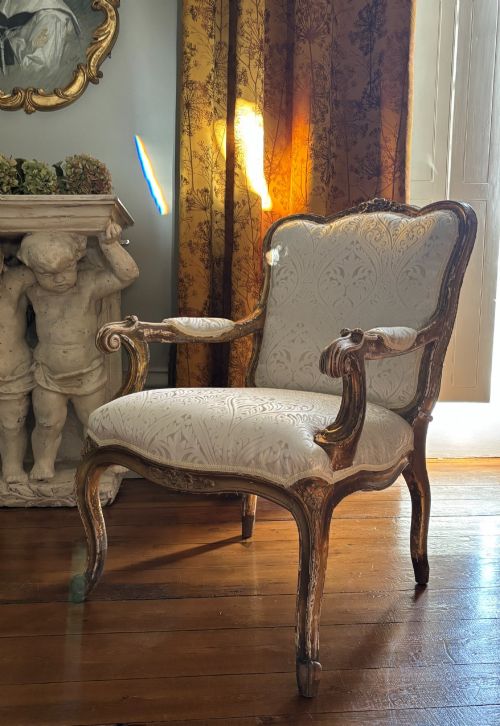
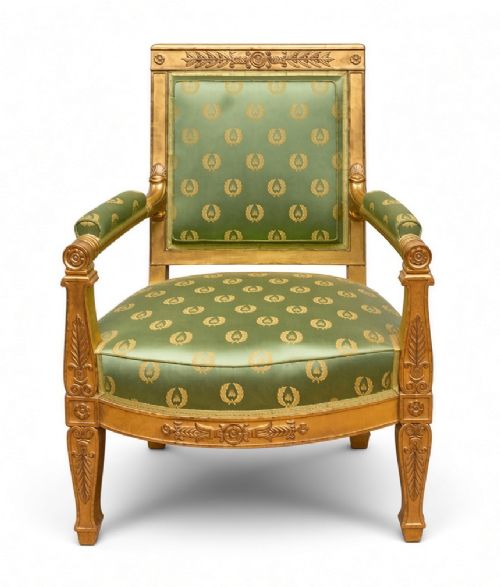
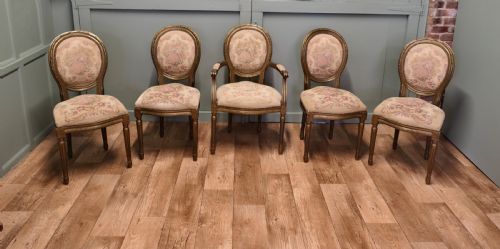
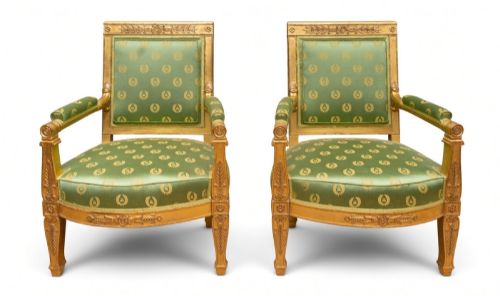
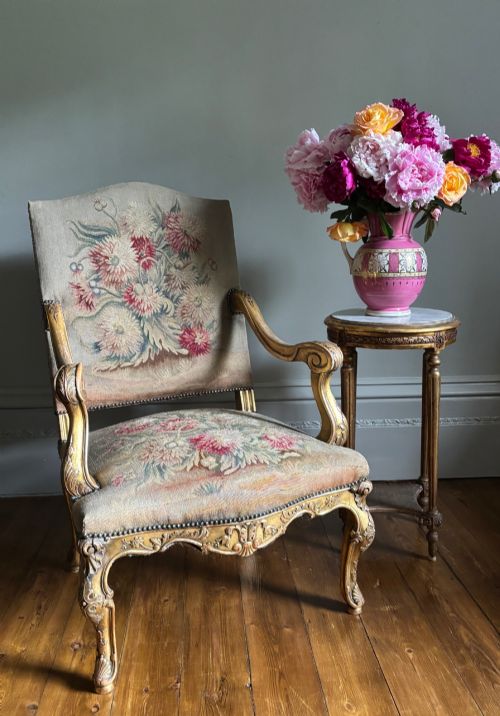
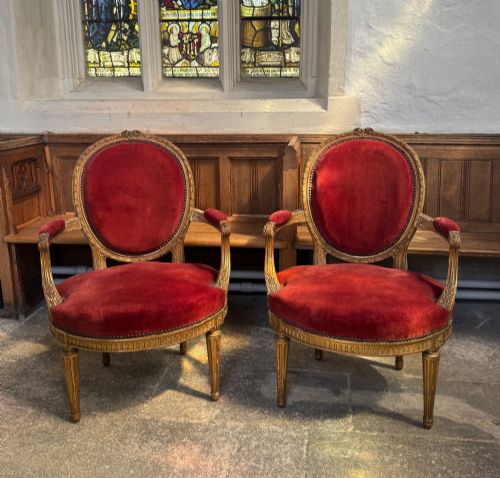
An antique gold fauteuil is an open-armed upholstered seat created in various periods from the eighteenth century onwards. These chairs trace their origins to French design, appearing in styles such as Louis XVI, Régence and Rococo. The forms range from single salon chairs to pairs and larger suites.
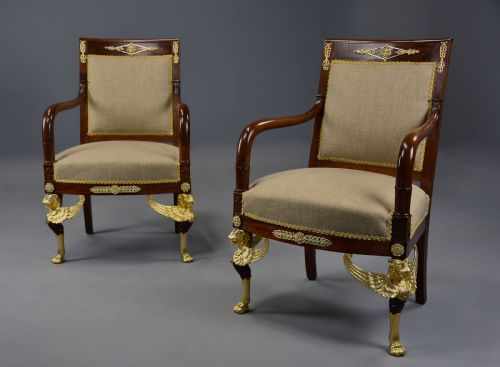
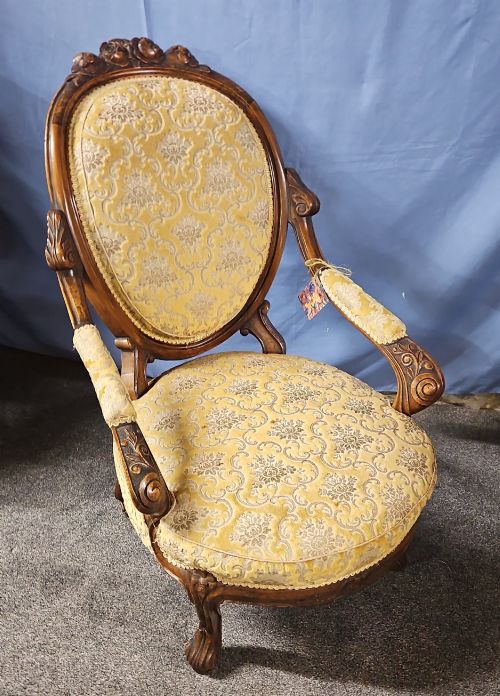
The most common examples on this page date from the nineteenth century, often reflecting earlier revivals. Buyers encounter pieces styled after French chateaux, alongside English and Italian variants produced in walnut or mahogany with gilded finishes.
Makers and workshops across Europe adapted these seating forms for domestic interiors, producing open armchairs, throne chairs and smaller salon chairs. The upholstery varies from period tapestry and silk fabric to modern velvet coverings.
How they were made
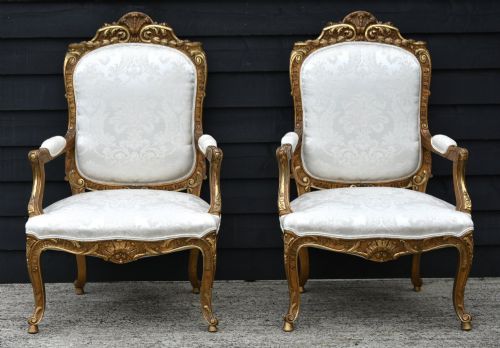
Carved wooden frames form the structure of each antique gold fauteuil, utilising materials such as beech, walnut, mahogany and general wood. Craftsmen applied layers of gesso and gold leaf to create the characteristic giltwood finish seen across the pieces.
Upholstery techniques involve securing textiles like silk fabric, velvet, tapestry and general fabric over padded seats and open arms. Brass elements occasionally appear in structural or decorative capacities on these chairs.
Antique Gold Fauteuil Retail Price Guide 2026
Typical asking prices for gold fauteuil among the pieces listed under this phrase on Sellingantiques today, from the lower quarter to the upper quarter. They describe what is for sale here now, not the wider market.
Several diminutive salon chairs on this page were made specifically for children, proving that miniature seating had its own dedicated following.
What varies in quality
The precision and depth of the wood carving distinguish the standard of manufacture. Crisp leaf motifs and clean lines on the giltwood frame indicate superior craftsmanship.
The preservation of the original gilt surface and the quality of the textile upholstery define the physical character of each chair. Period textiles and careful re-upholstery contribute to the overall integrity of the seating.
Jacob-Desmalter·Thomas Chippendale·Blaise Maucuy·Holland and Sons
The Antique Gold Fauteuil Glossary
- Fauteuil
- An open-armed upholstered armchair originating in France. These seats typically feature exposed wooden frames and padded armrests.
- Giltwood
- Timber coated with gold leaf over a prepared gesso ground. This finish provides the characteristic golden sheen on period frames.
- Régence
- A decorative style bridging the Louis XIV and Louis XV periods. It introduces lighter carved curves and asymmetrical ornamentation.
- Louis XVI Style
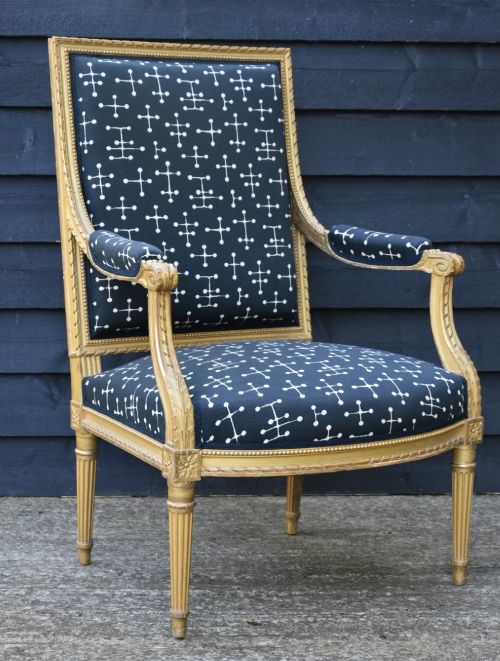
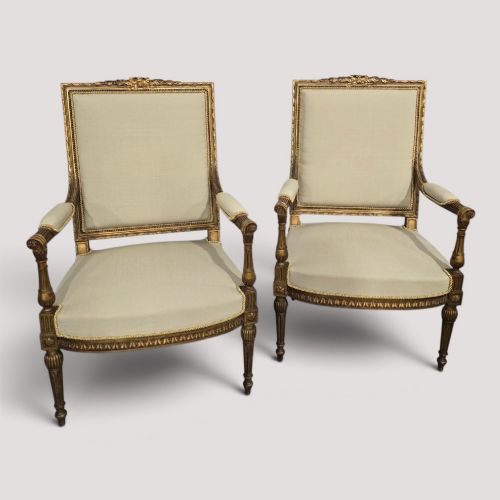
- A neoclassical design movement characterised by straight tapered legs and geometric motifs. Chairs in this style often incorporate rectangular or oval backs.
- Tapestry
- A heavy hand-woven textile often employed for historical seat upholstery. These fabrics depict pictorial or floral scenes.
Antique Gold Fauteuil: Frequently Asked Questions
What is a fauteuil?
A fauteuil is an open-arm upholstered chair designed for formal sitting rooms. The exposed wooden frame separates it from fully upholstered armchairs.
These seats originated in France and appeared in various stylistic revivals throughout the nineteenth century.
How do I identify the style?
The carved details and leg shapes indicate the design period. Straight tapered legs point towards neoclassical influences, while curved cabriole legs suggest earlier revival styles.
Matching the ornamentation on the arms and crest rail to historical periods helps confirm the design era.
Where were these chairs used?
These chairs furnished formal reception rooms, salons and drawing rooms in large houses and chateaux. Pairs and suites served conversational seating arrangements.
Smaller examples also functioned as bedroom chairs or side seating in domestic interiors.
Are the fabrics original?
Many chairs feature replacement textiles due to the age of the materials. Silk fabric, velvet and tapestry coverings are frequently renewed to preserve the usability of the seat.
Some pieces retain older or period-appropriate textiles where preservation permits.