



Antique Glazed Jug
When searching for an antique glazed jug, you encounter functional vessels shaped from clay, salt-glazed stoneware, and tin-glazed earthenware across European and Asian traditions.
Antique Glazed Jug
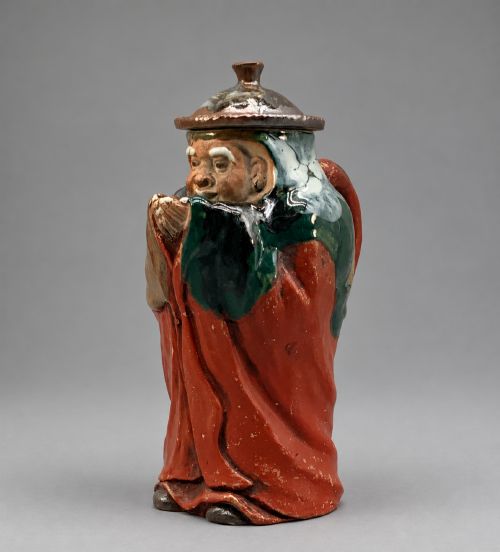
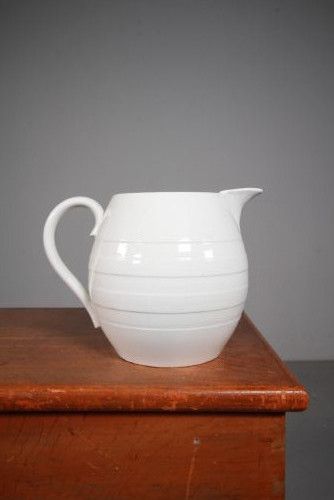
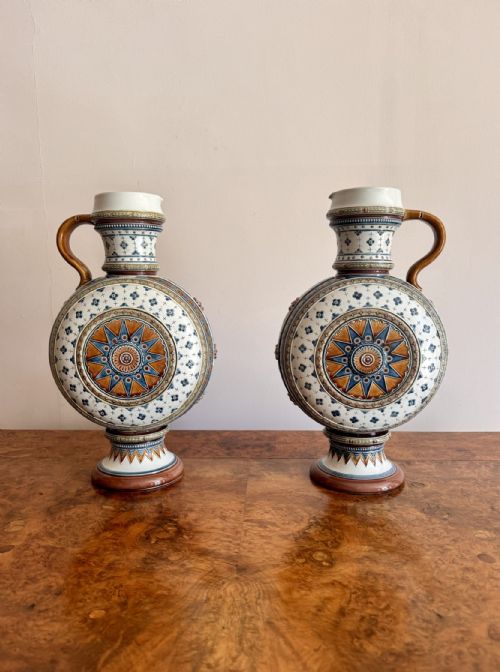
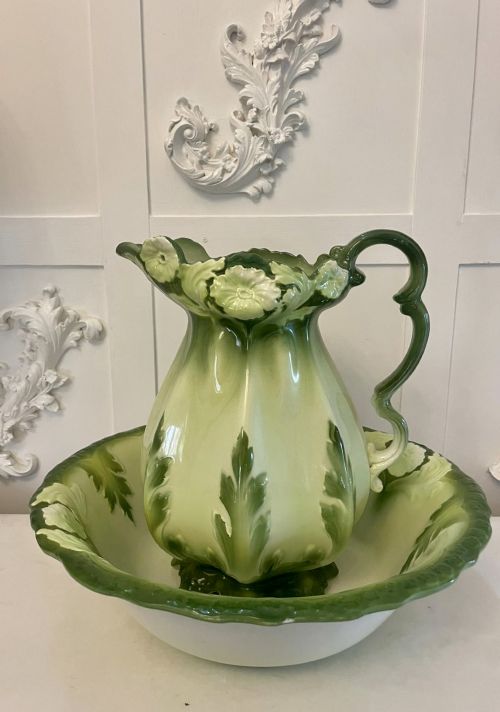
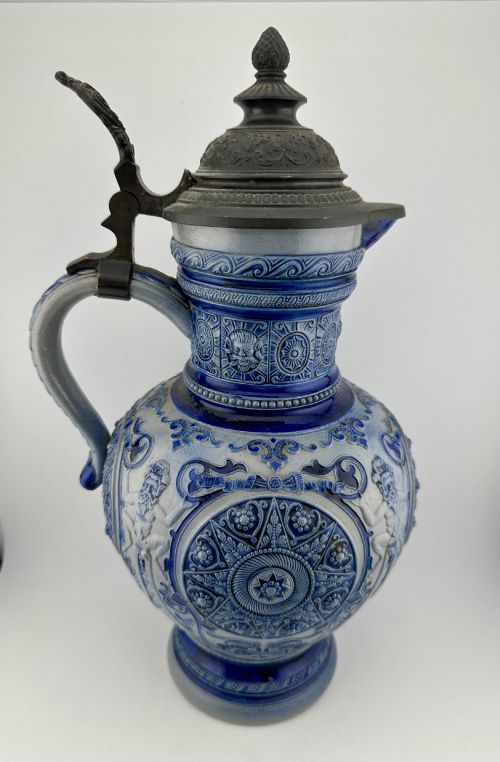
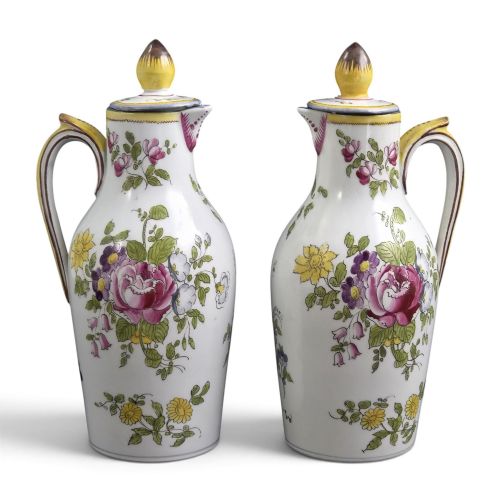
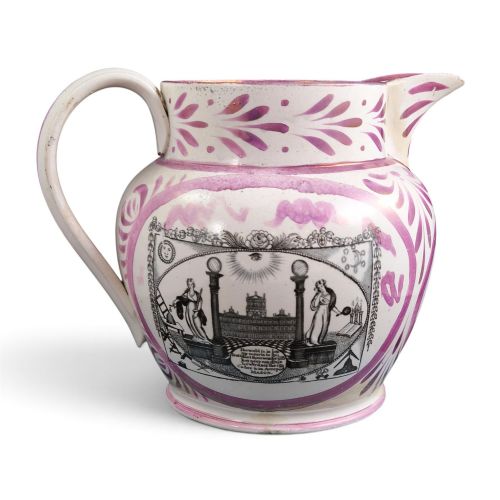
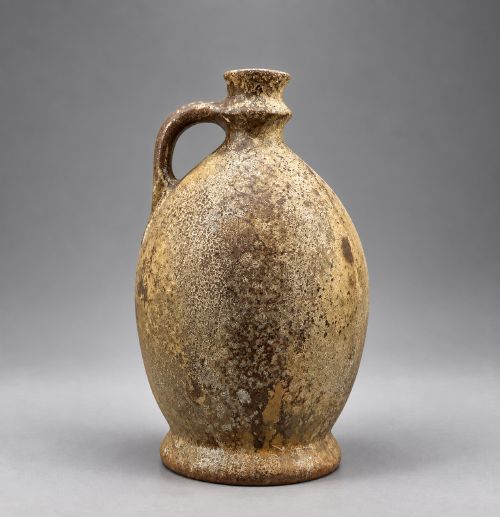
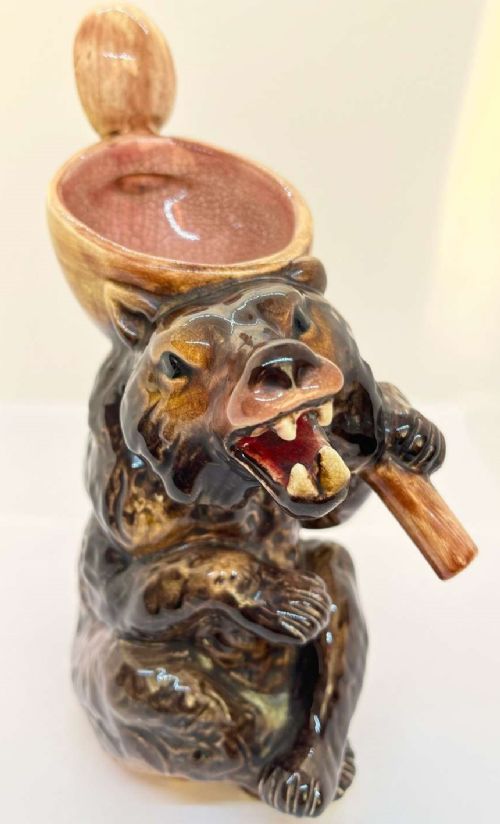
An antique glazed jug serves as a utilitarian pouring vessel or decorative pitcher shaped from clay, earthenware, or stoneware, often bearing regional styles like Dutch Delftware, Sunderland lustre, or German Westerwald salt glaze. These pieces range from simple domestic dairy containers and tavern flagons to elaborate majolica ewers and Japanese Sumida Gawa pitchers.
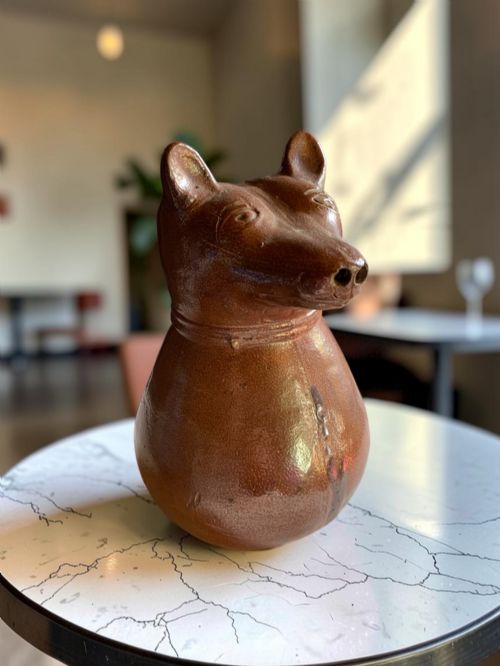
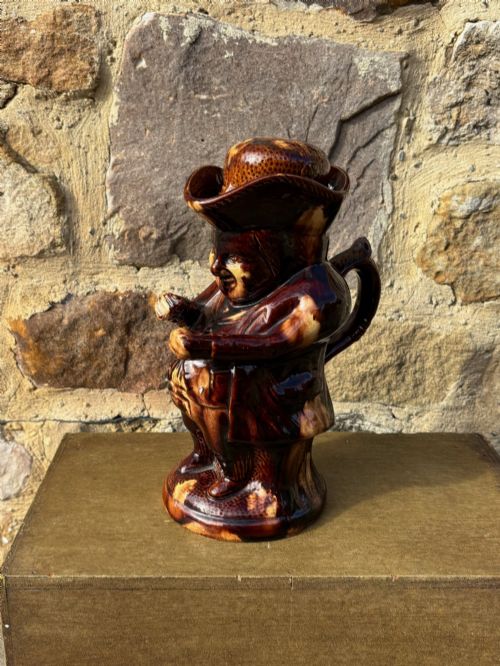
On this page, you are most likely to meet 19th-century Victorian earthenware and stoneware examples alongside 18th-century Dutch and German vessels. Forms vary from traditional bulbous pitchers and puzzle jugs to figural Toby jugs and advertising flasks, reflecting the diverse domestic and tavern uses of past centuries.
Materials and production methods
Potters utilised native clays, earthenware, and heavy stoneware bodies, shaping the vessels by hand or on a wheel before applying specialised surface treatments. Tin glaze, salt glaze, and metallic lustre applications created the impermeable waterproof surfaces necessary for holding liquids such as wine, beer, oil, and water.
Firing techniques defined the final character of the piece, allowing cobalt blue pigments to sink into German salt glazes or creating the distinctive pink splash effect on English lustreware. Decoration frequently involved relief moulding, hand painting, or applied slips, binding the vitreous coatings permanently to the ceramic body.
Antique Glazed Jug Retail Price Guide 2026
Typical asking prices for glazed jug among the pieces listed under this phrase on Sellingantiques today, from the lower quarter to the upper quarter. They describe what is for sale here now, not the wider market.
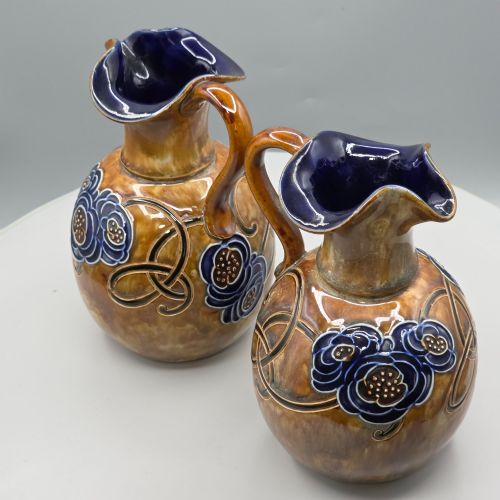
Recorded styles range from Victorian Arts and Crafts and Art Nouveau to Renaissance Revival and Meiji period Japanese pitcher designs.
Distinctions in quality and execution
Quality in an antique glazed jug depends on the crispness of the relief moulding, the stability of the handle attachment, and the depth of the glaze firing. Superior examples display controlled brushwork, vibrant polychrome or cobalt pigments without running, and well-balanced proportions that demonstrate the potter's precise control over kiln temperatures.
Lesser pieces often exhibit dull glaze pooling, uneven colour distribution, or clumsy restoration around the spout and base. The presence of hallmarked silver collars or specific named historical themes elevates the distinction of the work beyond basic utility into high craftsmanship.
Holdcroft Majolica·Royal Doulton·Doulton Burslem·Cantagalli Florence·Simon Peter Gerz
The Antique Glazed Jug Glossary
- Salt glaze
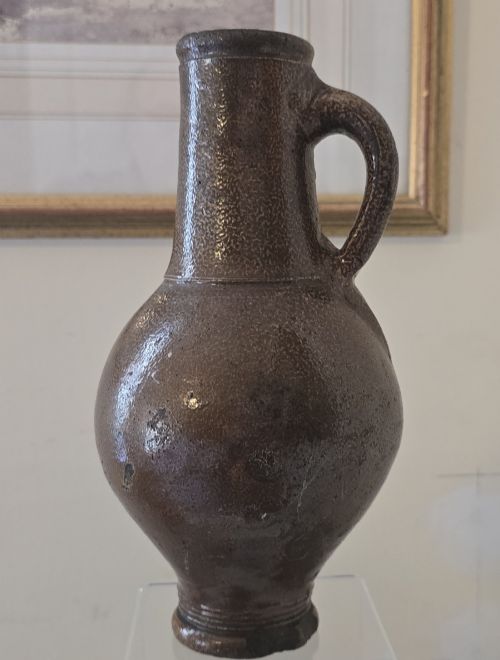
- A vitreous coating formed by throwing common salt into the kiln during high-temperature firing, producing an orange-peel texture on stoneware. This chemical reaction creates a durable, impervious finish typical of German and English utility vessels.
- Tin glaze
- An opaque white glaze made by adding tin oxide to a lead glaze, providing a smooth surface for painted decoration. This technique underpins traditional Dutch Delftware and Italian majolica production.
- Lustreware
- Earthenware featuring a metallic film applied over the glaze to impart a coppery, pink, or golden sheen. Makers achieved this effect through reduction firing techniques during the 19th century.
- Slipware
- Pottery decorated with liquid clay applied to a contrasting clay body before firing. Artisans utilised trailing or combing methods to create fluid geometric and floral patterns beneath a transparent lead glaze.
- Toby jug
- A pottery pitcher modelled as a full-seated person, typically a robust 18th-century figure holding a beer mug and jug. These character jugs became prominent decorative items in domestic settings and taverns.
Antique Glazed Jug: Frequently Asked Questions
How were antique glazed jugs used originally?
These vessels served primarily practical roles in domestic kitchens, farmhouses, and taverns for storing and pouring liquids such as beer, wine, milk, and water. Large stoneware flagons and oil bottles handled heavy mercantile transport, while smaller creamers and pitchers sat directly on dining tables.
Over time, many decorative forms shifted away from strict utility toward display purposes. Elaborate majolica ewers, figural Toby jugs, and lustre commemorative pieces were often placed on sideboards or used during special social gatherings to signal hospitality.
What is the difference between earthenware and stoneware?
Earthenware is a porous, lower-fired ceramic body that requires an applied glaze to become waterproof and withstand daily liquids. It tends to chip more readily and forms the base for tin-glazed delftware and colourful lustre jugs.
Stoneware is fired at significantly higher temperatures until the clay vitrifies, resulting in a dense, heavy, and naturally non-porous material. German salt-glazed pitchers and English industrial flasks utilise this robust composition for heavy service.
How can I tell a salt glaze from a tin glaze?
Salt glaze presents a slightly pebbled, orange-peel texture where the vapours bonded directly with the stoneware body during intense heat. It frequently appears on German Westerwald pitchers and British utility flagons in grey and cobalt blue.
Tin glaze provides an opaque, milky-white background designed to mimic imported porcelain for painted surface designs. It is characteristic of softer earthenware pieces such as Dutch Delftware and Italian pharmacy jars.