

Antique Glazed Ceramic Charger
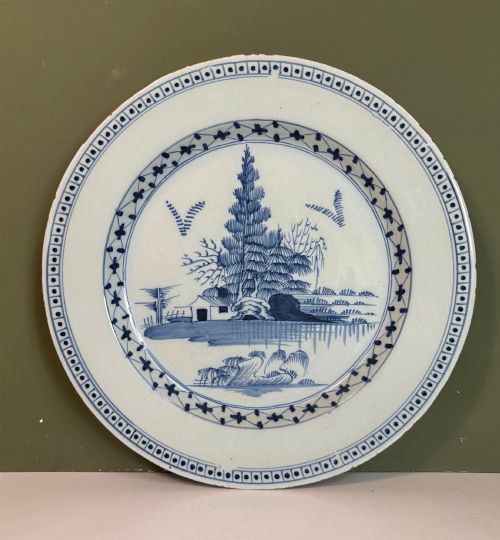
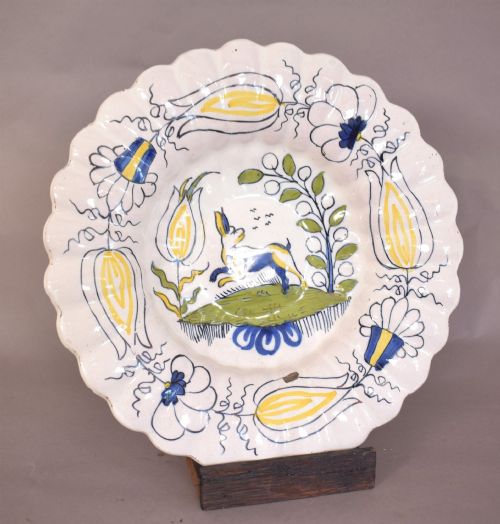
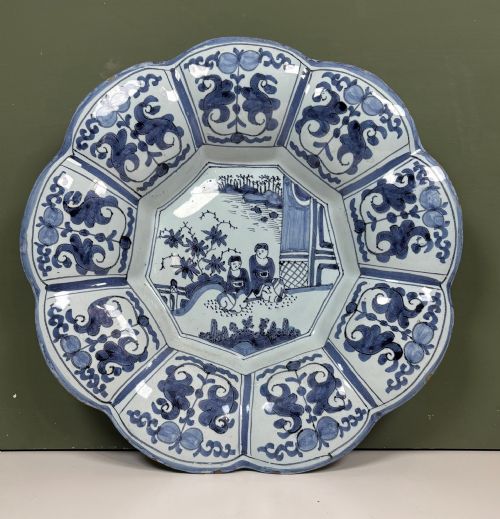
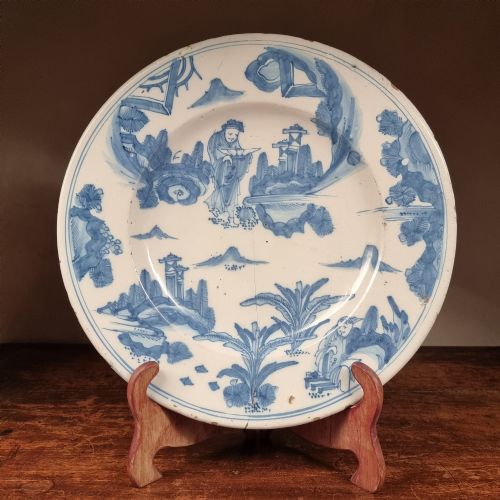
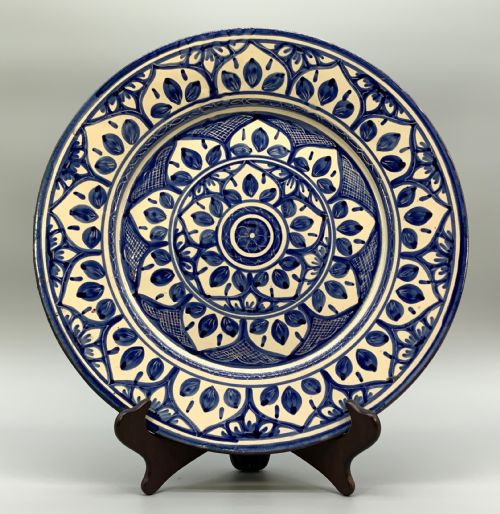
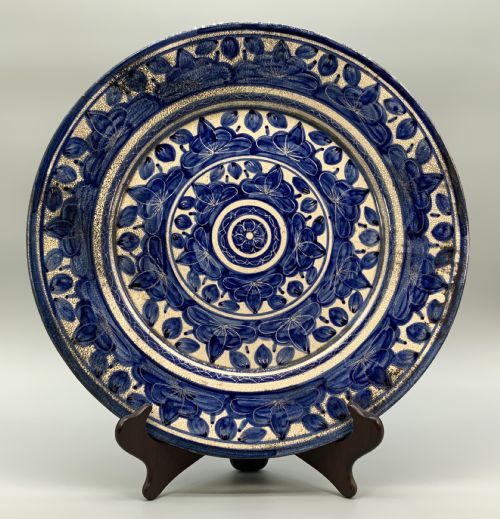
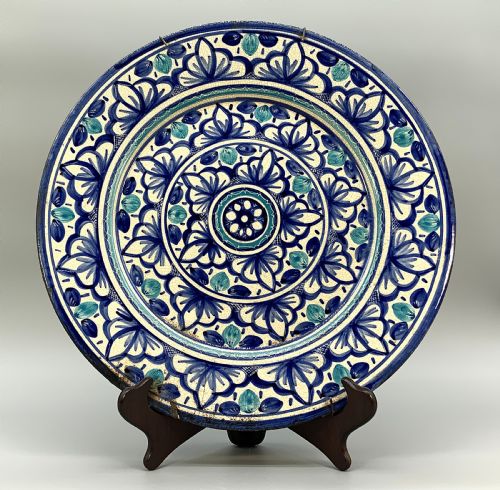
An antique glazed ceramic charger commands attention on a wall or dresser through sheer scale and hand-painted artistry.
Antique Glazed Ceramic Charger
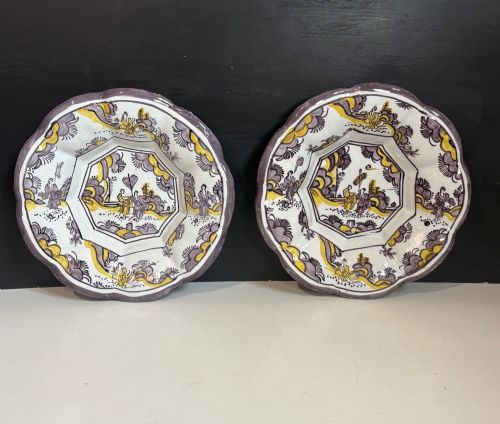
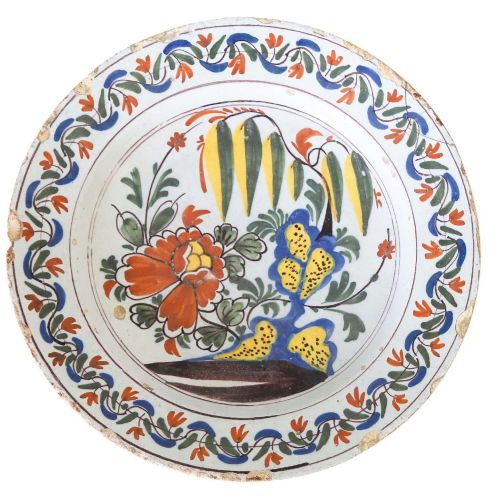
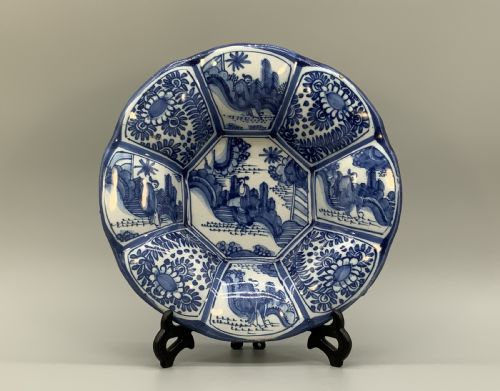
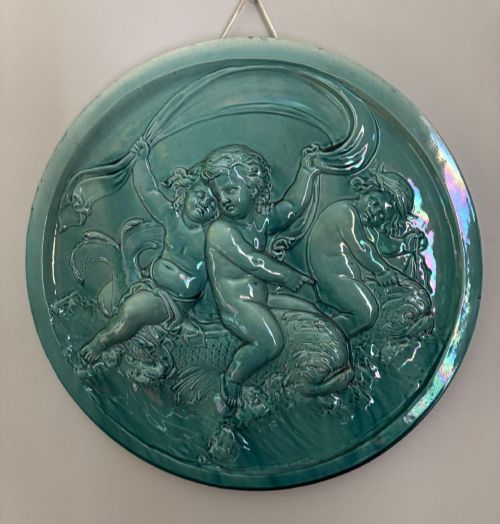
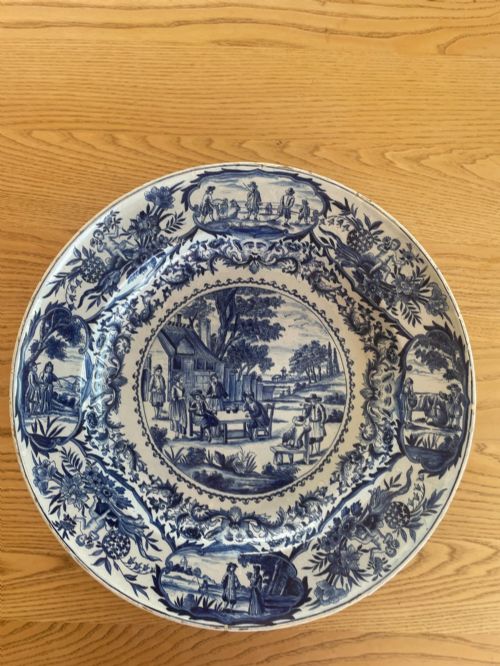
An antique glazed ceramic charger functions primarily as a display piece rather than table service, owing to its generous diameter. When searching for an antique glazed ceramic charger, buyers frequently encounter tin-glazed earthenwares from English, Dutch, and French traditions.
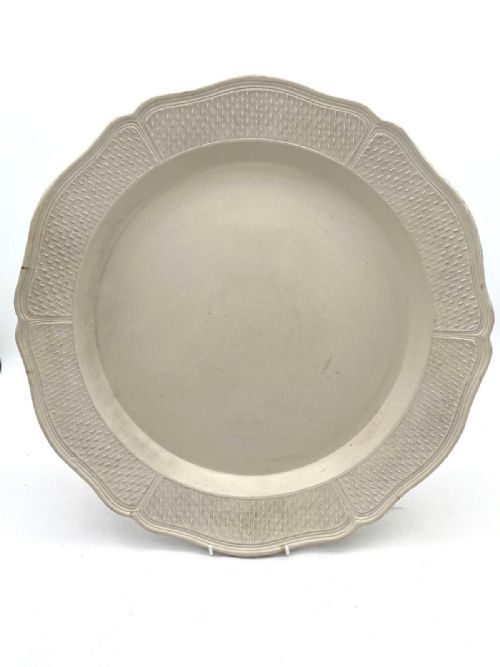
The inventory ranges from seventeenth-century Dutch pieces to eighteenth-century English polychrome examples and later revival styles. Forms extend beyond standard circles to include lobed dishes, silver-shaped creamware, and barber's bowls.
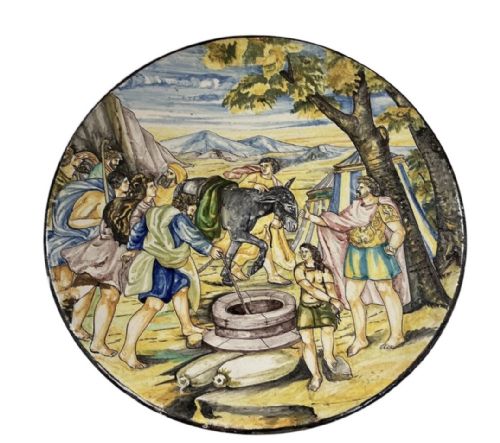
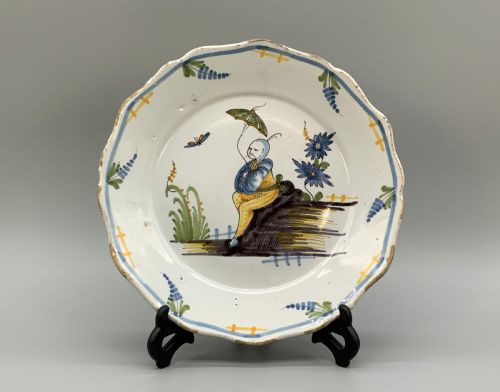
Origins span European potteries including Bristol and continental faience centres, alongside Asian exports in Imari and celadon palettes. These large decorative plates often display botanical, Chinoiserie, or historical narratives across their expansive surfaces.
How they were made
Potters shaped earthenware bodies on a wheel or in moulds before applying opaque tin glazes or salt glazes to create smooth white or coloured canvases. Artisans then hand-painted cobalt pigments, manganese, yellow enamel, and iron-red directly onto the porous raw glaze.
Firing took place in traditional kilns where pieces absorbed heat that bonded the metallic oxides with the liquid glaze. This technique yielded the characteristic soft margins and pooled brushwork seen across Delftware, maiolica, and faience.
Listings span seventeenth-century origins through to Edwardian interpretations, utilising earthenware, tin-glaze, and cobalt pigment.
What varies in quality
The visual strength of the painted narrative or floral composition dictates the upper tier of the range, separating confident master brushwork from stiff or formulaic execution. Cobalt depth and the purity of the white tin glaze ground contribute significantly to the visual impact.
Surface preservation and the stability of the glaze matter immensely given the fragile nature of tin-glazed earthenware over centuries. Superior examples maintain crisp pigment boundaries without excessive glaze flaking or distracting kiln blemishes.
Clement Messier·Mason
The Antique Glazed Ceramic Charger Glossary
- Tin-glazed earthenware
- Pottery covered in a lead glaze rendered opaque and white by the addition of tin oxide. This surface provided an absorbent ground for painting before a final firing.
- Polychrome
- Decoration employing multiple colours rather than a single pigment. Eighteenth-century examples often combined blues, greens, yellows, and manganese purple.
- Chinoiserie
- European interpretations of Chinese and East Asian artistic motifs. Painters rendered imaginative landscapes and figures onto domestic chargers.
- Maiolica
- Tin-glazed earthenware produced in Italy and associated regions. These wares frequently featured narrative historical scenes or vibrant botanical ornamentation.
- Creamware
- A refined light-coloured earthenware developed in England during the eighteenth century. It utilised a transparent lead glaze over a pale body.
Antique Glazed Ceramic Charger: Frequently Asked Questions
How were antique chargers used?
Historic households displayed large chargers on sideboards or hung them on walls to demonstrate wealth and taste. They served ceremonial and decorative functions rather than everyday dining.
Some specific forms, such as barber's bowls, included cut-out rims for practical grooming tasks while retaining decorative painted surfaces.
How do I hang a heavy charger safely?
Displaying large ceramic plates requires specialist wire spring hangers that distribute weight evenly across the rim. Ensure the fixing anchor secures firmly into wall studs rather than plaster alone.
Avoid mounts with excessive tension that might stress historical earthenware bodies over time.
How do I tell Dutch Delft from English Delft?
English delftware frequently exhibits warmer body tones and distinct palette choices influenced by local Bristol and London kiln practices. Dutch pieces often showcase crisper blue-and-white botanical or maritime motifs reflecting oriental trade influences.
Glaze thickness and footring characteristics also offer clues to regional production methods.
What is the difference between maiolica and delft?
Maiolica refers primarily to Italian tin-glazed earthenware traditions known for narrative historical scenes and vibrant polychrome palettes. Delft denotes the tin-glazed pottery traditions of the Low Countries and England.
Both employ tin oxide glazes, but regional painting styles and clay bodies diverge distinctly.