


Hand Painted Faience Plate
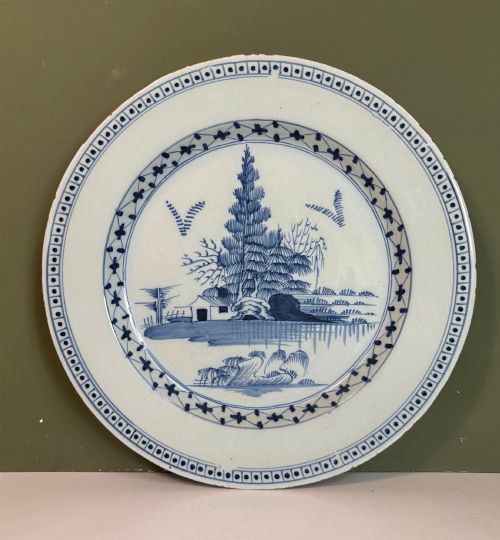
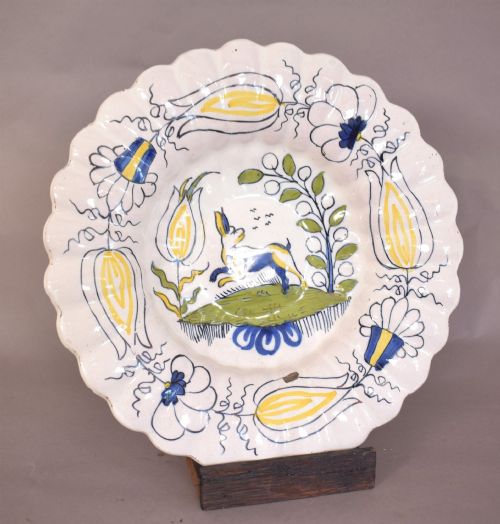
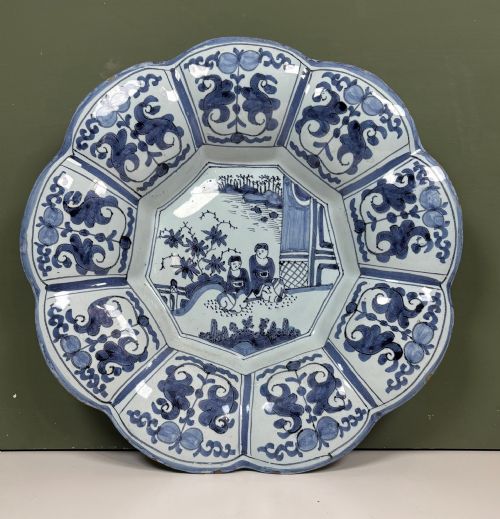
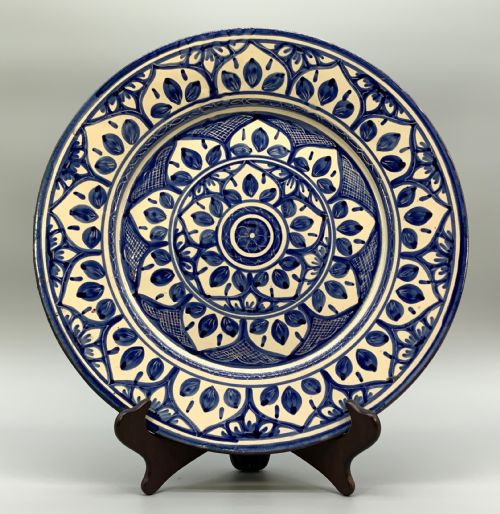
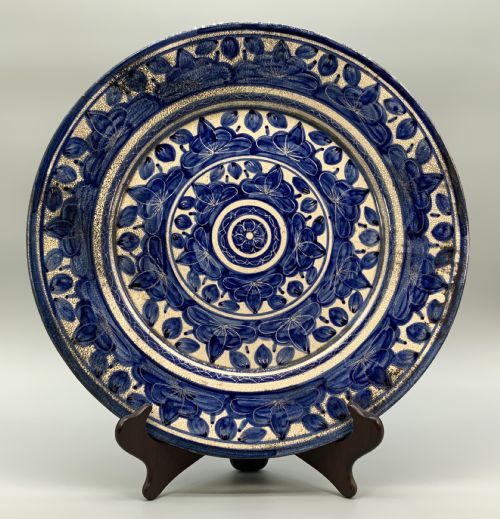
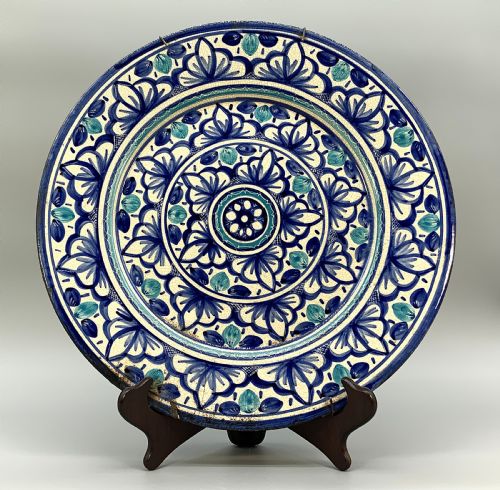
A hand painted faience plate brings centuries of tin-glazed earthenware and vibrant cobalt pigment into a room.
Hand Painted Faience Plate
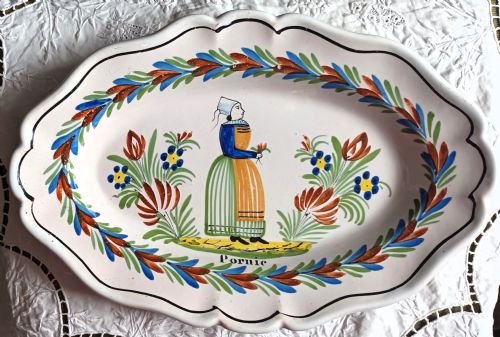
A hand painted faience plate represents a rich tradition of tin-glazed earthenware spanning from the seventeenth century through to the twentieth century. These objects appear primarily as decorative plates, large charger plates, and wall chargers designed for display rather than daily service.
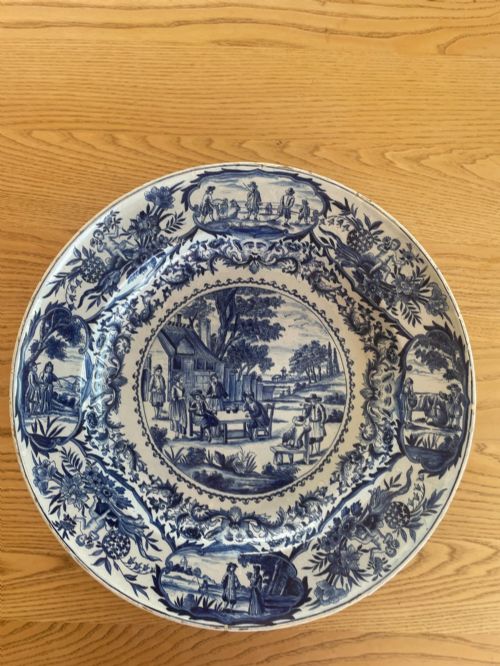
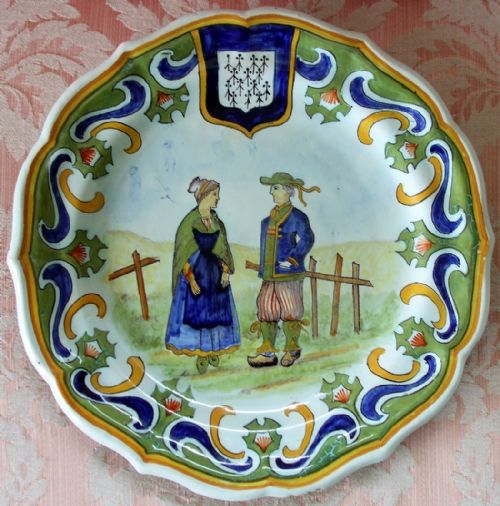
The selections here lean heavily toward eighteenth-century Dutch Delftware and nineteenth-century French provincial pieces from centres such as Quimper, Desvres, and Marseille. Continental examples also include Moorish style continental antiques and Italian pottery works.
Buyers encounter everything from small domestic dishes to massive chargers measuring over thirty centimetres across. The forms remain remarkably consistent, focusing on circular dishes, bowls, and platters shaped to showcase intricate painted surfaces.
How they were made
Potters built these items using earthenware covered in a distinct tin glaze that provided an opaque white surface suitable for brushwork. Artisans then applied pigments directly onto the porous unfired glaze, absorbing the colours permanently during the kiln firing.
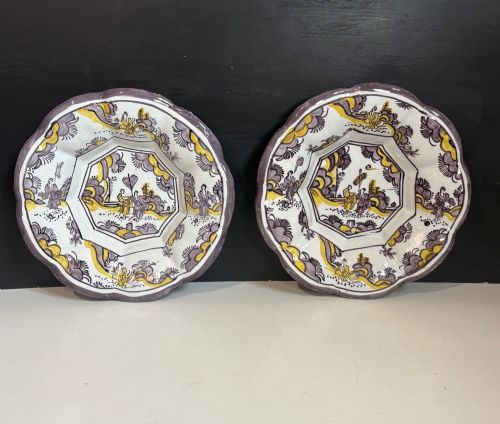
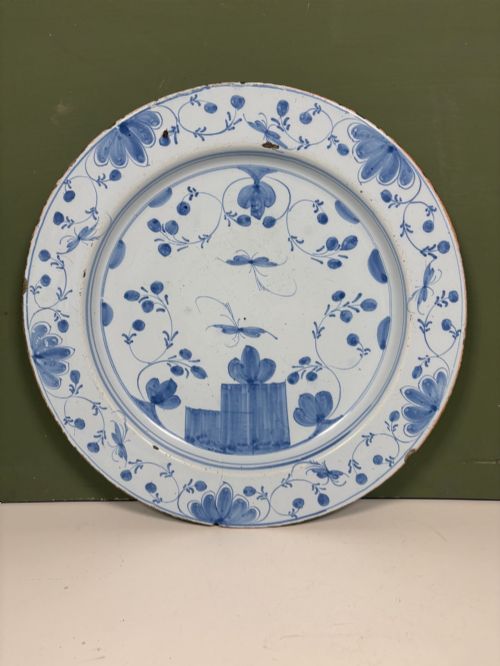
Cobalt pigment dominates the palette, creating deep blue designs against white backgrounds, though polychrome versions introduce iron reds, yellows, and greens. The painting required immense skill because the raw glaze absorbed liquid paint instantly, leaving no room for correction or hesitation.
Materials recorded across the inventory include cobalt pigment, ceramic, earthenware, glaze, and tin-glazed earthenware bodies.
What varies in quality
Quality rests entirely in the fluency of the brushwork and the clarity of the painted imagery. Master painters achieved lively geometric floral patterns, narrative scenes, or heraldic motifs with confident, expressive strokes, whereas lesser pieces display stiff or hesitant lines.
The smoothness of the tin glaze and the brilliance of the fired colours separate ordinary utility wares from exceptional decorative chargers. Pieces featuring rich polychrome palettes and well-balanced compositions command greater visual presence on a wall or dresser.
Veuve Perrin·Bassano pottery works
The Hand Painted Faience Plate Glossary
- Faience
- Tin-glazed earthenware produced in France, Germany, and Spain. The term covers a wide range of European pottery sharing this specific white opaque glaze technique.
- Delftware
- Tin-glazed earthenware originating from the Netherlands, famous for imitating Chinese blue and white porcelain. Dutch workshops developed sophisticated geometric and floral motifs.
- Charger
- A large decorative plate intended for wall display or sideboard presentation rather than dining use. These substantial dishes often feature the most elaborate hand painted scenes.
- Polychrome
- Decoration employing multiple colours rather than a single pigment like cobalt blue. These vibrant palettes often combine soft greens, yellows, and reds.
- Tin glaze
- An opaque white glaze containing tin oxide applied to earthenware bodies. It creates the ideal canvas for brush-painted ceramic decoration.
Hand Painted Faience Plate: Frequently Asked Questions
What is a hand painted faience plate?
A hand painted faience plate is a piece of tin-glazed earthenware decorated with brushed pigments directly onto an opaque white glaze. These objects range from small domestic dishes to large decorative chargers.
Potters across Europe produced them for centuries, adapting styles from Dutch Delftware to French provincial designs. They served primarily as decorative items to adorn walls and dressers.
How do I date a faience plate?
Dating relies on stylistic clues, glaze characteristics, and regional painting traditions recorded across the centuries. Eighteenth-century pieces often display looser brushwork and distinct cobalt tones compared to later iterations.
Examining the foot ring, body weight, and palette helps narrow the origin between seventeenth-century Dutch workshops and nineteenth-century French factories.
Were these plates used for dining?
Most large chargers and decorated dishes served as display pieces rather than everyday tableware. Their soft earthenware bodies and tin glazes made them vulnerable to heavy kitchen use and cutlery scratching.
Smaller plates occasionally saw dining service among wealthier households, but surviving examples in good condition generally spent their lives on walls or sideboards.
How should I display a charger plate?
Charger plates suit wall mounting using specialised wire hangers designed for heavy ceramics. Alternatively, sturdy plate stands allow them to sit securely on mantels or open shelving.
Keep them away from direct sunlight and areas of high humidity to protect the historic tin glaze and delicate surface pigments.