




Vintage Blue Delft Plate
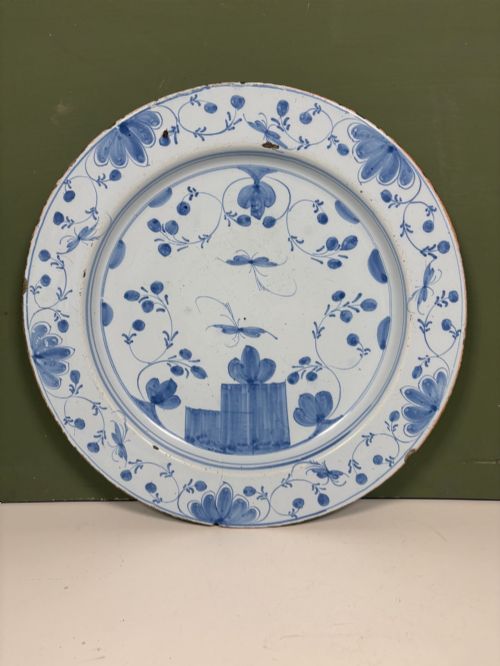
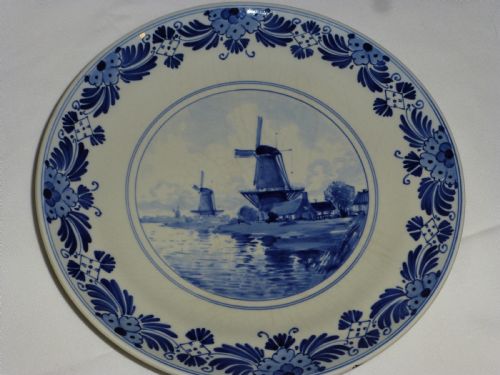
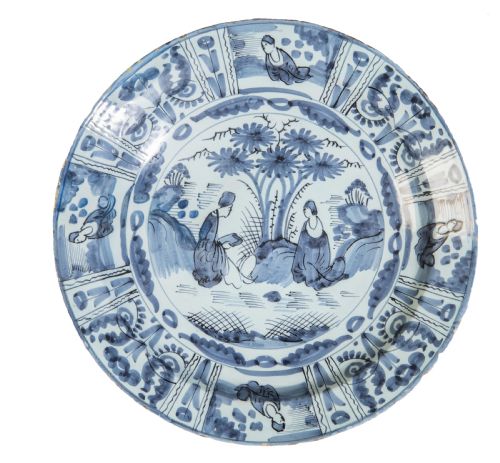
These vintage blue delft plate examples bring tin-glazed earthenware into modern interiors with hand-painted cobalt pigment.
Vintage Blue Delft Plate
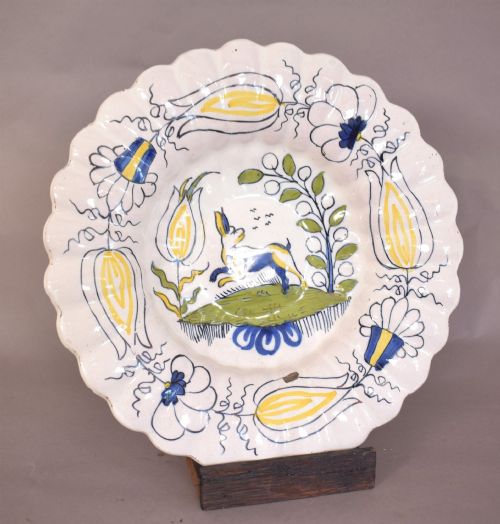
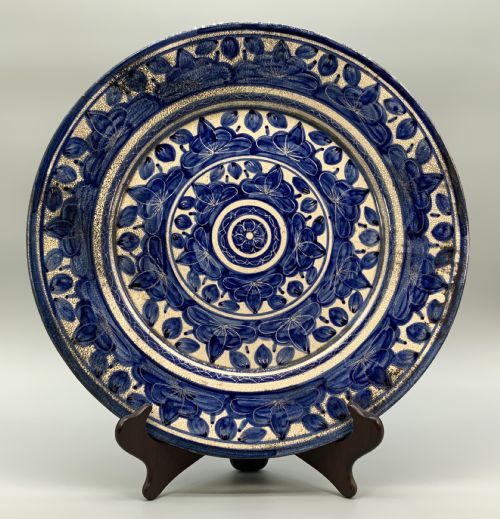
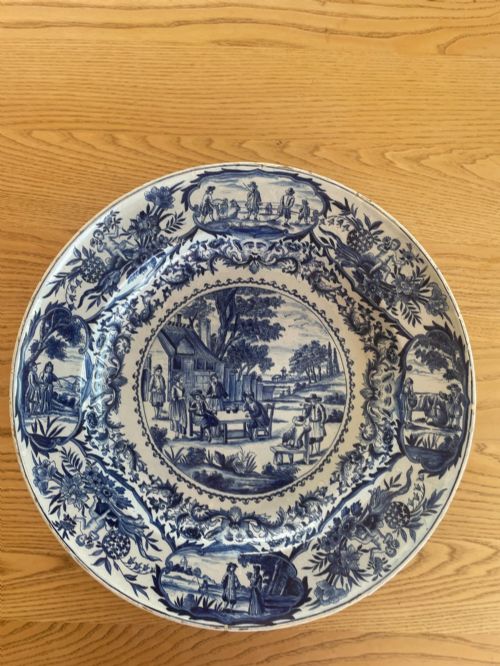
When you search for a vintage blue delft plate, you encounter decorative chargers, wall chargers, and shallow bowls made in styles like Dutch Delftware and Dutch Baroque. The listings show works originating from the seventeenth century through to the nineteenth century, alongside later continental interpretations.
Most examples you meet on this page take the form of large charger plates or smaller plates displaying blue and white motifs. The material spans earthenware treated with tin glaze or faience glaze, carrying hand-painted decoration in cobalt oxide.
How they were made
Potters shaped earthenware bodies and coated them in a tin glaze or faience glaze to create an opaque white surface. Artisans then applied cobalt pigment or cobalt oxide directly onto the unfired glaze before firing.
Makers utilised traditional methods to produce decorative plates and chargers, incorporating hand-painted floral decoration and regional motifs onto ceramic bases.
Cobalt pigment misbehaves in the kiln if the potter sneezes near the glaze.
What varies in quality
The clarity and depth of the cobalt pigment against the tin glaze dictate the visual impact of each charger. Finer pieces demonstrate precise brushwork in the hand-painted floral decoration and smooth coverage across the earthenware body.
Proportion and scale also separate standard plates from large chargers. Superior examples maintain balance across wide surfaces without distortion in the ceramic form during firing.
The Vintage Blue Delft Plate Glossary
- Tin-Glazed Earthenware
- Earthenware pottery covered with a lead glaze made opaque by the addition of tin oxide. This white surface serves as the ground for painted decoration.
- Cobalt Pigment
- A metallic oxide used to achieve the characteristic blue colour on ceramic wares. It reacts with the glaze during firing to produce deep blue tones.
- Charger
- A large decorative plate or shallow bowl typically intended for display on walls or sideboards rather than dining use. These pieces often feature prominent painted scenes.
- Faience Glaze
- A tin-opacified glaze applied to earthenware, commonly associated with European tin-glazed pottery traditions. It provides a smooth white background for cobalt painting.
- Dutch Baroque
- An artistic style influencing the decorative layouts and ornamental borders found on seventeenth and eighteenth-century ceramic pieces.
Vintage Blue Delft Plate: Frequently Asked Questions
How were delft plates used?
Large chargers and decorative plates were primarily displayed on walls or sideboards as ornamental objects rather than utilised for everyday dining. Their tin-glazed surfaces provided a striking visual element in domestic interiors.
Smaller plates occasionally served functional roles at table during earlier periods before transitioning into decorative display items collected for their artistry.
How do I date a delft plate?
Dating relies on examining the characteristics of the earthenware body, the tint of the tin glaze, and the style of the hand-painted cobalt decoration. Seventeenth-century pieces often display thicker bodies and different blue hues compared to eighteenth-century examples.
Secondary clues include the footrim formation and the complexity of the painted motifs, which evolved alongside changing European ceramic traditions.
What is the difference between a plate and a charger?
A charger is substantially larger than a standard plate, typically measuring well over twelve inches in diameter. These substantial pieces were designed specifically for visual impact.
Plates are smaller in scale and were produced in larger quantities for table service or modest wall display.
Why are some delft pieces polychrome?
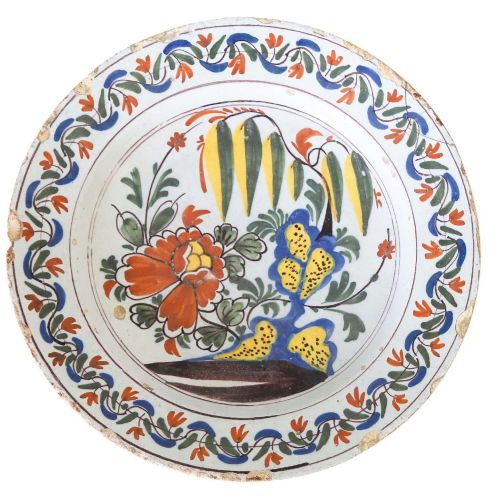
While cobalt blue remains standard, some workshops introduced additional colours like iron red and green alongside the blue pigment. English and continental makers expanded their palettes to create varied floral and pictorial designs.
These polychrome examples require separate firing stages for the additional pigments.