

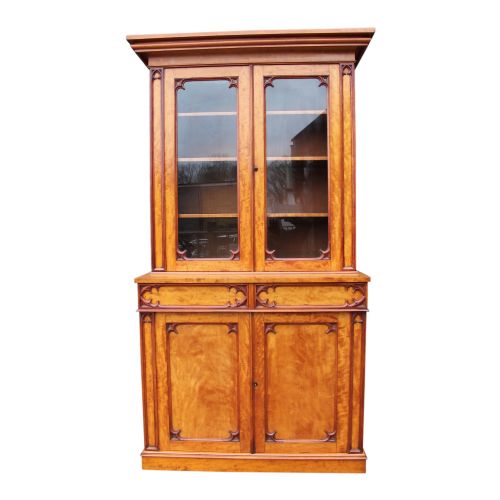
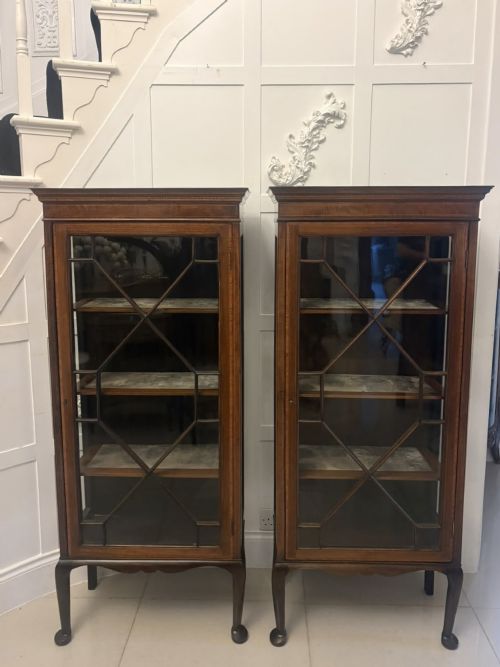
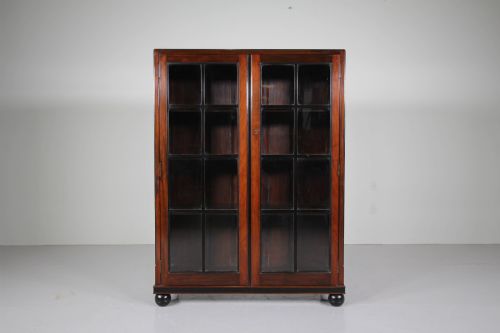
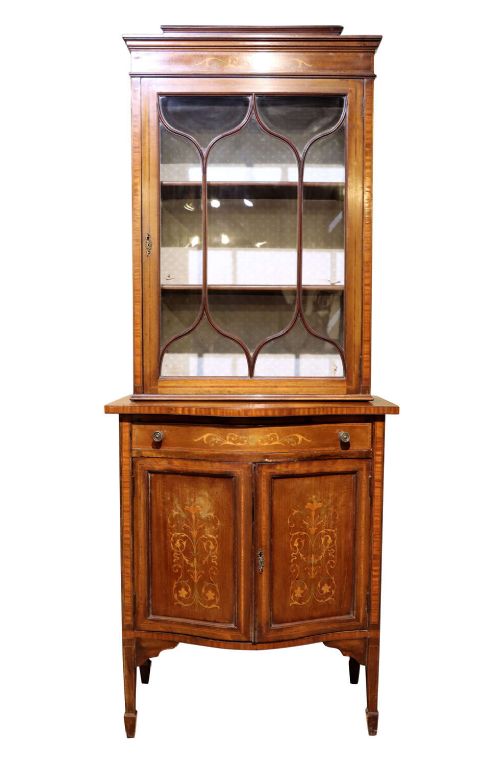
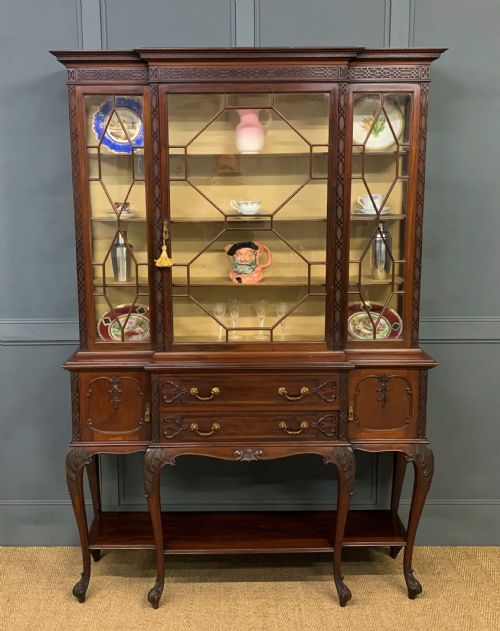
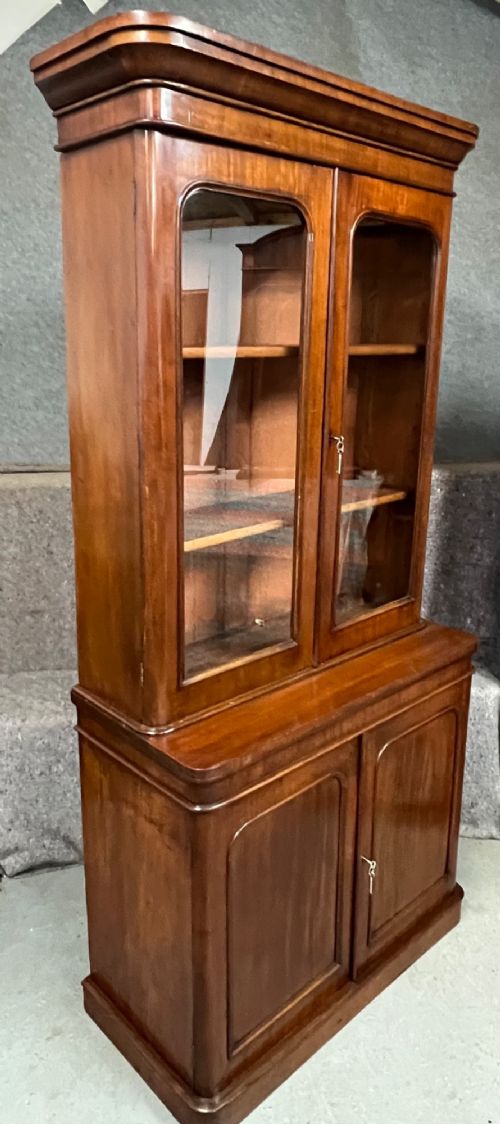
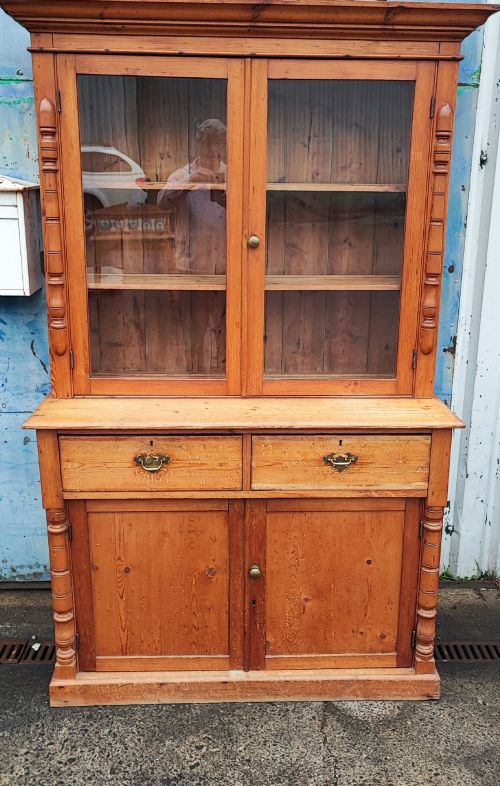
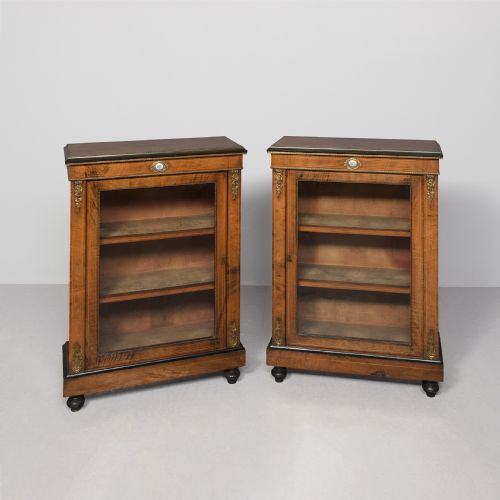
Antique Glazed Bookcase Cupboard
An antique glazed bookcase cupboard unites shelved display space above with enclosed storage below, offering a practical solution for housing books and prized objects.
Antique Glazed Bookcase Cupboard
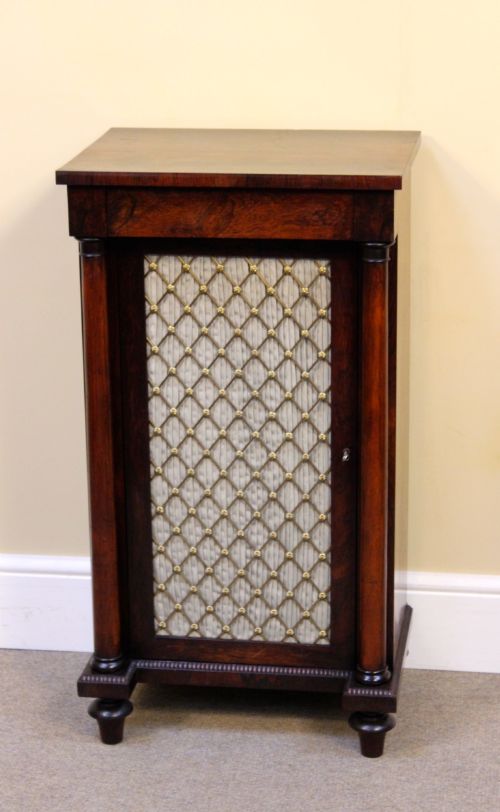
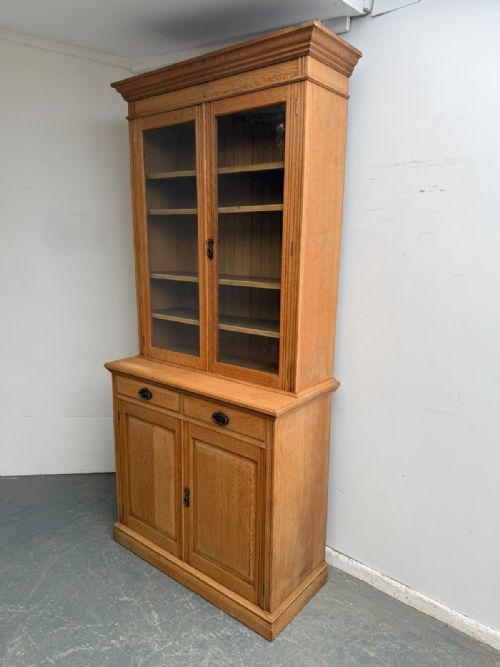
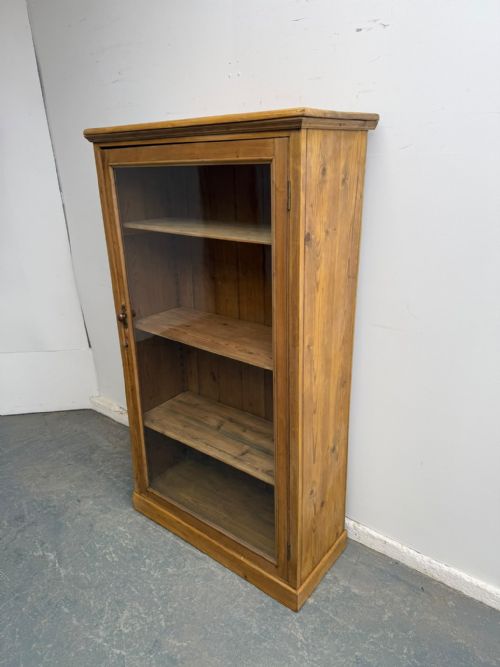
An antique glazed bookcase cupboard combines upper glass-fronted shelves for visible storage with a solid lower cabinet base, providing a dual-purpose storage piece for the home. When searching for an antique glazed bookcase cupboard, buyers encounter forms ranging from compact Victorian pier cabinets to monumental breakfront libraries spanning the Georgian, Victorian, and Edwardian periods.
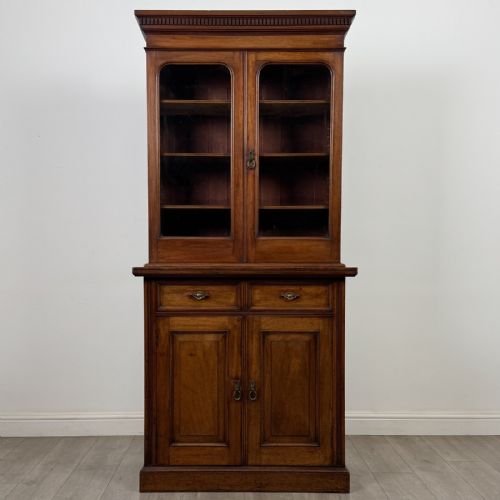
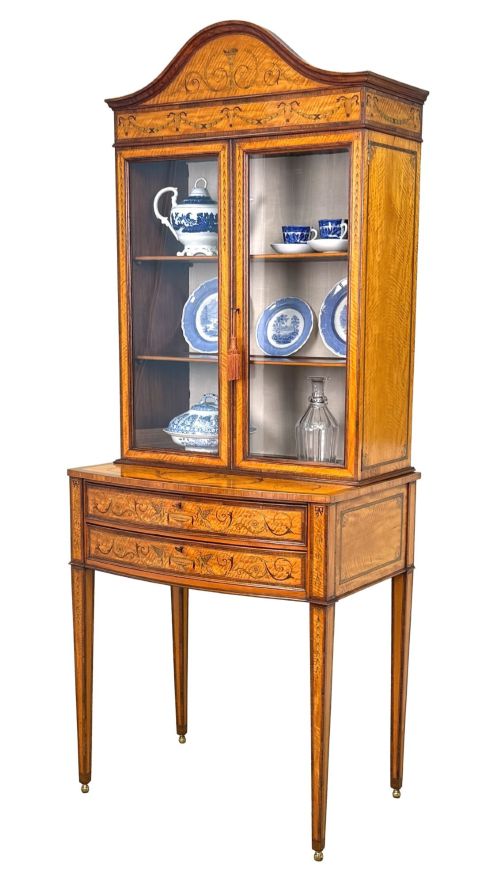
The prevailing examples on this page are Edwardian mahogany and Victorian walnut iterations, frequently featuring glazed upper doors alongside timber-panelled lower cupboards. Makers and manufacturers of these periods adapted traditional library furniture into domestic display cabinets, incorporating inlaid satinwood, carved oak, and figured rosewood.
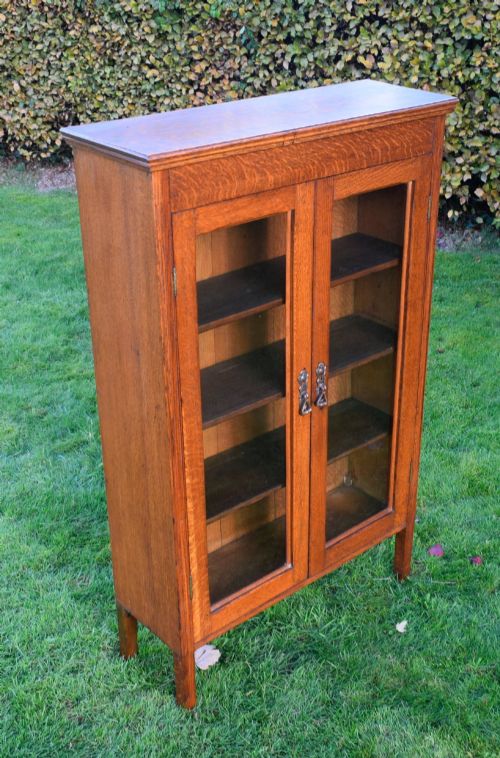
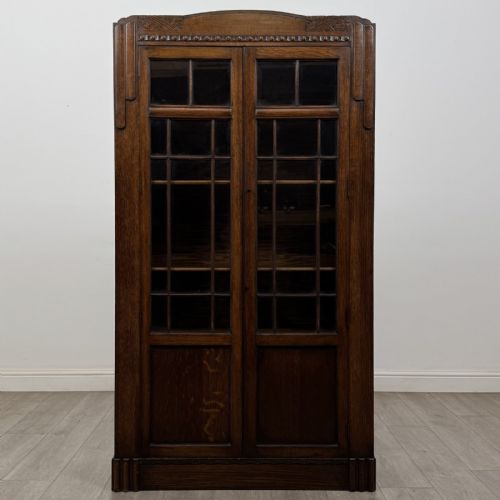
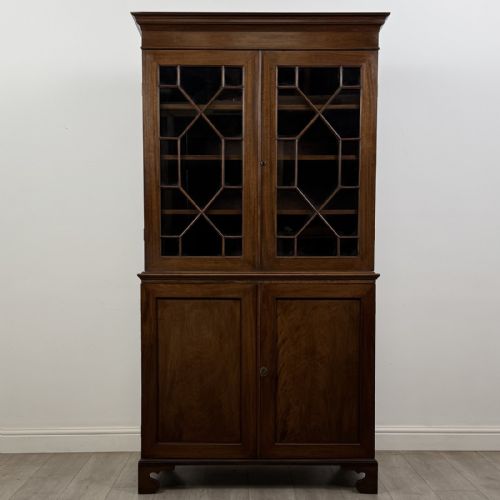
Regional and stylistic variations include Arts and Crafts oak shelving, Art Deco glazed units with carved arched tops, and Georgian mahogany designs with astragal glazing bars. These pieces serve contemporary interiors by keeping books and ceramics visible yet protected from dust behind original glass.
Materials and construction methods
Cabinet makers constructed these pieces primarily using solid and veneered hardwoods such as mahogany, walnut, oak, and satinwood, frequently mounted on frames of pine or secondary timbers. Glazed upper doors required precise joinery to hold individual glass panes, often secured with wooden glazing bars or lead cames.
Decorative surfaces relied on techniques like marquetry inlay, book-matched burr walnut veneers, and hand-carved mouldings. Ironmongery such as brass handles, escutcheons, and maker-marked cabinet locks completed the structural assembly.
Antique Glazed Bookcase Cupboard Retail Price Guide 2026
Typical asking prices for glazed bookcase cupboard among the pieces listed under this phrase on Sellingantiques today, from the lower quarter to the upper quarter. They describe what is for sale here now, not the wider market.
Listings span Georgian, Regency, Victorian, Edwardian, and Art Deco periods, executed in mahogany, oak, walnut, rosewood, and satinwood.
Distinctions in quality
Quality rests upon the selection of timbers, such as figured burr walnut or dense Cuban mahogany, and the precision of the cabinet work in joints and drawers. Superior examples display refined proportions, hand-carved detailing, and matched wood veneers rather than painted or stamped imitations.
Originality of components elevates a piece significantly, including surviving hand-blown glass panes, period brass hardware, and working locks by noted makers. The crispness of carved mouldings and the integrity of the original polish indicate the skill invested during manufacture.
Edwards & Roberts·Heals of London·Warings·Maple & Co.·Hobbs & Co
The Antique Glazed Bookcase Cupboard Glossary
- Astragal glazing
- Timber bars dividing glass panes into smaller geometric sections within a cabinet door. These delicate mouldings define Georgian and Edwardian cabinet fronts.
- Breakfront
- A piece of furniture where the central section projects forward from the flanking outer sections. This architectural arrangement creates depth and shadow on large bookcases.
- Marquetry
- Decorative patterns formed by fitting together small pieces of dyed or natural wood veneer onto a solid background. It appears frequently on satinwood and walnut cabinet friezes.
- Pier cabinet
- A low, narrow cabinet designed to stand against the wall space between windows. These are typically glazed to display porcelain and small ornaments.
- Burr walnut
- Wood grain taken from a growth or burl on the walnut tree, producing swirling, intricate patterns. Cabinet makers prized this veneer for principal display surfaces.
Antique Glazed Bookcase Cupboard: Frequently Asked Questions
What is an antique glazed bookcase cupboard?
It is a dual-section storage unit featuring glass-fronted upper shelves for display and a solid cupboard base underneath.
Cabinet makers designed these pieces to protect books and display fine china while concealing larger household items out of sight.
How do I date an antique cabinet?
Dating relies on stylistic clues, timber choices, and construction methods characteristic of periods like Georgian, Victorian, or Edwardian.
Examining the drawer dovetails, backboards, and hardware helps narrow down the decade of manufacture.
Are the glass panes original?
Original glass often exhibits minor surface ripples, tiny air bubbles, and slight thickness variations from period manufacturing methods.
Uniform, perfectly flat glass usually indicates a modern replacement.
How should I care for wood finishes?
Maintain antique polished wood by dusting with a soft, dry cloth and applying natural beeswax periodically to nourish the surface.
Keep cabinets away from direct sunlight and central heating vents to prevent timber from drying out or splitting.