


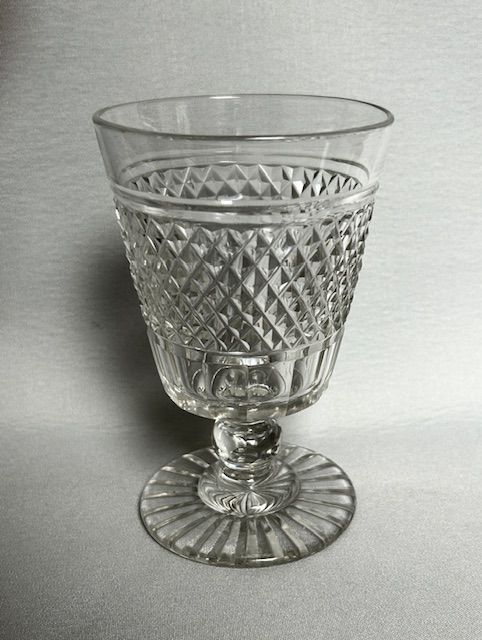

Antique Glassware Rummer
These robust pieces of antique glassware rummer bring solid weight and generous capacity to the table, designed for hearty ales and wines.
Antique Glassware Rummer
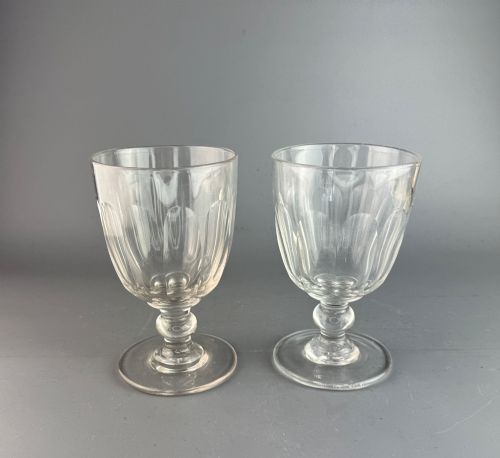
An antique glassware rummer is a sturdy drinking vessel designed for ale, wine or spirits during the eighteenth and nineteenth centuries. These glasses carry substantial bowls on short stems, built to sit firmly on tavern tables and dining boards.
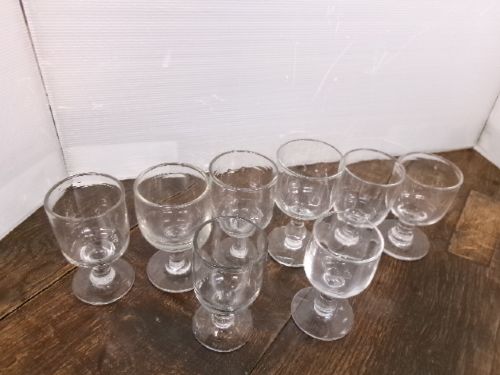
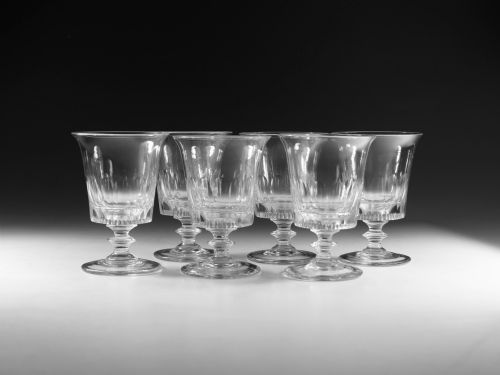
Most examples met on this page date from the Georgian and Victorian eras, spanning English lead glass production alongside continental European roemers from Germany and Bohemia. Buyers encounter single tavern glasses, matched pairs and larger drinking sets intended for social gatherings.
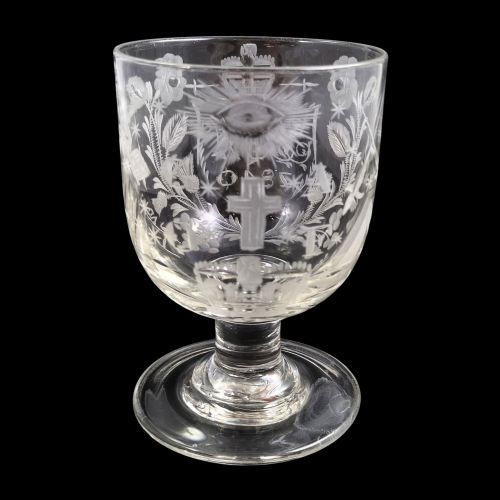
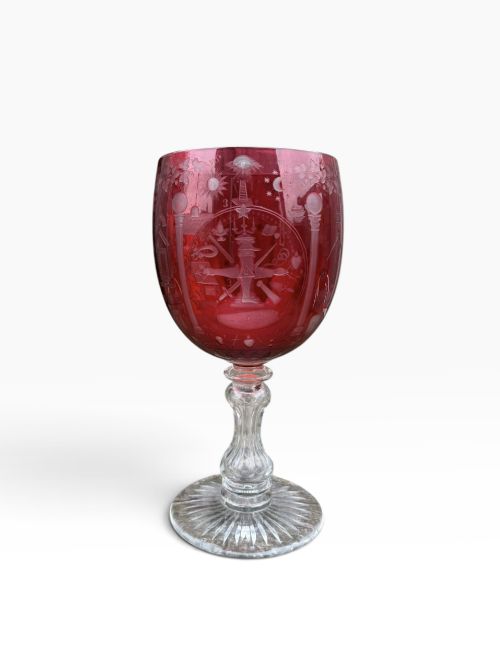
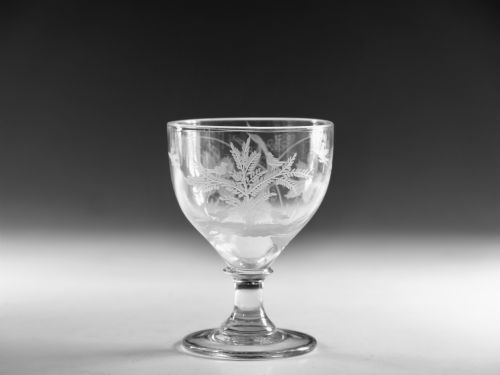
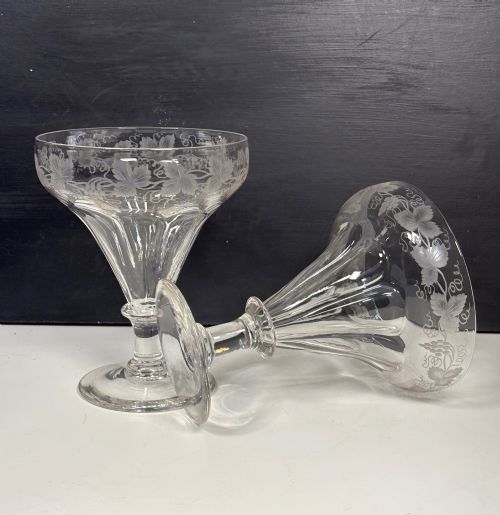
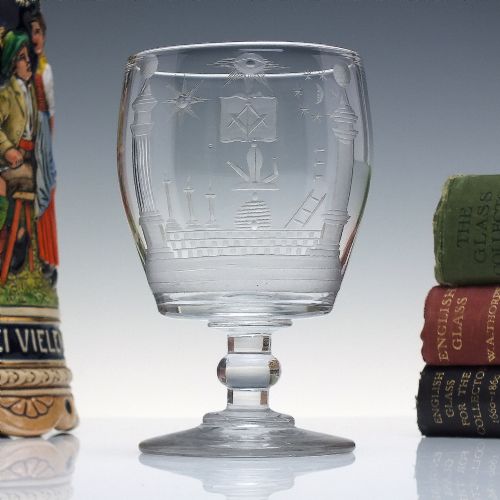
Forms range from simple bucket bowls and pan tops to heavily engraved crystal and coloured glass variations featuring hops, barley or armorial motifs. The regional diversity includes North-East English work and Anglo-Irish creations alongside continental enamelled pieces.
How they were made
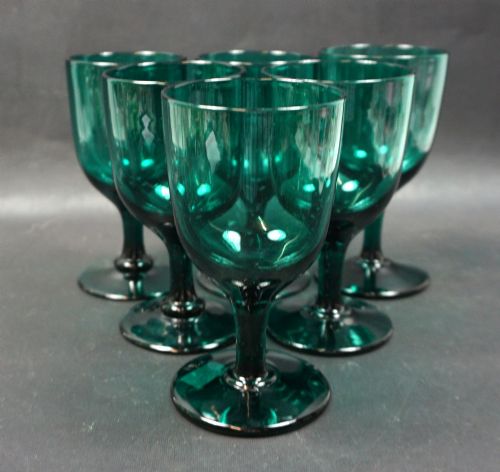
Glassmakers utilised lead glass, flint glass and clear or coloured glass, shaping vessels by hand through blowing and moulding techniques. Lead crystal added density and refractive brilliance to the heavy bowls and sturdy feet.
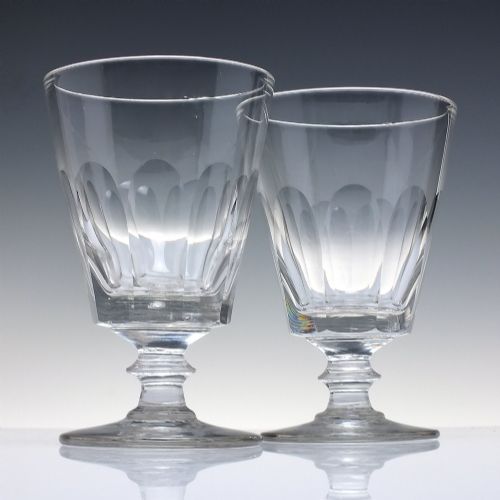
Decoration relied on skilled wheel-engraving, cutting and etching to apply hop and barley patterns, armorial crests or geometric hobnail designs. Continental makers also employed polychrome enamelling and gilding upon green, amber and opalescent surfaces.
The listings here encompass Georgian, Regency and Victorian periods alongside continental pieces from German and Bohemian workshops.
What varies in quality
Quality rests upon the clarity and weight of the metal itself, alongside the crispness and depth of any wheel-cut or engraved detailing. Thick, heavy lead glass with a resonant ring distinguishes superior English examples from simpler tavern wares.
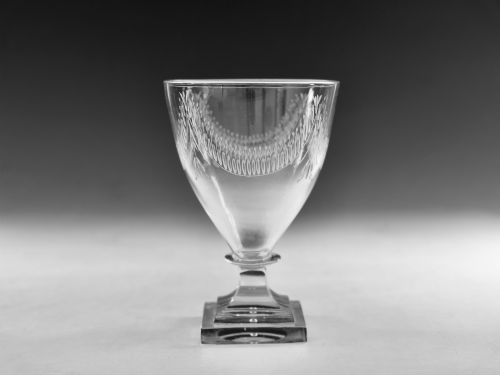
The stability and proportion of the foot also dictate worth, particularly on pieces with square lemon-squeezer bases or coiled trails. Fine execution in surface engraving, such as detailed hop bines or heraldic enamel work, separates ordinary vessels from exceptional ones.
Frits Hechert
The Antique Glassware Rummer Glossary
- Rummer
- A large heavy drinking glass used for ale, wine or punch in the eighteenth and nineteenth centuries. These vessels typically feature a short, thick stem and a capacious bowl.
- Roemer
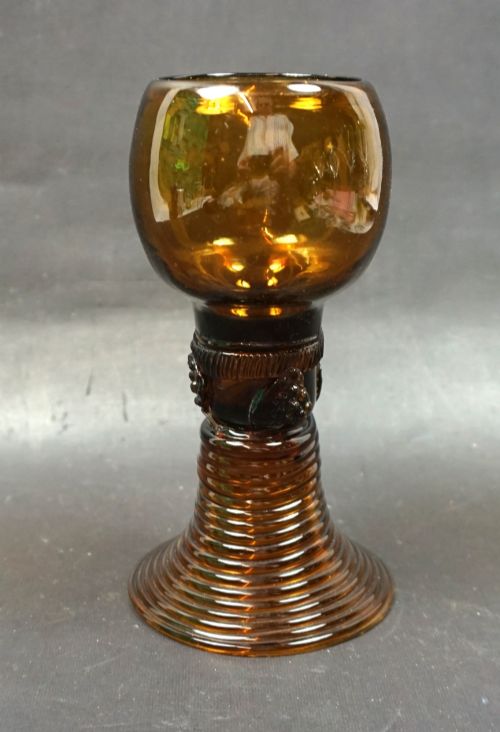
- A continental drinking glass, usually green or amber, characterised by a large spherical bowl resting on a cylindrical stem decorated with applied prunts or coiled trails. German and Bohemian makers produced these in large numbers.
- Hobnail cut
- A geometric glass-cutting pattern of repeated raised facets resembling the studs on heavy boots. This technique created deep texture and caught the candlelight.
- Lemon-squeezer base
- A square, moulded glass foot with sloping sides that resembles a nineteenth-century citrus juicer. Makers pressed these square bases to provide sturdy support for heavy rummers.
- Prunt
- An applied blob of molten glass pressed onto the stem or foot of a roemer for decoration and a secure grip. These functional additions are typical of continental drinking vessels.
Antique Glassware Rummer: Frequently Asked Questions
What were antique rummers used for?
These vessels served everyday drinking needs for ale, porter, wine and punch in homes and taverns. Their large capacity and solid weight suited hearty toasts and communal dining.
Unlike delicate wine glasses of the period, these pieces were built for regular use and social gatherings.
How do I tell Georgian from Victorian rummers?
Georgian rummers often display simpler, hand-blown forms with polished pontil marks and crisp wheel engraving of natural motifs like hops and barley. They generally date from the late eighteenth to early nineteenth centuries.
Victorian examples frequently utilise heavier moulded glass, pan-cutting, or ornate etching, reflecting industrial production methods that increased output after eighteen thirty.
What is a roemer glass?
A roemer is a specific continental form of drinking glass, traditionally made from green or amber forest glass. They feature wide bowls set upon cylindrical stems adorned with applied glass prunts.
German and Bohemian workshops produced these vessels across the nineteenth century, often embellishing them with enamel heraldic motifs.
How should I display or use them?
These sturdy glasses sit comfortably on open shelving, in glazed cabinets or upon dining tables where their weight prevents easy tipping. They remain fully functional for serving wine or ales to guests.
Hand washing in warm water keeps the historic glass safe from the harsh heat and detergents of modern dishwashers.