


English Glass Goblet
An english glass goblet brings tangible eighteenth-century weight and clarity to the table, offering a tactile connection to historical drinking traditions through blown lead crystal.
English Glass Goblet
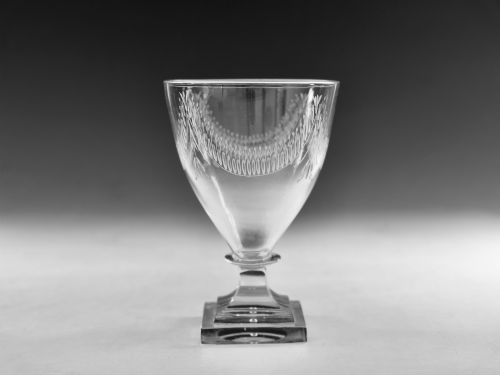
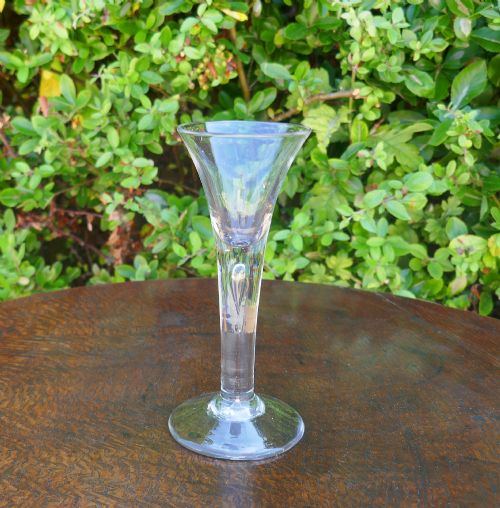
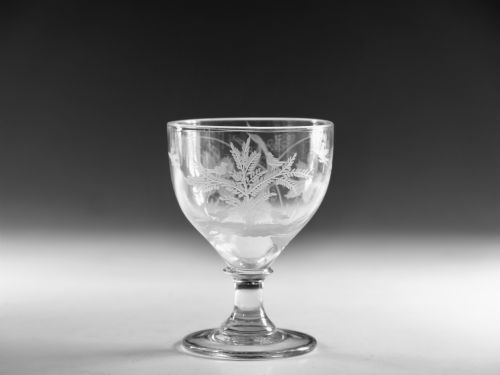
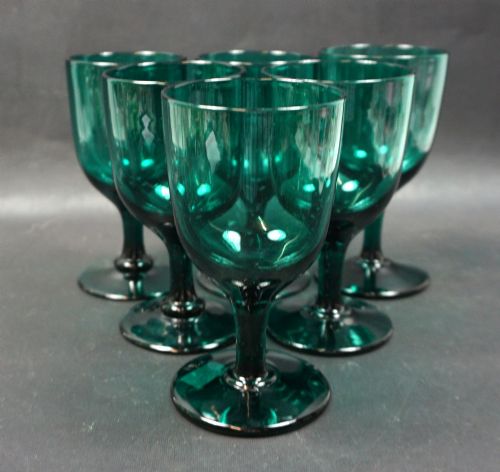
An english glass goblet is a substantial drinking vessel designed for wine, ale, or rum, most frequently encountered from the eighteenth century and the Georgian period. These pieces encompass specific forms such as rummers, ale glasses, and wine glasses featuring varied stem formations and bowl shapes.
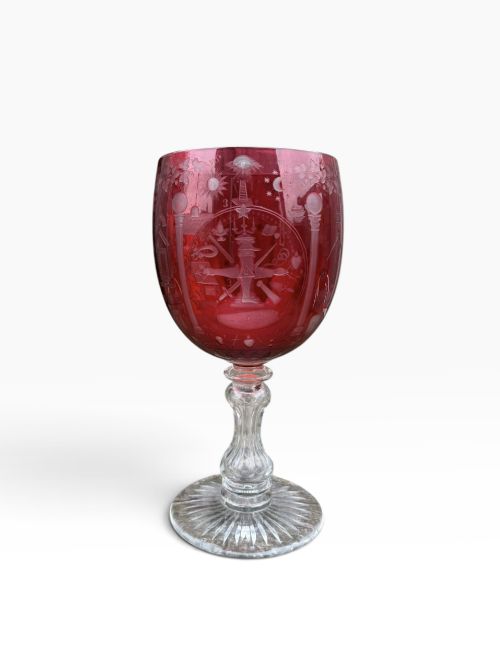
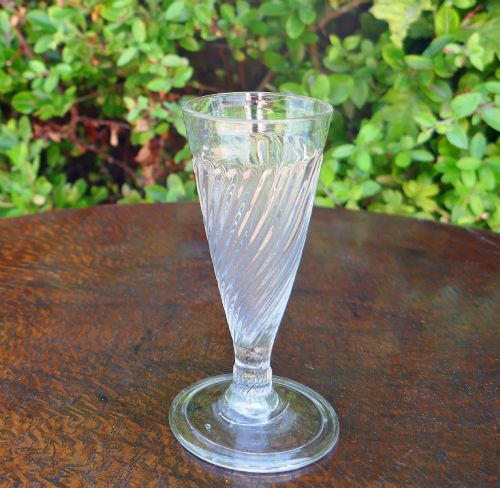
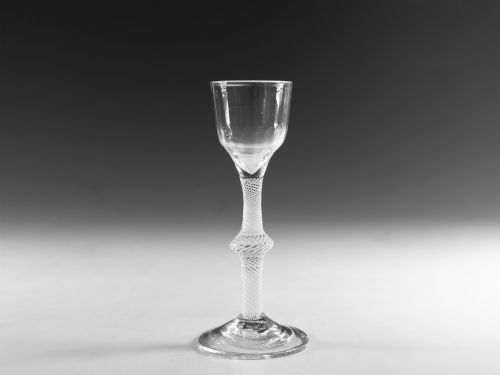
The selection ranges from delicate air twists and opaque twists of the mid-eighteenth century to heavier engraved rummers from the early nineteenth century and Victorian eras. Collectors encounter plain stems, facet stems, and wrythen moulded bodies alongside decorative enamelling and deep cutting.
Origins span English production centres, including regional works and specialised glasshouses that utilised lead glass to achieve superior heft and brilliance. The pieces serve both as historical drinking vessels and decorative objects representing centuries of British glassmaking skill.
Distinctions in Quality and Execution
Quality rests in the purity of the metal and the precision of the optic effects, where superior pieces display high optical clarity and minimal internal cloudiness or seed bubbles. The dexterity required to pull a fine air twist or align a complex opaque twist dictates the refinement of the stem.
Proportion and weight govern the architectural integrity of the vessel, distinguishing masterwork pieces from standard tavern or domestic ware. Engraving depth and artistic fluency also separate workshop output, with crisp wheel-cut detailing commanding greater visual presence.
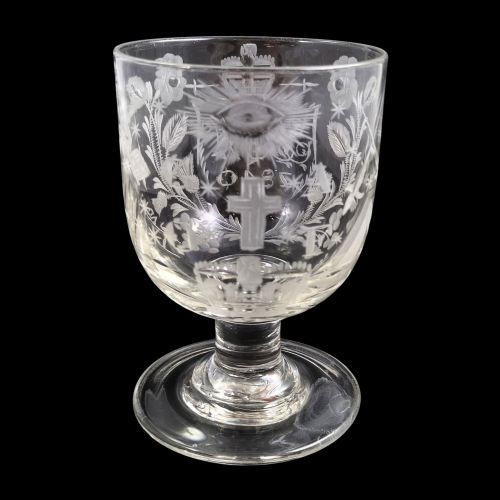
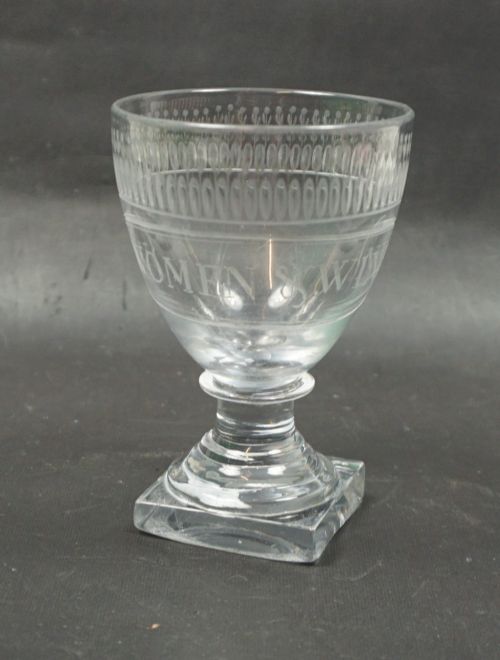
An unusually frank rummer survives bearing the direct social command 'Women & Wine' etched into its bowl.
The English Glass Goblet Glossary
- Lead Glass
- A heavy glass composition containing lead oxide that increased refractive index and weight. This material allowed eighteenth-century makers to produce deep-cut and engraved vessels with high brilliance.
- Air Twist
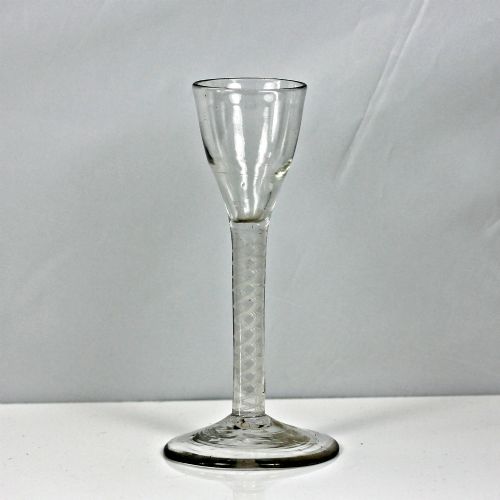
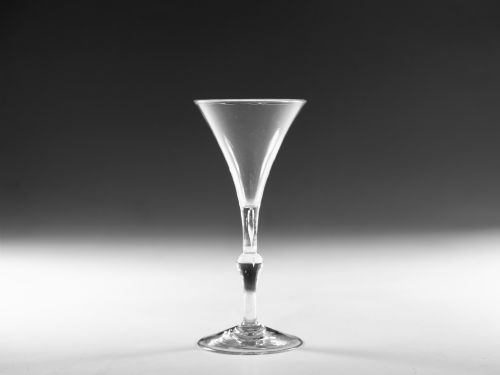
- A stem formation containing elongated internal air bubbles drawn into spiral threads during fabrication. This optical effect creates a shimmering strand pattern within the transparent glass column.
- Opaque Twist
- A stem enclosing white enamel threads twisted into single or double series strands. The contrasting white lines provide a crisp decorative element against the clear metal of the glass.
- Rummer
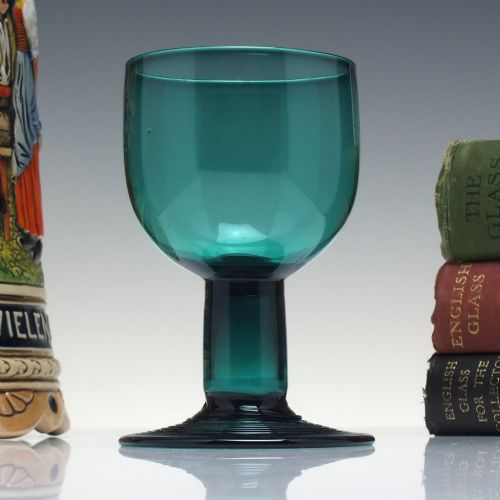
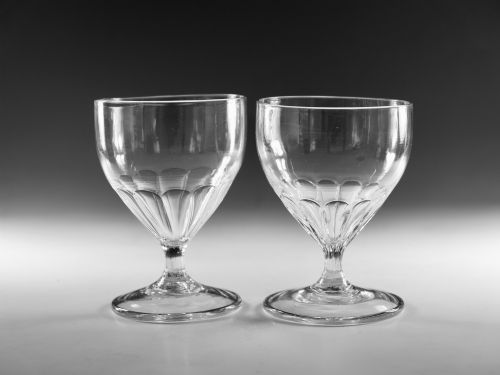
- A large, heavy goblet introduced in the late eighteenth century for serving rum, punch, or wine. These vessels typically feature capacious bowls on short, sturdy stems with plain or facet-cut designs.
- Folded Foot
- A base edge turned back underneath to create a thickened rim and greater stability. This technique adds structural strength to the foot of early drinking vessels.
- Wrythen
- A spiral moulded pattern applied to the body of a glass bowl or jug. This surface texture creates swirling ridges that catch and reflect light.
English Glass Goblet: Frequently Asked Questions
What distinguishes an ale glass from a wine glass?
Ale glasses generally feature taller, narrower bowls suited to carbonated beverages, often accompanied by plain or twist stems.
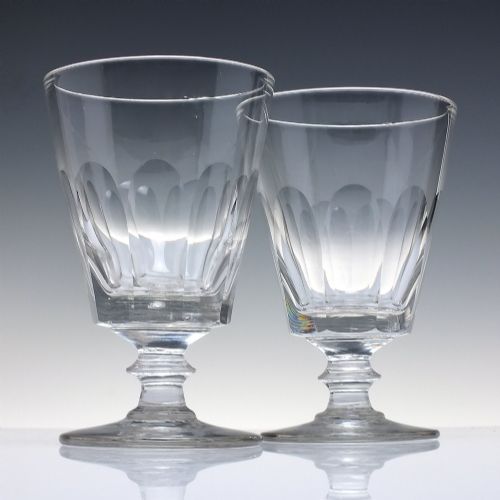
Wine glasses present a wider variety of bowl shapes, including bell, ogee, and trumpet profiles, designed for smaller quantities of stronger drink.
How do you identify an air twist stem?
An air twist stem reveals fine, elongated bubbles trapped inside the glass and drawn into a spiral configuration during pulling.
Examining the stem under magnification shows these internal channels rather than surface scratches or external cuts.
What is a rummer used for?
A rummer functioned as a generous drinking vessel for wine, beer, or rum punch during the Georgian and Victorian periods.
Their robust construction and larger capacity made them practical for communal or tavern use.
Why do some goblets have folded feet?
Folded feet were utilised to reinforce the vulnerable outer rim of the base against chipping during daily use.
This technique also adds valuable weight to the lower section, improving the overall balance of the vessel.