



Antique Glassware Collector
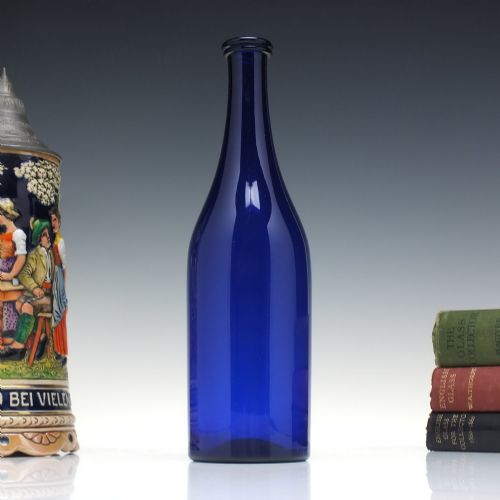
These antique glassware collector pieces are hand-blown vessels from Georgian and later periods that reward serious study with tactile brilliance.
Antique Glassware Collector
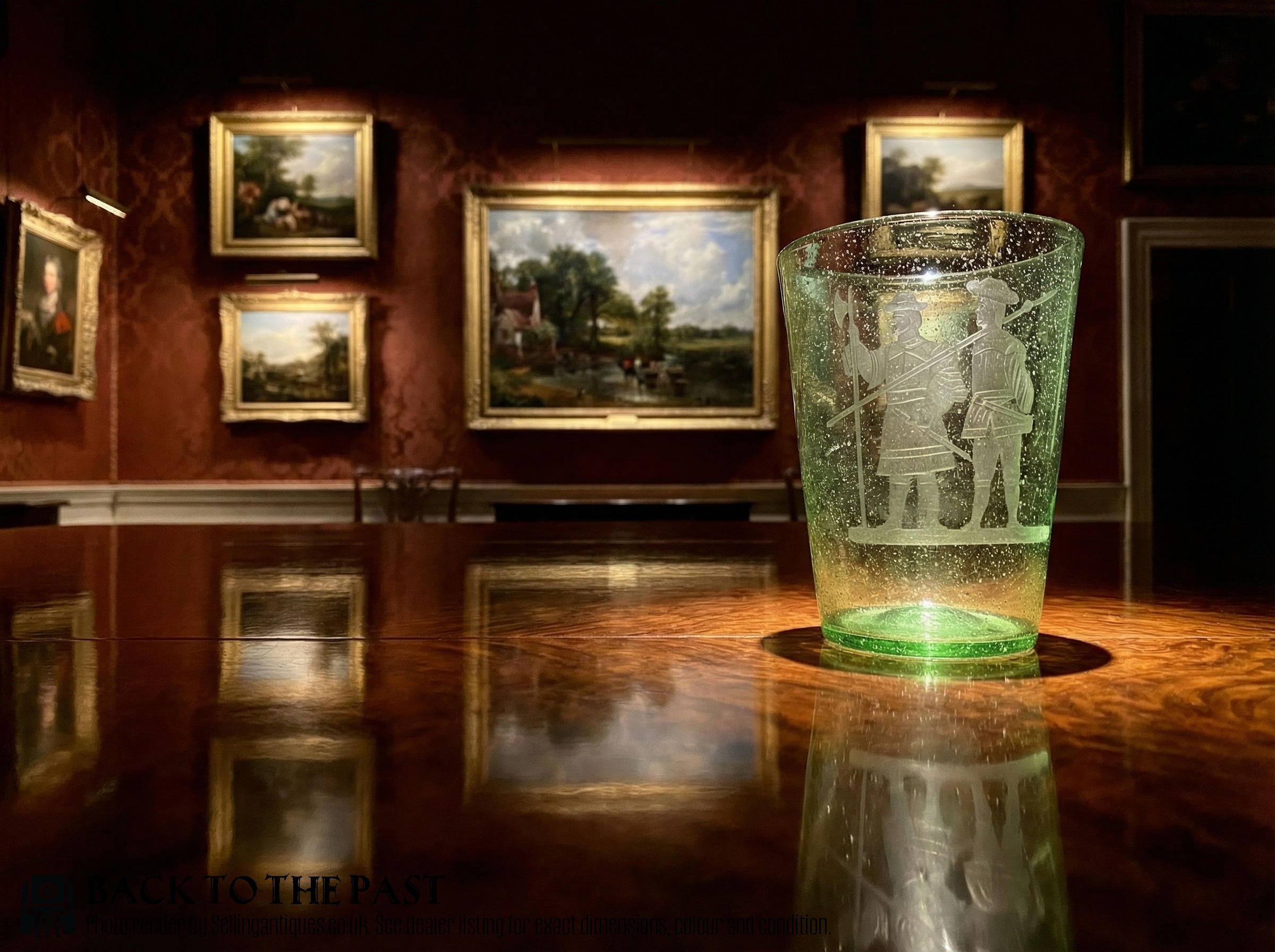
An antique glassware collector is typically drawn to domestic drinking vessels and decorative vases spanning the eighteenth and nineteenth centuries. These items range from simple tavern glasses to elaborate art glass vases produced during the height of continental and British manufacturing. The offerings here showcase substantial representation from Georgian drinking vessels alongside later European art glass.
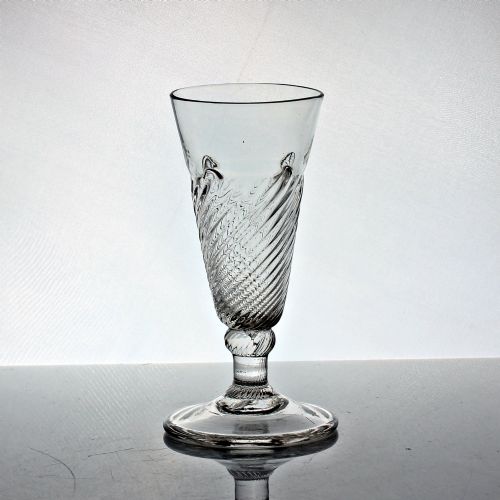
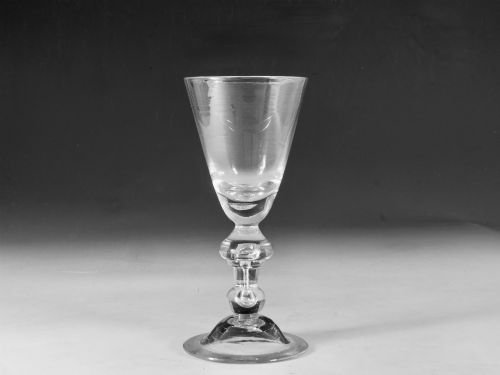
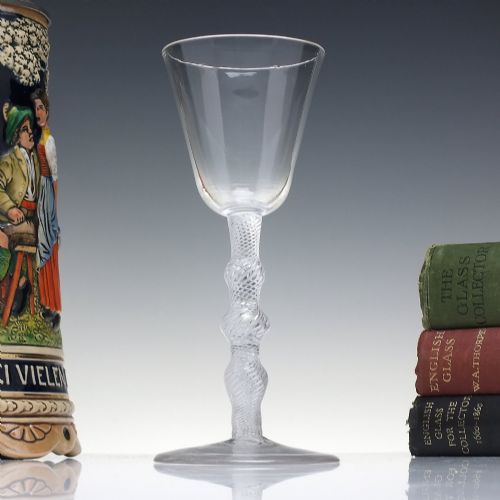
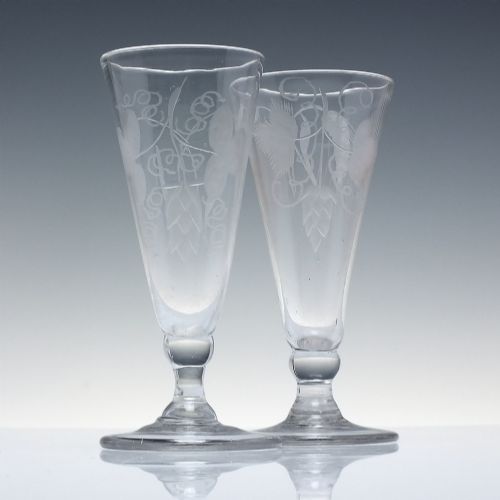
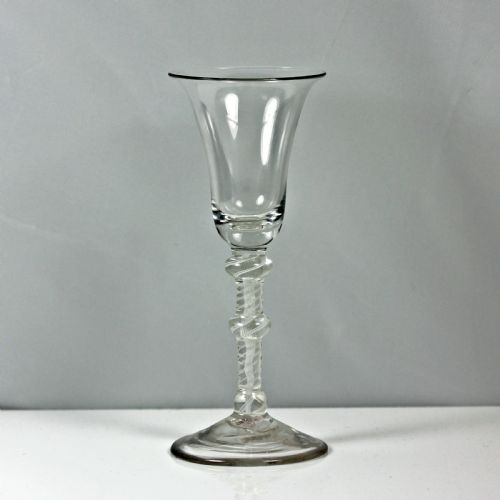
Forms vary from robust ale glasses and baluster wine glasses to slender ratafia glasses and large enamelled champagne coupes. Collectors frequently encounter Georgian wine glasses featuring twist stems alongside distinctive Art Nouveau vases decorated with floral motifs. The selection encompasses functional table glass and purely decorative mantelpieces alike.
Origins span British drinking traditions and continental glasshouses, capturing distinct shifts in domestic and social habits. Eighteenth-century pieces highlight the dominance of lead glass production, while turn-of-the-century items demonstrate complex chemical colouring and surface manipulation. Every piece represents a specific chapter in the evolution of vessel design.
Materials and construction methods
Makers utilised heavy lead glass and clear flint glass to achieve superior clarity, weight, and light refraction in drinking vessels. The addition of lead oxide produced a softer metal that allowed glassmakers to draw out slender stems and impress intricate twist formations while hot. This material also withstood deep wheel engraving without fracturing.
Surface decoration involved diverse techniques including white enamel painting, cameo carving through multi-layered glass, and iridescent chemical treatments applied during cooling. Artisans blew glass into moulds or manipulated the molten metal by hand to form baluster, composite, and opaque twist stems. Enamelling and cameo carving required precise temperature control to fuse decorative layers permanently to the body.
Antique Glassware Collector Retail Price Guide 2026
Typical asking prices for glassware collector among the pieces listed under this phrase on Sellingantiques today, from the lower quarter to the upper quarter. They describe what is for sale here now, not the wider market.
Listings feature eighteenth-century lead glass alongside nineteenth-century Art Nouveau cameo vessels.
Assessing craftsmanship and execution
Quality rests upon the crispness of the cutting, the regularity of twist formations within the stem, and the overall balance of the vessel. Superior drinking glasses exhibit clean metal free from distracting impurities, alongside precise optical effects in moulded bowls. Hand-blown specimens demonstrate an organic fluidity that marks out master execution.
The sophistication of surface enrichment distinguishes standard production from exceptional work. Finely detailed wheel engraving, precise cameo layering, and controlled iridescence demand advanced technical competence from the glasshouse. Pieces where decoration harmonises completely with the underlying form represent the pinnacle of the craft.
Loetz·Fritz Heckert·Galle·Daum
The Antique Glassware Collector Glossary
- Lead Glass
- Glass containing lead oxide, which increases brilliance, weight, and workability. This material became foundational for British drinking vessels from the late seventeenth century onward.
- Opaque Twist
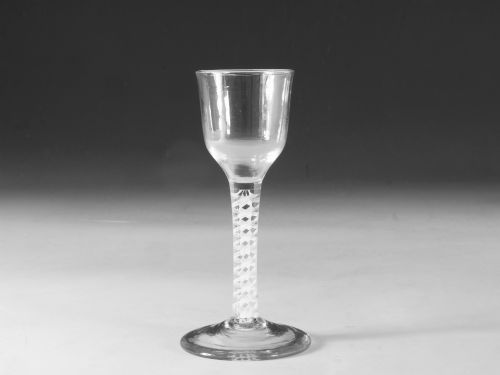
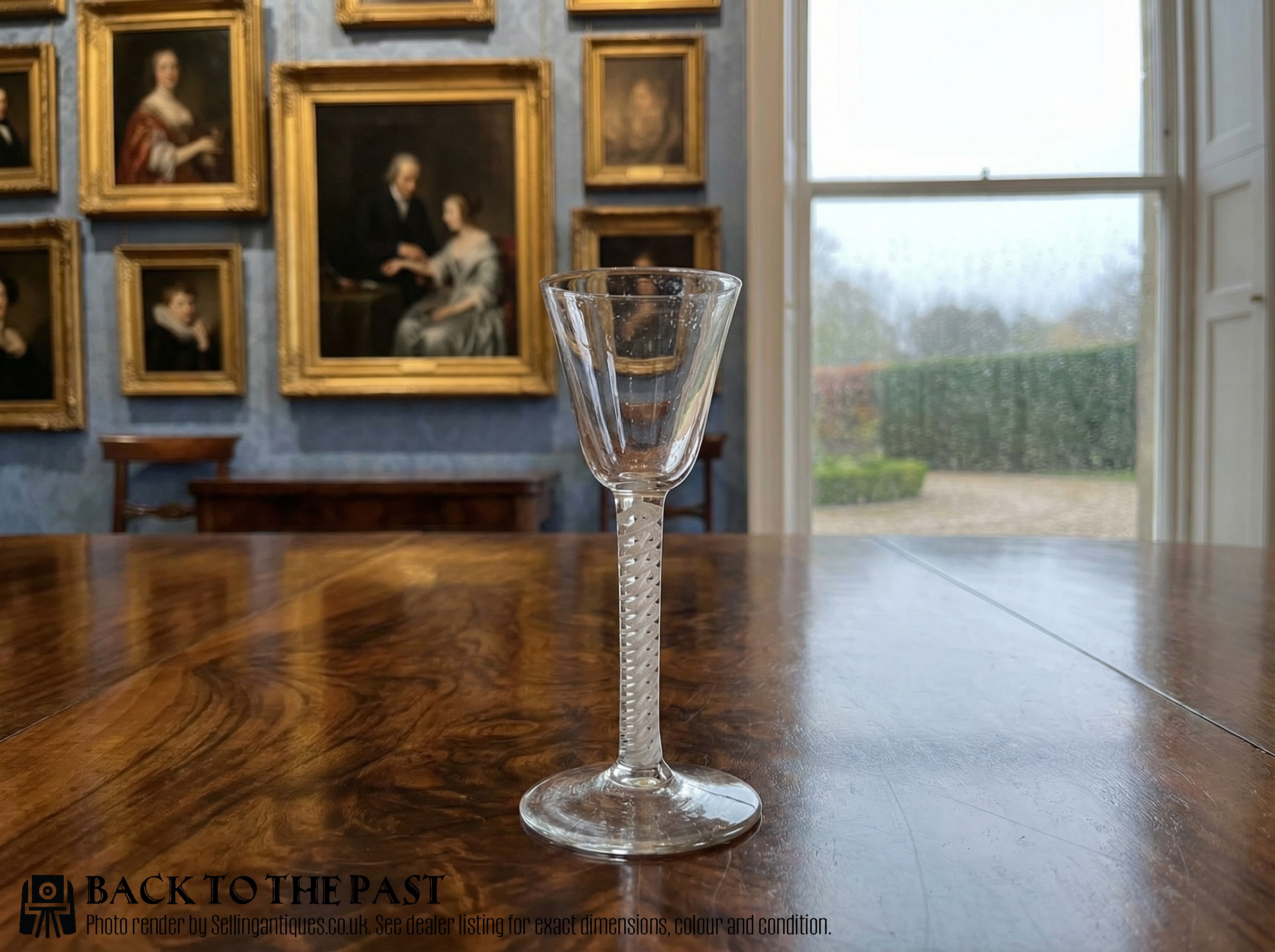
- A stem formation created by enclosing white or coloured enamel threads within clear glass and twisting the metal while hot. It forms a striking internal white spiral.
- Cameo Glass
- A vessel formed from multiple fused layers of different coloured glass, where outer layers are carved away to reveal the contrasting design beneath.
- Baluster Stem
- A heavy, swelling stem shape reminiscent of architectural balusters, common in early eighteenth-century drinking glasses. It adds substantial weight to the lower portion of the vessel.
- Ratafia Glass
- A tall, narrow glass specifically designed for serving sweet, strongly flavoured fruit liqueurs. Their slender bowls restricted consumption sizes to match the potent character of the drink.
Antique Glassware Collector: Frequently Asked Questions
What is an opaque twist stem?
An opaque twist is a stem formation created by trapping white or coloured enamel threads inside clear glass while the metal is molten. The maker then twists the rod to draw out a delicate internal spiral pattern.
This technique became widespread during the eighteenth century as a lighter alternative to heavier baluster stems. Collectors prize these stems for their optical precision and variety of internal designs.
How do I identify Georgian glass?
Examine the weight, colour, and manufacturing marks such as pontil scars on the underside of the base. Georgian lead glass typically feels surprisingly heavy for its size and exhibits a warm, greyish ring rather than a sharp chime.
Look closely at stem construction and bowl proportions, which follow distinct stylistic phases through the eighteenth and early nineteenth centuries. Comparing piece profiles against established typologies helps confirm the era.
Where were these glasses used?
These vessels served dining rooms, taverns, and drawing rooms across Britain and Europe for social drinking and formal toasts. Ale glasses, rummers, and wine glasses accommodated the specific drinks and social rituals of the table.
Art Nouveau vases occupied domestic mantelpieces and display cabinets as decorative ornaments. Their forms reflected changing interior tastes towards organic shapes at the turn of the twentieth century.