










Antique Glass Shop Case
An antique glass shop case brings commercial heritage indoors, offering glazed protection for small collections through mahogany and oak frames.
Antique Glass Shop Case
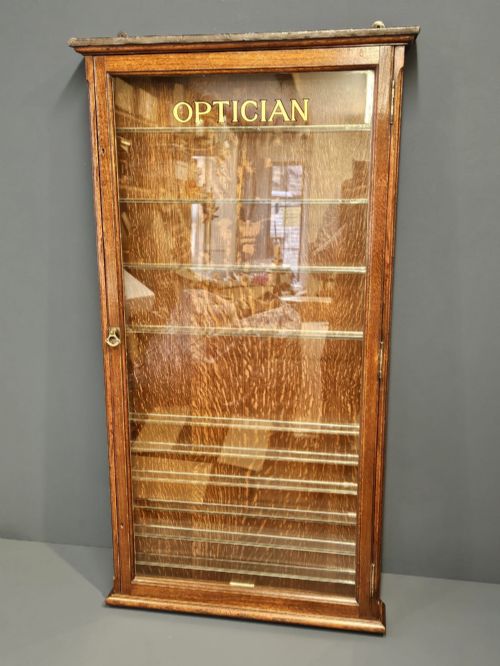
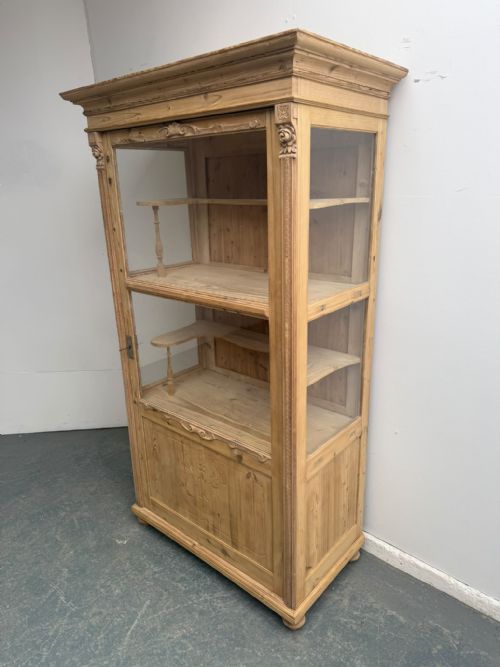
An antique glass shop case spans countertop display cabinets, large display counters, wall-mounted units, and specialised haberdashery or pharmacy fixtures. These pieces originate from commercial settings across the Victorian, Edwardian, and Art Deco eras, including the 1920s and 1930s.
The version most commonly encountered on this page is the mahogany countertop display cabinet from the early twentieth century or the Edwardian period. Such pieces incorporate glazed panels to exhibit goods safely while maintaining high visibility for customers.
Origin details often link items to specific trades such as confectionery, optics, or apothecary, connecting surviving furniture directly to historic retail environments.
Materials and Construction
Frames rely primarily on solid mahogany and oak, supplemented occasionally by ebonised wood or pine. Brass fittings and mirror backs appear frequently to enhance interior light and structural rigidity.
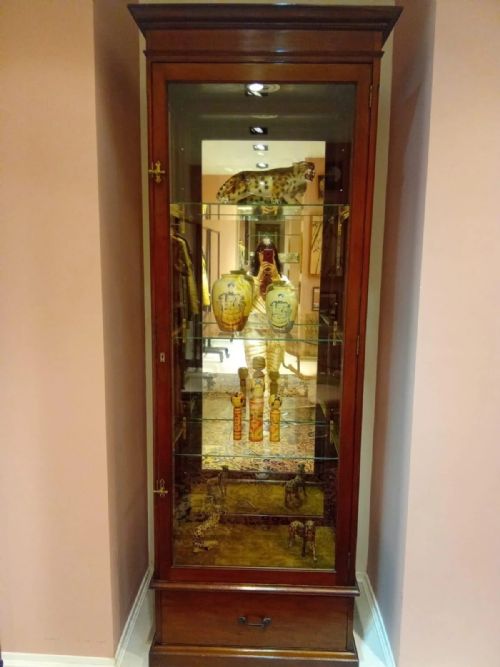
Glazing forms the core of the construction, utilising clear glass panels alongside adjustable glass shelves to structure the interior space. Some units employ metal framing or fabric linings to complement the timber structure.
Antique Glass Shop Case Retail Price Guide 2026
Typical asking prices for glass shop case among the pieces listed under this phrase on Sellingantiques today, from the lower quarter to the upper quarter. They describe what is for sale here now, not the wider market.
Soap, biscuits, chocolate, and gunsmiths all left their names inside these glasses.
Build and Proportion
Proportion and execution separate utilitarian trade furniture from refined retail display pieces, visible in bow ends, pentagonal geometries, or specialised maker branding.
F. Sage & Co.·John Stow Ltd of Bradford·Saml. Elliott & Sons
The Antique Glass Shop Case Glossary
- Countertop display cabinet
- A glazed enclosure designed to sit upon a retail shop counter for goods presentation. These units typically feature hinged or sliding rear doors for easy access by staff.
- Haberdashery cabinet
- A specialised storage and display unit traditionally used for sewing threads, buttons, and textiles. These often incorporate multiple shallow drawers with glass fronts.
- Apothecary cabinet
- A pharmacy fixture utilised for medicines and medical equipment, frequently constructed in mahogany or oak with brass label holders and tight glass doors.
- Wall-mounted unit
- A display case designed to be fixed to a retail wall rather than resting on a floor or counter. This form maximises floor space while keeping merchandise at eye level.
- Ebonised
- Wood finished with a dark stain or paint to imitate ebony. This treatment appears frequently on display pieces from the early twentieth century.
Antique Glass Shop Case: Frequently Asked Questions
What were antique glass shop cases used for?
These cases served merchants by keeping delicate wares visible yet secure from handling and dust. Retailers stocked them with tea, chocolate, pharmaceuticals, and haberdashery.
Over decades, their role shifted from active commercial display to domestic storage for private collections and curiosities.
How do I identify an Edwardian display case?
Edwardian examples typically feature light or dark mahogany framing, clean architectural lines, and clear glass panels with straightforward brass hinges. They often reflect the retail expansion of the early twentieth century.
Look for construction methods common to the period, such as neatly dovetailed timber joints and adjustable internal glass brackets.
Can I use a shop counter in a home?
Shop counters adapt well to modern domestic spaces as kitchen islands, sideboards, or display surfaces for ceramics and books. Their generous proportions provide substantial tabletop space alongside internal visibility.
Placing them in a home introduces a distinct commercial aesthetic rooted in nineteenth and twentieth-century retail history.
How do I distinguish 1920s Art Deco styles?
Art Deco display cases from the 1920s and 1930s often incorporate geometric forms, ebonised timber, and brass framing. These design choices break away from Victorian ornamentation.
Such pieces frequently showcase streamlined profiles and specialised advertising elements for period confectioners.