



Edwardian Counter Top Display
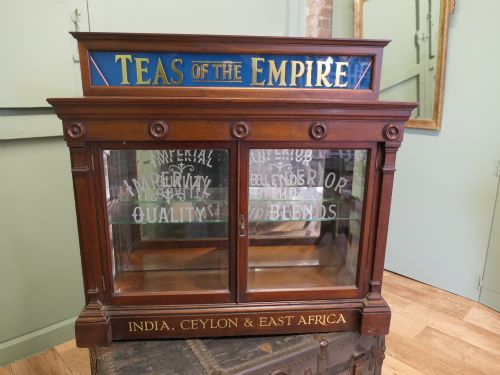
These edwardian counter top display pieces are commercial shop cases and jars that bring authentic retail heritage into the home.
Edwardian Counter Top Display
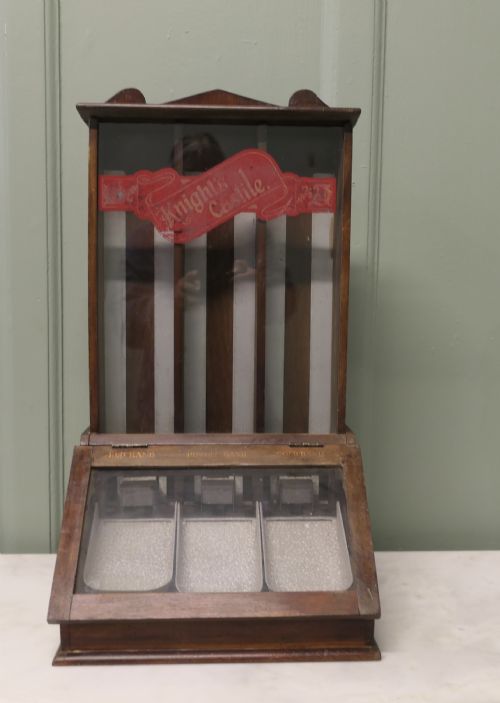
When you search for edwardian counter top display, you encounter practical shop fittings designed to showcase merchandise upon a retail service desk. The selection encompasses glazed table top display cabinet cases, mechanical dispensing units, and apothecary jars.
You are most likely to meet mahogany or oak framed timber cases alongside specialised chocolate and soap dispensing showcases. These units originated in commercial environments ranging from tea rooms and cafes to general stores.
The assortment spans from Victorian commercial antecedents through Edwardian examples to later early twentieth century pieces. Alongside timber framed cabinets, glass apothecary jars with covers represent the broader category of counter top retail equipment.
How They Were Made
Maker construction relies heavily on timber framing using mahogany, oak, or hardwood to support expansive glazed viewing panels. Brass hardware frequently secures doors and access points while gold leaf lettering applies branding directly to the glass.
Internal elements incorporate fitted drawers and mechanical dispensing mechanisms designed for active retail service. Protective surfaces utilise velvet or felt linings to cushion delicate wares inside the display space.
Edwardian Counter Top Display Retail Price Guide 2026
Typical asking prices for edwardian counter top display among the pieces listed under this phrase on Sellingantiques today, from the lower quarter to the upper quarter. They describe what is for sale here now, not the wider market.
Some cabinets hide mechanical levers inside, originally designed to drop a single bar of soap straight into a customer's eager palm.
What Varies in Quality
The standard of an edwardian counter top display rests upon the integration of original commercial signage and mechanical integrity. Surviving sign-written branding, such as chocolate or soap manufacturer names, elevates the historical interest of a piece.
Timber selection and joinery detail separate utilitarian storage from refined shop furniture intended for high-end merchant counters. Glazing clarity and the retention of original brass fittings further distinguish the better examples.
Fry·Cadbury·Knight·Venus
The Edwardian Counter Top Display Glossary
- Edwardian
- Pertaining to the reign of King Edward VII, marking a distinct era of commercial retail design. Pieces from this period often display lighter timber frames than their Victorian predecessors.
- Apothecary jar
- A glass vessel with a cover used historically to hold medicinal goods or chemist supplies. These jars sat prominently on shop counters for customer visibility.
- Mechanical dispenser
- A functional shop case engineered to release items such as soap or writing pencils through a physical action. Such units combine glazing with moving interior metal components.
- Sign written
- Text or branding hand-painted directly onto glass or timber surfaces for commercial advertising. This technique identifies the specific mercantile product once retailed from the cabinet.
Edwardian Counter Top Display: Frequently Asked Questions
What were edwardian counter top display cabinets used for?
These cabinets sat upon shop counters to hold and showcase small retail goods like chocolate, soap, and stationery directly to customers.
Merchants utilised the glazed enclosures to protect delicate wares from dust and handling while maintaining high visibility for point-of-sale purchases.
How do I date an edwardian counter top display?
Dating relies on examining the timber species, framing proportions, and any surviving commercial sign writing on the glass panels.
Edwardian pieces typically feature lighter framing than heavy Victorian models, while structural hardware provides further chronological clues.
Where should I place a display cabinet at home?
These table top units suit placement on sideboards, desks, or dedicated tables where natural light illuminates the interior shelves.
Their compact counter top scale allows them to sit comfortably in living spaces or studies without dominating the room.
Can I use these cabinets to display collections?
The original glass and timber construction makes these cases ideal for housing small collectibles, ceramics, or ephemera safely.
Hinged doors and internal drawers provide practical access for arranging and updating your displayed items.