





Antique Tea Display Cabinet
An antique tea display cabinet holds your finest porcelain and glassware, bringing character and practical storage to any room.
Antique Tea Display Cabinet
When you search for an antique tea display cabinet, you encounter a varied selection of furniture and porcelain associated with the service of tea. The pieces listed on this page span several eras, including the 19th century, Victorian, Regency, Edwardian, and Art Deco periods, alongside 1920 and 1930 designs.
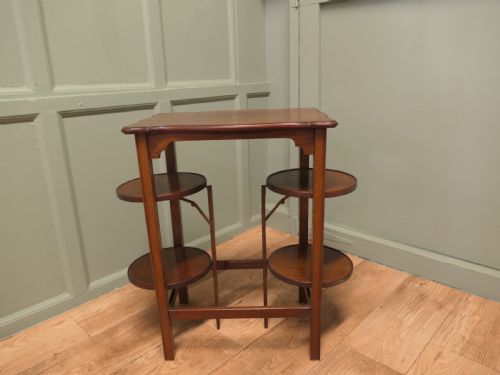
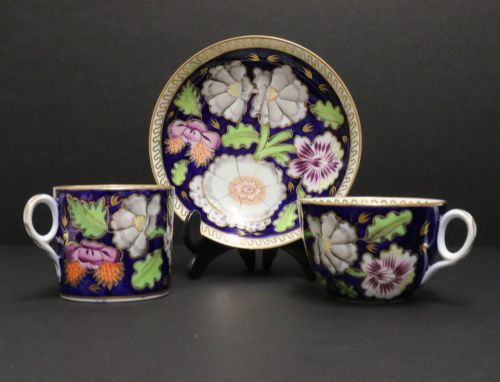
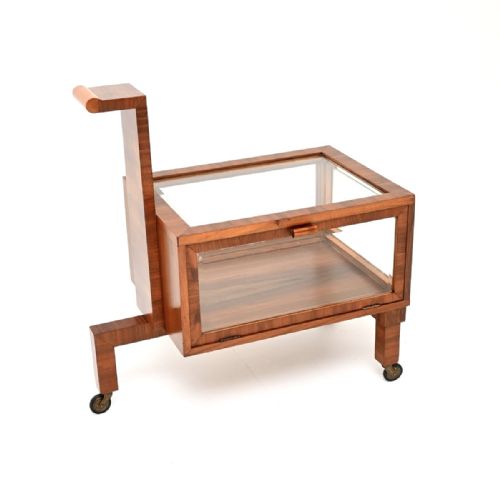
The forms extend beyond conventional cabinets to include drinks tables, side tables with cake stands, tea trolleys with drop sides, shop counter display cases, and cabinet trios. Materials range from mahogany and walnut to hardwood, glass, brass, gold leaf, porcelain, and enamel, reflecting diverse styles from Chinese Qing to industrial commercial.
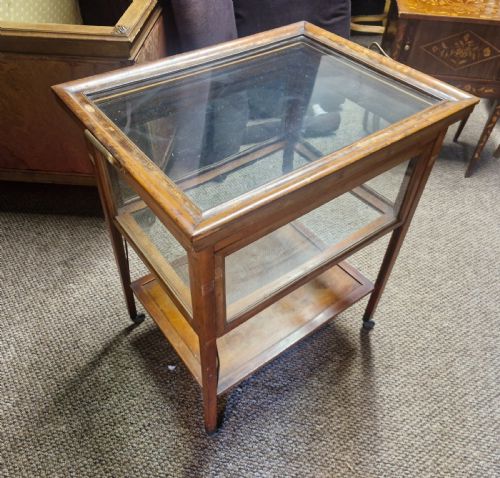
You are most likely to meet wooden display cases, serving carts, and tea trolleys designed to showcase cups, saucers, and plates while serving a practical function in domestic or commercial settings.
How they were made
Makers utilised traditional timbers such as mahogany and walnut, often shaping them into hardwood display cabinets, oval drinks tables, and drop-sided tea trolleys. Inlaid decoration added surface detail to Edwardian drinks tables, while gold leaf embellished other pieces.
Glazing techniques created panels for display cases and shop counters, allowing visibility for porcelain and glassware. Brass hardware such as handles, hinges, and castors appeared on trolleys and carts, paired with enamel or transfer-printed porcelain elements.
Antique Tea Display Cabinet Retail Price Guide 2026
Typical asking prices for tea display cabinet among the pieces listed under this phrase on Sellingantiques today, from the lower quarter to the upper quarter. They describe what is for sale here now, not the wider market.
Listings span the 19th century through to the 1930s, featuring mahogany, walnut, glass, brass, and porcelain across multiple design styles.
What varies in quality
The distinction between standard and superior examples lies in the selection of timber, such as figured walnut or dense mahogany, and the precision of joinery. Cabinet construction demonstrates varying degrees of refinement, from utilitarian shop counters to finely inlaid Edwardian drinks tables.
Hardware quality also dictates the tier of a piece, with solid brass mountings and castors differing from simpler iron or plated alternatives. The integration of glass panels and the condition of decorative elements like gold leaf or porcelain inserts further differentiate the workmanship.
The Antique Tea Display Cabinet Glossary
- Drop side
- A hinged leaf on a table or trolley that can be lowered or raised to save space. This mechanism appears on several tea and cake trolleys from the early twentieth century.
- Inlay
- A technique where contrasting materials are inserted into the wood surface to form decorative patterns. This method is characteristic of Edwardian tables.
- Transfer printing
- A method of applying a design to ceramics by transferring it from an engraved plate via paper. It is seen on 19th-century blue and white tea plates.
- Cabinet trio
- A matched set consisting of a teacup, saucer, and matching plate. These items accompany cabinet displays from the Regency period.
Antique Tea Display Cabinet: Frequently Asked Questions
What is an antique tea display cabinet?
An antique tea display cabinet is a piece of furniture designed to store and exhibit tea wares, porcelain, and glassware. These items range from glazed wooden cases to serving carts and drinks tables.
They reflect the social rituals of tea drinking across periods like the Victorian and Edwardian eras, combining display space with functional utility.
How do I identify a Regency piece?
Regency items date from the early 19th century and often feature classical proportions, refined timber selection, and delicate porcelain components such as cabinet trios.
Examining the construction methods and material choices helps distinguish this period from later Victorian or Edwardian revivals.
Where were shop counter cabinets used?
Shop counter display cases were utilised in retail environments like tea rooms and commercial shops to showcase goods to customers. They typically incorporate glass panels for high visibility.
These pieces brought commercial presentation techniques into domestic or retail spaces during the 1930s.