

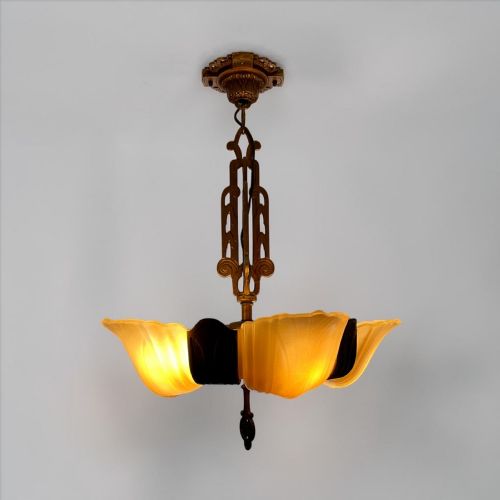
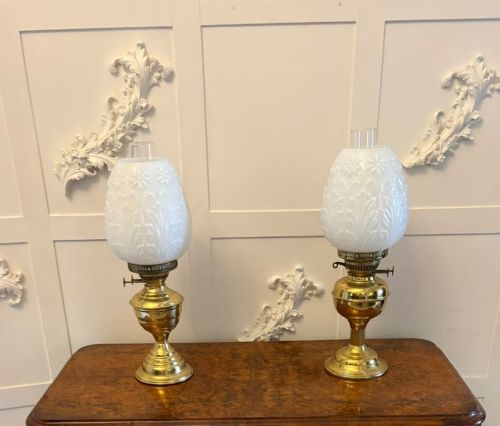
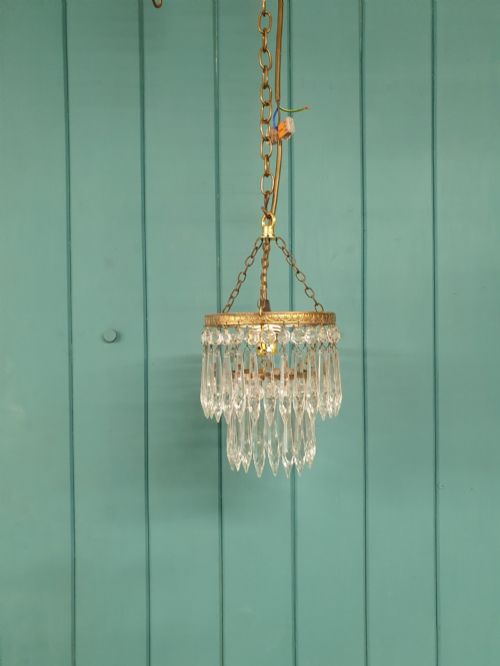
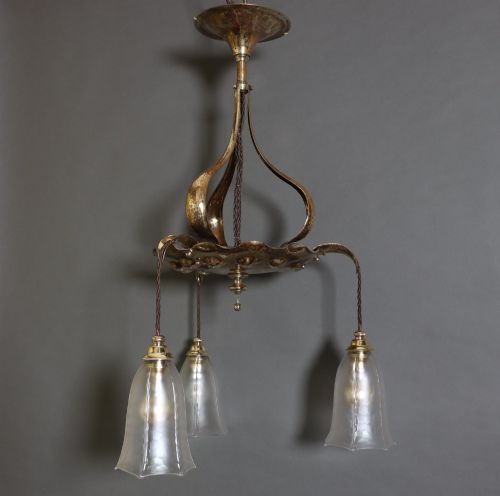
Antique Glass Light Shade
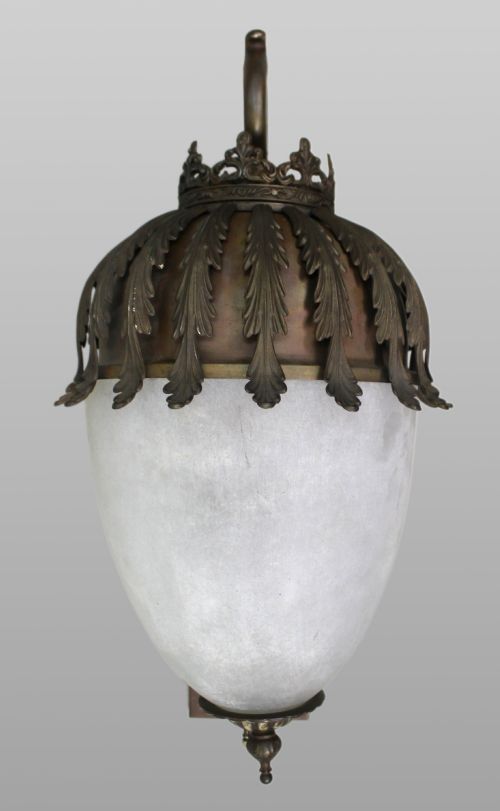
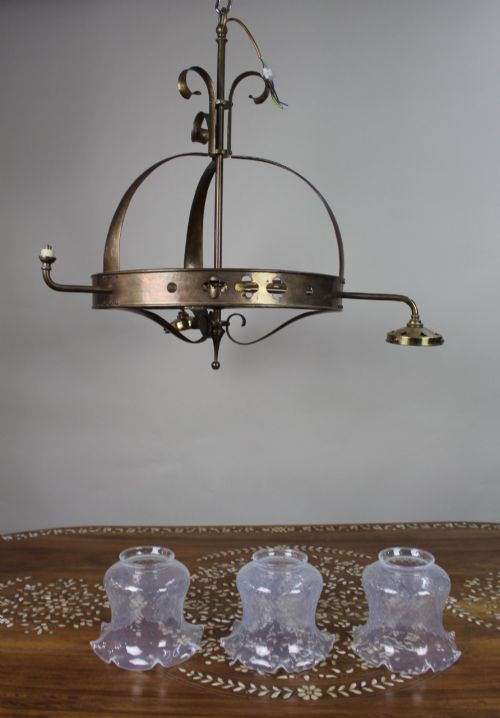
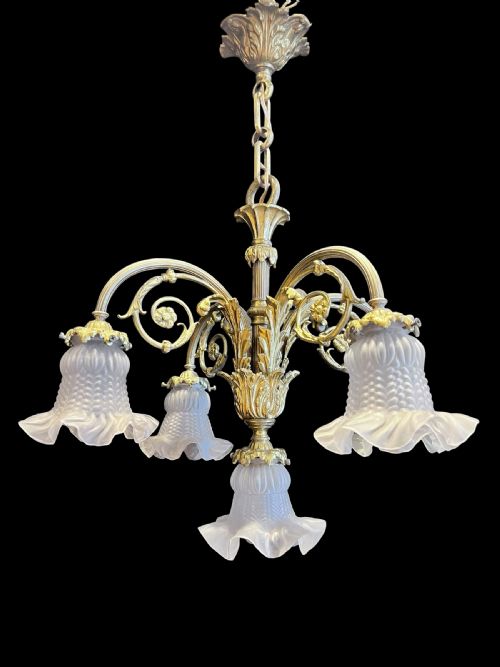
These antique glass light shades bring a warm, diffused glow to a room, offering genuine period character for anyone outfitting a ceiling fixture.
What an antique glass light shade is
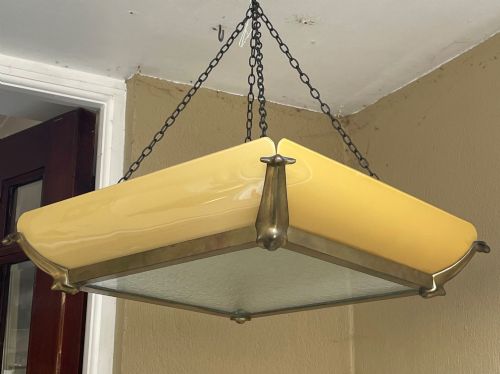
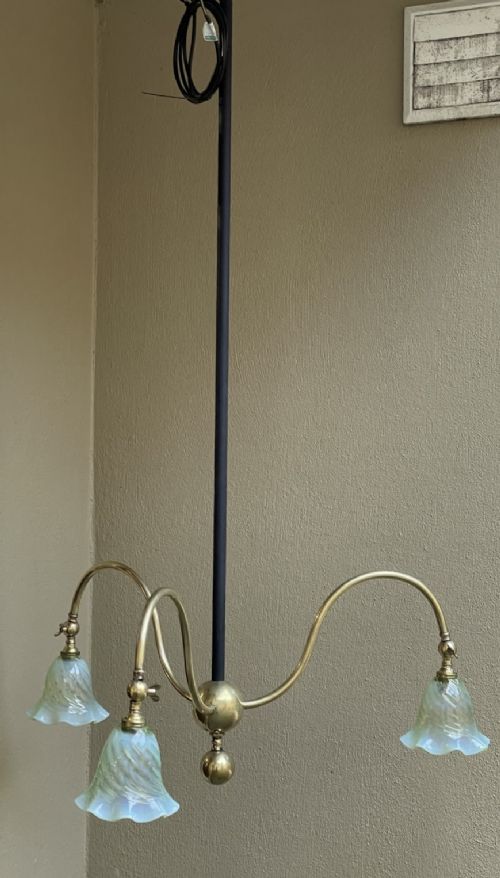
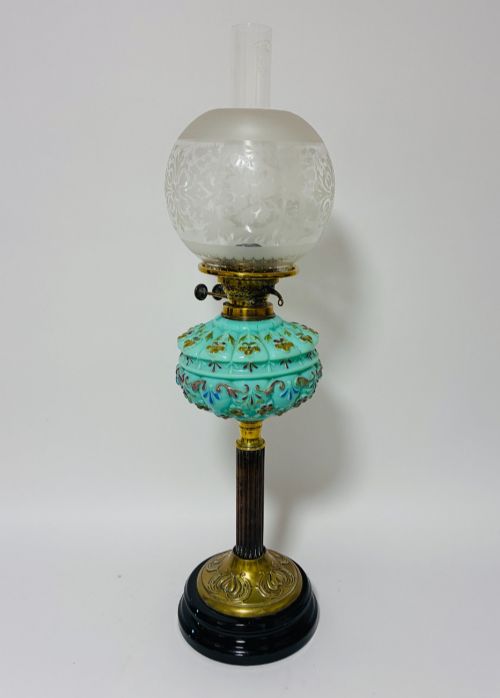
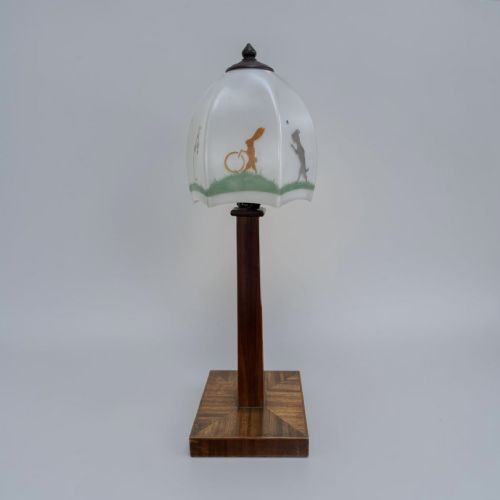
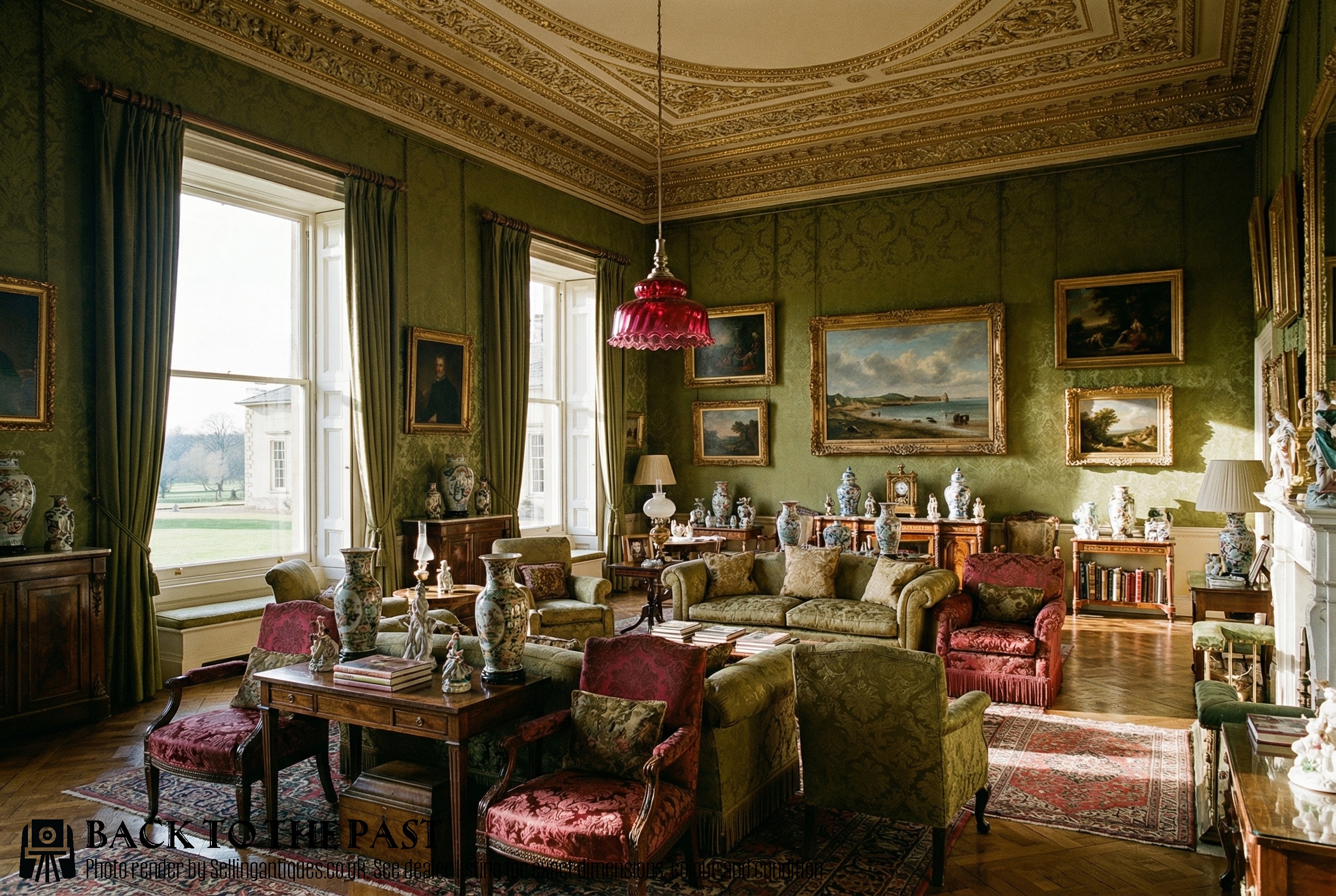
When searching for an antique glass light shade, you are looking at ceiling fittings, chandeliers, and pendant lamps spanning the Victorian, Edwardian, and Art Deco periods. These glass shades were designed to hold bulbs or candles, transforming harsh domestic illumination into a softer interior atmosphere.
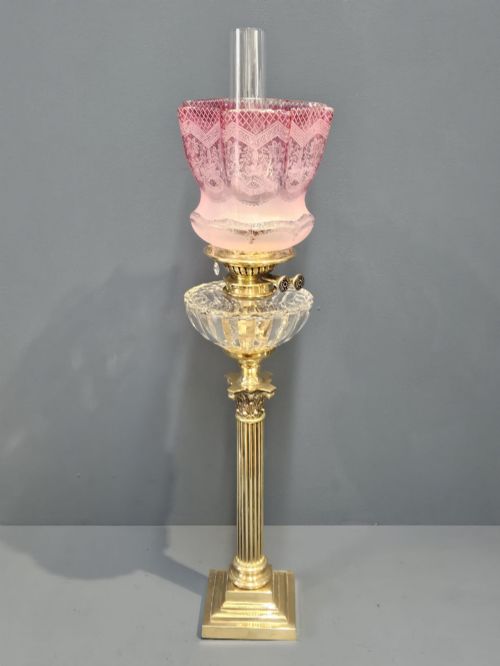
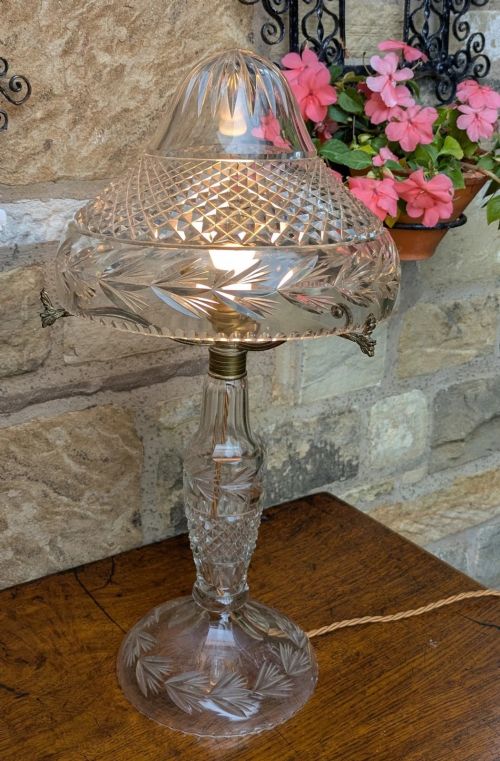
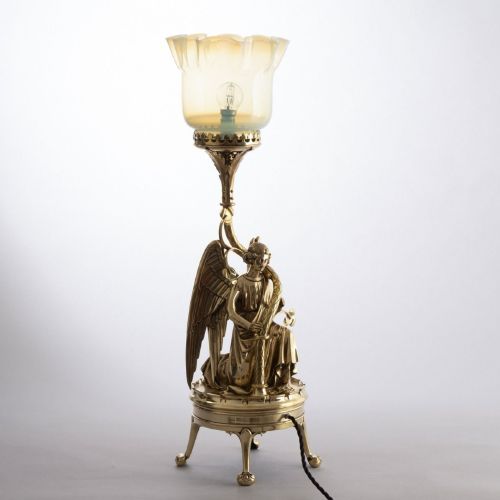
The versions you are most likely to meet on this page include ruby glass, milk glass, frosted glass, and cut crystal spikes, often paired with brass or chrome metalwork. They range from large nineteenth-century ruby pendants to geometric Art Deco ceiling lights from the nineteen-twenties and thirties.
How they were made
These shades combine blown or moulded glass with metal components such as brass and chrome. Techniques include cutting glass, enamelling surfaces, and crimping edges while the material remains hot.
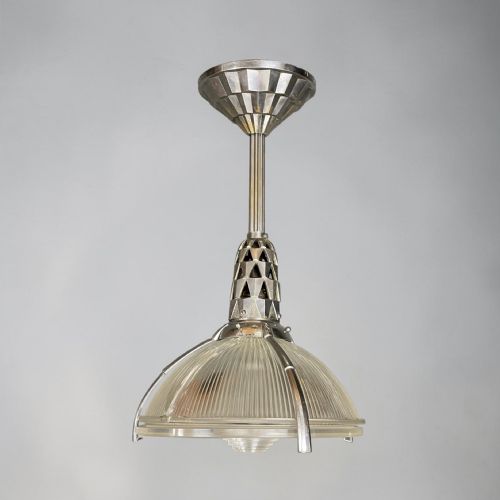
Many shades feature specific optical designs like the Halophane moulding, engineered to direct and diffuse light efficiently. Metal fitments and brass frames secure the glass bowls and globes for ceiling suspension.
Retail Price Guide 2026
Typical UK retail prices for glass light shade, calculated from the Sellingantiques database of over a million retail prices indexed since 2003. This retail price guide relies exclusively on Sellingantiques data; no external sources or auction records are used, so the figures do not describe the wider market.
Materials recorded across the archive include brass, chrome, frosted glass, and crystal.
What varies in quality
Quality separates ordinary utility glass from finer decorative pieces through the depth of the ruby or cranberry colour and the crispness of cut crystal facets. Enamelled decoration and intricate moulding styles, such as the Art Deco Odeon aesthetic, demand higher levels of artisan skill.
The integrity of the accompanying brass or chrome metalwork also determines the overall standard of the piece. Heavier gauge metal and precise mechanical fittings indicate superior manufacture compared to simpler production runs.
The Antique Glass Light Shade Glossary
- Halophane
- A patented glass ribbing technique designed to scatter light evenly and reduce glare. Victorian examples utilise this scientific approach to illumination.
- Cut Glass
- Glass shaped and patterned by abrasive wheel grinding and polishing. This technique produces sharp facets that catch and refract light.
- Milk Glass
- An opaque white glass used for utilitarian and decorative shades alike. It provides a soft, milky diffusion of light.
- Ceiling Pendant
- A hanging light fixture suspended from the ceiling by a cord, chain, or metal rod. These shades direct illumination downwards into the living space.
Frequently Asked Questions
How do I hang an antique glass light shade?
Most shades require a standard electrical ceiling pendant fitting secured by a gallery screw or brass collar. Ensure the weight of the glass matches the capacity of your hanging hardware.
Consult a qualified electrician to install vintage fittings safely into your home's modern wiring system.
What periods do these shades come from?
The pieces span from the nineteenth-century Victorian era through the Edwardian period and into the nineteen-twenties and nineteen-thirties Art Deco styles. Each era utilises distinct glass colours and geometric or floral forms.
Victorian shades often feature deep ruby or cranberry tones, while later pieces embrace industrial ribbing or streamlined Moderne shapes.
How do I clean an antique glass shade?
Wash the glass gently in lukewarm water using a mild detergent and a soft cloth. Avoid harsh scrubbing on enamelled surfaces to protect the original decoration.
Dry the piece thoroughly before reattaching it to any metal brass or chrome fittings.
Can I use modern bulbs with these shades?
Modern LED bulbs work well inside these shades because they emit less heat than traditional incandescent lamps. Lower heat output protects old glass and historic fittings from thermal stress.
Choose a warm white bulb colour to replicate the gentle ambience these period lights originally provided.