
Antique Glass Flute
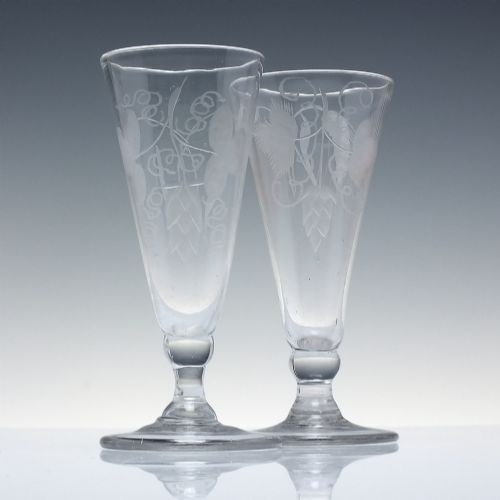
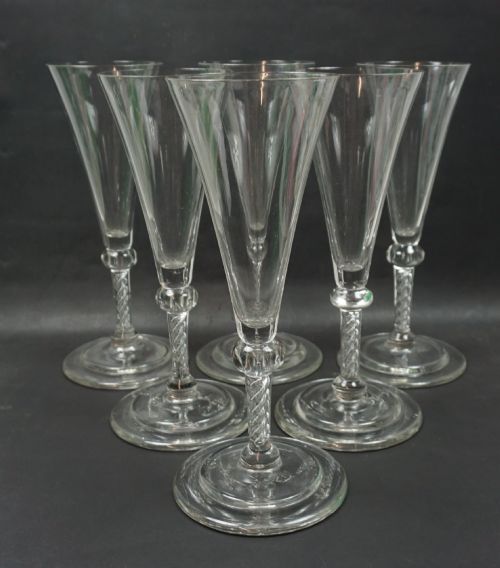
When you search for an antique glass flute, you are looking at tall, slender vessels designed for celebratory toasts and narrow drams.
Antique Glass Flute
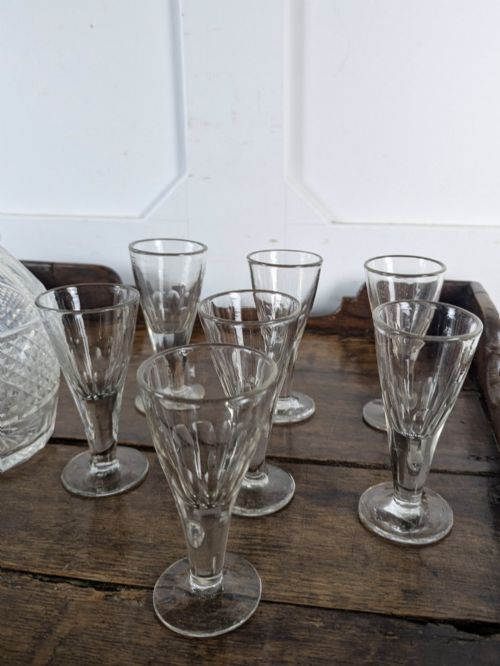
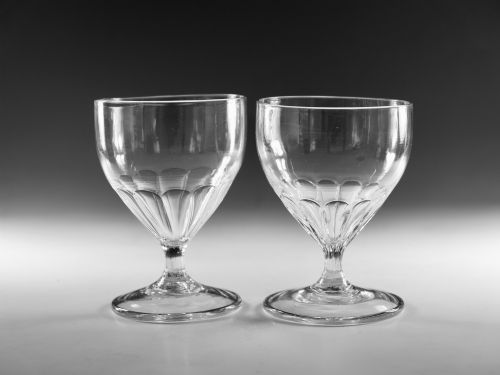
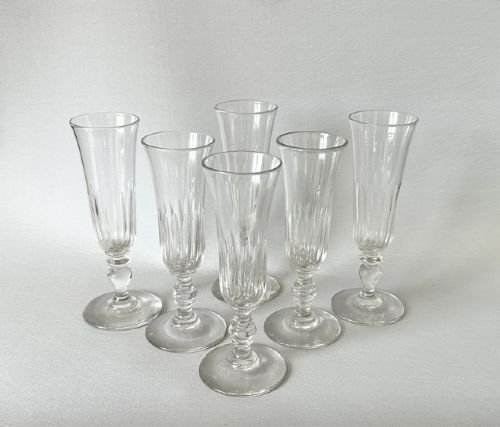
An antique glass flute encompasses slender drinking vessels made for champagne, wine, and ale across the Georgian, Victorian, and Edwardian eras. These pieces include tall serving forms alongside matched and harlequin sets intended for formal dining tables.
How they were made
The primary material recorded in these listings is glass, predominantly lead glass and lead crystal, which allowed artisans to achieve brilliant clarity and crisp surface detail. Workshops also utilised applied gilding and intricate wheel cutting to embellish the bowls and stems.
Makers formed these vessels through manual blowing and manipulation while hot, incorporating folded feet for stability and complex internal twists within the stems. Later Victorian examples display heavy thumb-cutting and silver mounts that reflect shifts in manufacturing techniques.
Georgian drinkers trusted tall ale flutes so implicitly that they carved intricate spiral twists inside the stems just to distract the gossips.
What varies in quality
The distinction between ordinary and exceptional pieces rests upon the finesse of the glassmaker's hand and the purity of the metal. Superior examples display perfectly balanced proportions, flawless clarity in the bowl, and intricate, precise twists within the stem without distortion.
Decoration also dictates standing, where master-cut facets catch the light sharply and gilt ornamentation remains crisp and well-preserved. Matched sets and documented works by prominent glasshouses command greater appreciation than individual, mismatched survivors.
Josephinenhutte·Powell Whitefris·Stevens & Williams
The Antique Glass Flute Glossary
- Air twist
- A stem formation created by drawing out elongated bubbles of air within the molten glass before twisting the rod. This technique produces delicate spiral threads that run down the interior of the stem.
- Opaque twist
- A stem style featuring white or enamelled glass threads encased inside clear metal to form intricate lace-like patterns. Collectors prize the complexity and regularity of these internal ribbons.
- Folded foot
- A base edge turned back underneath itself to create a smooth, thickened rim for added durability. This feature appears frequently on eighteenth-century drinking vessels.
- Thumb-cut
- A decorative pattern of rounded, shallow depressions ground into the exterior of the glass vessel. This technique provides a tactile grip and creates dynamic reflections across the surface.
- Wrythen
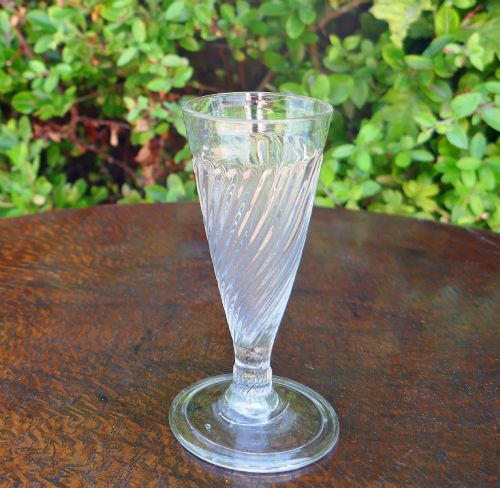
- A moulded optical pattern of spiral ribs or flutes winding around the body of the glass. This ancient technique adds subtle texture and movement to the silhouette.
Antique Glass Flute: Frequently Asked Questions
How were antique glass flutes used?
These tall vessels served primarily for sparkling wines, champagne, and specialised ales during formal dining and celebratory gatherings.
Their slender profiles were specifically engineered to preserve carbonation and showcase the effervescence of the drink.
How do I care for antique glass?
Wash these delicate vessels strictly by hand in warm water using mild soap, avoiding sudden temperature changes that can crack old metal.
Store them upright on stable surfaces away from direct sunlight and heavy vibrations.
How do I date an ale flute?
Examine the stem construction, foot formation, and metal composition to determine the period of manufacture.
Eighteenth-century examples often feature air or opaque twists with folded feet, whereas Victorian pieces display heavy cut patterns.
Are coloured glass flutes authentic?
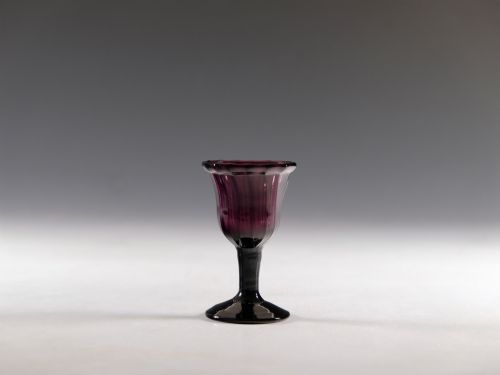
Coloured variants in shades such as Bristol green and turquoise were produced during the Georgian and Regency periods.
Authentic pieces exhibit natural variations in tone and handmade characteristics rather than uniform modern staining.