

Antique Glass Dome
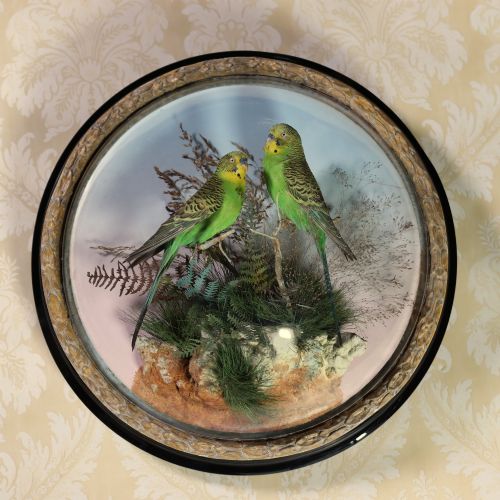
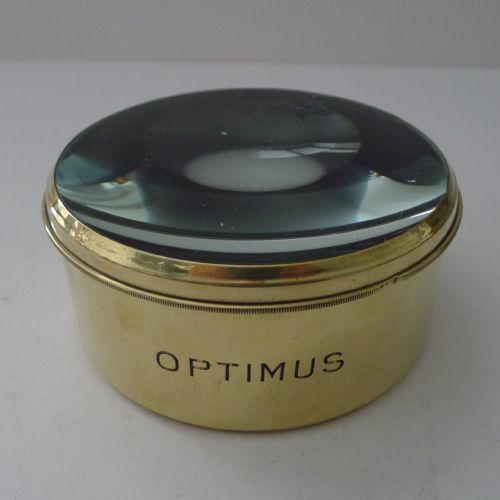
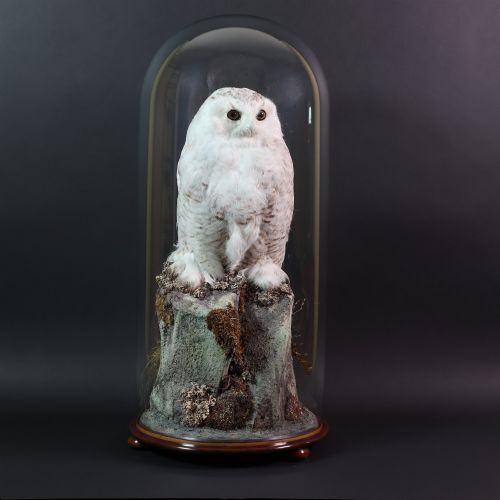
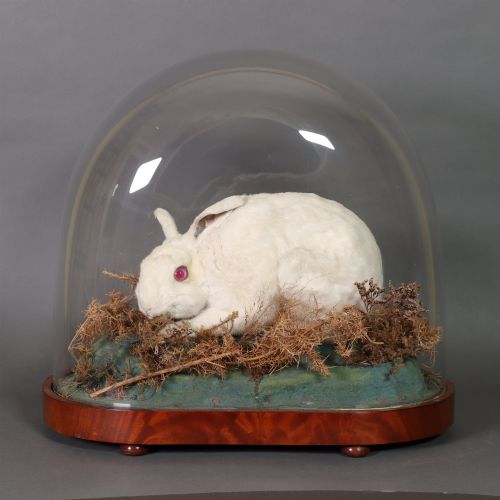
An antique glass dome shelters fragile treasures from dust while offering a clear view of Victorian taxidermy, intricate clocks and delicate beadwork bouquets.
Antique Glass Dome
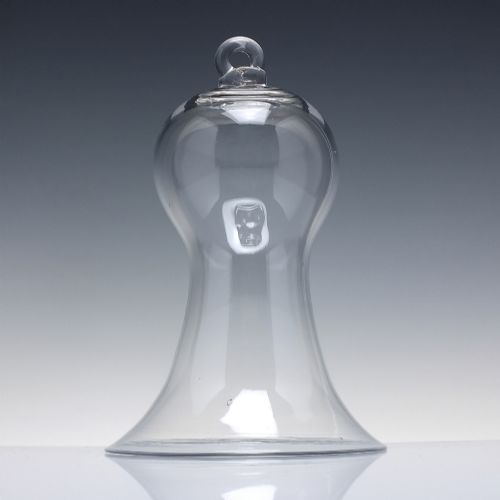
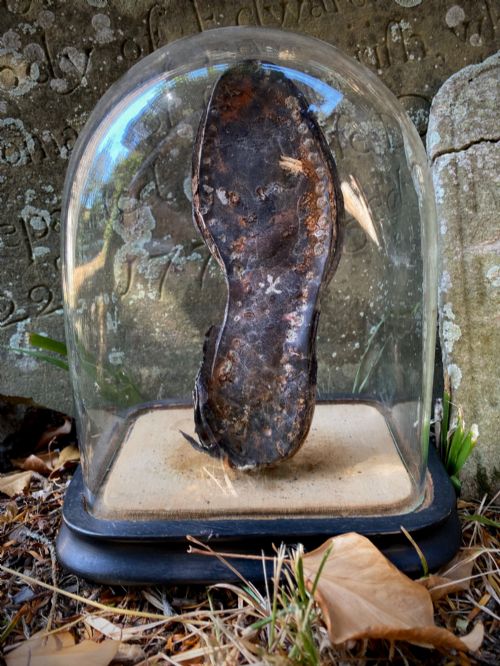
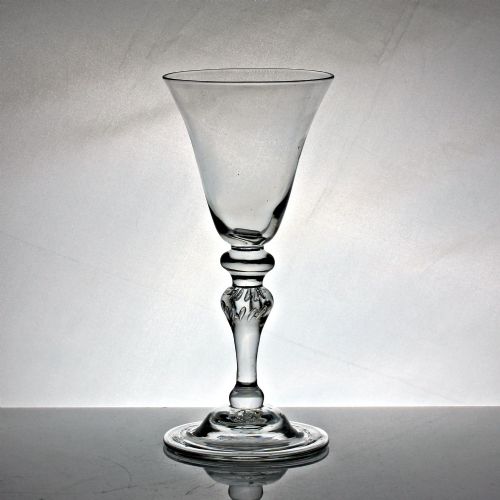
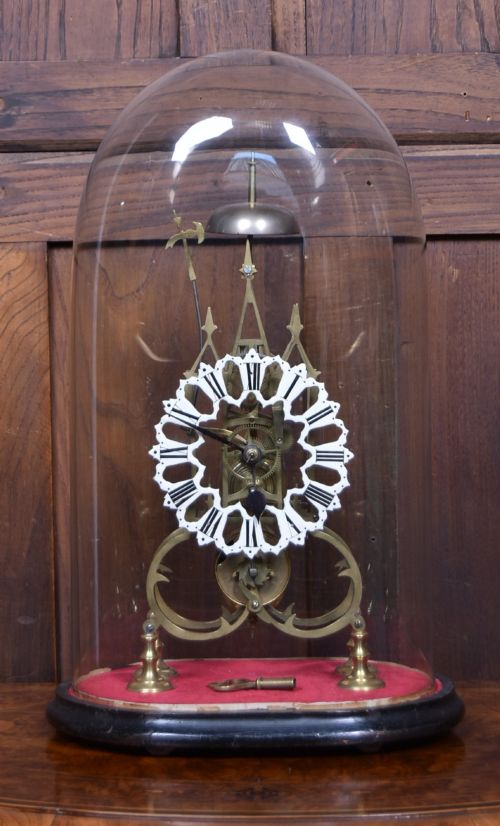
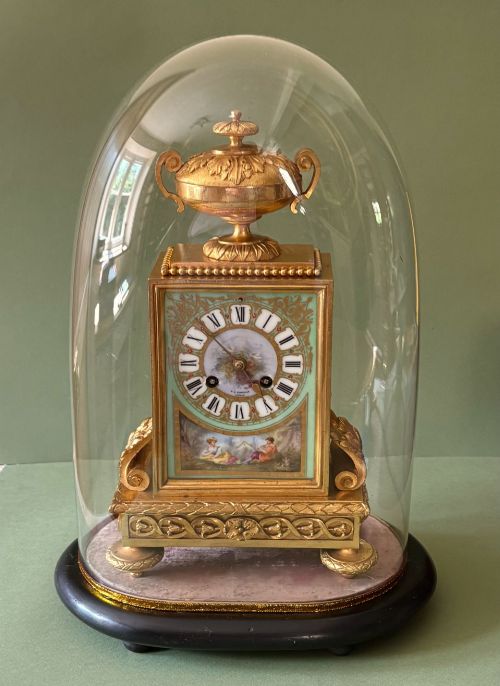
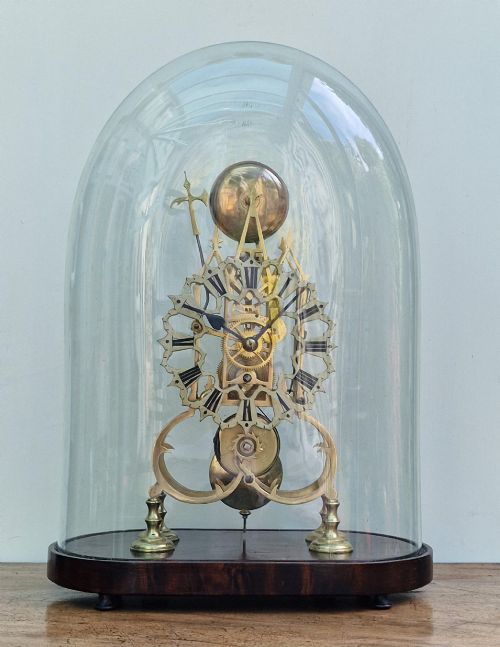
When searching for an antique glass dome, buyers encounter blown and spun glass bell jars designed to protect and display Victorian taxidermy, mantel clocks, and delicate curiosities. These protective covers rest upon turned wooden, ebonised, or mahogany bases, frequently featuring circular grooves to secure the glass securely in place.
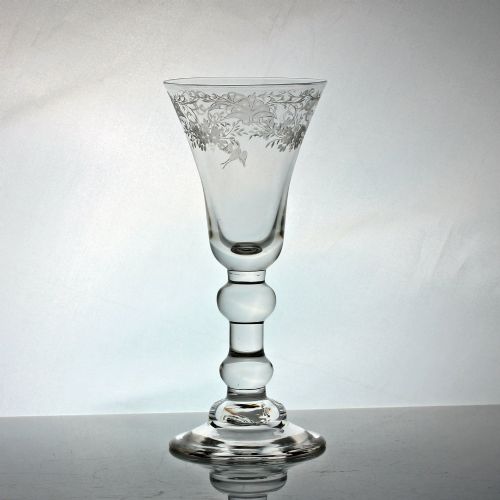
The pieces on this page span the Victorian and Edwardian eras, alongside later twentieth-century examples intended for domestic display. While some protective covers sit independently over table ornaments, others accompany specific mantel clocks or bird compositions as complete surviving ensembles.
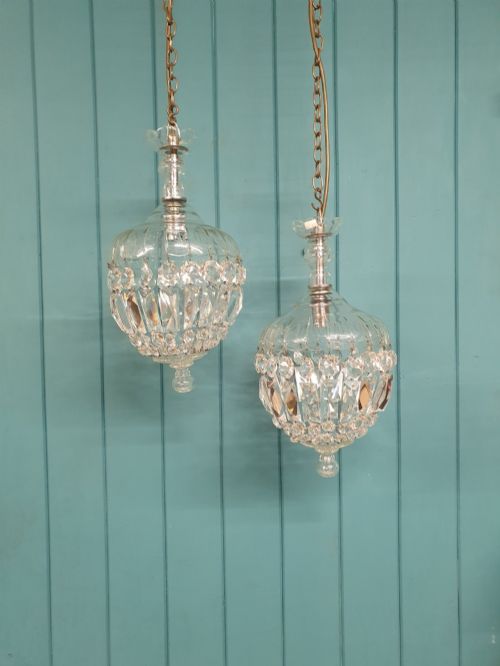
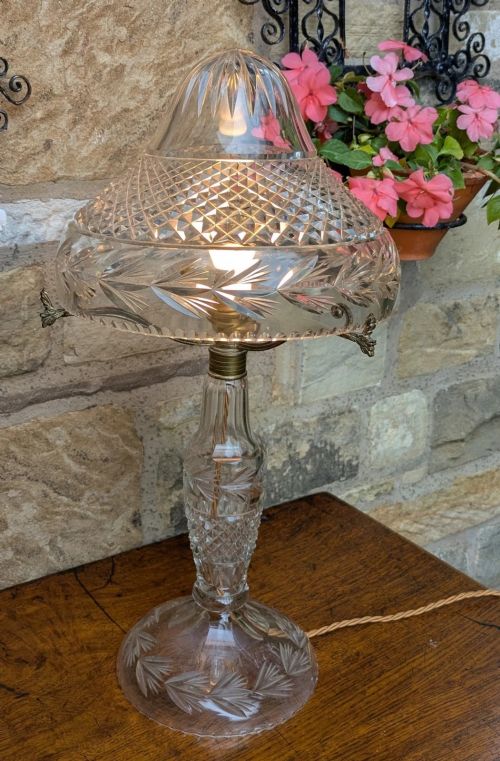
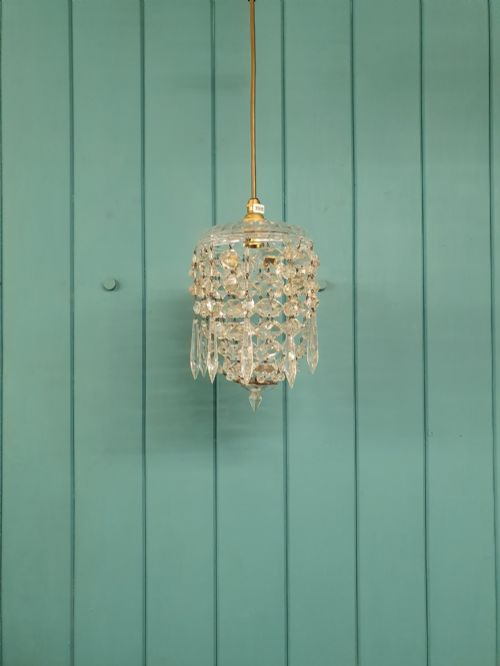
Exemplars range from modest tabletop bell jars to large showcase domes utilised for preserving exotic birds, butterflies, or botanical specimens. Collectors also find specialised variants, including cheese dishes with integrated glass covers and ceiling chandeliers shaped like domes.
How they were made
The blown glass covers relied on traditional glassblowing techniques, where artisans gathered molten glass on a blowpipe and expanded it inside a mould or manipulated it freely to form the characteristic bell or rounded profile. This process frequently left minor bubbles, swirls, and irregularities within the walls of the glass.
Bases were turned from dense timbers such as mahogany, walnut, or softwood treated with ebonising paint to mimic ebony. Many examples incorporated brass feet, velvet linings, or papered surfaces to cushion the objects displayed within the protective enclosure.
Antique Glass Dome Retail Price Guide 2026
Typical asking prices for glass dome among the pieces listed under this phrase on Sellingantiques today, from the lower quarter to the upper quarter. They describe what is for sale here now, not the wider market.
Listings feature Victorian and Edwardian display domes paired with brass, mahogany, and ebonised wood bases alongside taxidermy showcases and ceiling light fixtures.
What varies in quality
Quality rests significantly upon the clarity and thickness of the blown glass cover, with superior examples displaying minimal distortion and consistent wall thickness. Free from excessive ripples or prominent pontil scars, finer pieces afford an undistorted view of the contents housed inside.
The craftsmanship of the supporting base distinguishes standard production from finer examples. Heavy, stable timber bases with precise rebates, polished finishes, or complementary brass mounts elevate the entire presentation compared to simple, warped boards.
James Gardner of London·Richard Winter of Chieveley·Maurice & Marcel Moulin Favre-Bulle·Henry Ward London·Stuart Crystal·Leroy Paris·Thwaites of London·Davis & Co Bristol
The Antique Glass Dome Glossary
- Cloche
- A bell-shaped glass cover used for protecting food or delicate ornaments. The term derives from the French word for bell.
- Pontil mark
- A rough scar on glassware where the punty rod was detached after blowing. Older blown domes often retain this characteristic mark on the top or interior.
- Ebonised wood
- Timber treated with a dark stain or finish to simulate expensive ebony. It provides a stark, dark contrast against bright specimens and glass.
- Plafonnier
- A ceiling-mounted bowl or dome light fixture. These fixtures distribute diffused illumination across domestic interiors.
Antique Glass Dome: Frequently Asked Questions
What fits inside an antique glass dome?
These enclosures accommodate a wide variety of delicate items, ranging from taxidermy birds and butterflies to miniature mantel clocks and spun glass sculptures. Collectors often utilise them to showcase fragile curiosities while preventing dust accumulation.
The scale of the interior space dictates the contents, with smaller bell jars housing single specimens and larger examples covering elaborate Victorian arrangements or floral bouquets.
How do I clean an old glass dome?
Cleaning requires removing the cover from its wooden base with utmost care, as the thin blown glass is exceptionally fragile. Warm water and a mild detergent safely remove dust and grime without scratching the surface.
A lint-free cloth prevents streaks from forming on the curved glass walls during drying before the cover is returned to its designated groove.
Are wooden bases original to the glass?
Many surviving examples retain their original turned timber or ebonised bases, often matched precisely to the diameter of the glass rim. Over decades, however, some covers have been paired with replacement bases from the same period.
Examining the fit within the circular groove and matching patination helps determine whether the glass and base have remained together since manufacture.
Can these domes be hung as lighting?
Certain variations on this page function as ceiling-mounted pendant lights or chandeliers rather than tabletop display cases. These lighting fixtures utilise domed glass shades to diffuse illumination across a room.
Wiring must be inspected by a qualified professional to ensure safety before installation in modern domestic settings.