


Antique Glass Display Bell
An antique glass display bell protects delicate curiosities beneath a clear glass cover.
Antique Glass Display Bell
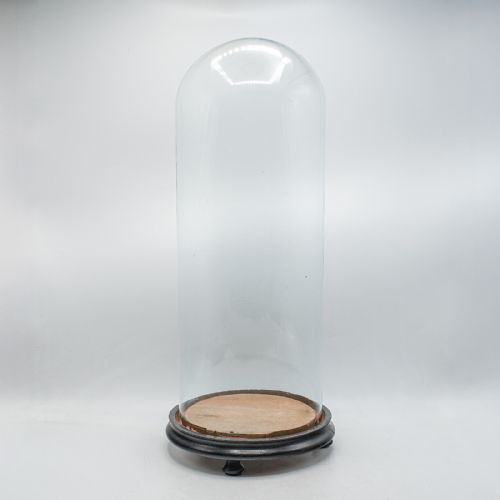
An antique glass display bell serves to shield fragile ornaments, clocks, and taxidermy specimens from dust and damage. The examples gathered under the phrase antique glass display bell range from compact parlour pieces to tall floor-standing showcases.
Most items on this page date from the Victorian and Edwardian eras, spanning the nineteenth and early twentieth centuries. These vessels appear in round, oval, and flat-sided forms designed to sit upon wooden bases.
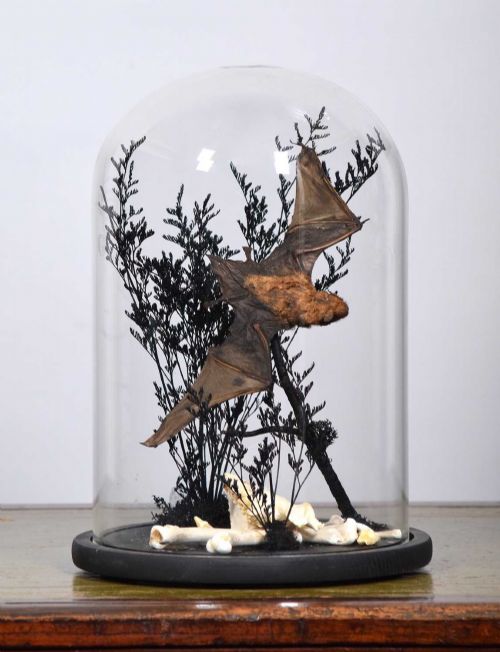
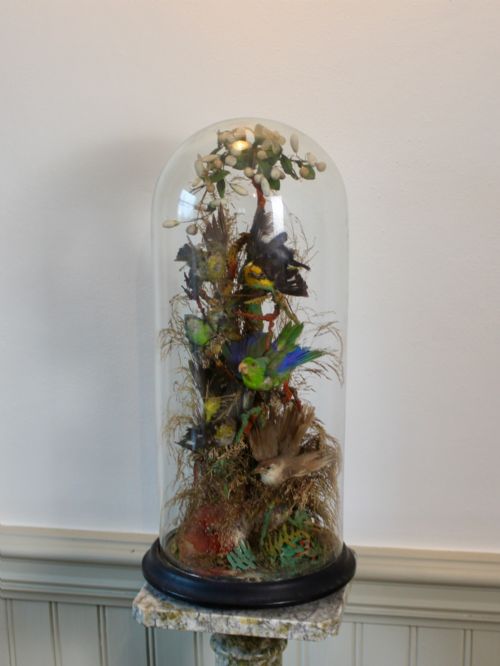
Buyers encounter versions adapted for specific contents, including taxidermy showcases, botanical displays, French beadwork bouquets, and clock cases. The wooden bases beneath them frequently incorporate materials such as ebonised wood, oak, beech, pine, or timber.
How they were made
Interior arrangements often feature fabric elements like velvet, felt, and fabric supporting taxidermy specimens, still-life fruits, or beadwork bouquets. Additional materials such as feathers appear within specific taxidermy compositions.
Listings span the Victorian and Edwardian periods, featuring glass domes paired with ebonised wood, oak, beech, pine, fabric, velvet, felt, and feathers.
What varies in quality
The clarity and weight of the glass dome establish the primary visual standard across different pieces. Heavier glass with minimal distortion creates a clearer view of the interior specimens.
The construction of the wooden base dictates the overall craftsmanship of the ensemble. Bases fashioned from dense timber or finished with precise ebonising provide a more substantial foundation for the glass cover.
The Antique Glass Display Bell Glossary
- Cloche
- A bell-shaped glass cover used to protect plants, food, or delicate objects. This term frequently overlaps with glass domes in period listings.
- Diorama
- A three-dimensional scene enclosed within a display case or dome. These compositions often incorporate taxidermy specimens or botanical elements.
- Ebonised wood
- Timber treated to imitate ebony, commonly used for the dark bases of Victorian display domes. It provides a contrasting dark frame for the clear glass above.
- Specimen case
- An enclosure designed to house and display scientific or natural history items. These cases often take the form of glass domes set on wooden plinths.
Antique Glass Display Bell: Frequently Asked Questions
What fits inside a display bell?
These glass covers accommodate a variety of interior objects, including taxidermy specimens, clock movements, beadwork bouquets, and still-life fruit arrangements. Collectors also utilise them for botanical specimens and decorative ornaments.
The height and shape of the glass dome determine the scale of the object placed within. Oval and round formats suit different arrangements of three-dimensional displays.
How do I date an antique dome?
Dating relies upon the materials of the wooden base and the style of the glass vessel. Victorian and Edwardian examples exhibit specific characteristics in timber selection and glass manufacture.
Records from the nineteenth and early twentieth centuries show variations in base mouldings and wood types such as oak, beech, and ebonised timber.
Are all domes made for taxidermy?
While many house taxidermy specimens like birds, bats, and small animals, others protect clock movements, botanical specimens, or beadwork bouquets. Clock domes specifically house mantel or carriage clocks.
The interior setup depends on the original purpose of the display case, whether scientific, ornamental, or domestic.
How should I clean the glass?
Maintaining clear glass requires gentle cleaning solutions suitable for antique materials. Care must be taken around delicate wooden bases and interior specimens.
Removing the glass dome from its base allows for safe handling during maintenance.